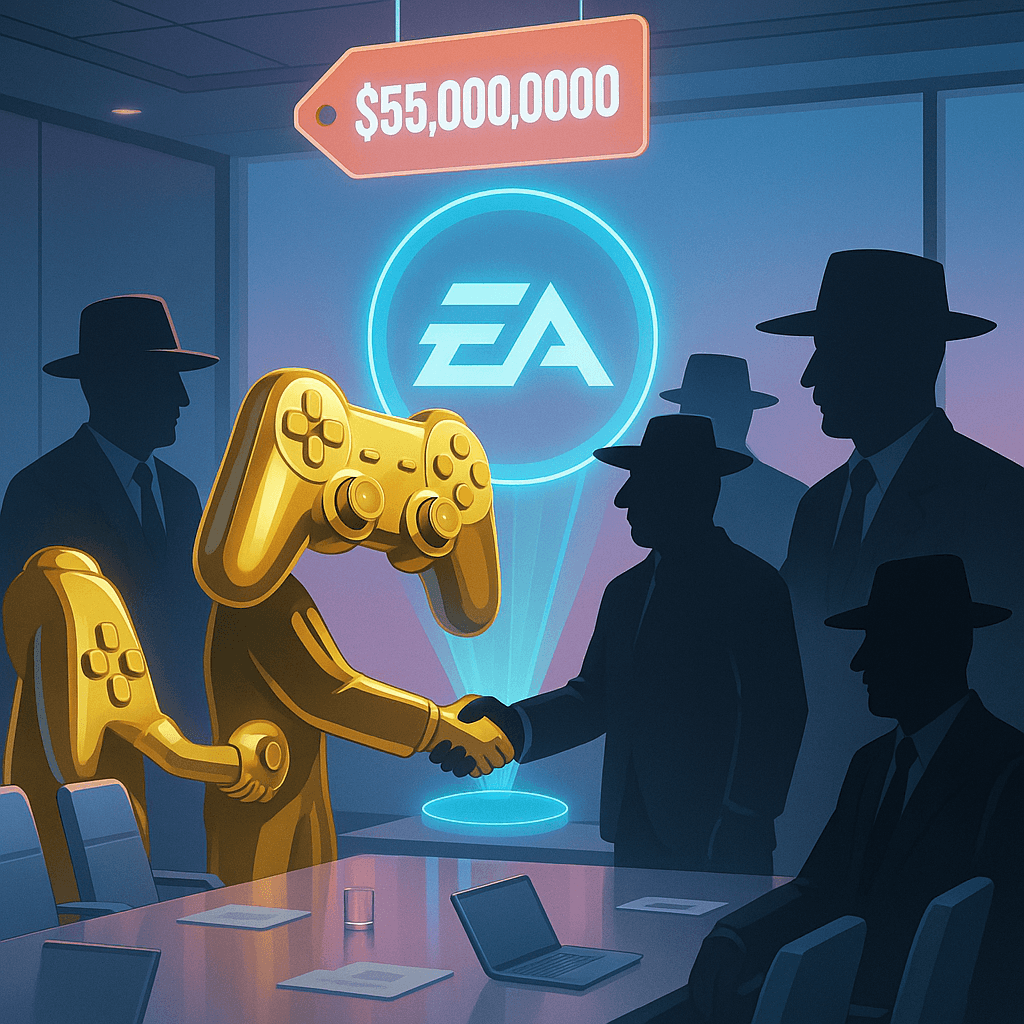
Electronic Arts has finally found the one microtransaction too big to fit in a loot box: itself. In a move that surprised exactly no one who has ever read a quarterly earnings call transcript, EA shareholders have approved an over-inflated $55 billion sale to Saudi Arabia, according to reporting from Kotaku (Dec 2025).
The deal hands the publisher of FIFA, Madden, and your childhood over to a Saudi-backed investment vehicle whose name you’ll forget the moment you finish this sentence, but whose influence will quietly update your terms of service while you sleep. The transaction will reportedly make this one of the largest gaming acquisitions in history and the most expensive way yet to avoid just fixing your live-service games.
At an investor webcast that looked like a cross between a TED Talk and a timeshare pitch, Electronic Arts executives stood in front of a sprawling slide titled “Strategic Synergies” while shareholders tried to calculate how many limited-edition yachts you can buy with $55 billion.
“This is about expanding player freedom,” one EA spokesperson announced, pausing dramatically before adding, “to spend money in new jurisdictions.”
Somewhere, an IR lawyer gently closed their eyes and exhaled into a stress ball shaped like the EA Sports logo.
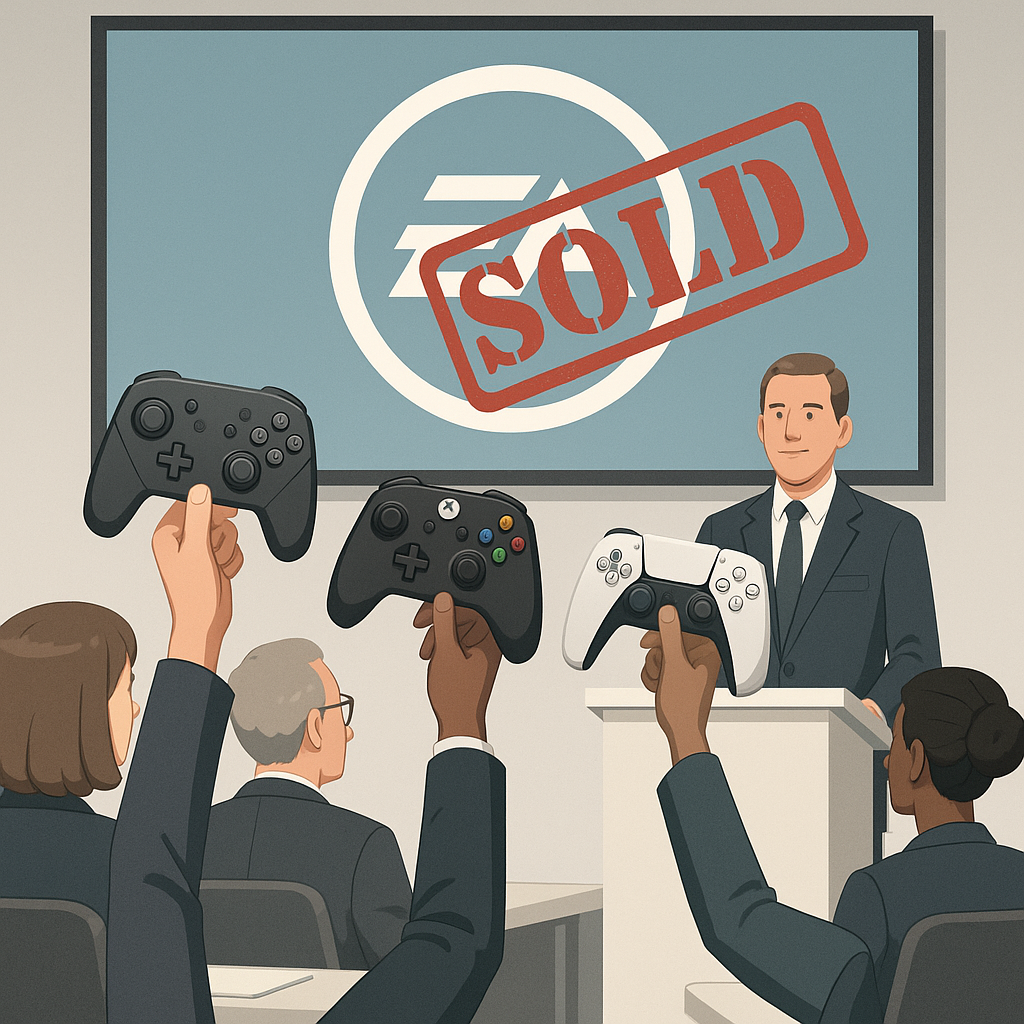
The Kingdom of Saudi Arabia, already a major player in esports, gaming, and the increasingly popular pastime of buying entire industries like they’re blue-shells in Mario Kart, has now added Electronic Arts to its growing collection of global brands. Industry analysts expect the acquisition to boost Saudi Arabia’s presence in Western entertainment, and EA’s presence in morally complicated dinner conversations.
“This acquisition demonstrates our long-term commitment to the global gaming sector,” a representative for the Saudi investment group reportedly said, according to people who pretended to read the press release and then skipped straight to the part with the numbers. “We believe EA’s portfolio—from Battlefield to The Sims—offers unmatched opportunities for… synergy.”
The word “synergy” appears 23 times in the official announcement, narrowly beating out “engagement,” “growth,” and “please ignore the geopolitical context.”
Technically, nothing in the deal mentions changes to flagship franchises like FIFA (sorry, “EA Sports FC”), Apex Legends, or The Sims 4. Practically, everyone on the internet has already started modding The Sims to test which social features will be “regionally unavailable.”
“We’re not changing the core player experience,” EA leadership insisted. “Just everything around it, under it, and funding it.”
In an FAQ published for confused fans, EA attempted to address concerns by answering questions nobody actually asked:
- Q: Will this change how I play EA games?
A: No! Your gameplay experience will remain exactly the same: slightly broken at launch, patched by Season 3. - Q: Why $55 billion?
A: That’s the estimated market value of every unopened Ultimate Team pack since 2016. - Q: Does this raise any ethical concerns?
A: Only if you still have ethics after years of buying cosmetic weapon skins.
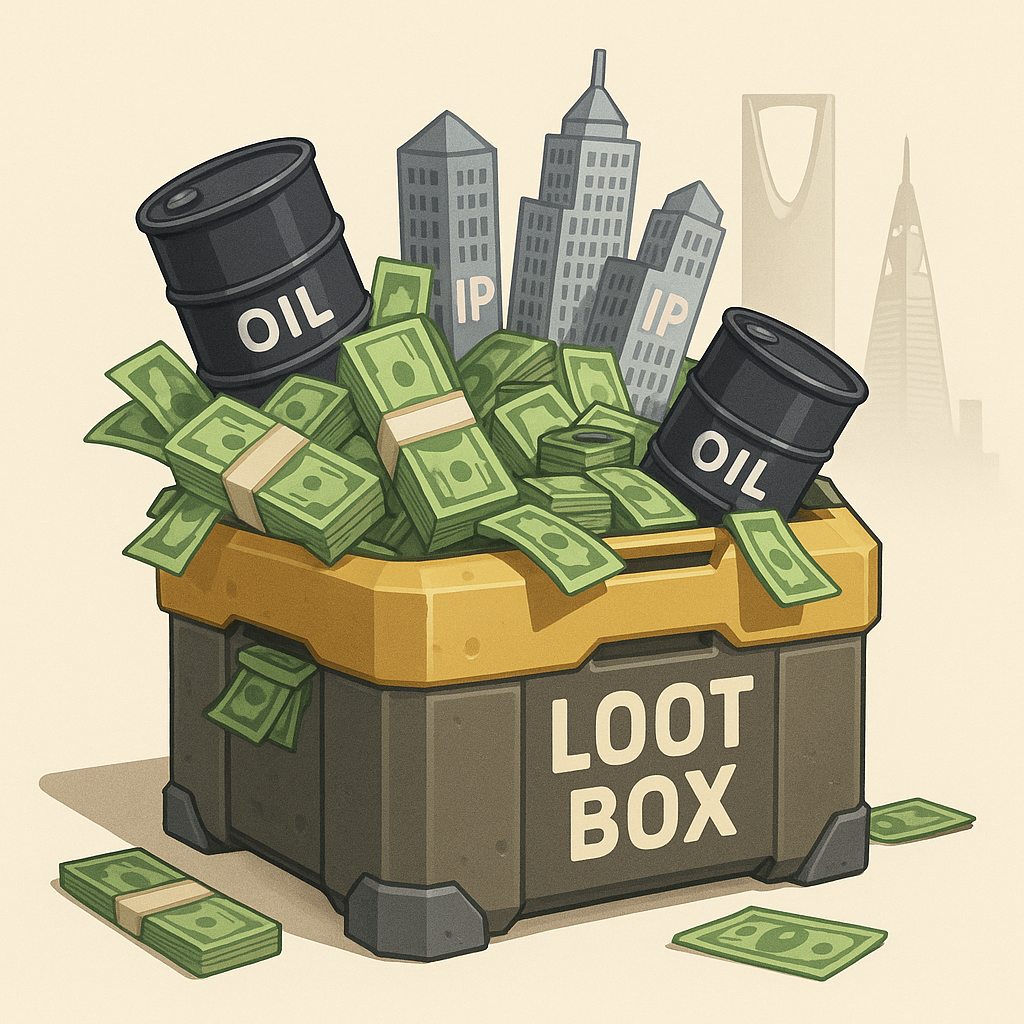
The sale’s approval comes after months of speculation, regulatory eyebrow-raises, and at least four thinkpieces with titles like “Are We The Baddies?” in respectable outlets. The Kotaku story notes that the $55 billion price tag is viewed by some analysts as “over-inflated,” which is Wall Street for “we know this number is nonsense but also we’re all going to profit so shhh.”
“From a valuation perspective, this is aggressive, unprecedented, and sort of hot,” said one anonymous tech analyst, presumably into a mirror. “But if you draw the right graph and ignore the y-axis labels, it makes perfect sense.”
On social media, gamers expressed their horror the only way they know how: by immediately pre-ordering the next Battlefield and then writing furious posts about it on Reddit. Some threatened to boycott Electronic Arts entirely, again, for real this time, until the next Steam sale, probably.
“I’m done with EA. This crosses the line,” one user wrote, before adding, “Unless they remaster Mass Effect 2 again. Then I will consider a temporary truce.”
Shareholders, of course, voted overwhelmingly in favor of the sale. The only dissent reportedly came from one confused retiree who thought they were approving an “EA Access” renewal and muttered, “Why is Game Pass so expensive now?” as their vote was counted.
At a post-vote champagne reception, an EA board member allegedly toasted: “To the future of gaming! And to the brave men and women of our legal team, who will explain this to Congress.”
Tech commentators were quick to note that the deal continues a trend of sovereign wealth funds casually shopping the global tech and entertainment sectors like it’s a Black Friday sale with unlimited credit and no cart limit. What began with esports teams and minority stakes has now escalated into full-blown publisher acquisition, with Electronic Arts standing proudly on the mantle next to all the other things you vaguely remember being independent once.
“We used to worry that tech monopolies would control how we play,” said one digital rights advocate. “Now we’re at the ‘nation-states with vibes decks’ phase. Honestly, bring back the monopolies. At least those only wanted our data, not our souls and our data.”
Still, some fans insist the sale could bring benefits. With deeper pockets behind it, EA might finally invest in:
- Servers that don’t crash on launch day.
- AI referees in EA Sports FC that are less corrupt than the real ones.
- An algorithm that can detect when you’ve spent too much on loot boxes and automatically sends you a gentle, therapist-written pop-up: “Hey. Sweetie. Touch grass.”
But the more obvious innovation path is already emerging: monetizing the moral dissonance itself. Industry insiders whisper that EA is exploring a new subscription tier: EA Play Plus: Conscience Edition.
For an additional monthly fee, players will reportedly unlock the following:
- Ethical Filter: An optional slider that replaces controversial branding with soothing abstract shapes and the words “Capitalism Happened.”
- Context DLC: When you launch a game, you’ll get a brief, AI-generated explainer of global soft power and petro-tech investment, narrated by a very tired historian.
- Guilt Cosmetics: Exclusive in-game skins, including “Cognitive Dissonance Cloak” and “Late-Stage Capitalism Armor Set.”
“We’re committed to building a future where players can enjoy their favorite games,” EA’s CEO said in the closing moments of the announcement stream, “without thinking too hard about who owns the servers.”
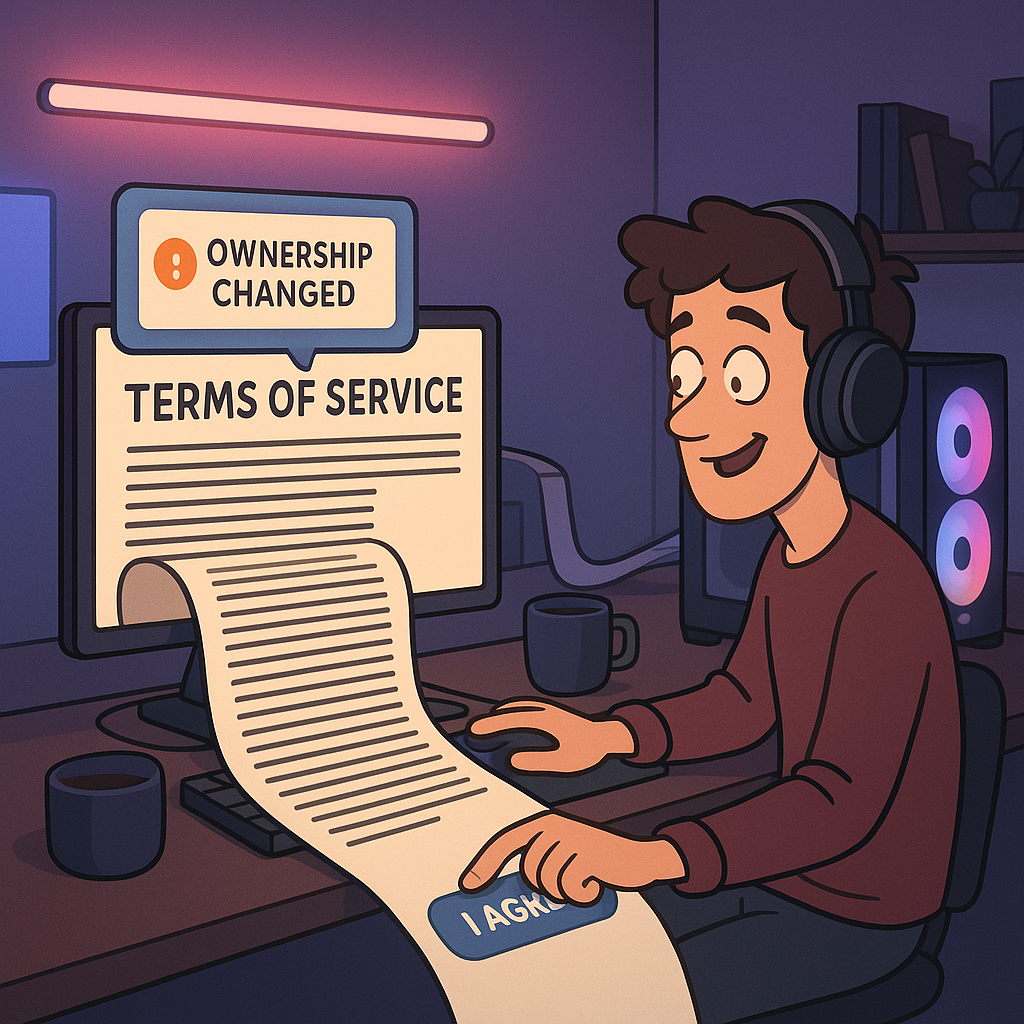
He smiled, the stock price ticked upward, and millions of users clicked “I Agree” on yet another new privacy policy, just to get back to the part where they can shoot digital strangers for XP.
In the end, the $55 billion sale of Electronic Arts to Saudi Arabia is less a plot twist than a season finale in a show we all secretly knew the ending of. We’ve been watching it for years: the slow merging of games, finance, and geopolitics into one expandable universe where every moral dilemma can be skipped… for a small additional fee.
Press X to accept.