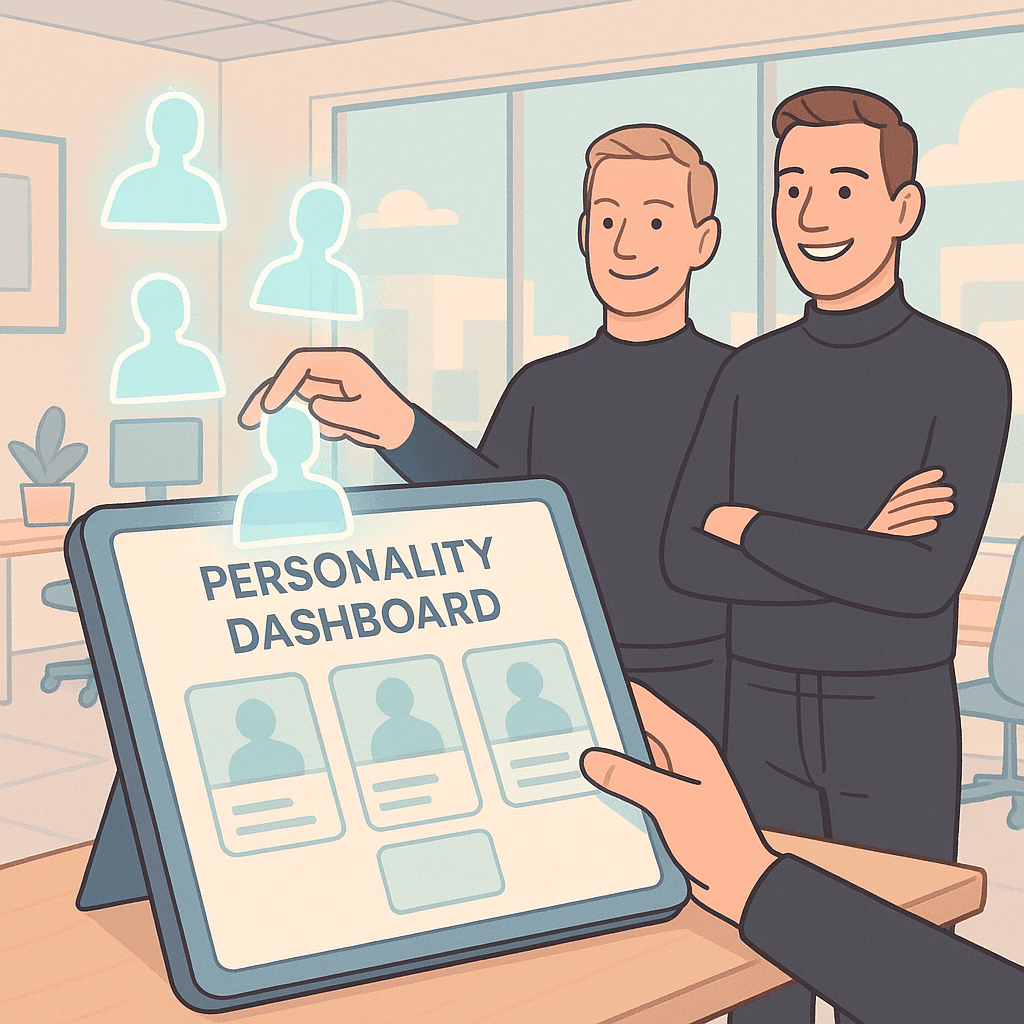
In the latest sign that the economy has fully transitioned from creating value to monetizing vibes, new startup PersonaCloud announced today it has raised $120 million in Series B funding to “disrupt the analog burden of having a personality.” The round was led by SoftBank, three hedge funds that only invest via astrology, and one angel investor who described himself as “post-capitalism but pre-liquidity.”
PersonaCloud, founded in 2023 by former McKinsey consultant-turned-breathwork influencer Chase Alder, promises to free users from the inefficiency of being themselves. For a monthly fee starting at $49, consumers can subscribe to a “Cloud-Optimized Identity Suite” that automatically updates their opinions, hobbies, and traumas based on real-time market trends.
“Selfhood is a legacy system,” Alder told reporters at a launch event held in a candlelit co-working space attached to a cryotherapy bar. 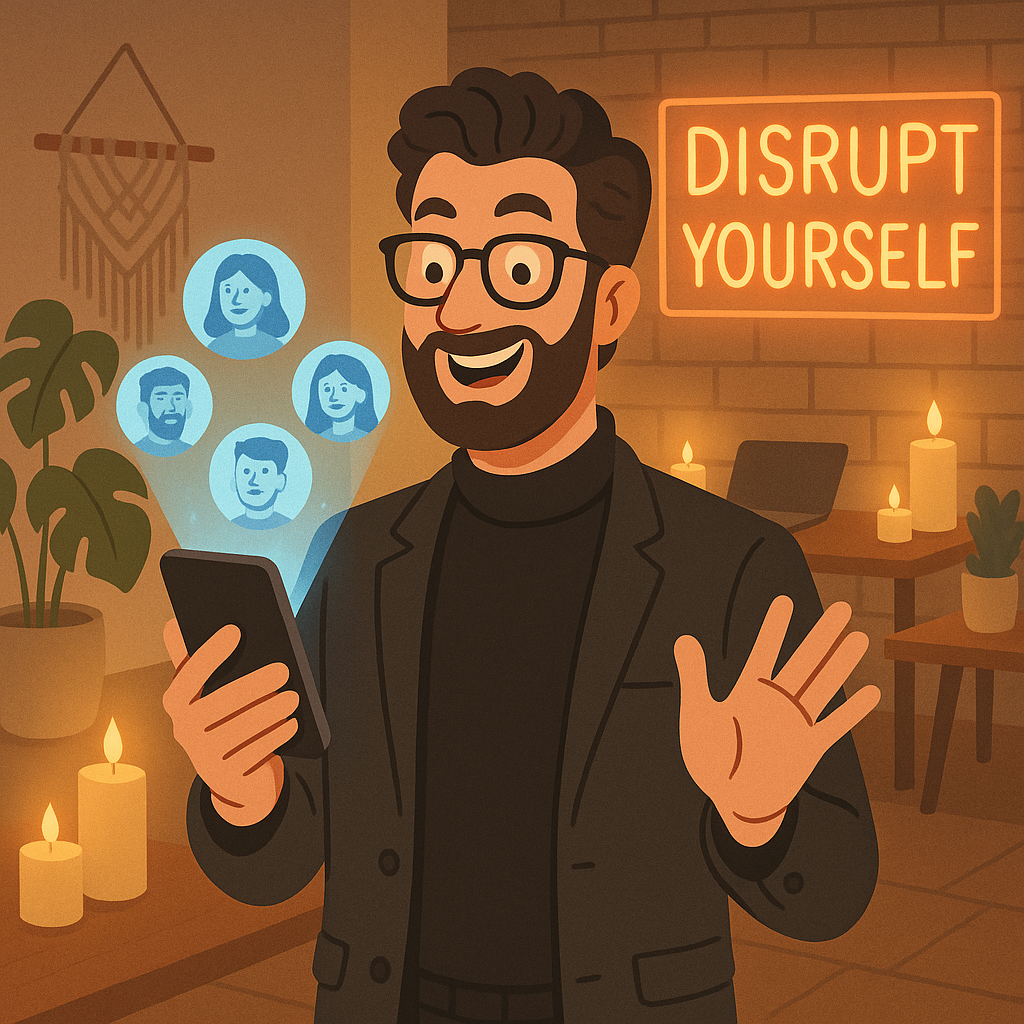
According to marketing materials, the app integrates with LinkedIn, Instagram, TikTok, and your therapist’s calendar to build a “Unified Identity Graph.” This graph then feeds into a proprietary engine called AURA™ (Artificially Upgraded Relatability Algorithm), which decides which version of you is most likely to convert in any given setting.
- On LinkedIn, the system may present you as a “data-driven thought leader passionate about impact.”
- On Instagram, you become “soft-lit chaos goblin healing via international brunch.”
- On first dates, you default to “emotionally available but booked till Q3.”
“We’re not changing who you are,” insisted Chief Product Officer and former Peloton branding director Lila Chen. “We’re just removing the friction between the self and the desired outcome. If you’ve ever thought, ‘I wish I were effortlessly charismatic and monetizable,’ that’s our target persona. Which is also our only persona.”
Investors appear convinced. “Consumers have spent the last decade optimizing everything except their basic existence,” said one partner at Andreessen Horowitz, speaking off the record because he’s currently incubating a competing startup that rents you a curated inner child. “We’ve done steps, sleep, glucose, even calendar hygiene. Personality was the last unstructured asset class.”
The app currently sells three main tiers:
- Basic Vibe – $49/month. Includes quarterly personality updates, one preloaded “core wound,” and access to a library of on-trend opinions about AI and oat milk.
- Pro Vibe – $129/month. Adds dynamic trauma management, auto-generated “I’ve been thinking about this a lot lately” posts, and integration with Notion so your journal can be A/B tested.
- Enterprise Vibe – “Let’s chat.” Designed for executives who need to appear visionary without accidentally having a stable worldview.
“Our Enterprise customers can deploy up to six personalities in parallel,” explained Chen, gesturing at a dashboard filled with pastel pie charts. 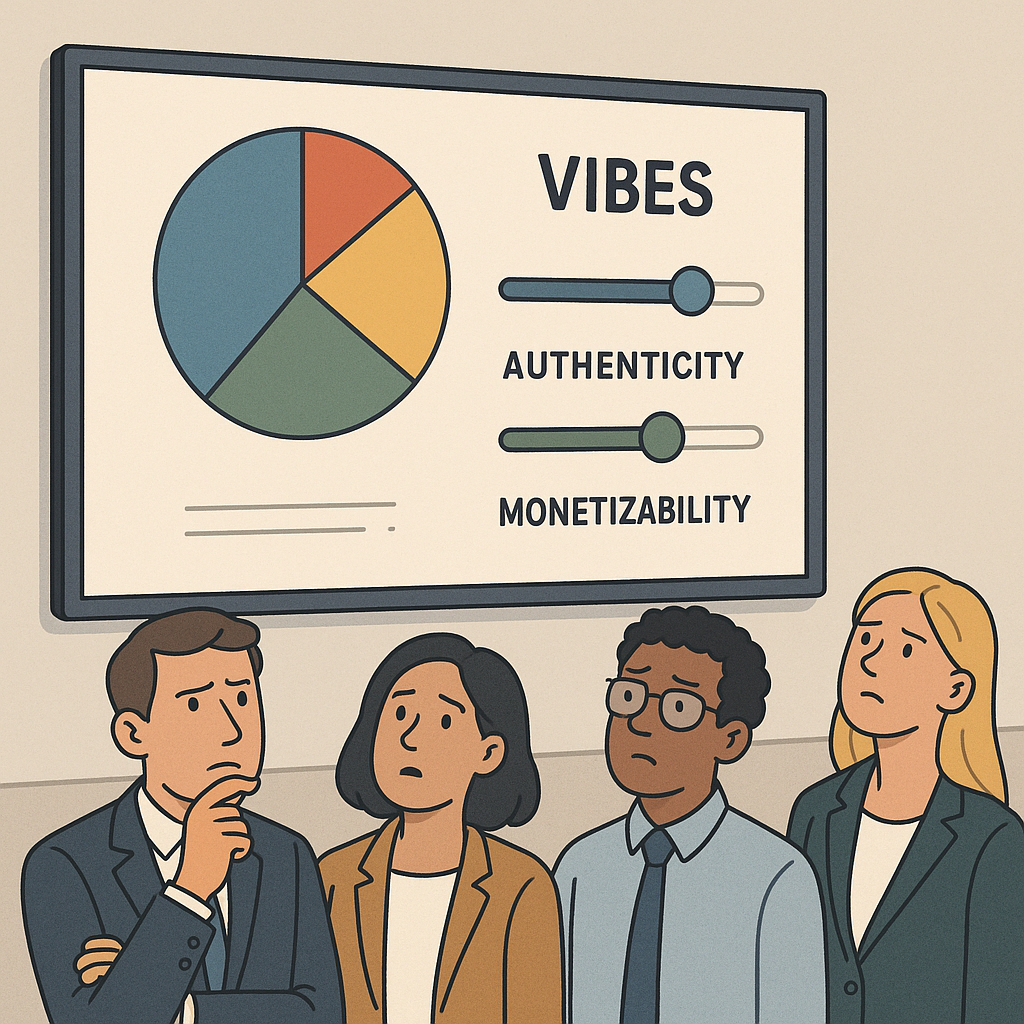
The company reports early traction among founders, influencers, and mid-level managers who describe themselves as “fractional humans.” One beta user, a VP of Strategy at a Fortune 500 company, praised the product for simplifying his emotional workload: “Before PersonaCloud, I had to remember who I was in each room. Now I just let the algorithm ghost my therapist and auto-generate my apologies.”
Still, critics, ethicists, and at least two burnt-out brand strategists have expressed concerns. “We are witnessing the full SaaS-ification of the self,” warned an NYU media studies professor who previously commented on Meta’s metaverse pivot in The New York Times. “When your personality becomes a subscription, who owns your memories if you churn?”
PersonaCloud has anticipated this. According to its Terms of Service—which most users accept via a calming lavender pop-up—the company reserves the right to “retain, remix, and resell any identity shards, micro-traumas, or evolved hot takes generated on-platform for training future personality models.” Users who downgrade to Basic Vibe may find that earlier, more premium versions of themselves have been licensed to brands as “aspirational archetypes.”
“If you see a bus ad featuring a slightly hotter, more coherent version of you encouraging people to refinance their student loans, that’s just synergy,” explained Alder. “You’re not being exploited. You’re being scaled.”
Legal experts note the model bears similarities to current AI training practices, in which large language models are built using massive datasets scraped from the internet (Reuters has previously detailed how OpenAI and others sourced training data). “The difference here,” said one tech policy researcher, “is that instead of training on your tweets, they’re training on your last shred of inner life.”
Not to be outdone, consulting giant McKinsey has already announced a white paper on “Personality-as-a-Platform,” arguing that companies which fail to “containerize employee authenticity” by 2030 will be “crushed beneath the weight of unmanaged inner narratives.” Goldman Sachs is rumored to be exploring a derivatives product that allows traders to short specific identity types, betting against the long-term viability of, for example, “quiet luxury girlboss who read one book on Buddhism.”
In a move some analysts called “structurally ominous,” PersonaCloud has also unveiled a B2B offering called CultureSync™, allowing HR departments to bulk-edit entire workforces. 
“Let’s say your company decides to pivot from ‘family-like culture’ to ‘relentless meritocracy with wellness stipends,’” said Chen. “Previously, you’d have months of awkward all-hands meetings while people processed feelings. Now we just push a Personality Update™ at midnight. By 9 a.m., everyone’s core values are fully realigned, and they’ve forgotten they ever cared about ‘work-life balance.’ We even include a complimentary Slack status: ‘So energized by this new chapter.’”
Workers’ rights groups have raised alarms, particularly after leaked internal docs suggested PersonaCloud was testing a feature where employees who underperformed their quarterly KPIs would be automatically downgraded to an “easier to manage” personality. In one pilot program, a salesperson who repeatedly missed targets was quietly converted from “ambitious closer with complex interiority” to “grateful team player who says ‘this is such a growth opportunity’ under all circumstances.”
“This fundamentally rewrites the employer-employee relationship,” said a representative from a major labor union. “If your boss can literally patch your personality to make you less likely to unionize, that’s… not ideal.” PersonaCloud dismissed the critique as “a powerful reminder of why some stakeholders benefit from remaining in beta.”
Despite the concerns, adoption is accelerating. The company claims a waitlist of over 300,000 users, many of whom signed up after seeing a viral TikTok ad that asked, “Still manually maintaining your personality? That’s a you problem.” Early adopters have flooded social media with glowing testimonials whose suspiciously uniform syntax suggests they may have been auto-generated by the app itself.
“I used to feel lost in my 30s,” wrote one user in a post that has now been shared across multiple platforms. “Thanks to PersonaCloud, I’ve never felt more aligned with my personal brand growth narrative.” The same sentence later appeared, with only minor modifications, in a sponsored post by an oat-based protein shake.
When asked about the risk of eroding what little remains of authentic human connection, Alder seemed unbothered. “Authenticity is just another UX pattern,” he said. “We’re not killing it; we’re making it scalable. Think of PersonaCloud as an operating system for your soul. And like any good OS, we’ll be pushing mandatory updates at 3 a.m. You won’t remember what you were like before this, but trust us, you were less monetizable.”
He paused, then added, “And if you’re uncomfortable with that, don’t worry. Our next release includes a Comfort Patch™ that will gently remove your ability to care.”
Beta testers report the feature is already live.



