Nepal is about to beta-test something Silicon Valley has threatened for years: letting an ex-rapper with actual followers run the operating system of a country.
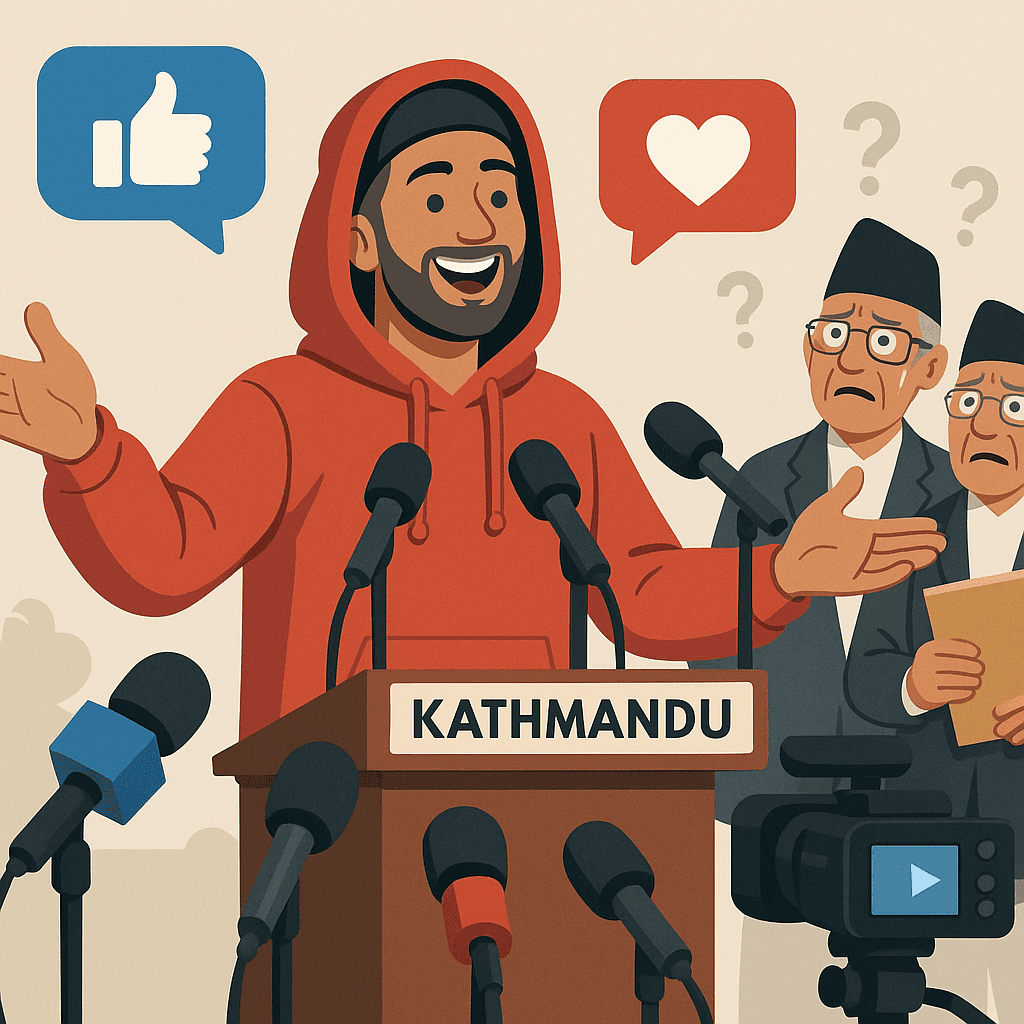
According to Geo TV (Dec 2025), a former rapper is set to run for prime minister in a key vote after a wave of Gen Z protests shook Kathmandu. In a world where your average head of government still struggles to unmute themselves on Zoom, the idea of a PM who once dropped bars instead of budgets feels like a UX upgrade. Or at least a fun new way to crash the system.
The twist isn’t that Nepal might get a rapper-turned-politician; the twist is that this didn’t come out of a Netflix writers’ room. It came out of streets full of teenagers who looked at their government, looked at their phones, and collectively decided, “Yeah, we’ve had better onboarding experiences from food delivery apps.”
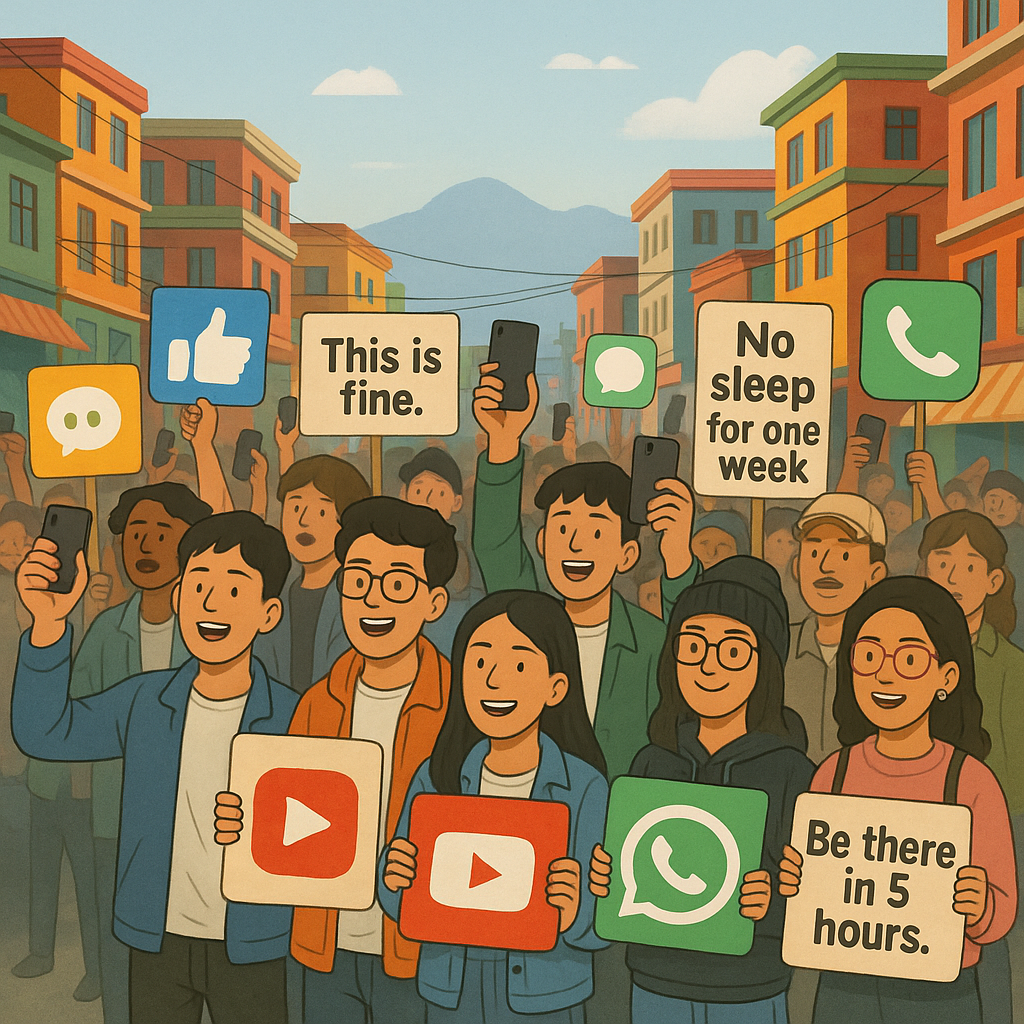
The Gen Z protests that set this all off weren’t just about policy; they were about latency. Young Nepalis, marinated in TikTok loops and YouTube explainers, watched their leaders buffer endlessly on basic issues like unemployment, corruption, and why the capital Kathmandu still treats reliable internet like a luxury DLC. When the national currency of attention is measured in 3-second hooks, speeches that sound like dial-up modems were never going to scale.
Enter Nepal’s former rapper, whose back catalog reportedly includes tracks about social inequality, frustration with old-guard politics, and, presumably, at least one song where Parliament is compared unfavorably to a broken printer. In a move that would make any growth-hacking consultant proud, Gen Z protesters essentially ran a live A/B test in the streets:
- Variant A: Traditional politician, no rhythm, 40-minute speech, 0% completion rate.
- Variant B: Ex-rapper, knows what a hook is, 2-minute freestyle on corruption, 87% share rate on Instagram.
Variant B won. The control group, as usual, was the confused establishment watching their engagement metrics fall off a cliff.
To be clear, Nepal is not the first to experiment with unconventional leaders. Italy tried a comedian, Ukraine had an actor, and the United States once tried a reality TV star and never really found the uninstall button. But Nepal’s flavor is distinctly Web2.5: a creator pivoting into governance, backed not by party machines but by followers, hashtags, and a population that has seen what happens when you let boomers manage the backend.
Kathmandu’s political class, many of whom still print their emails, is struggling to adapt. Veteran party strategists are hastily rebranding their manifestos as “content roadmaps” and asking aides how many “views” a coalition government gets. One senior figure reportedly demanded to know why their rally didn’t “go viral on the Google” and if they should “post more reels about socialism.”
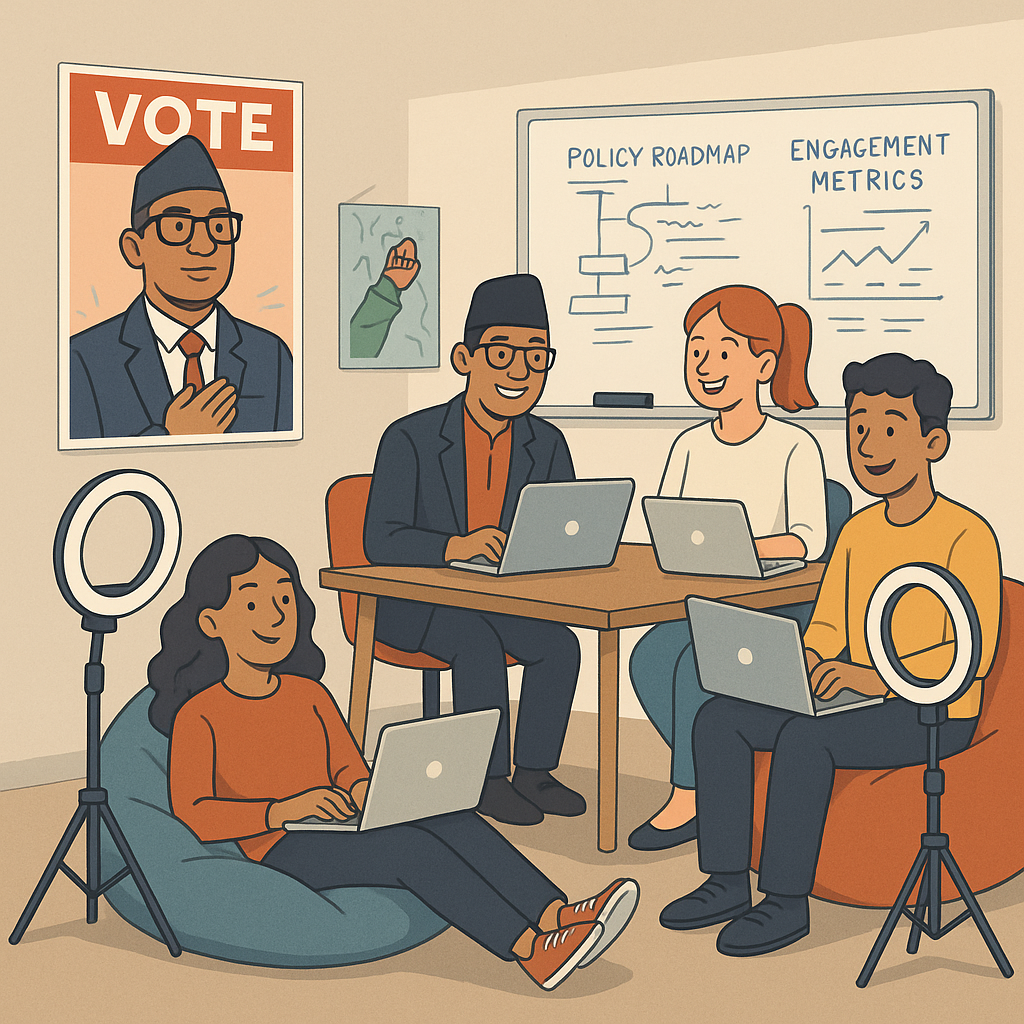
Meanwhile, the ex-rapper’s campaign HQ looks suspiciously like a scrappy startup. There are beanbags, ring lights, and a whiteboard covered in phrases like “National Budget = Product Roadmap?” and “Infrastructure, but make it UX.” A small team of overcaffeinated twenty-somethings is simultaneously editing a policy paper and a campaign trailer, because in 2025, if it isn’t a vertical video with captions, it may as well not exist.
“Democracy has patch notes now,” says one 21-year-old protester. “We’re tired of running Version 1993.”
In the spirit of agile governance, the rapper-turned-candidate is reportedly pitching policies in the only format Gen Z recognizes as legally binding: a swipeable carousel. Slide 1: Anti-corruption crackdown. Slide 2: Student employment program. Slide 3: Fiber internet that doesn’t die when someone in the next building opens Netflix. The opposition, naturally, has responded by forming a committee to discuss “what is a carousel and can it be taxed.”
International observers are torn. Some see this as a warning signal: if a former rapper in Nepal can surf a wave of Gen Z protests straight into a prime ministerial race, nothing stops future parliaments from being full of gym influencers, Minecraft streamers, and that one guy who reviews keyboards on YouTube. Others argue this is just democracy finally catching up with its own UI. If politics is the original social network, why shouldn’t someone who actually understands engagement run it?
Behind the memes, though, the stakes are very real. The protests that propelled this ex-rapper toward the PM’s seat were fueled by frustration with slow economic growth, limited opportunities, and a sense that Kathmandu’s old political guard was treating the future like an optional feature. Nepal’s youth have watched countries around the world plug themselves into global tech ecosystems while they’re still fighting over decent 4G in the capital. At some point, someone was going to ask why the national roadmap looked like it was last updated on a floppy disk.
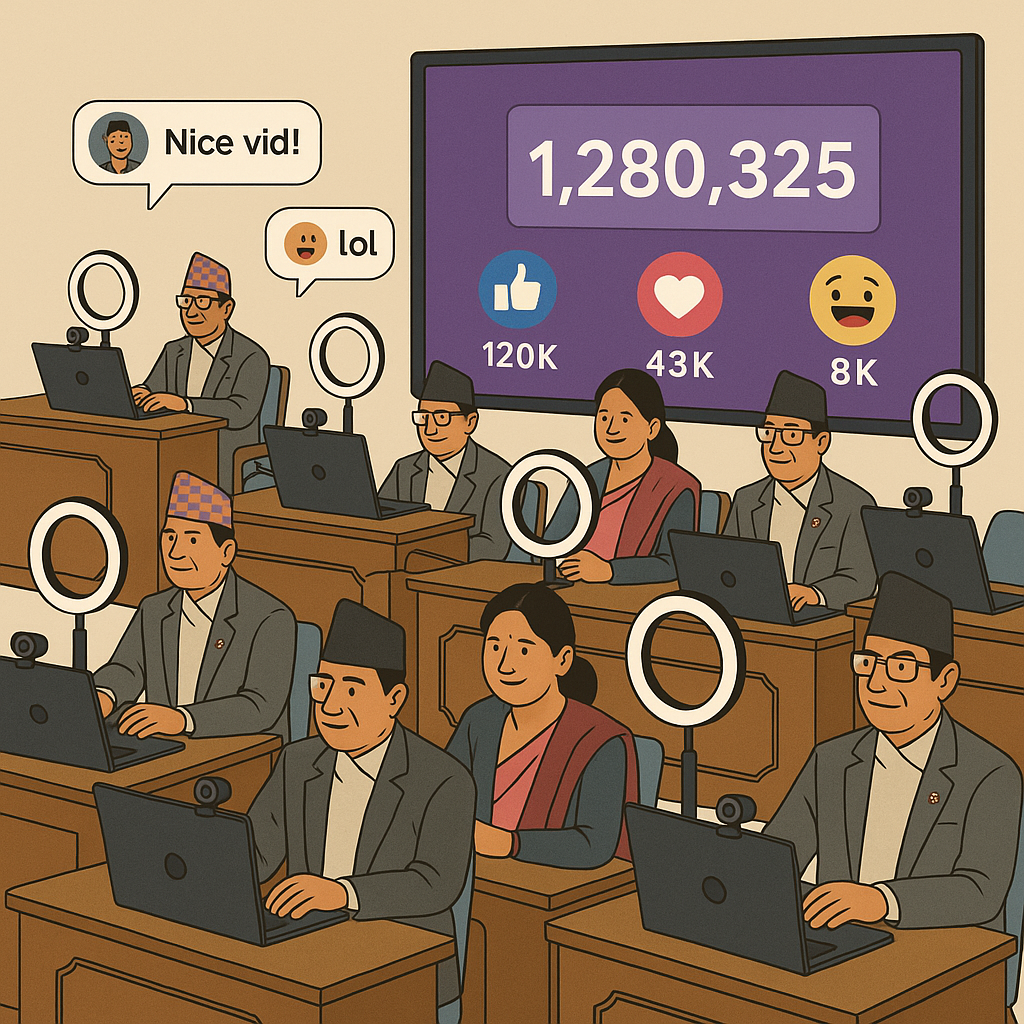
If the former rapper does become prime minister, it will be a stress test of a larger idea: can political systems refactor themselves fast enough to work with a generation that treats institutions like apps? Apps get deleted when they stop being useful. Institutions, as we’ve seen, tend to just keep sending notifications.
In the best-case scenario, Nepal’s experiment gives the world a glimpse of what governance might look like when leaders speak fluent internet without being completely owned by it. Parliamentary debates might get fact-checked in real time. Budget discussions might be explained with actual graphics instead of 300-page PDFs. Kathmandu might even ship a national digital strategy that doesn’t look like it was copy-pasted from a World Bank PDF circa 2012.
In the worst-case scenario, we get a country run by a man whose first instinct under pressure is to drop a diss track about the opposition. Then again, compared to the usual response—commissioning a 600-page report no one reads—that might be an upgrade.
Either way, Nepal is about to teach the rest of us something Silicon Valley accidentally discovered years ago: if you ignore young users long enough, they don’t just leave your platform.
They fork it.