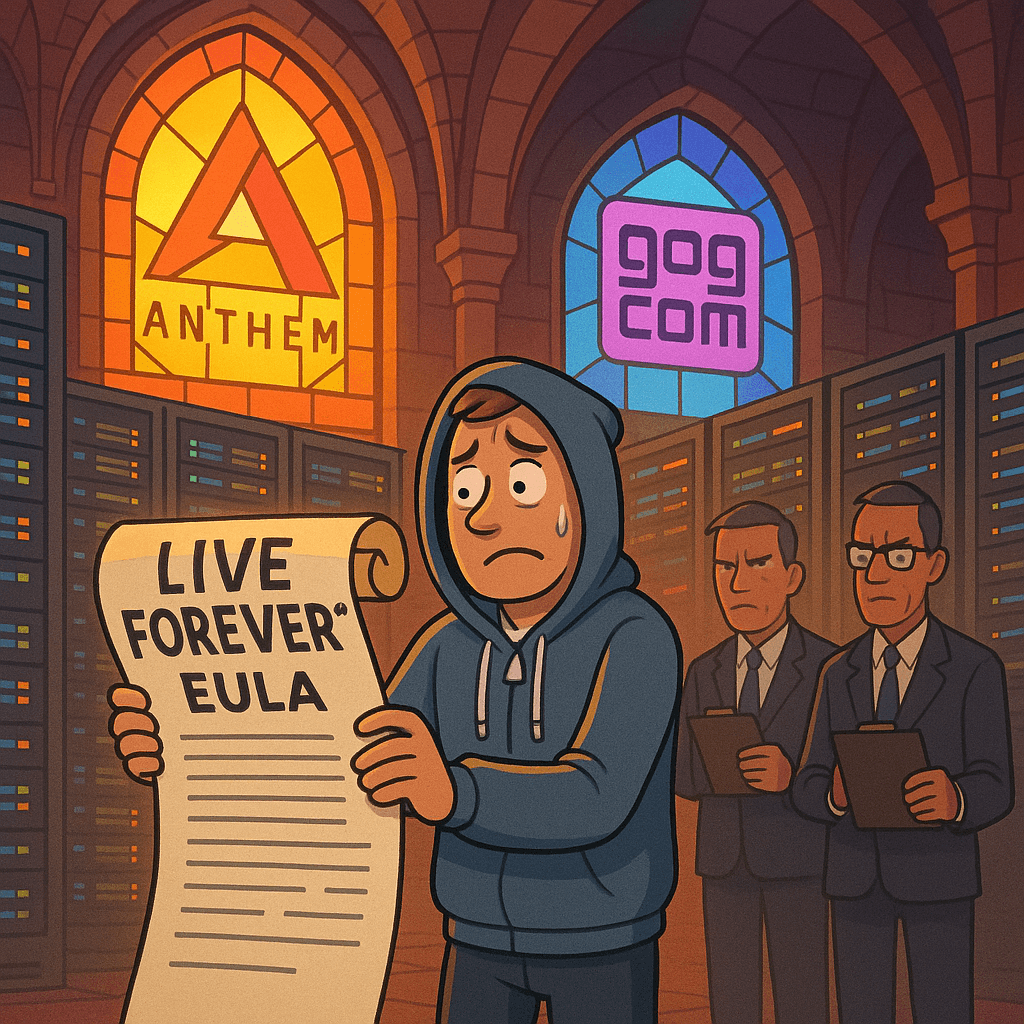
In a bold new vision for the future of digital entertainment, GOG has announced it wants online games like Anthem to "live forever"—a phrase that sounds inspirational until you remember it usually appears in the middle of a vampire monologue, right before somebody loses their reflection.
The comments came from a GOG director in a recent interview highlighted by GamesRadar+ (Jan 2026), where he mused about preserving multiplayer games in perpetuity while fretting that increased regulation might mean "fewer cool games for gamers." Translated from industry doublespeak: "We’d love to be your eternal content landlord, but the government keeps asking annoying questions like ‘What happens when the servers go dark?’ and ‘Why is this loot box shaped like a slot machine?’"
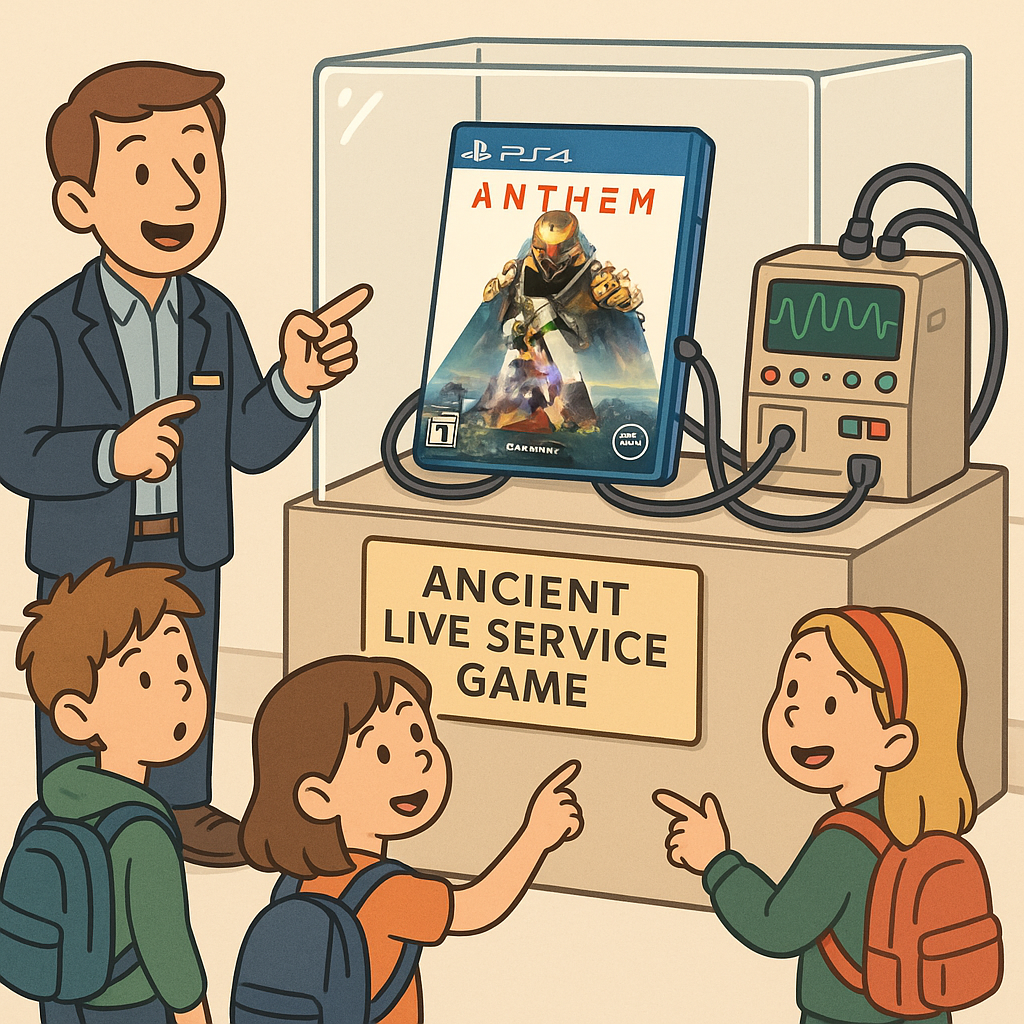
At the center of the debate is Anthem, BioWare and EA’s once-hyped online action RPG best known today as a cautionary tale, a very expensive loading screen simulator, and a monument to the dangers of believing E3 trailers. GOG’s preservation dream paints a future where even after EA loses interest, kills the servers, and quietly buries the brand in a desert next to unused Kinect cameras, players could still drop into a working world—like visiting a museum exhibit titled “Live Service, Dead Inside.”
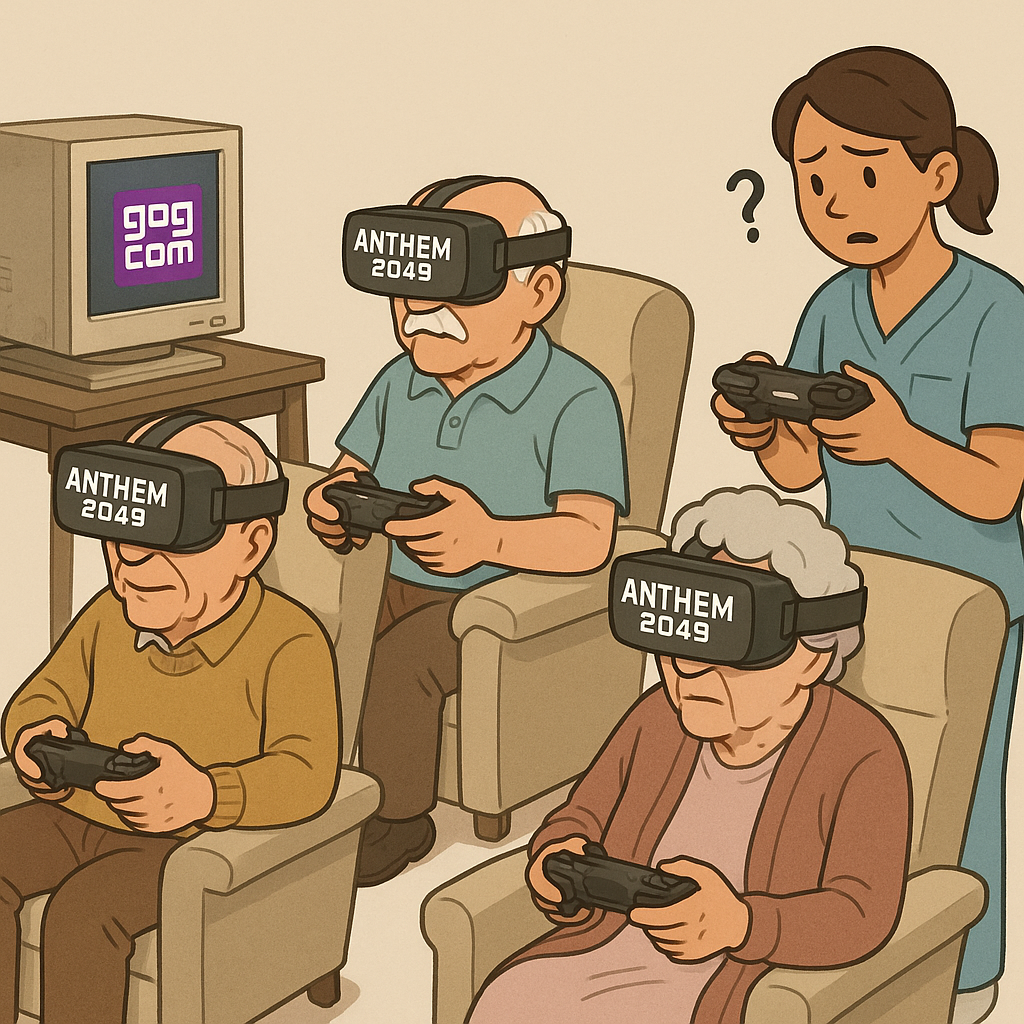
The GOG director insists this isn’t just nostalgia. It’s about cultural heritage. “Games like Anthem should still be playable in 20, 30, 40 years,” he suggests, apparently envisioning a 2060 retirement home where elderly gamers gather around a dusty PC labeled GOG Galaxy, whispering: “Back in my day, BioWare tried to fix this twice.”
Regulators in the EU and beyond, however, are developing a different set of concerns. When a platform says “live forever,” they hear:
- Your account: forever.
- Your data: forever.
- Your microtransaction receipts: definitely forever.
The specter haunting GOG, EA, and every other company that stapled a store to a login server is that governments might actually legislate things like data retention limits, preservation rights, and what happens when a publisher rage-unplugs a title from existence. From the industry point of view, this is terrifying—less because of the privacy implications, and more because it might slightly complicate the quarterly roadmap for new skins.
The GOG director summed it up in pure 2020s corporate haiku: “I don’t have the perfect answer yet.” Which is technically honest. No one in the Live Service Industrial Complex has answers, only subscriptions.
The irony is that players already know how to make games live forever: it’s called "let people host their own damn servers." In the ancient times—known to historians as "the LAN era"—multiplayer games like Quake and Unreal Tournament survived for decades because nobody had to beg a corporate back-end to acknowledge their existence. Today, gamers log into Anthem and are greeted by a message that might as well read, “We’ve discontinued your friendships due to business priorities.”
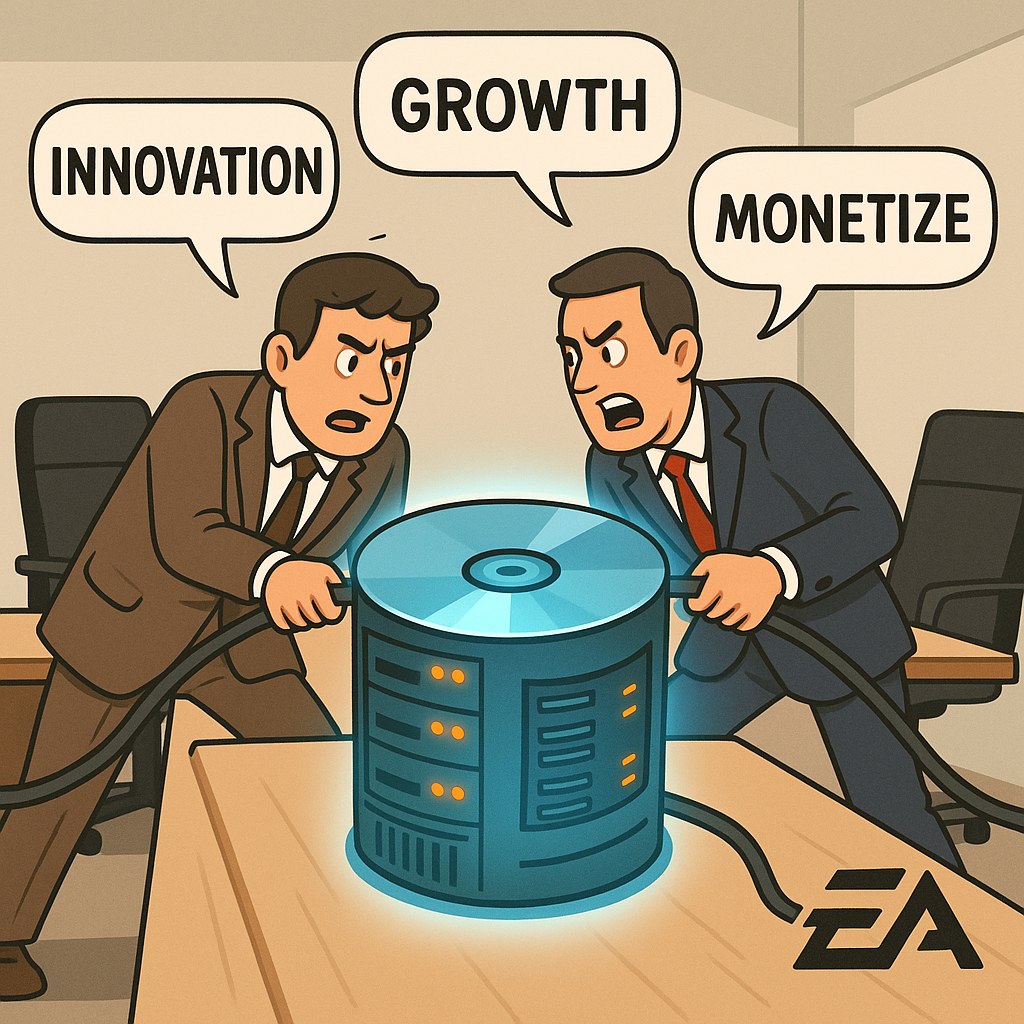
In this climate, GOG’s preservation pitch sounds almost radical: give players DRM-free versions, offline modes, maybe even fall-back server tech so that when EA pushes the big red "Service Decommission" button, the game doesn’t instantly vaporize. But to do that, you have to negotiate with companies like Electronic Arts, whose business model depends on making sure nothing you buy ever fully exists in your possession.
Imagine the meeting:
GOG: We’d like to ensure Anthem can be preserved for future generations.
EA: Future generations do not appear in our Q4 projections.
Meanwhile, legislators circle like confused but determined parents. They were once told video games were dangerous and addictive. Now they’re learning the danger isn’t demons hiding in cartridges, it’s immortal storefronts that keep charging your card long after the fun died. They see platforms like GOG, Origin, Steam, and the Epic Games Store slowly turning into feudal estates where users are permitted to visit their games as long as the authentication servers feel like it.
From their point of view, "game preservation" sounds suspiciously like "data preservation." To keep Anthem functional in 2050, someone has to keep account tables, purchase histories, and personal info in circulation. “Live forever” for code often means “live forever” for customer records, which is why privacy regulators suddenly care about whether your digital javelin still fits.
GOG, to its credit, has tried to brand itself as the slightly less dystopian cousin in the family: DRM-free titles, offline installers, old classics like Baldur’s Gate resurrected from abandonware purgatory. But once you step into always-online, live-service territory with games like Anthem, you’re in EA’s neighborhood, where every feature is shackled to an account system designed by a committee that gets paid in monthly active users.
The result is a three-way standoff:
- GOG wants to be the hero who saves dying online worlds.
- EA wants to be sure that if anything lives forever, it’s revenue, not source code.
- Regulators want to avoid front-page scandals like “Retired Gamer Discovers 40 Years of Loot Box Purchases Held in Unencrypted Spreadsheet.”
Lost somewhere in the crossfire are the players, quietly wondering if it’s too much to ask that when they buy a $60 game, it functions for more than a fiscal year and a half. They’ve been trained to accept shutdown notices as part of the natural life cycle, like a particularly depressing weather report: “Servers going offline in your area, expect scattered refunds and heavy disappointment.”
If GOG gets its way and games like Anthem do, in some form, live forever, we’ll enter a strange future where digital archaeologists boot up preserved servers to study ancient microtransaction patterns. University courses will analyze why BioWare tried to relaunch the game, then quietly pulled the plug again, then came back in an oral history project hosted by GOG Galaxy 7.0, which by then is presumably sentient.
In that world, somewhere between the blockchain museum of failed NFT integrations and the wing dedicated to battle passes, a little placard will sit beneath a running build of Anthem:
“This game once depended entirely on corporate goodwill to exist. It is now maintained by a consortium of archivists, regulators, and one very stubborn GOG director who still doesn’t have the perfect answer, but at least preserved the question.”
Until then, live-service games will continue to promise forever on launch day and deliver a tidy sunset announcement a few quarters later. The only real constant, as always, is the clause at the bottom of every EULA:
“Terms subject to change. Eternity not guaranteed.”