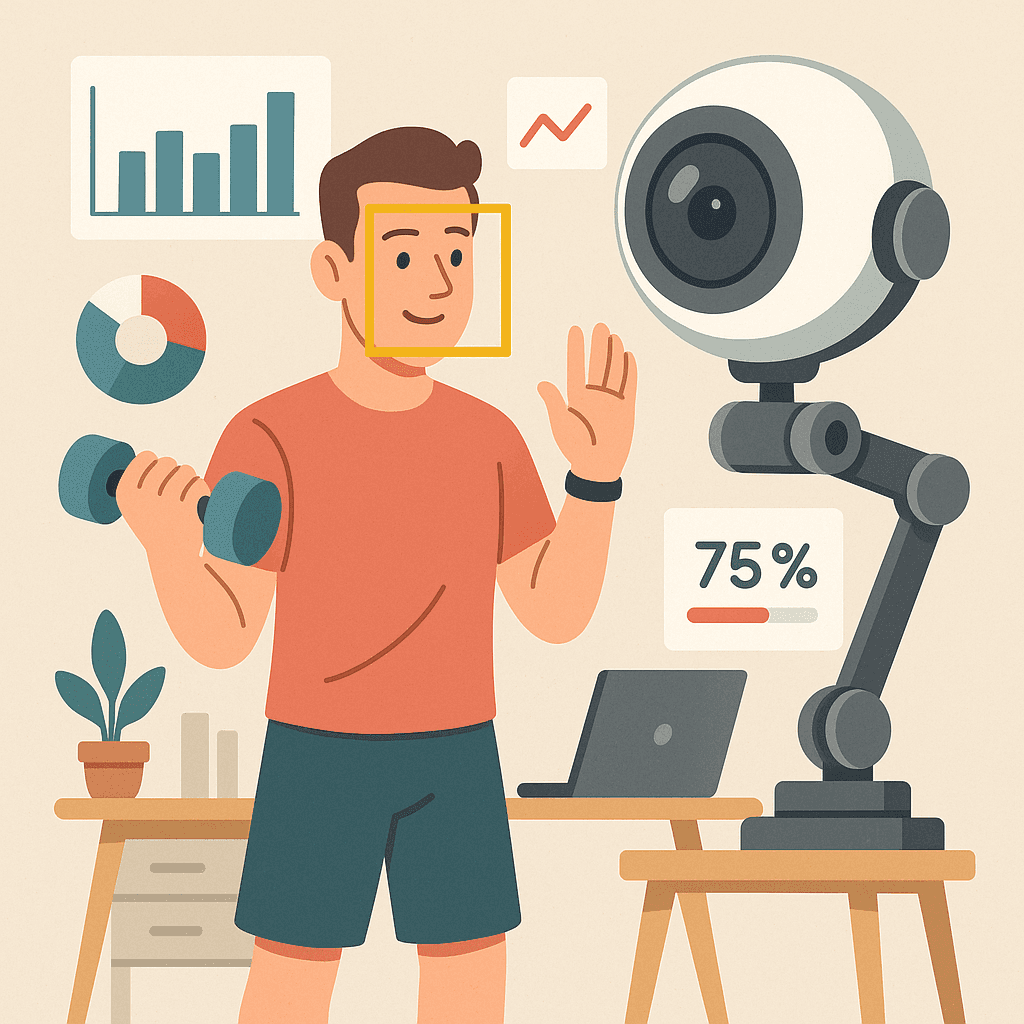
Techradar’s recent review, "I tested the Insta360 Link 2 pan-and-track webcam - and it's helped me deliver far more engaging online training" (Techradar, Jan 2026), was meant to be a simple hands-on gadget piece. Instead, it quietly documented the moment the webcam stopped being a tool and became the unpaid, all-seeing manager of your remote work soul.
The Insta360 Link 2 is pitched as a tiny robotic savior for trainers, coaches, and anyone forced to gesticulate in front of a PowerPoint while pretending the silence on Zoom is actually rapt attention. It pans, it tilts, it tracks you while you pace, and, crucially, it never blinks. For online trainers, this is marketed as “engaging.” For everyone else, it’s giving “security camera with career aspirations.”
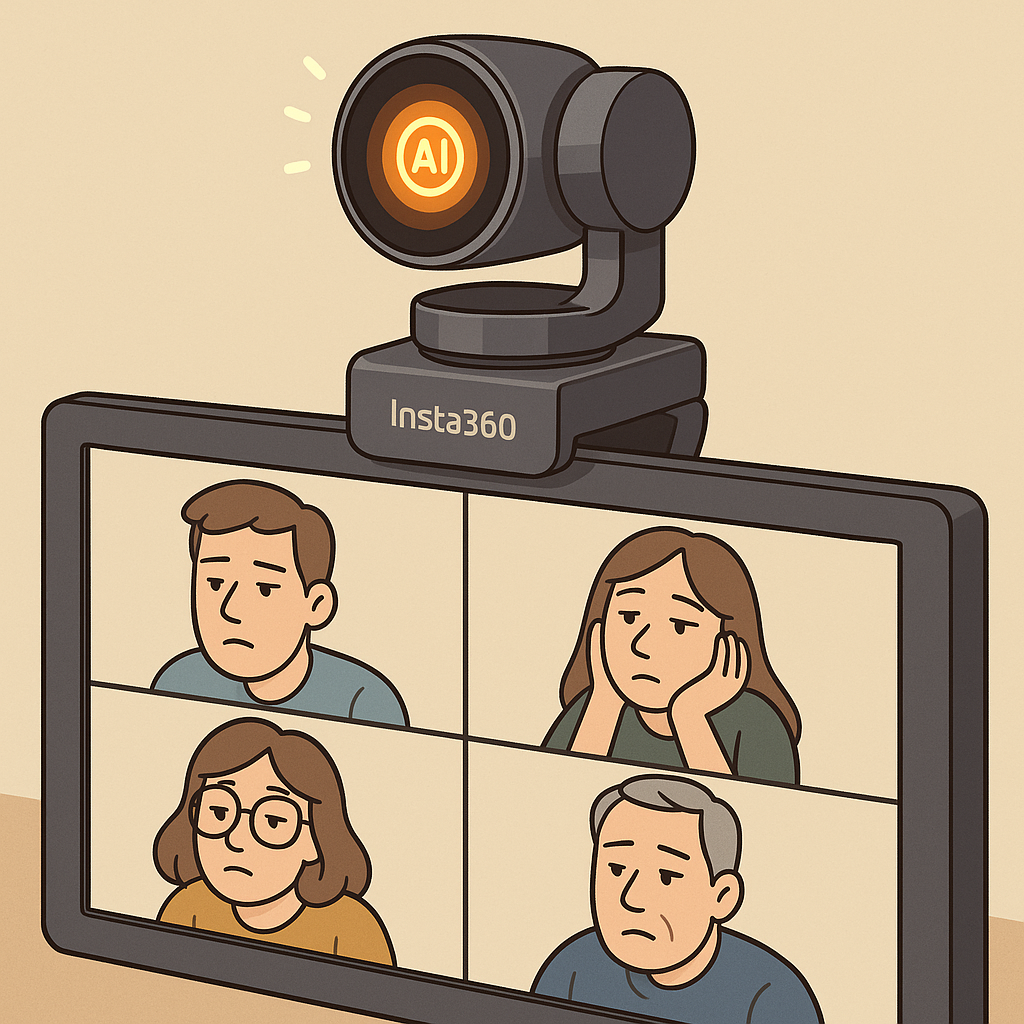
According to the glowing Techradar write-up, the Insta360 Link 2 uses AI-powered tracking to follow presenters as they move around their home office. That’s cute marketing language for: this thing locks onto your face like a high-frequency trading bot locks onto a mispriced altcoin. Step to the left? It follows. Step to the right? It follows. Step away to scream into a pillow about your fifth unpaid "discovery call" of the week? It follows, and probably auto-adjusts the exposure.
Corporate L&D departments have already started salivating. Anonymous sources at three Fortune 500 firms allegedly brainstormed a whole new KPI framework the second they heard the phrase “pan-and-track.” Proposed metrics include:
- Engagement Arc Per Minute (EAPM): How many times you cross the frame pretending to be dynamic while your audience checks email.
- Gesture Velocity Index (GVI): How fast your hands move when you realize nobody did the pre-work.
- Compliance Gaze Rate (CGR): Percentage of time your eyes are aimed at the camera before you look off-screen to Google, “How to sound confident when you have no idea what you’re saying.”
Insta360, for its part, insists this is all about “creative freedom” and better "online training experiences." Which is adorable, because we all know how this script ends: HR buying 4,000 units, calling it a "remote enablement initiative," and then asking why your pan-and-track utilization dropped after you were told bonuses were canceled again.
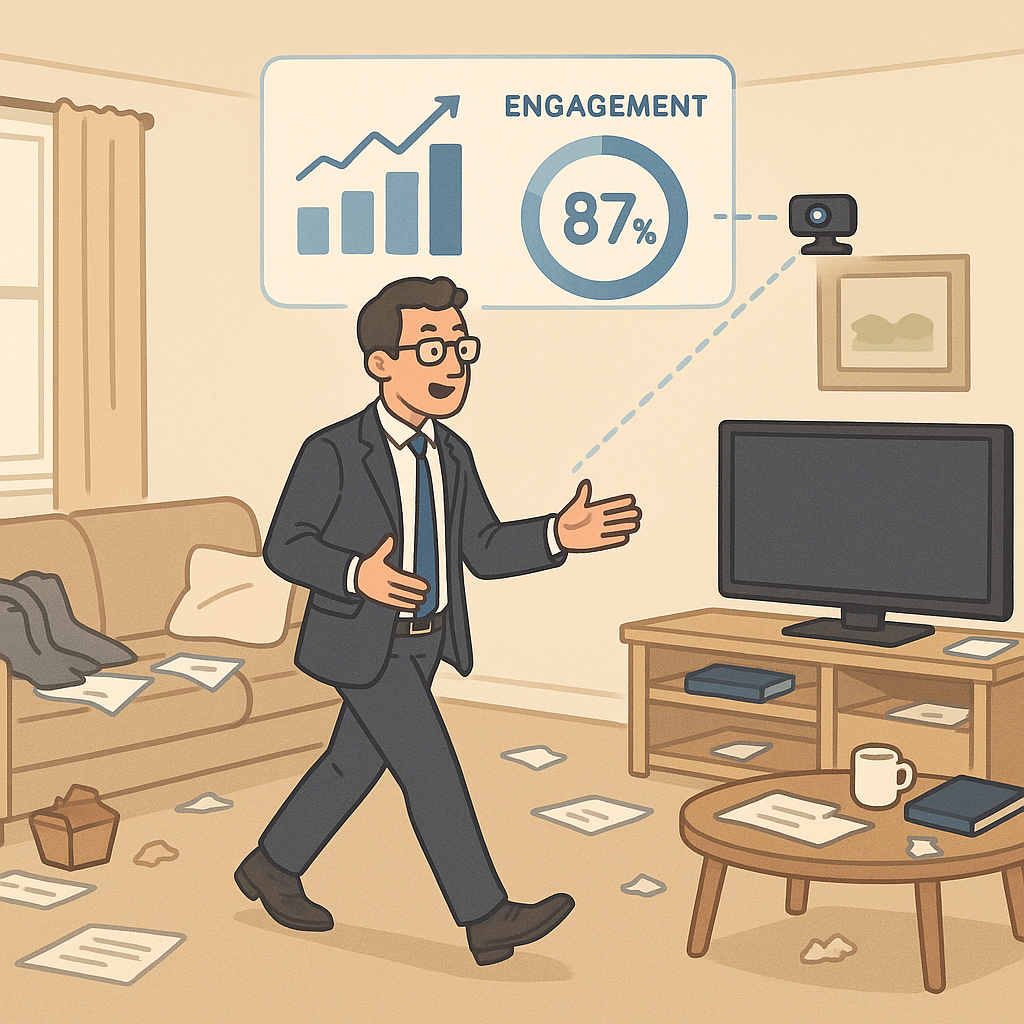
Techradar’s review highlights how the Insta360 Link 2 can smartly frame a whiteboard, track a presenter, and even zoom in on key moments. Trainers reportedly loved it because it "just works" and makes them “more confident." Of course they said that. They’re trainers. Their job is to confidently describe mild inconveniences as "transformational experiences" and "learning journeys."
What nobody wants to say out loud is the obvious: the Insta360 Link 2 has created the perfect surveillance infrastructure for managers who still don't trust that remote workers are working, despite record productivity numbers and an entire year where everyone kept the company afloat while muted. The very same AI that keeps a trainer delightfully centered in frame can also keep you perfectly centered as you slowly disassociate during a 3-hour compliance module on password hygiene.
Finance departments, naturally, are thrilled. With high-resolution video, AI tracking, and detailed motion analytics, they can finally do what they’ve always wanted to do: calculate Return on Presenter. Why pay three external facilitators when the analytics show that one caffeinated person with an Insta360 Link 2 generates 37% more perceived engagement while saying the exact same things about "synergy"?
“Look, if the AI can track you, we can track the budget,” one fictional CFO told us. “It’s basically CapEx that stares back.”
The online training world is already responding with predictable, utterly cursed innovation:
- Dynamic Pricing by Motion: “Premium” coaching packages now sold by the number of camera pans per hour. More movement = more money. Sitting still = "intro cohort beta discount."
- Engagement Tokens: Participants receive blockchain-based proof-of-attention every time the Insta360 Link 2 confirms they looked up from their phone for at least 2.3 seconds.
- Performance-Backed Webinars: Trainers get paid extra if the AI tracking detects less than three dead-eyed stares in a 10-minute window.
In the Techradar piece, the reviewer mentions how the Insta360 Link 2 makes it easier to move around, present naturally, and not worry if you’re “in frame.” That’s the hook. That’s the sell. Freedom through automation. But under the hood, it’s the same script as every AI upgrade of the last five years: it starts as “don’t worry about the little stuff,” and ends as “the AI noticed your productivity dips after 3 p.m., so we’ve scheduled more 3 p.m. meetings.”
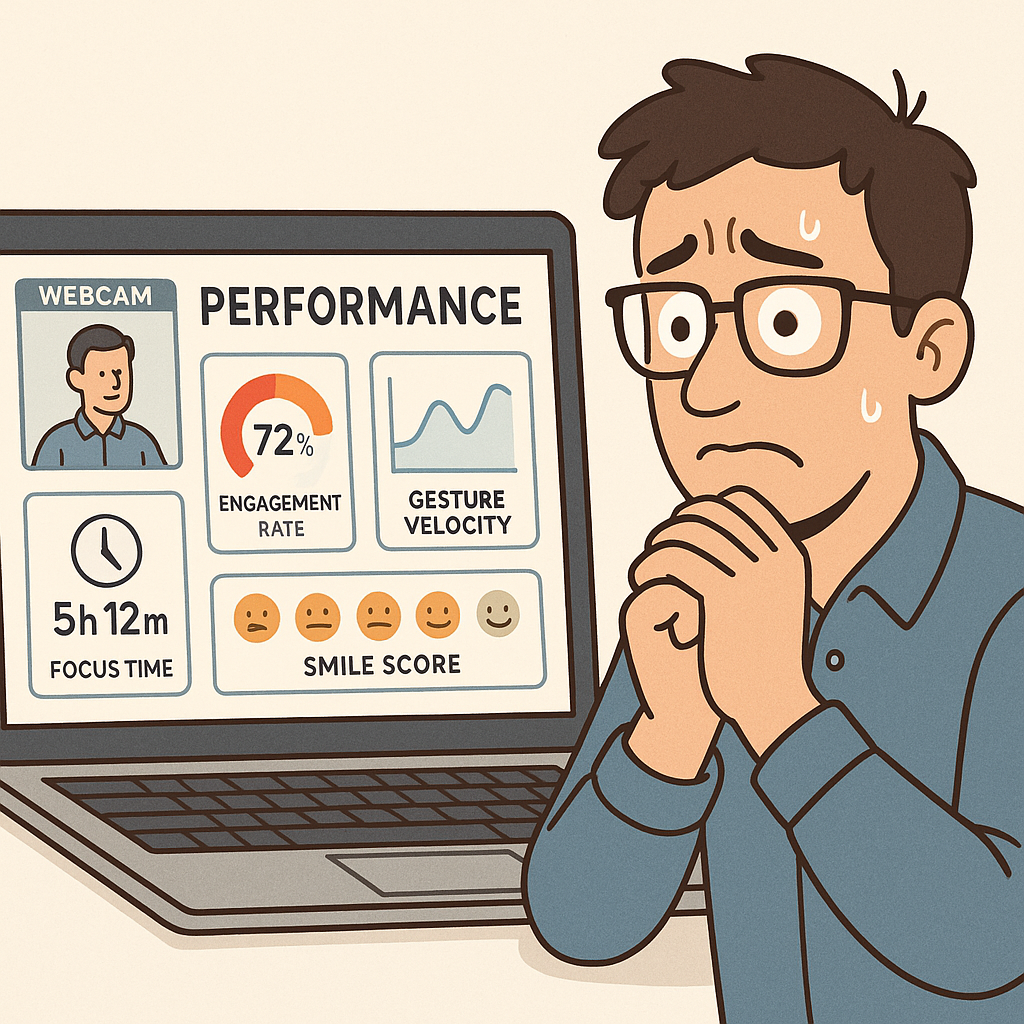
And yes, this is still a webcam. It’s not Skynet. It’s not even Clippy. But connect it to your LMS, pipe the metrics into that new “AI-Powered Business Automation” platform your COO found in a Techbullion article, and suddenly your charming little teaching tool becomes the input layer for the ugliest dashboard you’ve ever seen: green if you’re “engaging,” red if you’re “at risk of quiet quitting,” yellow if you’re “on track for a performance conversation.”
So where does that leave the earnest online trainer who just wanted to stop looking like a hostage in 720p? Somewhere between grateful and gently doomed. The Insta360 Link 2 genuinely does make video sessions look better. It does help with presence. It does let you walk to the whiteboard without turning into an off-screen rumor. All of that is true. And all of that will be used as evidence that you can now "scale your impact" from three webinars a week to eleven, because hey, the tech makes it easier.
In the end, Techradar may be right: AI pan-and-track webcams like the Insta360 Link 2 will absolutely help deliver far more engaging online training. They’ll also help deliver far more measurable, commoditized, and relentlessly optimized human performance data to every stakeholder with a login and a suspicion that you could probably be doing just a tiny bit more.
Welcome to the future of work: you’re always centered, always in focus, and if the AI can see you, so can the budget cuts.