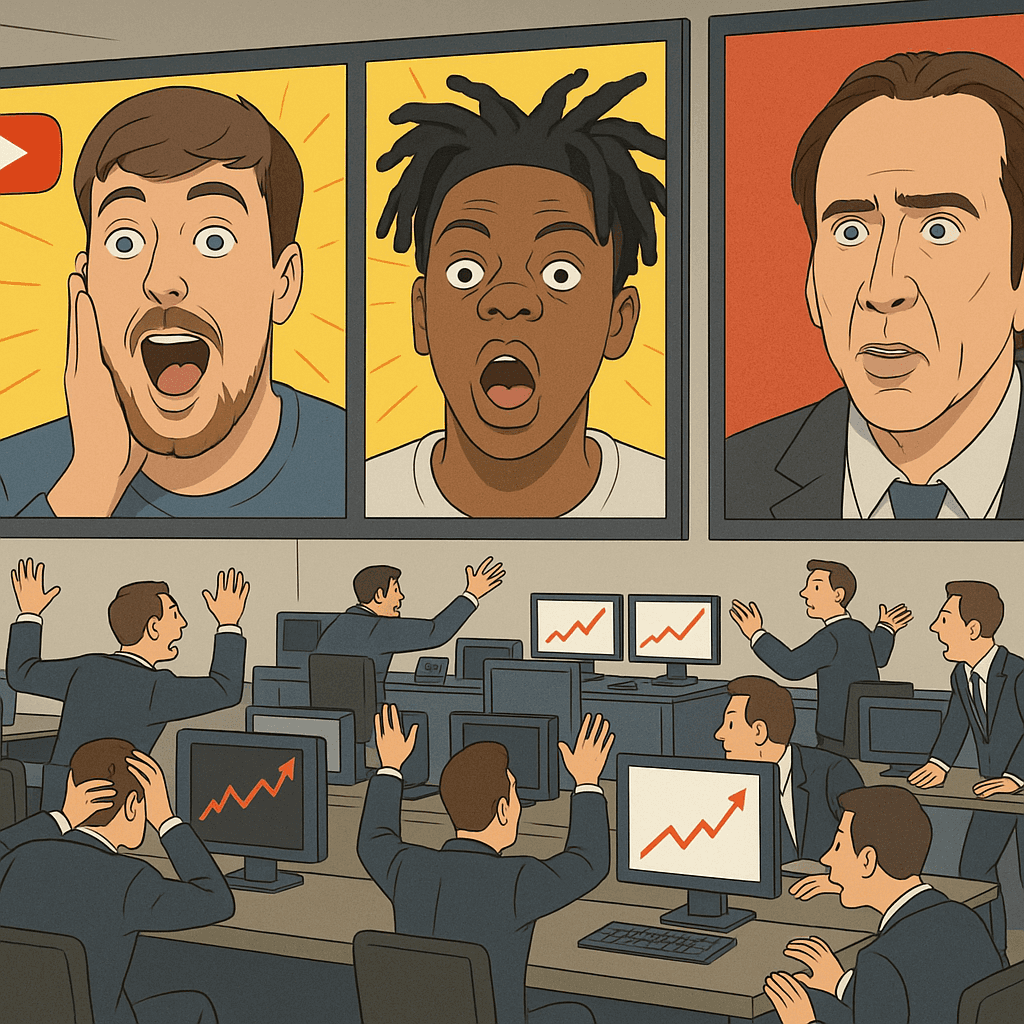
In a move that surprised absolutely no one who has opened YouTube in the past three years, a new ranking of the “Top 5 Branded Videos of the Week” featuring MrBeast, IShowSpeed, and Nicolas Cage has confirmed what we all suspected: Madison Avenue has stopped buying TV slots and started renting human beings with ring lights instead (Tubefilter, Dec 2025).
According to Tubefilter’s rundown, advertisers are now treating MrBeast, IShowSpeed, and a delightfully self-aware Nic Cage like a diversified ETF of chaos, sugar rush, and uncut meme energy. Together, they form what marketing executives are calling “the holy trinity of watch time,” and what the rest of us might reasonably call “the final boss of capitalism.”
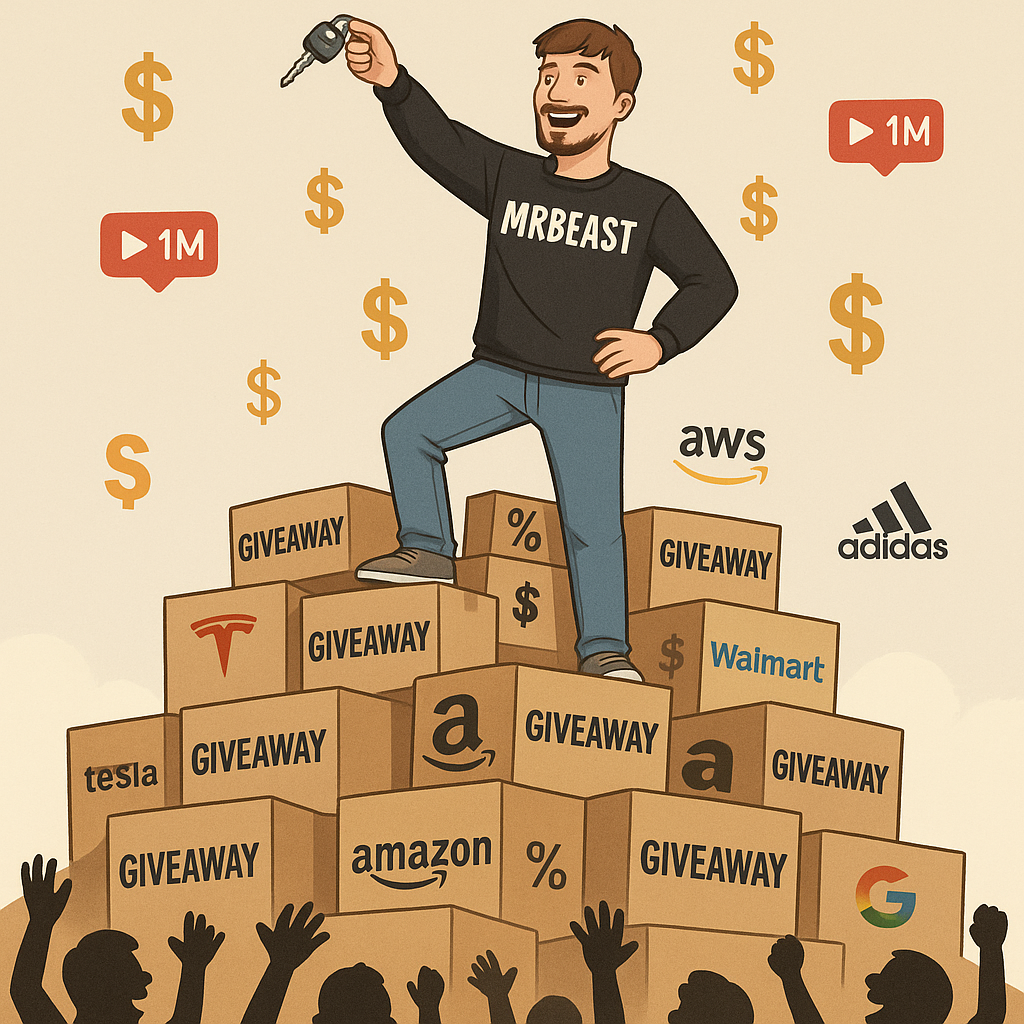
MrBeast, professionally known as “the guy who turned philanthropy into a battle royale,” reportedly topped the branded video chart just by giving away enough Teslas to destabilize three local used-car markets. Industry insiders say his latest sponsorship deal works on a simple premise:
“The brand gives MrBeast eight figures. MrBeast gives away nine figures in prizes. The audience gives him their soul, three hours of watch time, and direct access to their purchasing decisions until 2043,” explained one digital strategist, staring lovingly at a spreadsheet shaped like a funnel.
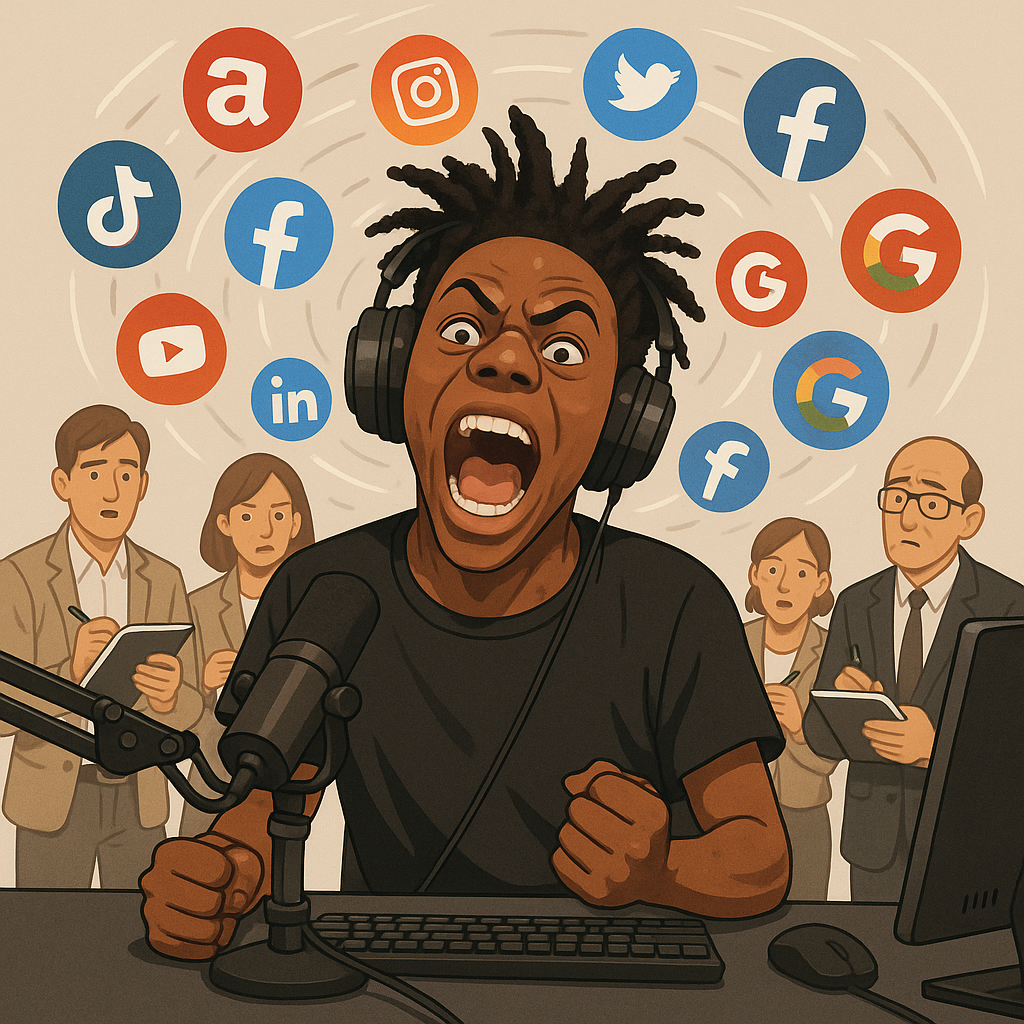
Meanwhile, IShowSpeed’s contribution to the Tubefilter list consists of a frenetic, borderline-apocalyptic collaboration where a multinational brand apparently said, “What if we aligned our Q4 value proposition with a man screaming at a virtual goat?” and the board unanimously approved it. The video generated record engagement, especially among the coveted 12–24 demographic and several confused goats.
“We don’t even storyboard anymore,” admitted one brand manager whose job title is now technically “Head of Vibecasting.” “We just wire IShowSpeed some money and pray he doesn’t yell our legal disclosures too fast for the FTC to understand.”
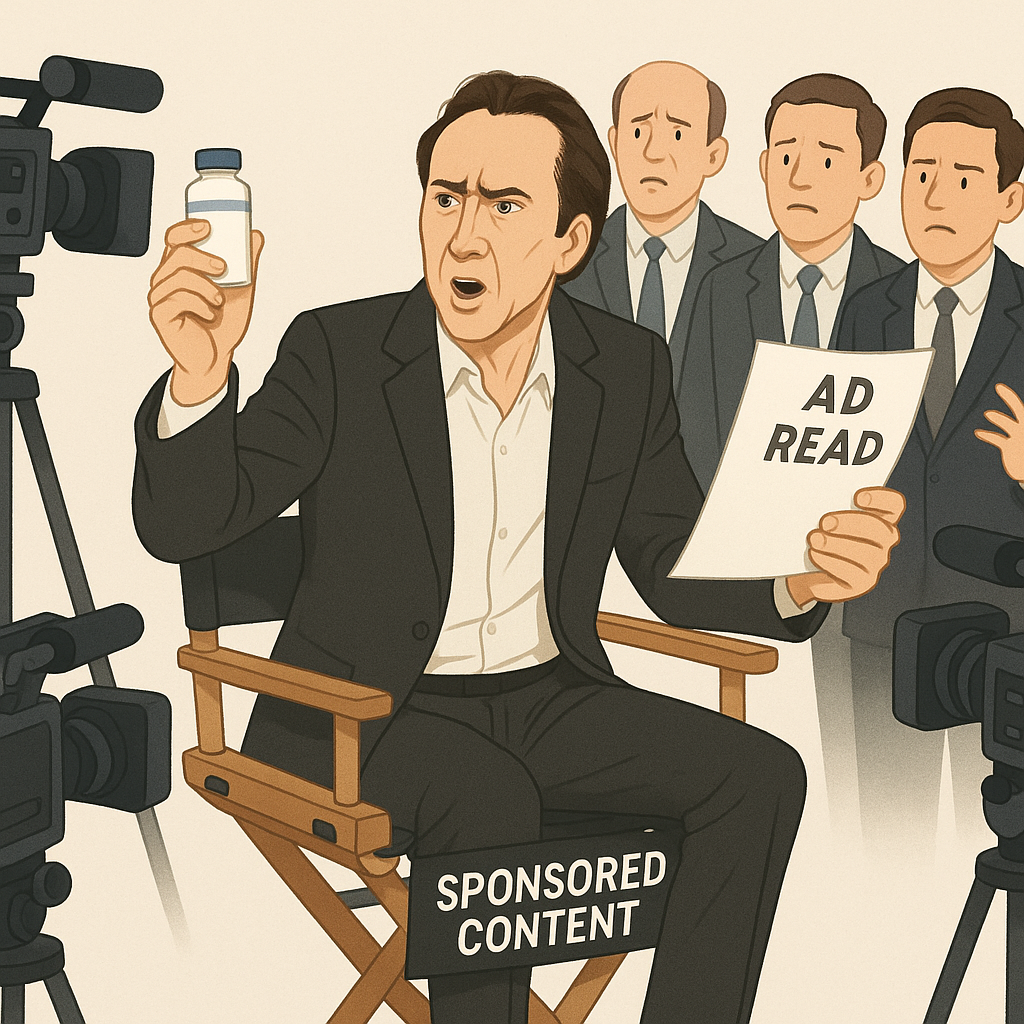
And then there’s Nicolas Cage, the wildcard who rounds out Tubefilter’s Top 5 list by simply existing on camera like a live‑action Easter egg. In this week’s featured branded spot, Cage appears as a meta version of himself, promoting a product while simultaneously making fun of the idea of promoting a product, and somehow still making you want to buy it.
“We’ve entered the Nic Cage singularity,” observed one media critic. “He’s now so self-referential that every new brand collab is technically a reboot of his own career, and audiences love it. It’s IP inside IP, with a promo code.”
Behind the scenes, YouTube itself is sitting quietly in the corner like a landlord who knows all the tenants are about to renovate for free. While Tubefilter tracks the top branded campaigns, Google’s servers are just counting the ad dollars and occasionally asking, “Hey, what if we fed all of this into an algorithm and let it decide foreign policy?”
Media buyers, previously content to argue over whether a 30-second TV spot should feature a CGI mascot or a relatable dad, have now fully transitioned to saying things like:
- “What’s our MrBeast risk exposure this quarter?”
- “Can we hedge IShowSpeed volatility with a stablecoin of mid-tier lifestyle vloggers?”
- “Is it too late to get Nic Cage to ironically endorse our bankruptcy?”
One CMO, speaking on background because his agency hasn’t told its legacy TV partners they’re already ghosts, broke it down like a portfolio strategy:
“MrBeast is your blue-chip: wholesome chaos, high production, massive reach. IShowSpeed is your high-beta meme stock: volatile but explosive upside. Nic Cage is your alternative asset: nobody understands why it works, but the chart just goes up whenever he yells about ancient artifacts or limited-time offers.”
Analysts say the rise of these YouTube branded behemoths is also quietly mutating the definition of advertising disclosure. FTC guidelines technically require creators like MrBeast and IShowSpeed to label sponsored content, but audiences appear to treat the word “Ad” as more of a collectible than a warning.
“If anything, the #ad tag is like a status symbol now,” said a social media researcher. “It reassures viewers that a proper corporation also believes in this video where a man fills a warehouse with bouncy castles and moral ambiguity.”
For brands, the Tubefilter ranking has become a sort of spiritual leaderboard. Landing in the same list as MrBeast, IShowSpeed, or Nic Cage is treated internally like a Super Bowl ad, except cheaper and with a higher probability that someone will watch it without walking away to microwave pizza rolls.
Corporate decks now routinely feature slides like:
- Objective: Embed our brand in culture like a stubborn meme.
- Strategy: Attach ourselves to someone with more subscribers than most countries have citizens.
- Measurement: Watch lift in sales correlate perfectly with timestamp where MrBeast screams our product name.
Regulators, for their part, are several seasons behind. While MrBeast gives away an island in exchange for 12 seconds of attention, and IShowSpeed live-reacts to a crypto exchange imploding in real time, a gray government PDF somewhere is still calmly defining “native advertising” using examples from 2014 BuzzFeed listicles.
There are early signs that this branded video arms race may eventually collapse under its own absurdity. Smaller creators report that brands now request “MrBeast-level impact on a Craigslist budget,” while agencies demand content that is simultaneously:
- Authentic
- Viral
- Brand-safe
- Edgy but not screenshot-able in a Senate hearing
Still, with Tubefilter’s weekly charts acting as a Wall Street Journal for the attention economy, nobody is seriously considering getting off the ride. If anything, Canada’s Prime Minister Mark Carney naming financier Mark Wiseman as ambassador to Washington (ABC News, Dec 2025) feels less geopolitics and more like a mid-tier collab compared to a MrBeast brand integration.
At the current pace, experts forecast the following timeline:
- 2026: MrBeast runs a branded video where the winner gets to rename a Fortune 500 company for 24 hours.
- 2027: IShowSpeed inadvertently becomes the spokesperson for a central bank after shouting over a rate announcement stream.
- 2028: Nic Cage is cast as “The Algorithm” in a biopic funded entirely by product placement.
And by 2030, when historians look back at how our culture was shaped, they’ll likely cite a quiet line from that Tubefilter piece on the “Top 5 Branded Videos of the Week: MrBeast, IShowSpeed, Nic Cage” as the moment we collectively agreed that governance, entertainment, and marketing were all just different difficulty settings on the same YouTube video.
Until then, keep watching. The next pre-roll might be your new economic policy.