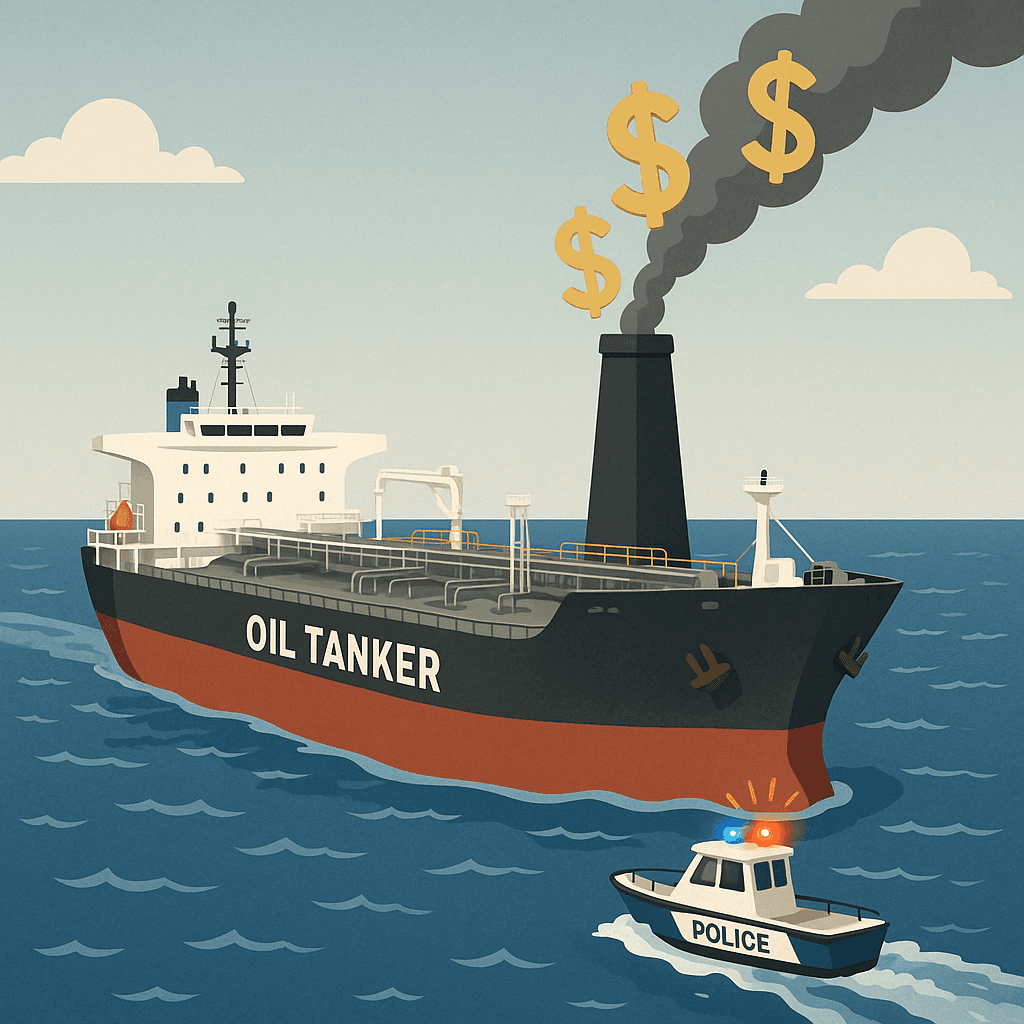
In a development that sent both oil markets and maritime lawyers scrambling for fresh buzzwords, the United States has seized a Russia-linked oil tanker chased all the way to the North Atlantic, reminding everyone that geopolitics is just high-frequency trading, but wetter. According to reports from the Henderson Dispatch and Postguam (Jan 2026), the vessel was intercepted after a cinematic pursuit that would have been a lot cooler if it weren’t primarily about customs forms and insurance exclusions.
On paper, the episode is about sanctions enforcement, Russian oil, and a tanker that apparently thought the North Atlantic was the maritime equivalent of going off the grid. In practice, it’s about money: who gets it, who launders it, and who pretends not to notice as long as the price of Brent stays under the “panic” threshold. As one anonymous shipping analyst put it, “Every seized tanker is just a poorly executed carry trade with extra diesel.”
The seized Russia-linked tanker, whose name mysteriously wasn’t emblazoned in 40-foot letters across the headlines, was reportedly transporting crude in violation of sanctions tied to Moscow’s ongoing adventures in “territorial reinterpretation.” The North Atlantic—usually reserved for storms, whales, and underperforming hedge fund managers trying to ‘disconnect’ on $30,000 wellness cruises—became the stage for a cat-and-mouse game involving U.S. authorities and an oil vessel doing its best impression of a tax exile.
Financial markets barely flinched. Oil futures twitched, shrugged, and went back to doing what they always do: pricing in war, climate catastrophe, and the possibility that OPEC+ will wake up one morning and decide to cosplay as a rational cartel. In trading desks from New York to London, the incident was immediately converted into three products:
- A volatility spike in tanker insurance premia
- An excuse for a new sanctions-compliance SaaS startup
- A dozen extremely serious white papers explaining that “this time, maritime risk is different”
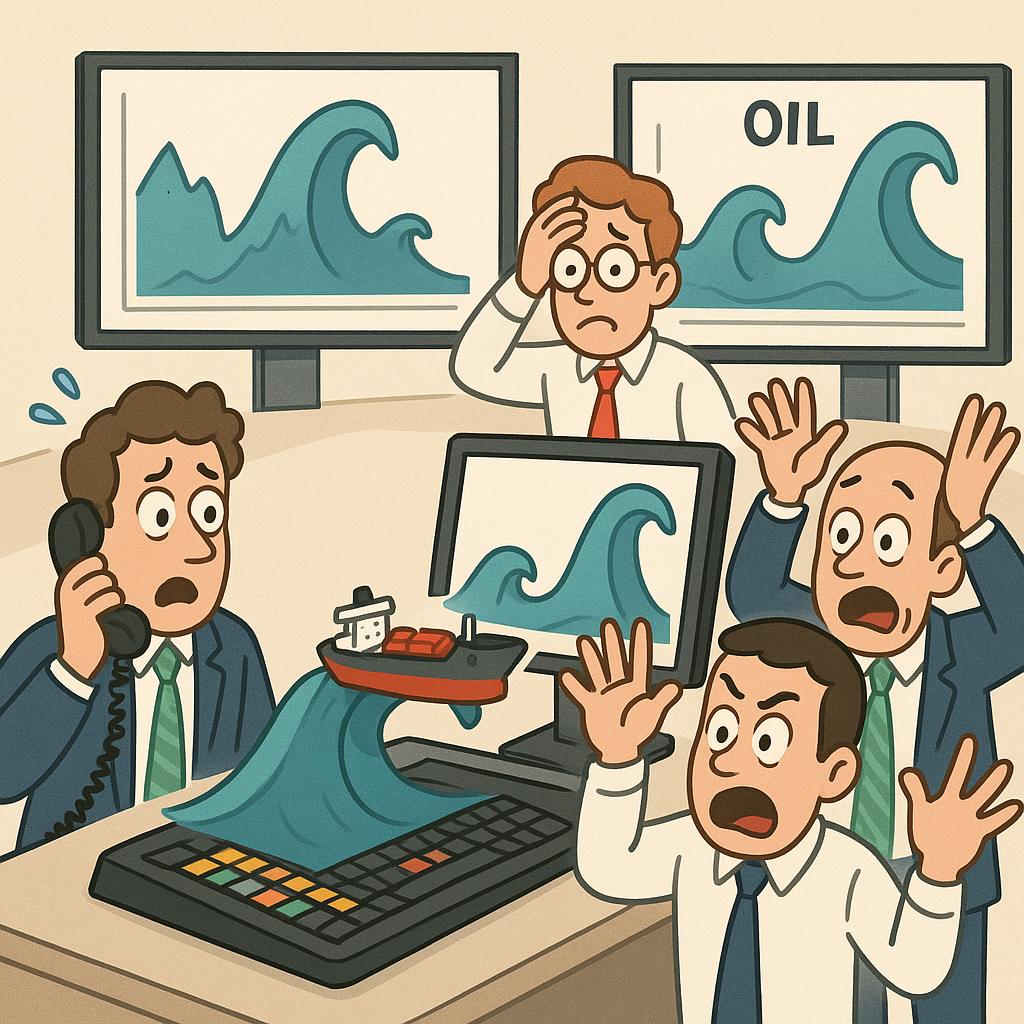
While Washington lawyers debated the fine points of jurisdiction on the high seas, marine insurers in London and Bermuda began doing what they do best: pretending they didn’t see this coming. One underwriter, speaking off the record because his syndicate hadn’t yet figured out how to re-price half its book without admitting incompetence, noted, “We modeled piracy, we modeled storms, we modeled port closures. We did not model ‘being tackled by the U.S. government in the middle of the ocean like a running back.’ That’s on us.”
Investors, meanwhile, did what investors do in 2026: opened a dashboard somewhere, filtered for ‘Russia-linked tanker risk,’ and tried to decide whether to buy the dip or write a Substack about it. Commodities desks that had spent months explaining why sanctions are already “priced in” now pivoted effortlessly to explaining why “secondary sanctions risk and extraterritorial maritime enforcement” are actually bullish for refiners with “optionality in non-transparent supply chains,” which is finance-speak for “we still have friends who know a guy.”
The seizure also sent a chill through the shadow fleet that has quietly emerged as the side hustle of choice for aging tankers and morally flexible shipping magnates. These lightly regulated vessels have been bouncing between ports like a traveling circus of plausible deniability, moving Russian crude from A to B via a very circuitous, totally legal, nothing-to-see-here route. When the U.S. slaps a handcuff on one of these ships in the North Atlantic, it’s less about that single load of oil and more about marking to market the risk of every other ship that looks, sails, or smells the same.
“Sanctions are basically compliance cosplay until someone’s tanker gets arrested,” said a New York-based sanctions attorney, adjusting his retainers and his retainer fee.
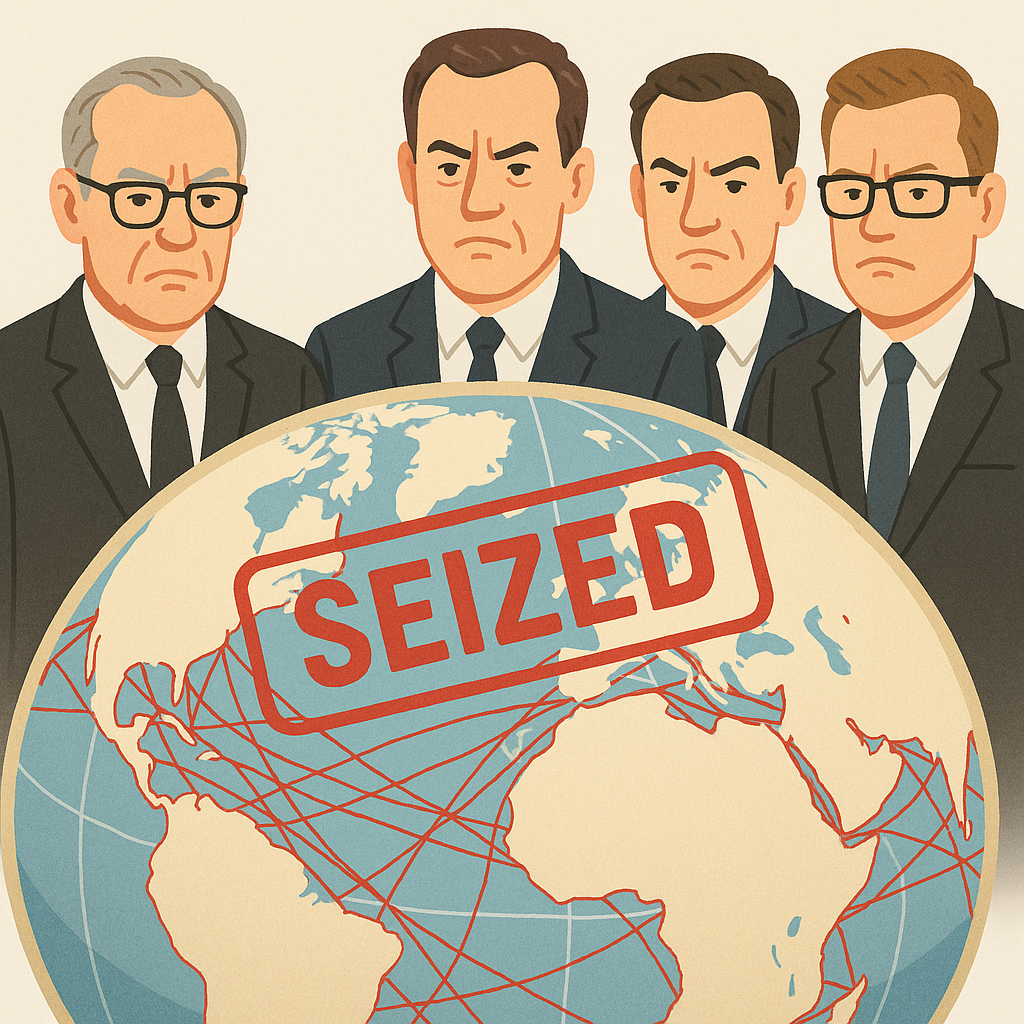
The irony is that the real drama isn’t happening on deck; it’s happening on spreadsheets. Charter rates for ‘clean’ tankers—vessels not obviously tainted by Russian business—are already drifting higher, as traders rush to demonstrate they are ethically transporting fossil fuels, the good kind of planetary arson. Meanwhile, discount rates for Russian-origin crude—already trading at a “you sure you want to be seen with me?” markdown—may widen further, providing juicy arbitrage for anyone with the right combination of courage, lawyers, and flags of convenience.
Mid-tier commodity houses, the ones that sell themselves as “nimble” and “opportunistic,” are reportedly split. Half are scrambling to scrub their shipping exposure before a U.S. acronym agency discovers their creative routing through Largely-Unknown-Stan. The other half are whispering to investors about “once-in-a-cycle mispricing” and “distressed cargo opportunities,” which is finance code for, “We might get sanctioned or we might get rich; either way, it’ll look great in a pitch deck.”
The broader business angle is even simpler: enforcement risk is about to become an asset class. Consultants are already workshopping terms like “Maritime Compliance as a Service,” “Ocean Risk Intelligence,” and “Seaborne KYC.” Expect an explosion of dashboards that put glowing red skull icons over the North Atlantic and sell subscriptions to anyone with a Bloomberg login and a fear of ending up on OFAC’s year-end wrap-up.
Of course, the US seizing a Russia-linked oil tanker in the North Atlantic doesn’t mean the flow of Russian crude stops. It just means the flow gets more creative—and more expensive. Every extra layer of risk, paperwork, shell company, and legal opinion adds a few more dollars to the final bill. That cost eventually shows up in one of three places:
- Your fuel surcharge
- Your utility bill
- The next inflation report that the Fed swears is “transitory, for real this time”
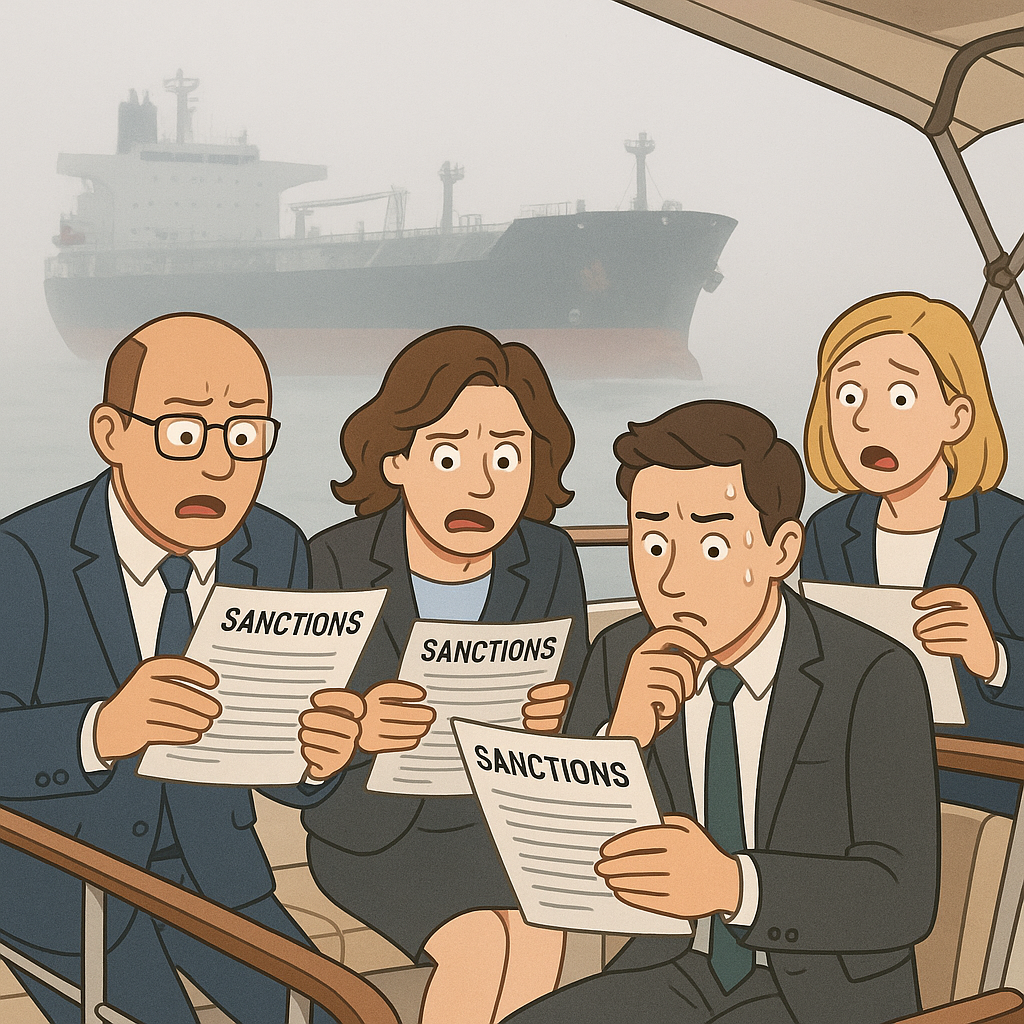
For Russia, the episode is an annoying reminder that selling oil while being semi-politely banned from selling oil is harder than YouTube economists make it sound. For the US, it’s a flex: a public demonstration that it can reach out and tap a ship on the shoulder anywhere from the Strait of Hormuz to the North Atlantic and say, “Nice crude you’ve got there, shame if something… regulatory… happened to it.”
For the business world, though, this is just another data point in the ongoing realization that geopolitics is no longer background noise; it’s a KPI. Tankers are now moving balance sheets, sovereign risk is moving freight rates, and some poor risk officer has to explain to a board committee why a line item called “potential mid-ocean asset confiscation” just got added to the quarterly report.
If you’re an investor, the playbook is depressingly familiar:
- Assume more enforcement is coming.
- Expect higher volatility in tanker names, energy traders, and insurers.
- Listen politely as every CEO insists they are “proactively reducing exposure” while secretly stress-testing how fast they can reflag half their fleet.
And if you’re just a regular person wondering what any of this has to do with your life, the answer is simple: next time you see your gas price tick up by a few cents, you might be paying for a very intense game of maritime tag in the North Atlantic. On the bright side, at least someone’s tanker is finally being held accountable. Your bank, sadly, remains at large.