By August 2026, No Binding Israel–Iran Lebanon Ceasefire Will Exist
My call: No jointly owned, Lebanon‑inclusive ceasefire framework that actually binds Israeli operations before August 15, 2026.
The Bet
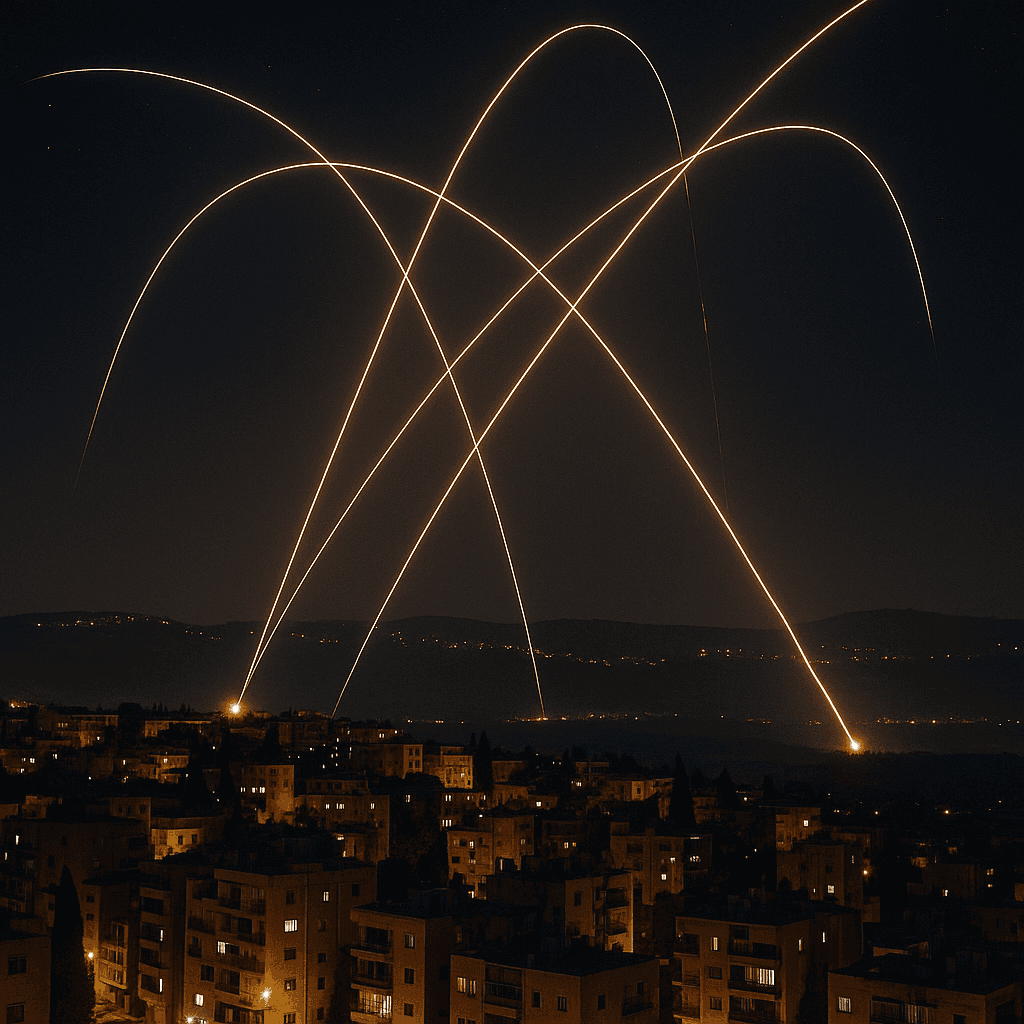
By August 15, 2026, there is no formal, Lebanon‑inclusive ceasefire that both Israel and Iran publicly own and that clearly constrains Israeli operations in Lebanon. The missiles lighting up the sky are a live‑fire reminder that everyone at the table still prefers leverage to limits, and paper that looks good in a Rose Garden photo more than clauses that actually bind anyone north of Metula.
There may be a statement about peace. There may be a ceremony, some flags, and Trump insisting he personally ended 3,000 years of Middle East content. Somewhere, a junior aide will be tasked with finding “historic” in twelve different fonts for the podium backdrop. But the specific thing at stake here, written in something more binding than vibes, is this: do Jerusalem and Tehran accept language that ties Iranian restraint to what the IDF does in southern Lebanon and Beirut’s suburbs, and do they do it on paper before mid‑August?
Consensus hopes the answer is yes. The signal says no. The latest missile exchange looks less like a prelude to a grand bargain and more like the region’s usual performance review: loud, expensive, and ending with everyone returning to the same job description.
Trump Wants A Headline, Not Handcuffs
Start with the loudest broker in the room. Trump is telling anyone with a microphone that Israel and Iran are “looking to do an immediate CEASEFIRE,” that talks are in “final” stages, and that he will call Netanyahu “right now” to tell him not to retaliate.
This is classic Trump diplomacy: the deal is always imminent, the superlatives are always maximal, and the text is always just offstage. His leverage is real, though. He has a Hormuz blockade to dangle, sanctions relief to trade, and a re‑election campaign that would love a tarmac handshake photo where he stands in the middle looking taller than everyone else.
That is exactly why the Lebanon piece will be thin. An explicit clause that limits IDF freedom of action in the north is the one thing guaranteed to blow up the optics in his own coalition and in Israel at the same time. The election‑year sweet spot is a deal he can sell as peace in English while it reads like strategic ambiguity in Hebrew and Farsi.
So, expect language about regional calm, respect for sovereignty, and the “cessation of hostile acts,” not a clean sentence that says: “Israel will halt strikes in southern Lebanon and Dahiyeh, and Iran will in return forego missile responses.” The more a clause sounds like a lawyer could enforce it, the less likely it is to survive the politics. The first draft might even dare to name specific Lebanese towns, right up until someone in the West Wing focus group asks whether those towns have voters.
Israel Will Not Sign Away Its Northern Trigger Finger
The domestic math in Jerusalem is even harsher. Netanyahu is already getting hammered at home for short‑lived ceasefires that seem to buy quiet for a week and then end with more rockets on the evening news. The collapse of the June “ceasefire plus security zones” plan in Lebanon did not build confidence in paper guarantees.
Inside Israel’s security establishment, Hezbollah’s arsenal in southern Lebanon and the reach into Beirut’s southern suburbs are not an abstract problem. They are the nightmare scenario every war game eventually circles back to. That is why the IDF has already been hitting Lebanese army units, Hezbollah operatives, and Dahiyeh targets, knowing full well it crosses political tripwires in Beirut and Tehran.
Now add this: any formal linkage that says Iran stops firing if, and only if, Israel stops striking Lebanon, functionally hands Tehran and Hezbollah veto power over IDF operations on the northern front. That is the kind of precedent Israeli planners spend their careers avoiding, right alongside the precedent where Hezbollah politely disarms because someone in New York printed a new map.
Can Netanyahu accept some performative nod to de‑escalation in Lebanon under heavy U.S. pressure? Of course. Can he sign a clear, time‑bound, verifiable limit on IDF strikes there, and then walk into an election explaining that Iran has a say over Lebanon targeting? That would require a degree of political security he does not have, plus a coalition that suddenly decided it likes reading fine print more than waving flags.
Tehran Needs Hezbollah Loud, Not Leashed
On the other side, Iran’s military command just said the quiet part out loud. Its Khatam al‑Anbiya HQ announced that attacks on Israel have “concluded,” provided Israel halts strikes in southern Lebanon and Dahiyeh. That is not a secret doctrine anymore. It is a public contract offer: you hit our proxy theater, we hit you directly.
That sounds like fertile ground for a structured ceasefire: codify the linkage, monetize it with sanctions relief, and wrap the whole package in a UN logo. The problem is the actor whose behavior actually has to change is the one that did not sign the April truce and already rejected the June security‑zone fix: Hezbollah.
Hezbollah has its own legitimacy to protect. It survives on the claim that it is the active resistance, not Iran’s quiet asset management firm. After weeks of loudly trashing the last ceasefire plan, it cannot pivot overnight into model compliance without burning through those credentials in Lebanon and the wider Arab public.
Tehran can lean hard on Hezbollah. It cannot turn it into a border‑policing NGO by mid‑August. Every rocket or drone that crosses into northern Israel after a signed ceasefire would invite demands that Iran punish its own proxy or resume firing. That is a loop Iranian leaders will try to keep entirely off the official ledger, the same way everyone politely pretends the “Axis of Resistance” is not just a very violent franchise model.
What We Will Probably Get Instead
There are a few realistic trajectories from this missile flare‑up to mid‑August. None of them feature a clean, formal, Lebanon‑binding ceasefire that both capitals wear proudly.
Base case: Israel and Iran step back from direct missile exchanges. Trump claims an “immediate ceasefire” and maybe a “historic peace” for good measure. The text, if we ever see it, focuses on direct Israel–Iran strikes and maybe some woolly language about calming “border tensions.” Hezbollah keeps up low to medium intensity fire. The IDF keeps hitting selected Lebanese targets. Everyone insists the deal is holding because no one wants to admit it never really covered Lebanon in the first place.
Escalation case: Netanyahu, under political and military pressure, retaliates more heavily in Lebanon or even inside Iran. The IRGC answers, arguing that Israel crossed the Lebanon red line. Talks in Washington stall. Any ceasefire is reduced to tactical passes so civilians can stock up on bread before the next siren.
Optimist case: Trump strong‑arms both sides into signing a document that explicitly names southern Lebanon and Dahiyeh, sets out limits for IDF and Hezbollah activity, and ties Iranian restraint to compliance. This would falsify my call. It would also require an alignment of domestic politics in Israel, Iran, the U.S., and inside Hezbollah that currently belongs in speculative fiction and, if we are honest, would probably still come with an annex that says none of this applies on weekends.
The smart watchpoint is the eventual wording of whatever “immediate ceasefire” gets announced. If it names specific Lebanese zones, spells out who can shoot what, and bears clear signatures or endorsements from both Israel and Iran, I am wrong. If it reads like an inspirational poster about peace in the region, I am still right.
The Satirical Fine Print
So here is the scorable bet, in plain language: through August 15, 2026, there is no formally announced framework that both Israel and Iran publicly own which explicitly puts operational limits on Israel’s actions in Lebanon, even if the border gets marginally quieter.
There might be de‑facto restraint. There might be fewer missiles on television. There will certainly be a leader somewhere declaring that the Middle East has finally chosen peace. But on the piece of paper that counts, Lebanon will be present mostly as a metaphor, a word you insert between commas when you want a deal to sound comprehensive without actually becoming one.
The region is not pivoting from proxy war to rule‑based order. It is upgrading from unspoken understandings to slightly more photogenic ones, with Lebanon still in the fine print and the lawyers paid by the hour to keep it there.
Tomorrow’s press release will look fantastic. The problem is that missiles do not read Truth Social, and neither does Hezbollah’s operations room, which continues to treat ceasefire language as a genre of speculative fiction roughly on par with climate targets and budget discipline.
Around the Shallot
Stay in the same broken universe.
Forecasts, satire, cartoons, and quizzes should feel like one publication, not disconnected tabs.

Tech
‘Don’t Regulate Us,’ Beg AI Founders Currently Selling Regulation-As-a-Service
Silicon Valley hails Trump’s plan to let AI companies write their own rules, promises to sell those rules back to everyone else by Q4.
Oct 11
Forecast
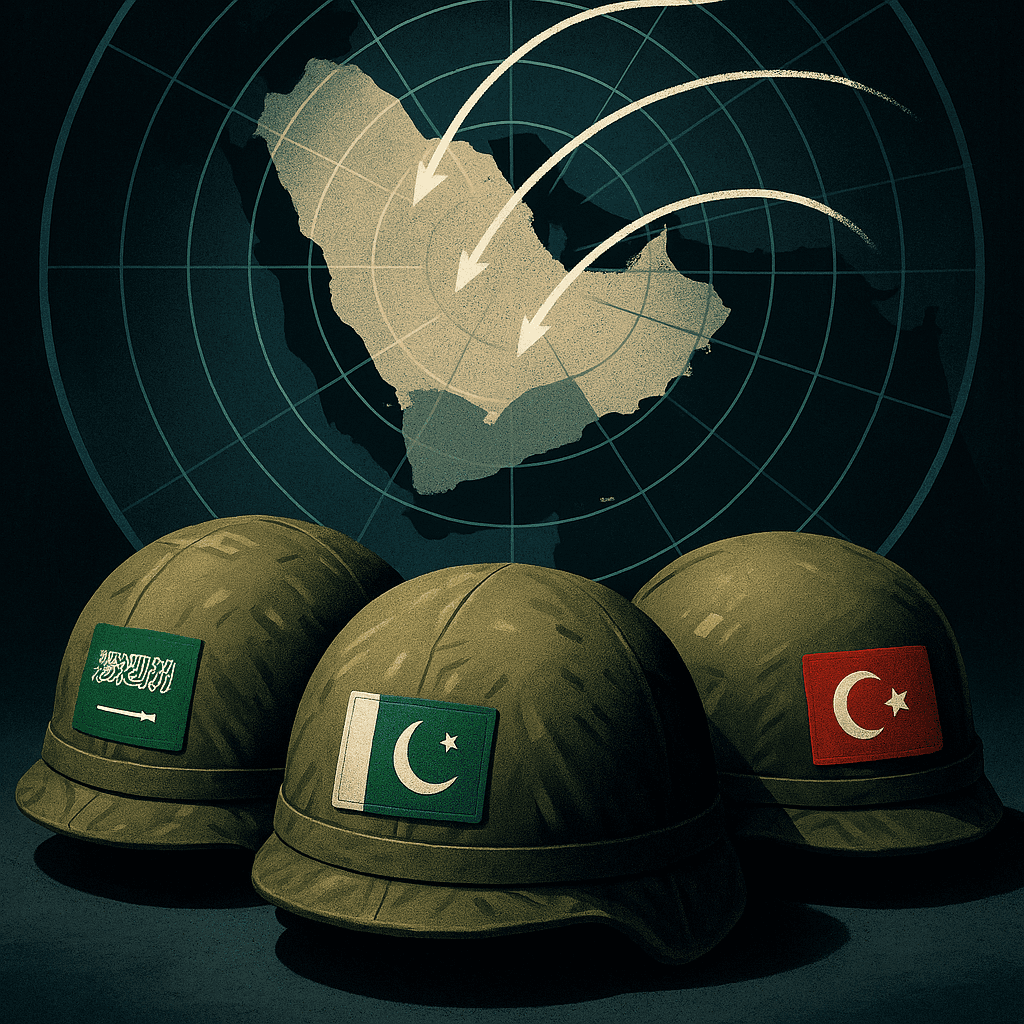
Through December 10, Houthis Won’t Damage Pakistan or Turkey Infrastructure
The Mecca Defense Pact just put two more flags on the Saudi firing chart. The consensus panic says this widens the war within weeks. The signal says the Houthis will talk big, hit Saudi and the sea, and leave Pakistan and Turkey’s hard targets alone for this 60 day window.
Comments
Be the first to comment.