U.S. and Iran Won’t Hit Gulf Energy or Nuclear Sites Soon
My call: for the next 60 days, the red lines hold and the missiles stay off major oil and nuclear targets.
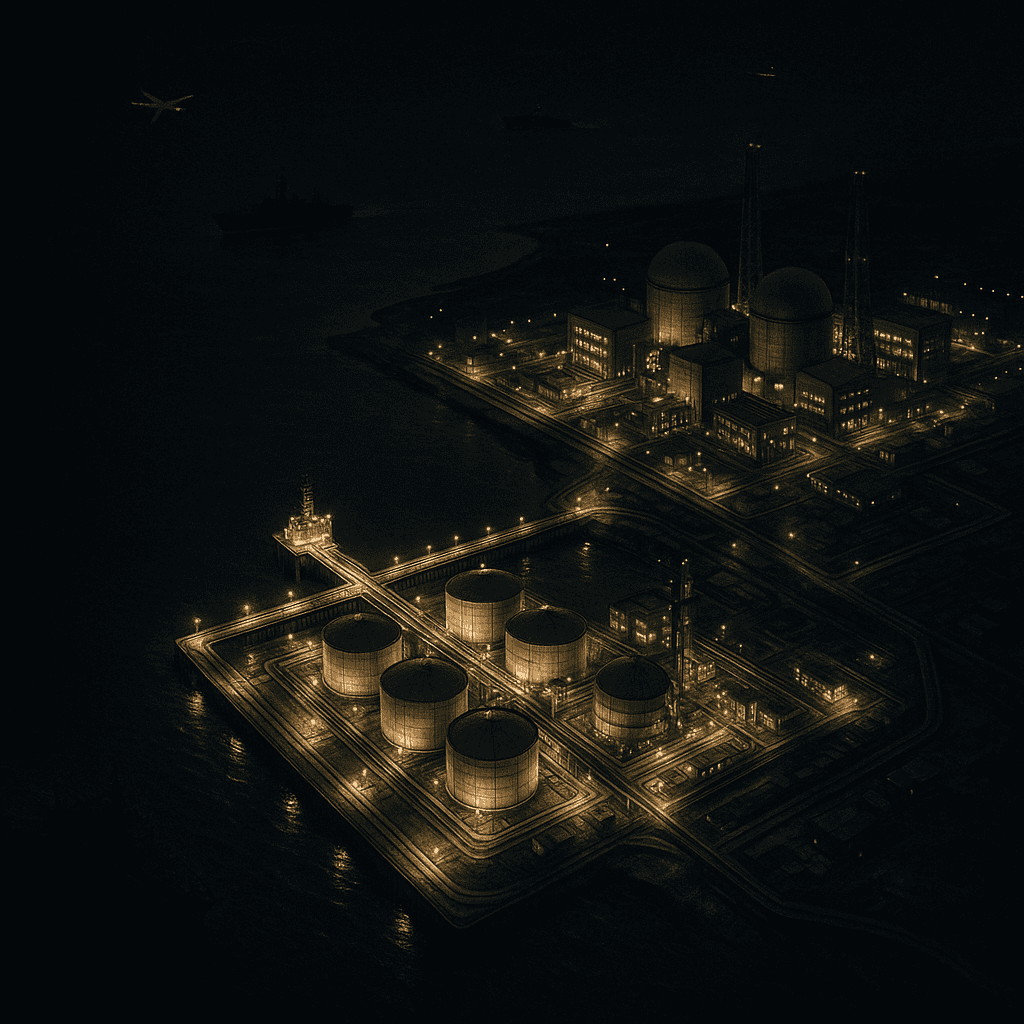
My call: the oil stays on and the reactors stay intact
The consensus script says we are one drone mishap away from missiles slamming into Gulf export terminals or Iranian nuclear halls. The signal points somewhere less cinematic and more annoying: sixty more days of calibrated violence that hits everything except the stuff that would tank the global economy on live TV.
My call: through roughly the next two months, neither Washington nor Tehran, nor the proxies they actually answer the phone for, crosses the line into a clear, attributable kinetic strike that materially damages major Gulf oil and gas export infrastructure or Iranian nuclear facilities. You may get harassing drones, scorch marks on a storage tank, or a mysteriously clumsy cyberattack. You do not get a repeat of Abqaiq or a new Natanz.
That is a bet with teeth. It can be scored. Either we see real, documented damage that disrupts output or nuclear operations, or we do not. No spin, no vibes, just satellite imagery and operator reports that look like they were pulled from a very stressed Excel sheet.
The fight is real, the target set is curated
Start with what is already happening. The United States is striking inside southern Iran and taking out missile and mine laying assets while its diplomats make small talk in Doha. Iran has shot down a U.S. drone and even fired at a fighter jet during what was sold as a ceasefire period. No one is pretending this is peace.
Yet look at the aim point. The pattern is almost obsessively narrow: military hardware, proxy infrastructure, and harassment in and around shipping lanes. The conflict is hot enough to prove resolve, cold enough to keep tankers moving and reactors humming.
The reason is simple and unromantic. Blowing up critical energy or nuclear sites is not just an escalation. It is a category change. Once a major export terminal, LNG plant, or enrichment hall eats a missile, leaders run out of ways to pretend the war is limited. That pulls in Europe, China, India, and every finance minister whose job is tied to the Brent price.
Washington knows this. Tehran knows this. Riyadh and Doha remind both of them weekly, often while circling key numbers on a laminated chart of fiscal breakeven oil prices.
Why the red lines probably hold
There are four big anchors on a direct hit to core infrastructure in the 60 day window.
First, neither side wants the big war. U.S. voters are allergic to another Middle East campaign. Iran is crawling out of an 88 day internet blackout after crushing protests. Its rulers need to look tough abroad without inviting the kind of economic shock that sends their streets back into motion. A spectacular strike on Gulf exports or an Iranian nuclear facility is the shortest route to that nightmare.
Second, the money sits on the coastline. Gulf producers have staked their futures on being the boring, reliable part of the global system. Their entire foreign policy is now a glorified uptime guarantee. They are pushing hard to keep talks alive, whispering in Washington, Tehran, and increasingly Beijing: fight if you must, but do it somewhere that is not our loading berths.
Third, there is still bargaining going on. Iran is floating the idea of shipping enriched uranium to China. You can read that as a nuclear goodwill gesture, a leverage play, or a loyalty oath to Beijing. All three interpretations require the facilities to still be standing. The moment bombs start landing on centrifuge halls, the diplomatic chessboard flips and everyone reaches for the simpler game called retaliation.
Fourth, there are safer ways to show pain. Cyber operations, harassment of drones and warships, proxy attacks on bases and marginal infrastructure: these are the calories both sides keep burning. They deliver headlines and martyrs without forcing a system wide crisis. As long as those tools are still judged effective enough, the jump to hitting Abqaiq scale or Natanz scale targets stays irrational inside the current incentives.
The people who might break it
None of this is guaranteed. The story is interesting precisely because there is a plausible disaster path.
Hawks in Washington, including voices like Representative Brian Mast, argue that limited strikes have not tamed Iran and that only sharper pain will restore deterrence. On the other side, Iranian hardliners, cushioned by the Revolutionary Guard’s own business empire, treat tanker fires and base hits as sunk costs. Both camps are, at heart, escalation enthusiasts.
Then there is Israel. If Israeli leaders decide that U.S. Iran talks are freezing in an intolerable nuclear status quo, they have a history of taking matters into their own fighter bays. That risk is baked into any forecast that touches Iranian nuclear sites. It is the single biggest spoiler for my call.
Finally, proxies and accidents exist. An Iran aligned group in Iraq or Yemen does not need a presidential finding to mis-aim a drone at an export facility. A misread radar return over the Gulf could put a crewed aircraft in the water. Enough body bags in the wrong capital and the pressure to "hit something that matters" spikes fast.
So why am I still on the conservative side of catastrophe for the next sixty days? Because even the hawks tend to talk infrastructure, not hit it, when oil markets are already jumpy and elections are on the calendar. Threatening a refinery is free. Rebuilding one is not, especially when every finance ministry has already promised three different electorates that prices will somehow stay low and investments high.
How to tell if this forecast is dying in real time
If you want an early warning system for when my bet is in trouble, watch three things.
- Target drift. Do strike claims stay focused on launchers, depots, drones, and proxy camps, or do we suddenly see tankers, loading terminals, main pipelines, refineries, LNG plants, or named nuclear sites in the communiqués?
- Force buildup at chokepoints. Unusual concentrations of Iranian anti ship missiles and drones near key export routes, or U.S. deployments explicitly framed around "protecting infrastructure," mean the board is being rearranged.
- Formal red lines cracking. Congressional hearings or Israeli briefings that start talking openly about the legitimacy of hitting Iranian energy or nuclear sites, and Iranian officials reciprocating in public about "vital facilities" in the Gulf, tell you the taboo is being pre-broken.
If, instead, the next two months bring more of the same small, containable violence, plus a few inscrutable stories about uranium on ships and envoys shuttling to Doha, then the boring outcome wins. Infrastructure warfare stays in the speeches, not in the imagery.
The satirical verdict
So here is the scoreable line: through the next 60 days, no clearly attributable U.S., Iranian, or state directed proxy strike will inflict material physical damage on major Gulf oil and gas export infrastructure or on Iranian nuclear related facilities. Minor scrapes do not count. If a facility can be patched over a long weekend and output barely twitches, I am still right.
If I am wrong, you will know. Your newsfeed will be all fireballs and price charts, and officials will rediscover words like "unacceptable" between crisis summits. Until then, expect the shadow war to stay artfully off target. In this conflict, everyone is prepared to fight to the last piece of infrastructure that is not actually systemically important, as long as someone else picks up the catering bill for the emergency summit.
Around the Shallot
Stay in the same broken universe.
Forecasts, satire, cartoons, and quizzes should feel like one publication, not disconnected tabs.

Tech
‘Don’t Regulate Us,’ Beg AI Founders Currently Selling Regulation-As-a-Service
Silicon Valley hails Trump’s plan to let AI companies write their own rules, promises to sell those rules back to everyone else by Q4.
Oct 11
Forecast
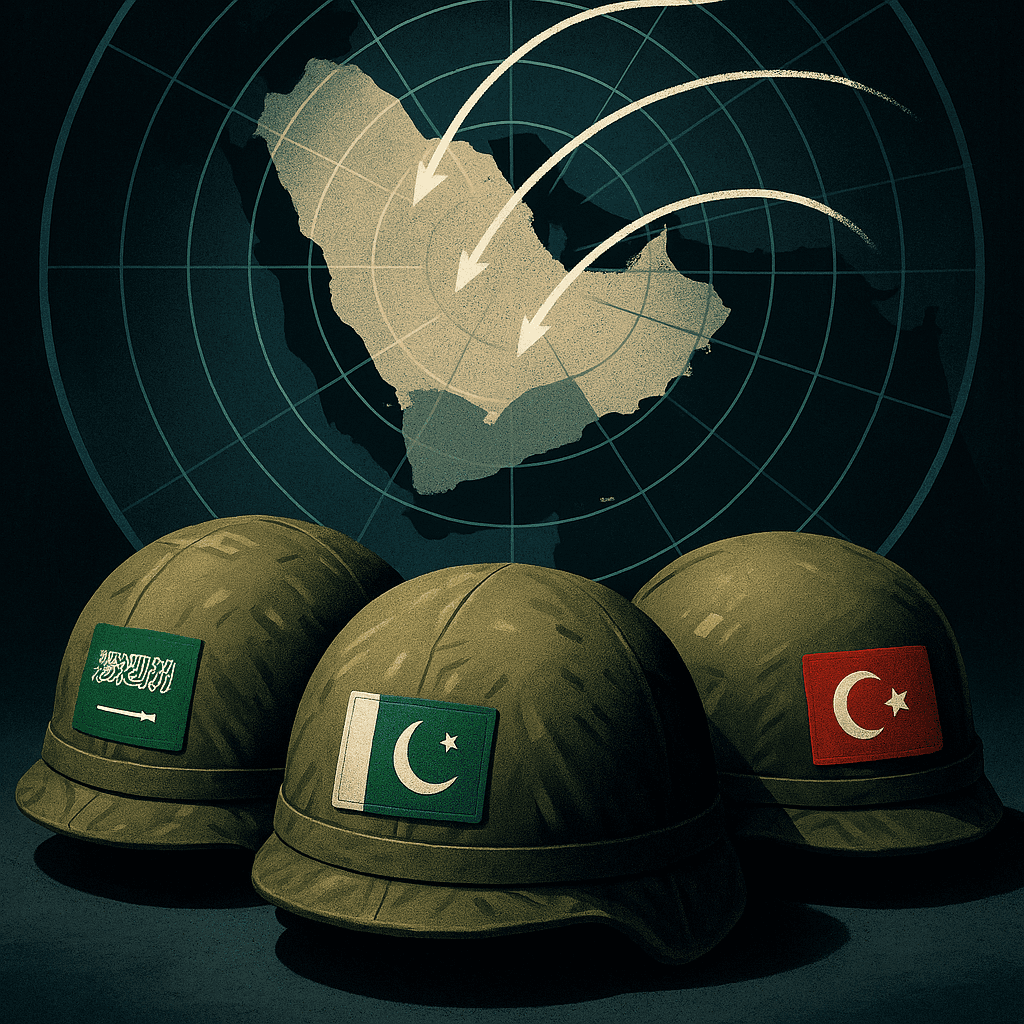
Through December 10, Houthis Won’t Damage Pakistan or Turkey Infrastructure
The Mecca Defense Pact just put two more flags on the Saudi firing chart. The consensus panic says this widens the war within weeks. The signal says the Houthis will talk big, hit Saudi and the sea, and leave Pakistan and Turkey’s hard targets alone for this 60 day window.
Comments
Be the first to comment.