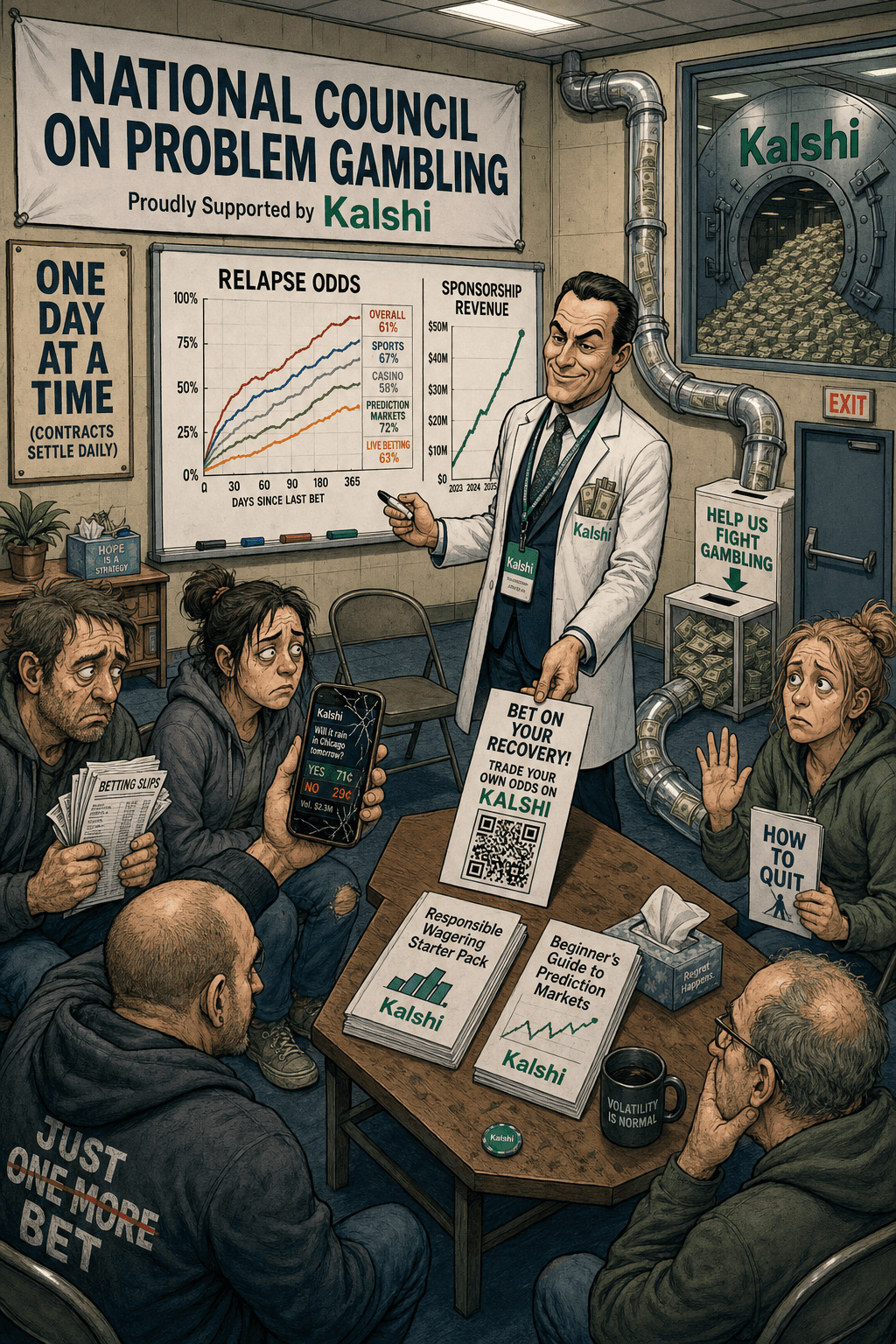
U.S. and Iran Won’t Sign Lebanon Ceasefire Deal Within 60 Days
My call: there will be no formal U.S.–Iran ceasefire that explicitly folds in Lebanon within the next 60 days.
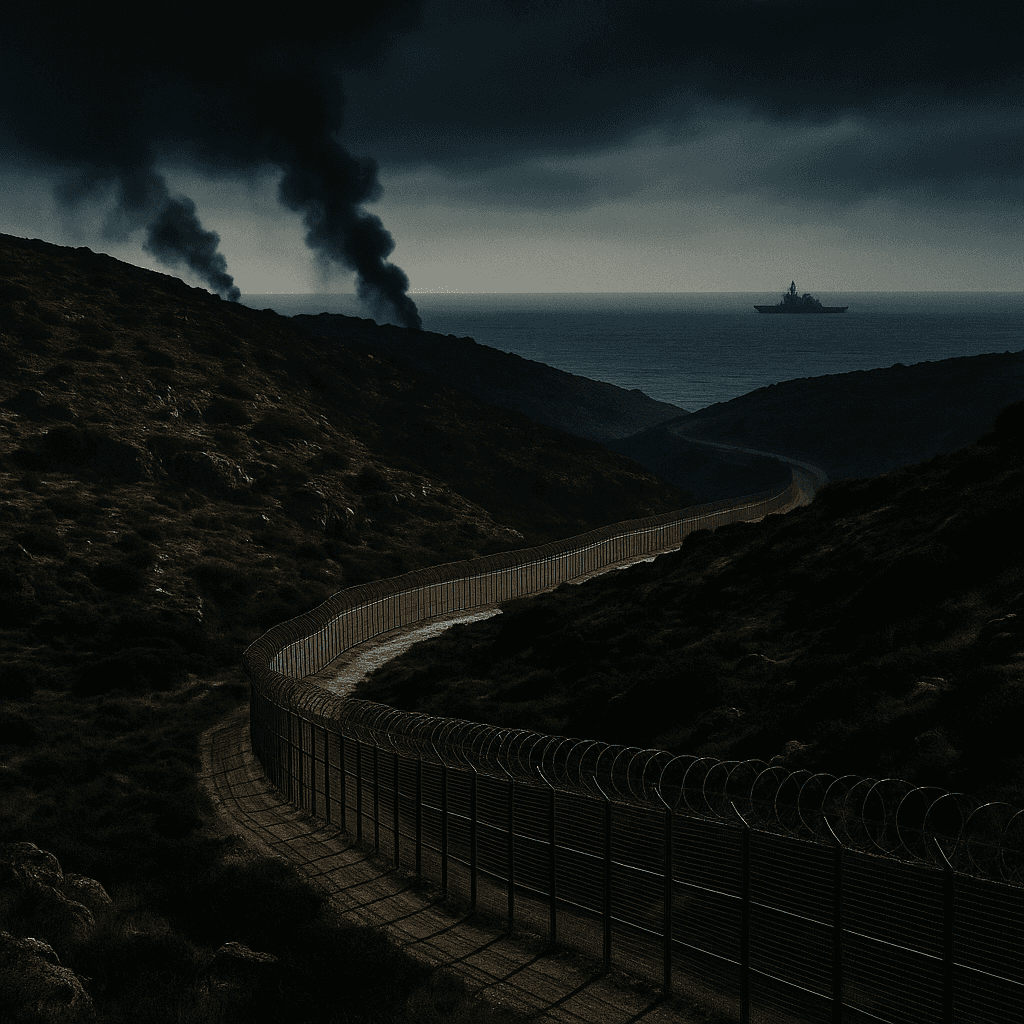
The Call: No Lebanon Clause, No Deal
Within the next 60 days, the United States and Iran do not sign and publicly announce a formal ceasefire agreement that explicitly includes Lebanon with real, scorable rules for Hezbollah and Israel.
We will get speeches, leaks, and probably another Trump tease about a deal "over the weekend." What we will not get is a clear U.S.–Iran document that says, in effect, "Lebanon is covered, here are the terms, here is what Hezbollah and Israel can and cannot do."
Lebanon is not the bridge to a deal. It is the excuse to keep the bridge closed and charge everyone standing on it a processing fee in diplomatic small talk.
The Driver: Two Maps, One Border
On paper, the U.S. just engineered a neat little ceasefire framework between Israel and Lebanon. It says Hezbollah stops firing, pulls fighters north of the Litani River, accepts pilot security zones inside Lebanon, and eventually contemplates something that sounds a lot like disbanding.
In public, Hezbollah calls this "Satan's dream in heaven," which is a poetic way of saying "absolutely not." Tehran backs that up and adds a price tag: no Lebanon ceasefire on our terms, no broader deal with Washington on anything that matters, from the nuclear file to the Strait of Hormuz.
So the maps are flipped:
- U.S.–Israel–Lebanon map: Lebanon is a local issue, Hezbollah steps back, borders get monitored, the Iran war is separate.
- Iran–Hezbollah map: Lebanon is the hinge, Israel withdraws, Hezbollah keeps its posture, and Washington pays to reopen Hormuz and talk nukes.
You do not bridge that in 60 days with a cleverly worded paragraph. You bridge it with one side eating a visible loss. No one at this table is on a diet.
Trump’s Holding Pattern Is the Policy
Trump sold the Iran war as a quick in and out. Three months later, he is defining a ceasefire as "when you are shooting in a more moderate manner" and saying he can keep the naval squeeze until Labor Day.
A tentative 60 day extension is already drafted. It needs his signature. Instead, he wants "changes" that Iran has no incentive to accept. He does not want to restart heavy bombardment, which is expensive and politically risky. He also does not want to sign anything that can be branded as weak on Hezbollah or a giveaway on Hormuz before November.
So he has discovered the modern American middle ground: permanent brinkmanship dressed up as "final stages" of a deal.
That posture makes a formal Lebanon inclusive text less likely, not more. To get an explicit Lebanon clause, Trump has to own the trade. Much easier to keep Lebanon in the fine print of someone else’s joint statement and let the Pentagon call every new strike "self defense" inside an allegedly intact ceasefire.
Tehran’s Lebanon Gambit
Iran is also in no rush to tidy this up. The regime has two big bargaining chips: high grade uranium and a stranglehold on the Strait of Hormuz. Talking seriously about either means pricing those chips. So Tehran has found something to talk about instead.
Enter Lebanon. Iranian officials repeat that a Lebanon ceasefire is a precondition for progress. Hezbollah’s leaders slam the U.S. framework, demand full Israeli withdrawal, and refuse any constraints south of the Litani. The message is simple: if Washington wants calm in Lebanon, it must pay in sanctions relief and maritime relief, and preferably without digging too deeply into Iran’s nuclear stockpile.
Meanwhile, Iran tests the edges: missiles and drones on Kuwait and Bahrain, harassment around Hormuz, proxy pressure where it can get away with it. Enough to remind everyone that costs are rising, not enough to blow up the claim that a ceasefire still exists.
That is not the behavior of a government rushing to lock in a written, enforceable peace that limits its favorite lever in Lebanon.
The Comfortable Stalemate
On the ground, the pattern is clear. Hezbollah keeps attacking northern Israel, but at a lower tempo. Israel hits targets in Lebanon, avoids Beirut. The U.S. and Iran trade strikes, then immediately brief reporters that the ceasefire is still intact. Hormuz is constrained, not closed. Fuel and food prices stay painful, not catastrophic.
Everyone insists the situation is intolerable. Then everyone tolerates it.
This is what a "managed stalemate" looks like in 2026: war by thermostat. Turn the temperature up with a drone strike here, a rocket barrage there. Turn it down with an off the record assurance to a wire service that talks are ongoing.
In that world, a hard edged piece of paper that says what happens in Lebanon is not a tool. It is a liability. It creates a date on which someone can be accused of betrayal. It creates a clause someone can be caught violating. Better to live in the fog, where every red line is also a suggestion and every explosion is "consistent with de escalation."
What Would Prove This Wrong
Here is what would falsify this forecast: a public U.S.–Iran document, within 60 days, that explicitly treats Lebanon as a covered front. That means it does at least one of the following in clear language:
Names Hezbollah or the Litani River or Lebanese security zones, and ties specific restraint by Hezbollah and Israel to the continuation of the U.S.–Iran ceasefire or to steps on Hormuz or sanctions.
Vague lines like "cessation of hostilities on all fronts" without saying who and where do not count. Those are press release fog, not rules of engagement.
Could we get a face saving mini deal that pretends to cover Lebanon while dodging all the specifics? Yes. Could Trump suddenly decide he needs a "peace" headline before Labor Day and lean into that ambiguity? Also yes. That is the high variance scenario to watch.
The tell will be if we see any actual movement on the hard stuff: Hezbollah quietly pulling back north of the Litani, Iranian rhetoric softening from "total Israeli withdrawal" to "progress," Washington and Tehran resuming nuclear or Hormuz talks before a Lebanon breakthrough. Right now, none of those needles are moving.
The Stakes: Lebanon as Prop and Prize
Lebanon itself is caught in the middle. Its government signed on to a ceasefire framework it does not control, its most powerful armed group answers to a foreign capital, and its territory is the stage on which everyone else signals resolve.
If this forecast is right, the country spends the next two months as a kind of geopolitical set piece: important enough to mention in speeches, not important enough to be granted an actual, enforceable peace as part of the U.S.–Iran file.
By the time the 60 days are up, expect the same characters to reappear at the podium, announcing that a deal is once again just days away, while some junior spokesperson solemnly reassures the world that the shelling along the border is merely "technical noise" in an otherwise promising peace process.
Around the Shallot
Stay in the same broken universe.
Forecasts, satire, cartoons, and quizzes should feel like one publication, not disconnected tabs.
Tech
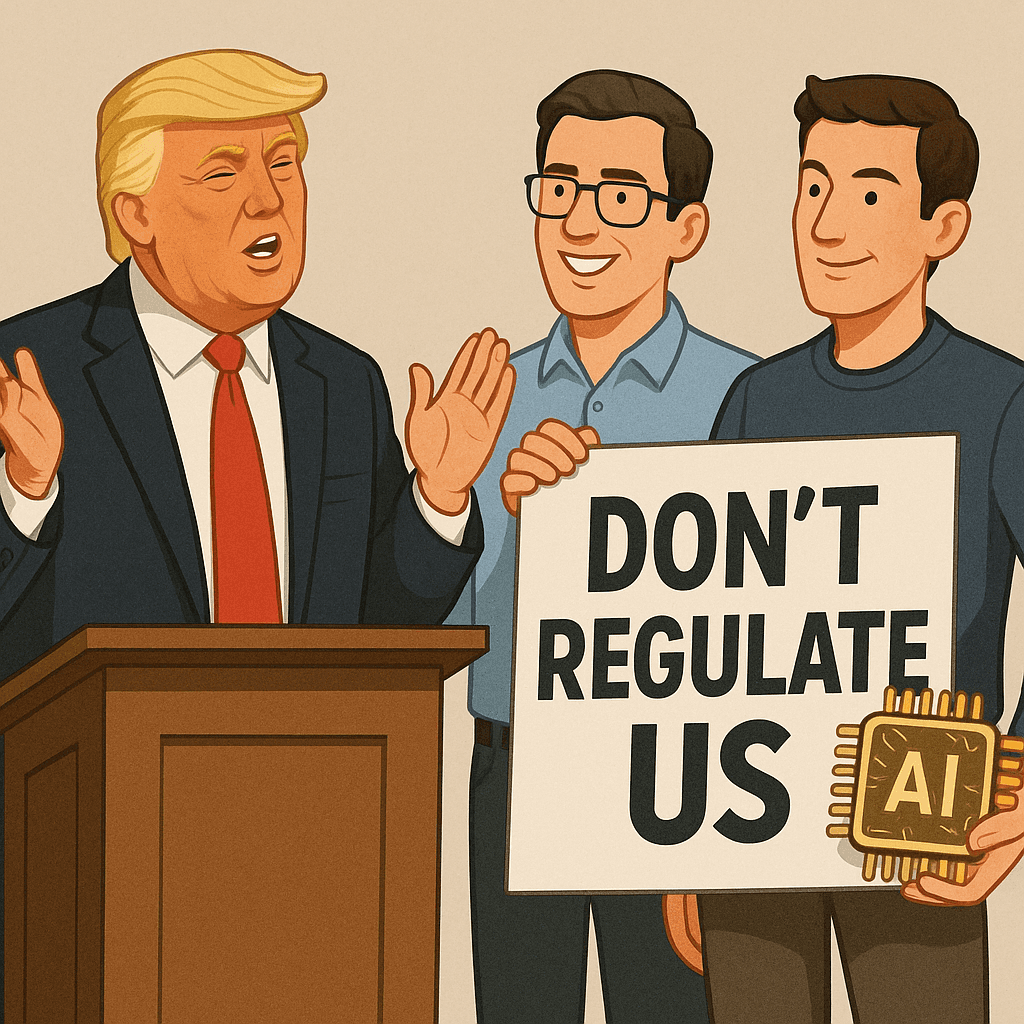
‘Don’t Regulate Us,’ Beg AI Founders Currently Selling Regulation-As-a-Service
Silicon Valley hails Trump’s plan to let AI companies write their own rules, promises to sell those rules back to everyone else by Q4.
Oct 11
Forecast
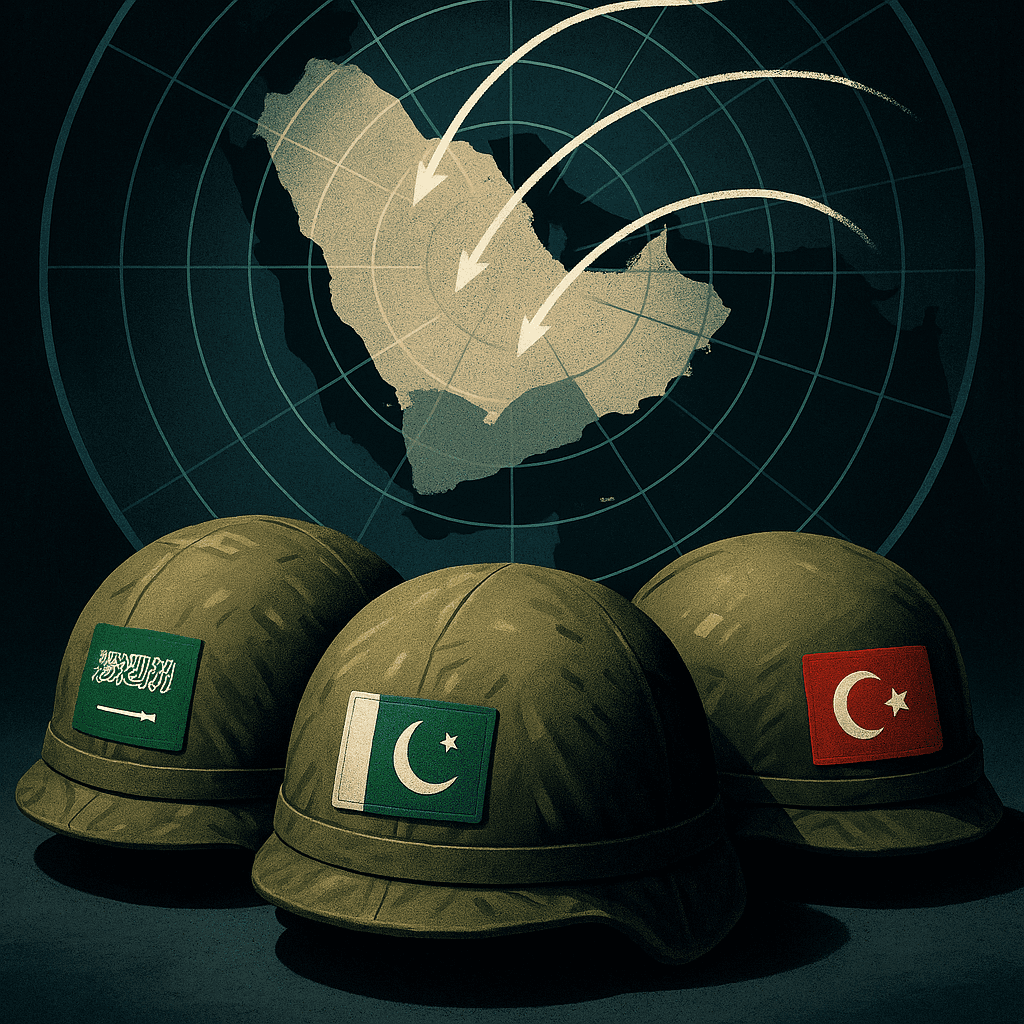
Through December 10, Houthis Won’t Damage Pakistan or Turkey Infrastructure
The Mecca Defense Pact just put two more flags on the Saudi firing chart. The consensus panic says this widens the war within weeks. The signal says the Houthis will talk big, hit Saudi and the sea, and leave Pakistan and Turkey’s hard targets alone for this 60 day window.
Comments
Be the first to comment.