U.S.–Iran Gulf Ceasefire Will Limp On, Not Officially Collapse, Through 2026
My call: the Gulf ceasefire limps through August 31, 2026, without a clearly acknowledged U.S.–Iran war, even as the shooting never really stops.
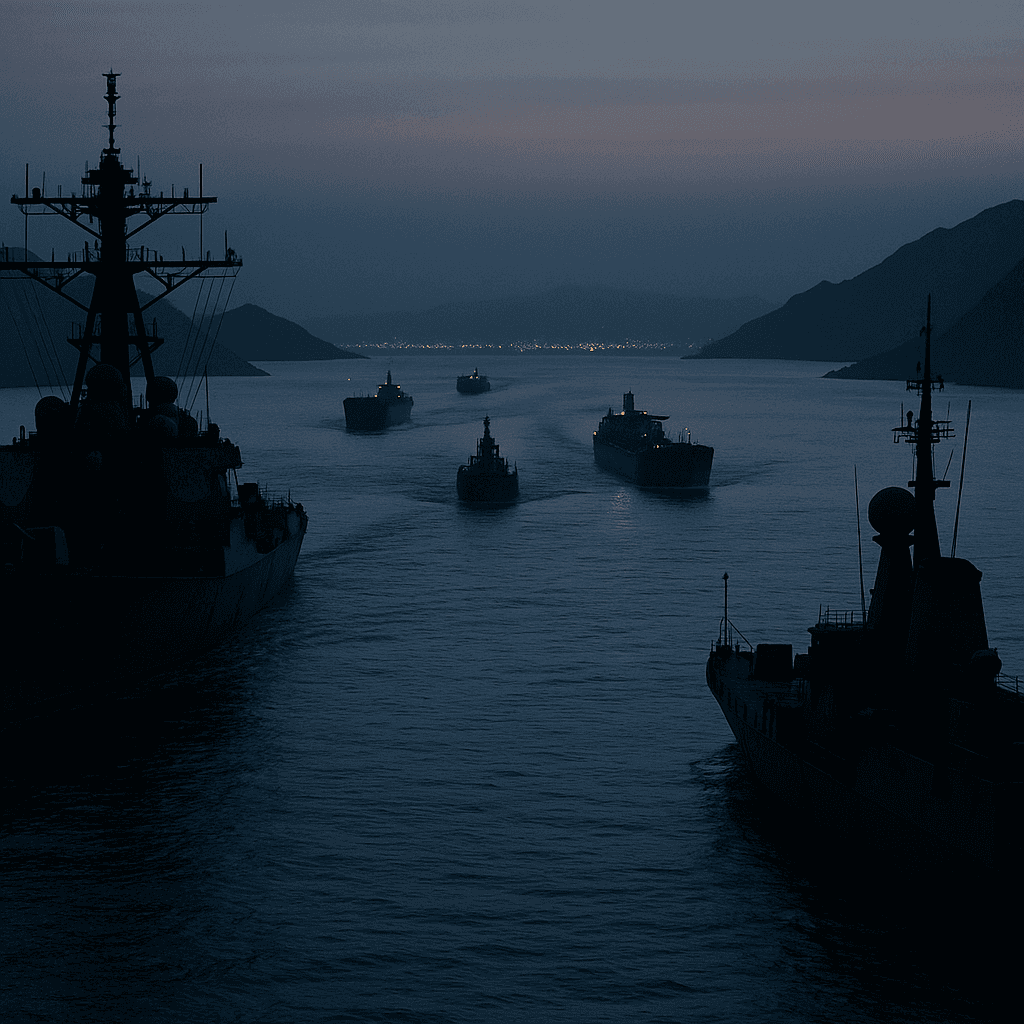
The U.S.–Iran Gulf ceasefire staggers, coughs, and lies about its age, but it does not formally die before August 31, 2026.
No new, clearly acknowledged U.S.–Iran war. No named air campaign 2.0. Just a lot of things that look, sound, and occasionally explode like war while everyone involved swears it is still a ceasefire, the diplomatic equivalent of insisting a burning ship is "under control" because the captain still has the clipboard.
Trump's Red Line Has an Asterisk
The consensus story in Washington is simple. Trump drew a red line: if Iran or its proxies kill American troops, the ceasefire is over and the bombers go back on shift.
On paper, that sounds clear. In practice, it is written in disappearing ink.
Trump has three problems if he really wants to restart full scale war in the Gulf this summer.
First, Congress finally remembered it has war powers. The House just passed a resolution that tells him to either get approval or bring forces home from the Iran theater. Even if the lawyers can squirm around it, the politics are loud enough to hear in Tehran.
Second, the Pentagon's magazine is not as full as the talking points. After burning through munitions in round one, planners are muttering about three year timelines to rebuild key weapons stocks. That does not mean the U.S. cannot hit Iran again. It means a long, grinding replay would be costly and unpopular with the people who actually have to plan it.
Third, and most important to Trump, he needs a win he can name and sell, not a quagmire he has to explain. He has spent months telling voters Iran's navy is at the bottom of the ocean, its nuclear sites are toast, and its economy is strangled by "one of the most successful naval blockades in history." Hard to pivot from that to "actually we need a fresh war" without admitting the first round did not do the job.
So yes, he has a red line. He also has every incentive to ask, in the moment, whether a deadly attack was really Tehran's fault, whether it was an out of control militia, and whether this counts as crossing the line or just "shooting in a more moderate manner," his own definition of ceasefire in that "different part of the world." The red line exists, but so does the White House industrial complex for creative synonyms for "not technically war."
Tehran Wants Pain Relief, Not Surrender
On the other side, Iran is not exactly basking in victory. Its navy has been shredded, key nuclear sites have been hit, and the economy is wheezing under sanctions and a blockade.
Yet when you look at what matters most to the regime, the core leverage is intact:
- Enrichment capability
- Ballistic missiles
- Proxy networks from Iraq to Lebanon
- The ability to make the Strait of Hormuz extremely exciting for oil markets
Iran's calculation is brutally rational. It believes the only way to deter future attempts at regime threatening pressure is to keep those tools intact. Nuclear potential, missile arsenals, and proxy forces are not bargaining chips, they are life insurance.
That is why the emerging compromise looks so thin. The likely interim deal reopens Hormuz, gives everyone some economic oxygen, and wraps Iran's enrichment in "ambiguous" language. Missiles and proxies are mostly kicked to a "phase two" that nobody involved expects to ever see.
From Tehran's view, that is fine. You get some sanctions relief and market calm, and you keep the actual deterrent. You also keep the option to turn the temperature up a few notches with deniable attacks if negotiations stall, so long as you avoid the one thing that truly forces Trump's hand: a high visibility, clearly attributable mass casualty event involving U.S. troops.
The Business of Managed Conflict
Strip away the speeches and what you get is an emerging business model for the Gulf: managed conflict.
The interim Hormuz focused deal is designed to do three things.
One, it reopens shipping lanes enough to calm global markets and Gulf monarchies. Tankers move, insurers stop hyperventilating, and everyone's energy spreadsheets look less apocalyptic.
Two, it gives Trump a headline. He gets to say Iran "already agreed they are not going to have a nuclear weapon" and that the Strait will reopen "immediately upon signing." He can call it tougher than Obama's deal, regardless of how similar the underlying physics are.
Three, it gives Iran partial relief without touching what it truly cares about. Missiles are politely ignored. Proxy networks are addressed in the passive voice. Enrichment is wrapped in creative drafting.
What it does not do is resolve anything fundamental. As one veteran diplomat put it, "There is no file that has been closed." It is a pressure valve, not a peace treaty.
That is why the real risk over the next 90 days is not a clean pivot back to war. It is slouching into something that looks like war most days and like ceasefire only in official communiqués, the policy version of putting crime scene tape around a bar fight and calling it urban renewal.
Linkage, Spoilers, and the Almost Accidental War
This would all be easier if the Gulf were the only theater, but Iran never plays on a single stage.
In Lebanon, Washington is trying to coax an Israel–Hezbollah arrangement into existence with "pilot zones" that the Lebanese army is supposed to control. On paper, Hezbollah steps back. In reality, nobody is sure who tells whom what to do after dark.
Tehran is already trying to link that front to the Gulf file. Less pressure on Hezbollah here, more cooperation in Hormuz there. Fewer Israeli strikes on Iranian assets in Syria, smoother nuclear talks somewhere else. Every file is another lever.
Add in Israeli and Gulf paranoia about Iran's missile program and you have a cast of anxious allies who might decide to spoil any deal they consider too soft. If they think the interim arrangement leaves Iran with too much capacity, the temptation to light a small fire and see if Washington chases will be strong.
That is the zone where this call could be wrong. All it takes is one rocket barrage that kills a U.S. patrol or a miscalibrated naval attack that sinks the wrong ship and suddenly the careful dance of deniability falls apart.
But so far, every major player has signaled it prefers the grind of "ceasefire with occasional explosions" to the cost of a declared rematch. Even China is hovering at the edge, hinting it might help host or watch over Iranian nuclear material. That is less about peace, more about leverage, but it still points away from deliberate escalation before the end of August.
How We Will Score This Bet
For the Forecast Desk, this is not a vibe check. The call has a clear scoreboard.
The forecast holds if, by August 31, 2026, we do not see a broadly described, sustained U.S. military campaign against Iran itself in response to a declared collapse of the ceasefire. Limited strikes, proxy brawls, and high drama incidents can all happen. The bet is that they are all wrapped in language about "enforcing" or "preserving" the ceasefire, not burying it.
If Trump or the Pentagon steps to a podium and announces the return of major operations against Iran, that is a bust. If major media and allied governments shift to describing the situation as "war" rather than "fragile ceasefire" or "escalating violations," same result.
In other words, this is a wager on semantics as much as on missiles. The guns might speak, but the press releases will lie.
Verdict: The Ceasefire Survives, Reality Does Not
Through the rest of this summer, expect the ceasefire to live like many political careers and celebrity marriages: technically intact, practically miserable, and one bad night away from catastrophe.
Trump needs a deal to declare victory, Iran needs leverage to survive, allies need oil, and nobody needs to find out how many precision weapons are left in the stockpile. That is a grim enough cocktail to keep this ceasefire on life support until at least August 31.
Call it a truce, call it managed conflict, call it "shooting in a more moderate manner." By the time anyone admits what it really is, the war will already be back and the branding team will be workshopping the name on a focus group yacht circling a still contested Strait of Hormuz.
Around the Shallot
Stay in the same broken universe.
Forecasts, satire, cartoons, and quizzes should feel like one publication, not disconnected tabs.
Tech
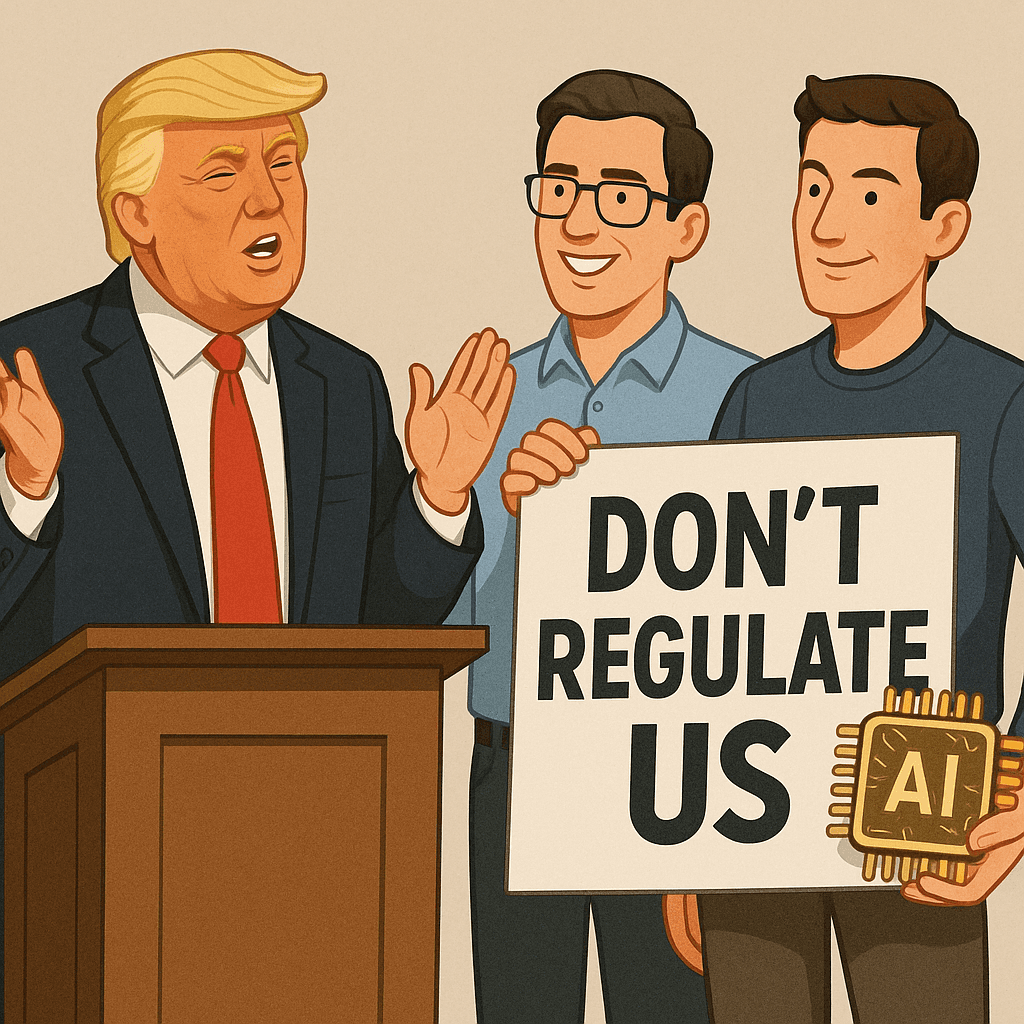
‘Don’t Regulate Us,’ Beg AI Founders Currently Selling Regulation-As-a-Service
Silicon Valley hails Trump’s plan to let AI companies write their own rules, promises to sell those rules back to everyone else by Q4.
Oct 11
Forecast
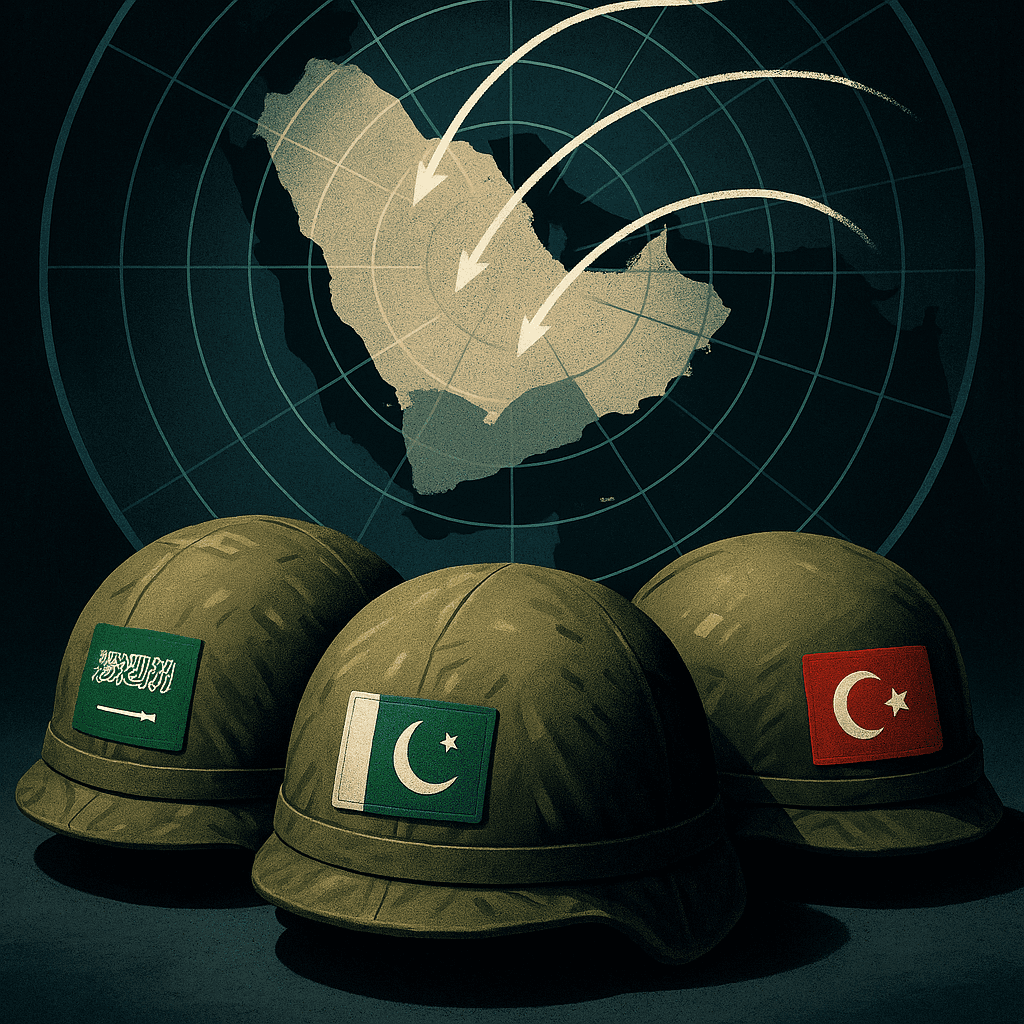
Through December 10, Houthis Won’t Damage Pakistan or Turkey Infrastructure
The Mecca Defense Pact just put two more flags on the Saudi firing chart. The consensus panic says this widens the war within weeks. The signal says the Houthis will talk big, hit Saudi and the sea, and leave Pakistan and Turkey’s hard targets alone for this 60 day window.
Comments
Be the first to comment.