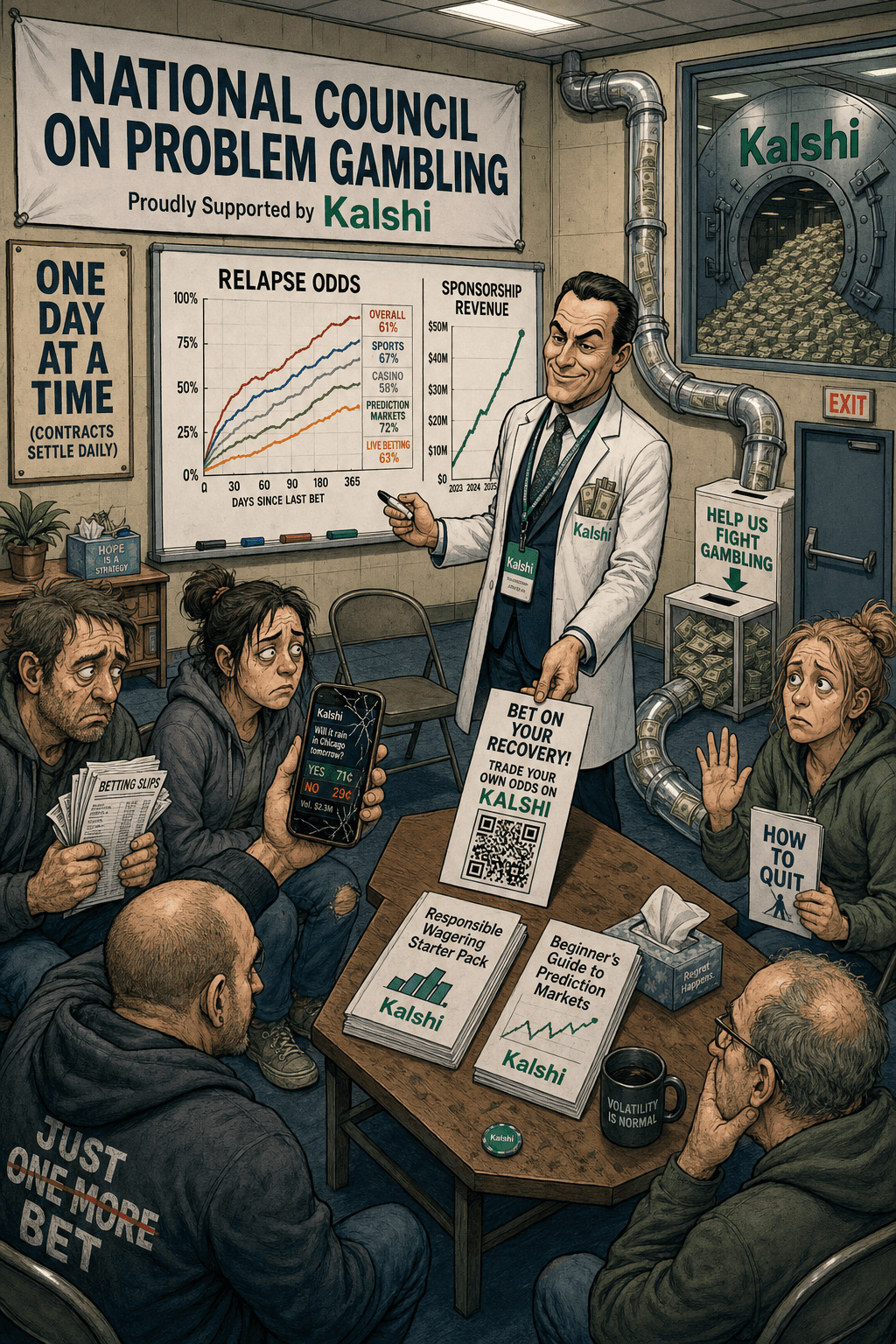
By 2026 Year-End, Big Tech Will Cut AI Data-Center Capex
My call: At least one Big Tech giant will cut its 2026 AI data‑center capex by year‑end and blame physics, not demand.
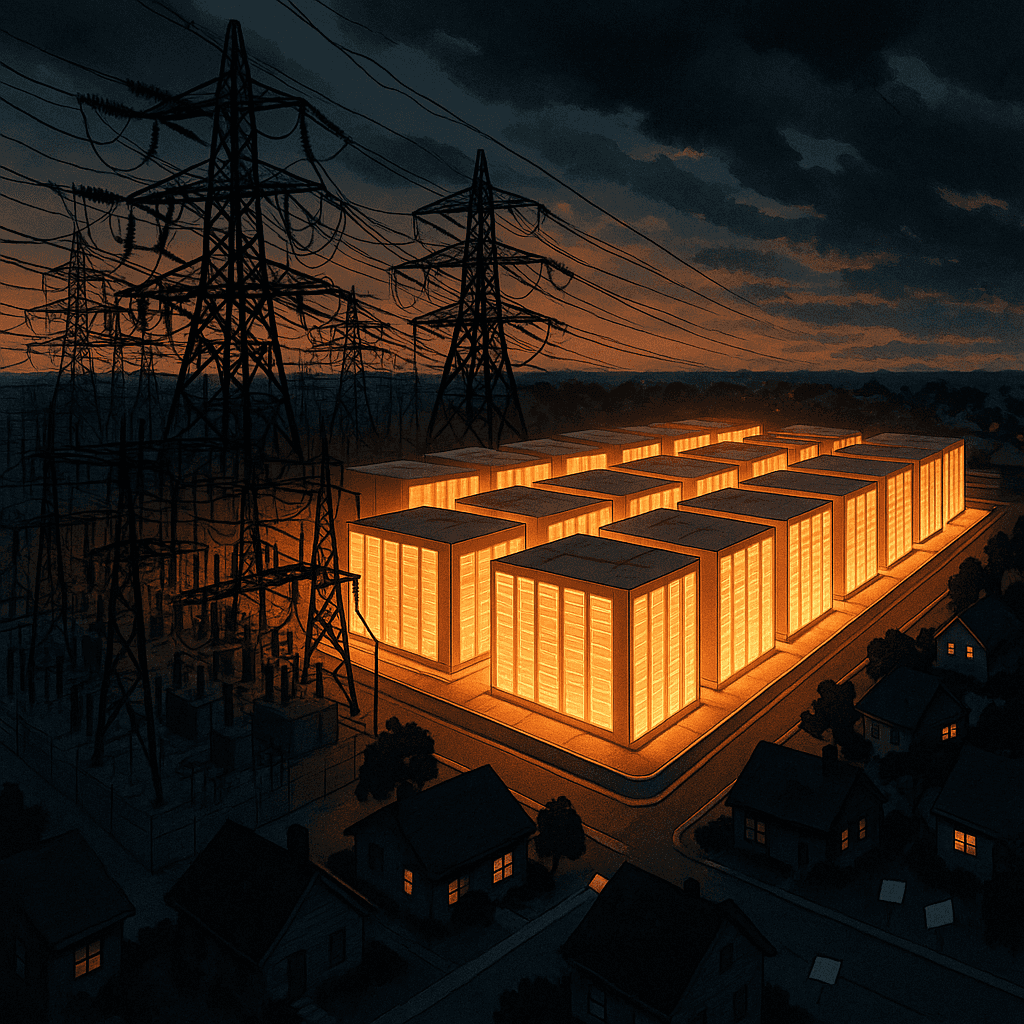
Before we close the books on 2026 guidance, at least one of Apple, Microsoft, Alphabet, Amazon, or Meta will trim its AI data‑center spending plans and pin it on the real world. Not on "discipline" or "efficiency gains". On power, concrete, plumbers, or politics, uttered through the clenched teeth of a CFO who really just wanted to talk about user engagement.
Scorable version: by December 31, 2026, at least one of the five formally lowers previously stated 2026 AI data‑center capex guidance and explicitly cites electricity, construction or labor capacity, water, permitting, or related siting friction as a material driver, not just background noise. Some investor relations lawyer will spend a weekend deciding whether "insufficient transformers" belongs in the risk factors section.
The consensus story says capital is the only constraint. The signal says the constraint is everything that cannot be copy‑pasted, especially when you are trying to install a small nuclear‑adjacent substation next to a Costco and pretend this is just another cloud feature rollout.
The trillion‑dollar steel mill cosplay
The AI boom has finally broken tech's favorite illusion: that the cloud is weightless. The big platforms are now in a race to build something closer to a global chain of steel mills, except filled with H100s, corporate mindfulness pods, and an on‑site barista who has to badge through three security layers to steam oat milk.
The numbers are cartoonish. From ChatGPT's launch through last year, the majors burned more than half a trillion dollars on capex, mostly data centers. They aim to spend a similar figure again in 2026 alone, with projections that AI infrastructure investment could run north of a trillion dollars annually after that.
For Amazon, Microsoft, Alphabet, and Meta, data‑center spend is on track to outrun operating cash flow, which means new debt to keep the model weights flowing. That is fine if you believe AI will mint the kind of profits that justify a steel‑mill balance sheet. It is less fine when the steel mill cannot get enough electricity to turn on.
Executives have stopped pretending this is software economics. Sam Altman calls electrons the main constraint. Satya Nadella and Eric Schmidt keep talking about power. Jensen Huang is out here saying the hardest bottleneck is plumbers and electricians. When your GPU salesman starts sounding like a union steward, something has shifted.
The wall: power, labor, and neighbors
Start with power. A conventional data center used to pull tens of megawatts. Now the pitch deck units are gigawatts. Meta wants a flagship campus that peaks around 5 GW, enough to light several million homes. Utah is staring at single campuses in the 1 to 2 GW range.
Grids and utilities do not turn on that kind of capacity in a couple of product cycles. New generation, substations, and transmission lines live on political time, not earnings time. That mismatch is already obvious to the people whose job is to say "no" for a living.
Then there is labor. Huang did not pick plumbers and electricians as a metaphor. Every hyperscaler is trying to parallel‑process mega‑projects that all need the same small pool of specialized trades. You can pay overtime. You cannot conjure licensed electricians out of a multimodal model card.
Add water and land. In California's Imperial County, one proposed AI data‑center project wants 260 million gallons of Colorado River water a year. Locals are not impressed by the promise of smarter chatbots in exchange for drier taps.
Which brings us to the wild card: politics. What used to be scattered NIMBY fights around "that weird humming box at the edge of town" is now a national protest movement. HumansFirst, a group whose founders have Tea Party DNA, just organized demonstrations in at least 125 locations. Left‑leaning desert activists and right‑wing populists have finally found something they both dislike: your AI cluster.
The polling is bleak. Only about a third of Americans approve of the current pace of data‑center construction. Just 14 percent want a facility in their community. Voters love free AI features, in other words, as long as the compute lives in somebody else's aquifer.
Who actually moves first?
This is not a forecast that all hyperscaler capex goes over the cliff. It is narrower and more annoying: that the collision with physics and politics becomes so concrete that at least one of the five is forced to acknowledge it in guidance math, not just vibes.
Apple is technically in the cohort but mostly as a control group. Wall Street is actively rewarding it for the "anti‑capex" AI strategy, where Apple Intelligence rides on rented Google infrastructure. HSBC is upgrading the stock for, in effect, refusing to build its own trillion‑dollar headache. Apple still has data centers, but it is the least likely to get caught in a grid‑capacity PR disaster.
The real action is with the three classic hyperscalers plus Meta. They all have:
- multi‑gigawatt campuses in flight,
- publicly escalating AI rhetoric, and
- capex trajectories that already make bond desks a little nervous.
The base case looks like this: one of them hits an ugly combination of delayed interconnection, permitting snarls, and labor shortages on a marquee site. The project no longer fits inside the previous 2026 timetable. When they update guidance, the numbers have to move down or the credibility does.
Management will try to soften it. Expect phrases like "re‑phasing", "sequencing", and "optimized deployment of capital". But if they admit, even in passing, that the driver is power supply, water limits, or the inability to hire enough humans with wrenches, that is the wall I am calling.
Why the consensus can still look right and be wrong
The main rebuttal is simple: these firms are extremely good at optics and extremely bad at saying "no" to themselves. They can blur the definition of "AI capex", shift money across regions, and keep the headline number intact while the reality slips into the 2027 column.
They also have tools. Long‑term power purchase agreements, preferential treatment from utilities, on‑site generation pilots, and eager politicians who love ribbon cuttings more than they fear local activists. If you want the optimistic story, it is that the state will pave the way for the bots.
I still like the odds that someone cracks in public. The scale is just too large and the timelines too tight. You can buy more GPUs next quarter. You cannot build a multi‑gigawatt transmission line in the time between two earnings calls, no matter how inspirational your keynotes are.
And investors are already seeding the narrative. When analysts praise Apple for not over‑building, they are implicitly saying that hyperscale capex is now a risk factor, not just a moat. Once you frame your own spend as a potential liability, you have created permission to shrink it.
The satirical verdict
So log it: by December 31, 2026, at least one of the big five cuts its 2026 AI data‑center capex guide and blames the atoms, not the app store. Not a vague "macro environment" shrug, but a clear nod to electricity, construction, or siting constraints as a material reason.
If I am wrong, the reward will be a world where trillion‑dollar capex plans sailed through water‑stressed towns, over‑taxed grids, and a national protest movement without a single formal revision. At which point, we should probably let the hyperscalers run the entire federal permitting process, since they will have proven they can move more steel than the Pentagon.
Around the Shallot
Stay in the same broken universe.
Forecasts, satire, cartoons, and quizzes should feel like one publication, not disconnected tabs.
Tech
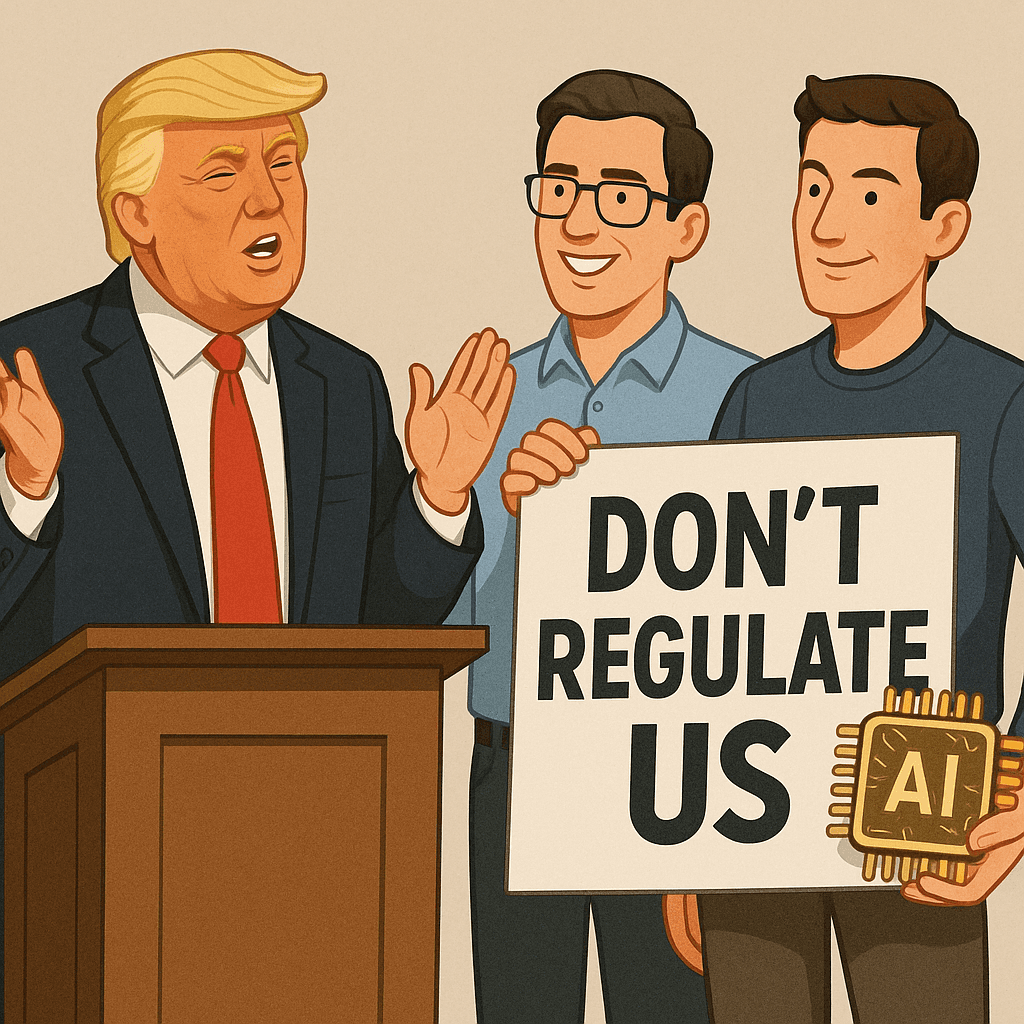
‘Don’t Regulate Us,’ Beg AI Founders Currently Selling Regulation-As-a-Service
Silicon Valley hails Trump’s plan to let AI companies write their own rules, promises to sell those rules back to everyone else by Q4.
Oct 11
Forecast
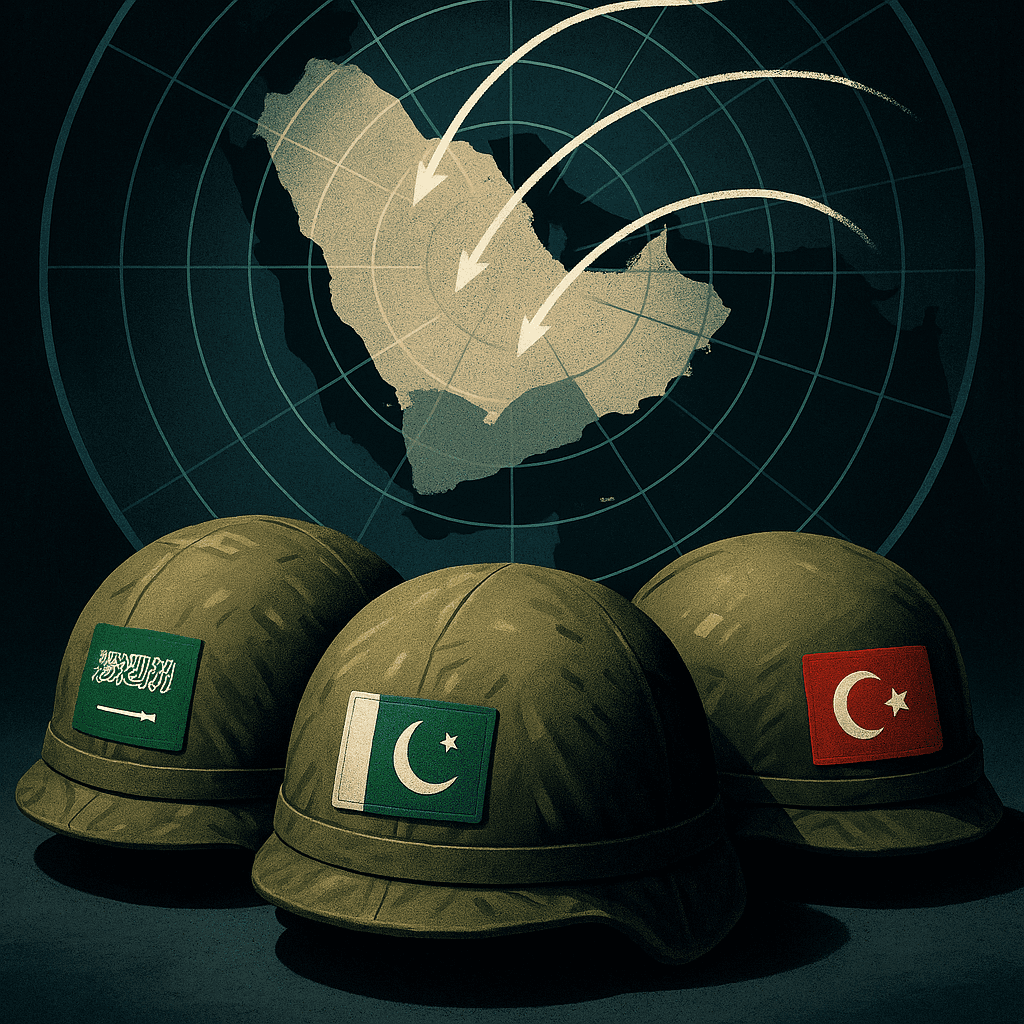
Through December 10, Houthis Won’t Damage Pakistan or Turkey Infrastructure
The Mecca Defense Pact just put two more flags on the Saudi firing chart. The consensus panic says this widens the war within weeks. The signal says the Houthis will talk big, hit Saudi and the sea, and leave Pakistan and Turkey’s hard targets alone for this 60 day window.
Comments
Be the first to comment.