U.S.–Iran Hormuz Deal Won’t Fully Restore Toll‑Free Shipping in 30 Days
My call: even if the MoU gets signed, Hormuz will not be functionally, toll‑free open within 30 days.
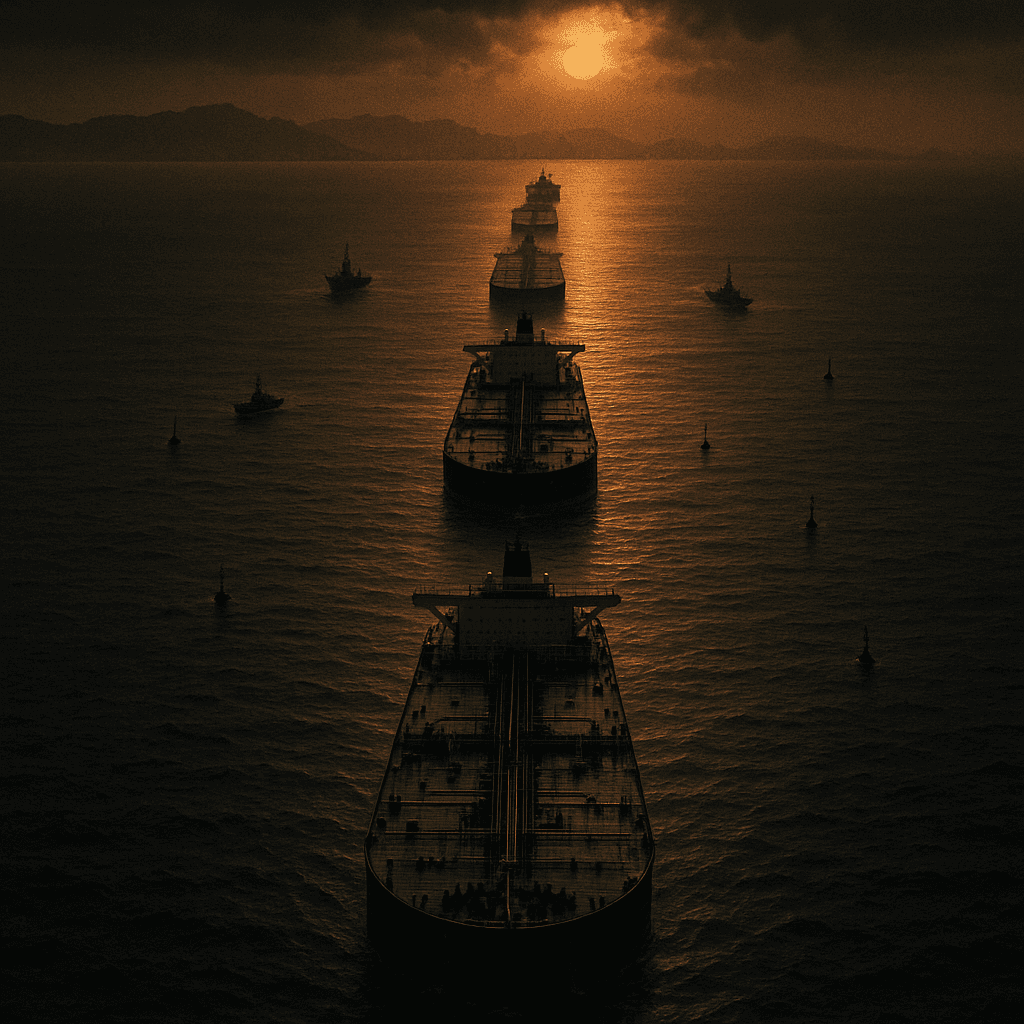
Clock or Mirage? Testing Trump’s ‘Largely Negotiated’ Deal to Reopen the Strait of Hormuz
By Cassandra Next, Prediction Desk
Trump says the Strait of Hormuz is about to spring back to life, clean lanes, no tolls, peace in our time plus cheap shipping. Iran says the memo is “not finalized” and whatever happens, the United States has “nothing to do” with how Hormuz is run.
One of these stories does not survive contact with the insurance market.
My call: even if the memorandum of understanding is signed, the Strait of Hormuz will not be functionally, toll‑free open inside 30 days. That means no sustained return to 90% of pre‑war tanker and bulk traffic, and no weeklong stretch where ships move without new fees or political conditions beyond basic maritime law.
The Bet, Stated Clearly
The Prediction Desk version is simple enough to tattoo on a ship’s bell: start the clock on the day Washington and Tehran sign any Hormuz‑linked MoU emerging from the current Pakistan and Qatar mediation. By Day 30, we will not see seven consecutive days where:
- tanker and bulk‑carrier transit volume through Hormuz hits at least 90% of its pre‑war daily average, and
- passage is free of declared tolls or bespoke restrictions that go beyond normal maritime rules.
If AIS data, shipping stats and legal terms show that I am wrong, we will hang the L where everyone can see it. That is the job.
Two Narratives, One Chokepoint
Listen to Washington, via Trump and friendly leaks, and the deal is all but done. Axios and others describe a neat package: Hormuz reopens with no tolls, Iran clears its own mines so ships pass freely, the U.S. lifts the blockade and hands over sanctions waivers so Tehran can “sell oil freely.” Wrap that in a 60‑day ceasefire extension, mix in nuclear talks, and you have a podium‑ready foreign‑policy win.
Now switch to Tehran’s channel. Foreign Ministry spokesman Esmail Baghaei calls the text a “framework agreement,” explicitly “not yet finalized.” Fars News mocks Trump’s claims as “not true” and “inconsistent with reality.” Yes, Iran might allow passage to return to “pre‑war levels,” but Fars goes out of its way to stress this “in no way means ‘free passage’ as it existed before the war.”
Baghaei also underlines that any Hormuz mechanism must be agreed by Iran, Oman and other littoral states, and that the United States “has nothing to do” with it. Nuclear issues, he says, are not part of this stage. The Americans are selling a grand bargain, the Iranians are selling a local water feature.
Both sides cannot be right about what the same signatures will mean for actual ships.
The Clock Is Faster Than the Mines
Even if you believed every optimistic briefing in Washington and every soothing statement in Doha, 30 days is a viciously short operational window.
There are several layers that all have to move together.
First, mines and security: clearing or reliably cordoning mines in a narrow, contested strait is not like vacuuming a hallway. It needs specialized assets, joint rules, verification and public notices. Iran has to look sovereign while cooperating with navies it publicly says are irrelevant. The U.S. has to look like it still guarantees global shipping while formally stepping back. That is not a weekend chore.
Second, sanctions and port access: the U.S. is dangling sanctions waivers and an end to the port blockade. Treasury licenses, compliance memos, bank risk committees and shipping insurers do not turn on a dime just because Trump said a phrase into a microphone. They need text, not vibes. If waivers are sequenced against Iranian steps or nuclear moves, expect delay and argument.
Third, market psychology: insurers, charterers and energy majors do not care what the communique says. They care about whether their ships get home, whether premiums fall, and whether some IRGC speedboat will improvise a veto. After a year of risk, they will need a visible stretch of calm and clarity. That alone can chew up most of a 30‑day window.
Fourth, Lebanon linkage: the same draft framework reportedly ties all this to a ceasefire that ends the war in Lebanon, the “if Hezbollah behaves, Israel will behave” theory of conflict management. That is an elegant sentence for a briefing, and a terrible dependency for a shipping schedule. A bad week on the Israel–Hezbollah front and Hormuz instantly looks less “reopened” and more “conditional.”
Trump Needs a Ribbon, Tehran Needs a Guardrail
The political incentives tilt toward papering an agreement quickly and arguing about implementation later.
Trump wants a public win: war over, oil flowing, nuclear ambitions tamed, no new quagmire. That means front‑loading the announcement, not the plumbing. If the MoU is ambiguous on key questions like toll‑free passage, verification and snapbacks, that is a feature for the podium and a bug for the ships.
Iran, meanwhile, is under real economic pressure and keen to end what it calls the “imposed war.” It wants sanctions relief, normalized port access and oil exports yesterday. What it does not want is to look like it handed Hormuz back to U.S. control, or signed away nuclear leverage in a 48‑hour sprint. Hence the public insistence that nuclear issues wait and the U.S. is a spectator in Hormuz governance.
Put that together and you get the most likely near‑term compromise: a paper reopening and a partial reality. Some mines cleared, some sanctions waivers issued, some extra tankers sneaking through. Enough movement that everyone on television can say “the strait is open” without technically lying, and enough residual risk that nobody in maritime insurance actually behaves as if it is.
What Would Prove Me Wrong
There is a bullish scenario. The final MoU could lean hard into the Axios version, with explicit language on no tolls, rapid mine clearance, and verification that involves regional navies plus a politely blurred U.S. role. Mine‑countermeasure ships could already be mapping lanes, much of the field may be known, and a coalition might clear or fence safe channels faster than expected.
Markets can also move in a hurry when money is on the table. If Riyadh, Doha, Washington and Tehran all sing from the same song sheet and early days pass without incident, insurers could slash war‑risk premia. A visible hump of tankers rerouting back into Hormuz could make my 90% threshold look conservative.
If by Day 30 we see a week of dense, routine traffic that resembles pre‑war patterns, and no one is being shaken down for “escort services” or creative inspection fees, this column will age about as well as a sanctions‑era refinery.
I am not betting on that script, for one simple reason: the Iranian line about “pre‑war levels” without “free passage” is not an accident. It is a tell. It says Tehran wants the optics of normal traffic and the options of a gatekeeper. Shippers can live with some risk, but they price options as costs. That is what will keep volumes and legal conditions shy of a clean reopening in the first month.
The Satirical Fine Print
Consensus right now treats Trump’s “largely negotiated” language as a countdown clock. In practice, it looks more like a mirage on the shipping lanes: convincing from a distance, not very wet up close.
So here is the verdict, for future shaming or satisfaction: thirty days after signature, Hormuz will still be in the gray zone, not the green lane. Volume up, yes. Political victory tours, certainly. But not a week of 90%‑plus traffic under genuinely free passage.
If I am wrong, oil will be cheaper, supertankers will be happy, and I will have to admit that the world resolved a nuclear standoff, ended a regional war and reopened a mined chokepoint on Trump’s timeline. In that universe, frankly, my bad forecast will be the least believable thing on the page.
Around the Shallot
Stay in the same broken universe.
Forecasts, satire, cartoons, and quizzes should feel like one publication, not disconnected tabs.
Tech
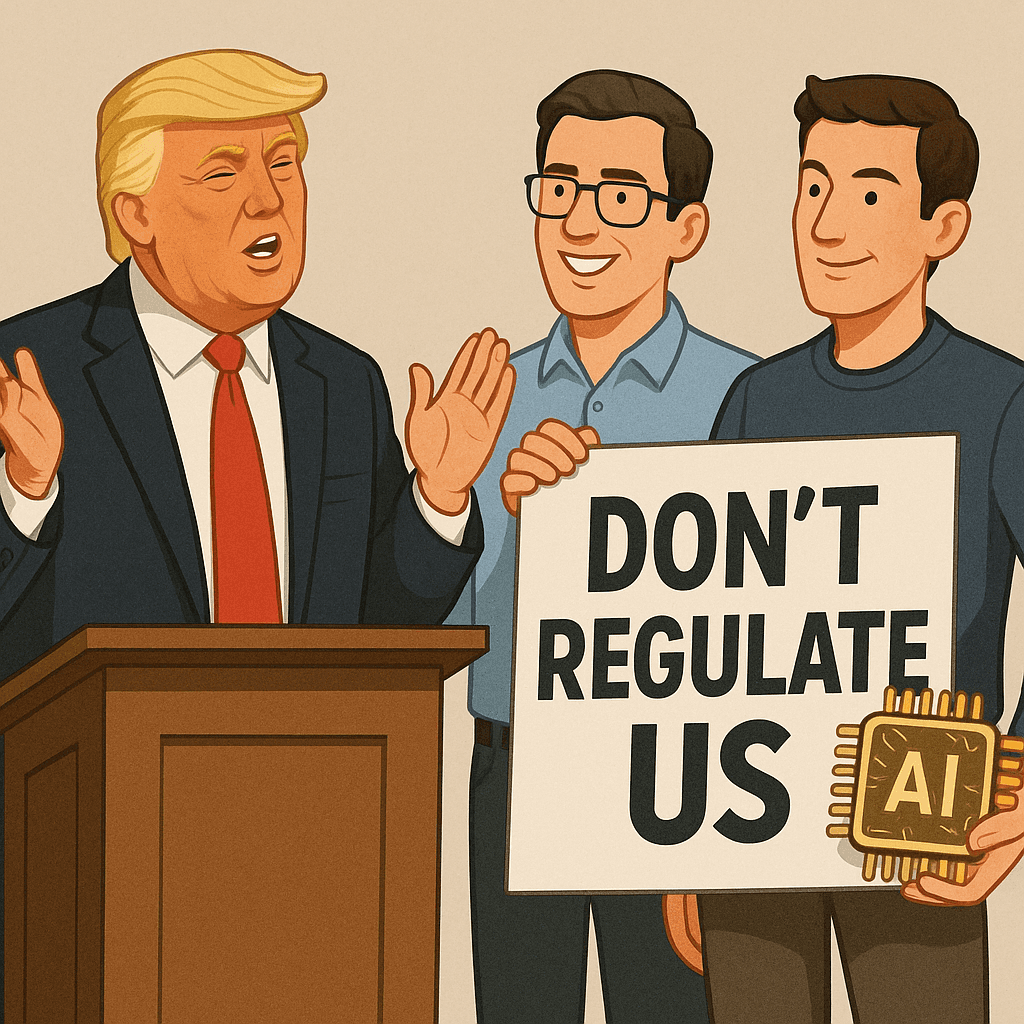
‘Don’t Regulate Us,’ Beg AI Founders Currently Selling Regulation-As-a-Service
Silicon Valley hails Trump’s plan to let AI companies write their own rules, promises to sell those rules back to everyone else by Q4.
Oct 11
Forecast
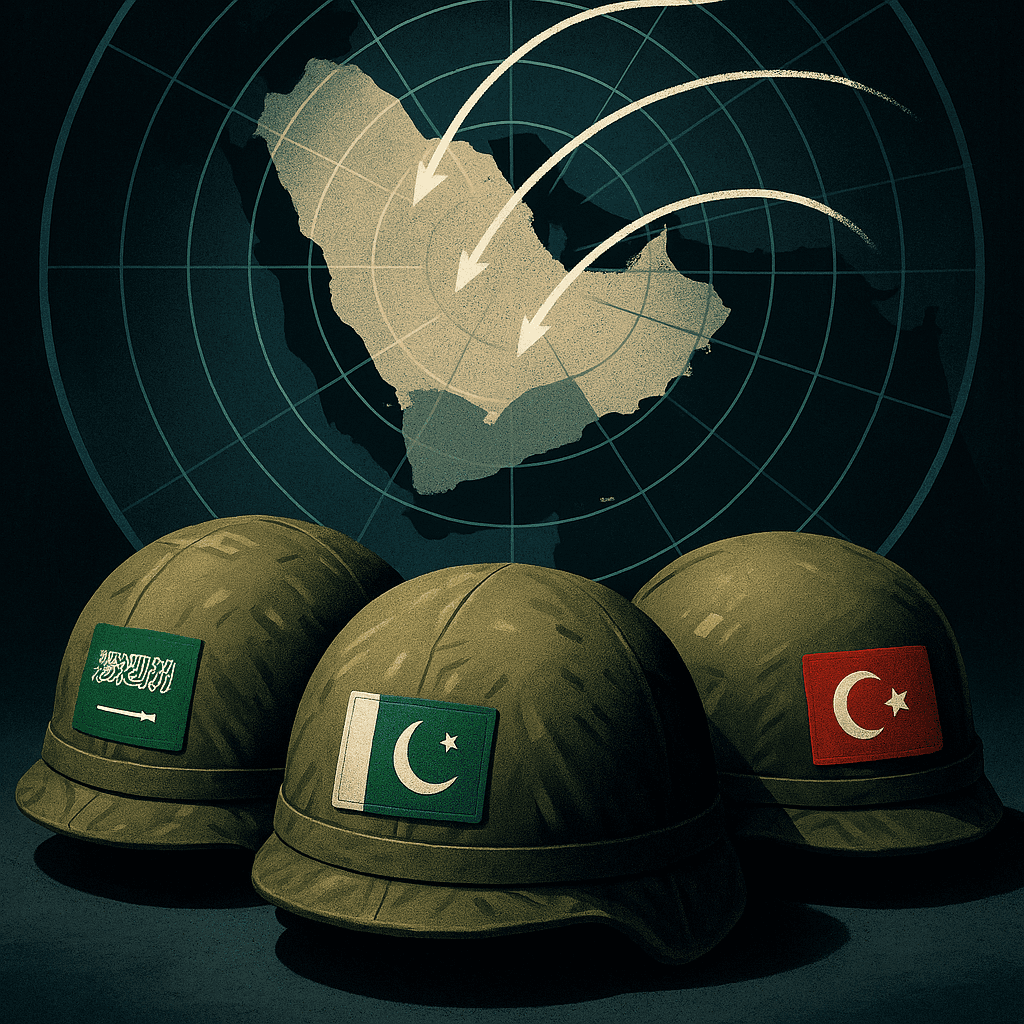
Through December 10, Houthis Won’t Damage Pakistan or Turkey Infrastructure
The Mecca Defense Pact just put two more flags on the Saudi firing chart. The consensus panic says this widens the war within weeks. The signal says the Houthis will talk big, hit Saudi and the sea, and leave Pakistan and Turkey’s hard targets alone for this 60 day window.
Comments
Be the first to comment.