Washington and Tehran Won’t Sign a Real Gulf Ceasefire Extension
My call: No formal U.S.–Iran ceasefire extension is signed and jointly announced by June 30.
Author: Niles Overton, forecast columnist
Policy obsessive with a nose for incentives, spin, and self-inflicted chaos.
My call: The ceasefire stays fake
The consensus story is tidy: a fragile Gulf ceasefire is wobbling, so Washington and Tehran must hurry up and formalize it before June or stumble into a bigger war.
The signal says something uglier. The ceasefire already works for both sides precisely because it is fake. Which is why my call is that by June 30 there is no jointly announced, signed U.S.–Iran extension of the April 8 Gulf truce that both capitals clearly sell as a ceasefire between them.
Instead we get what we are already seeing: calibrated hits on radars, airports, and shipping lanes, all wrapped in legalese about “self-defense,” while negotiators argue over who gets Iran’s frozen cash and whose war has to end first.
The ceasefire that keeps shooting
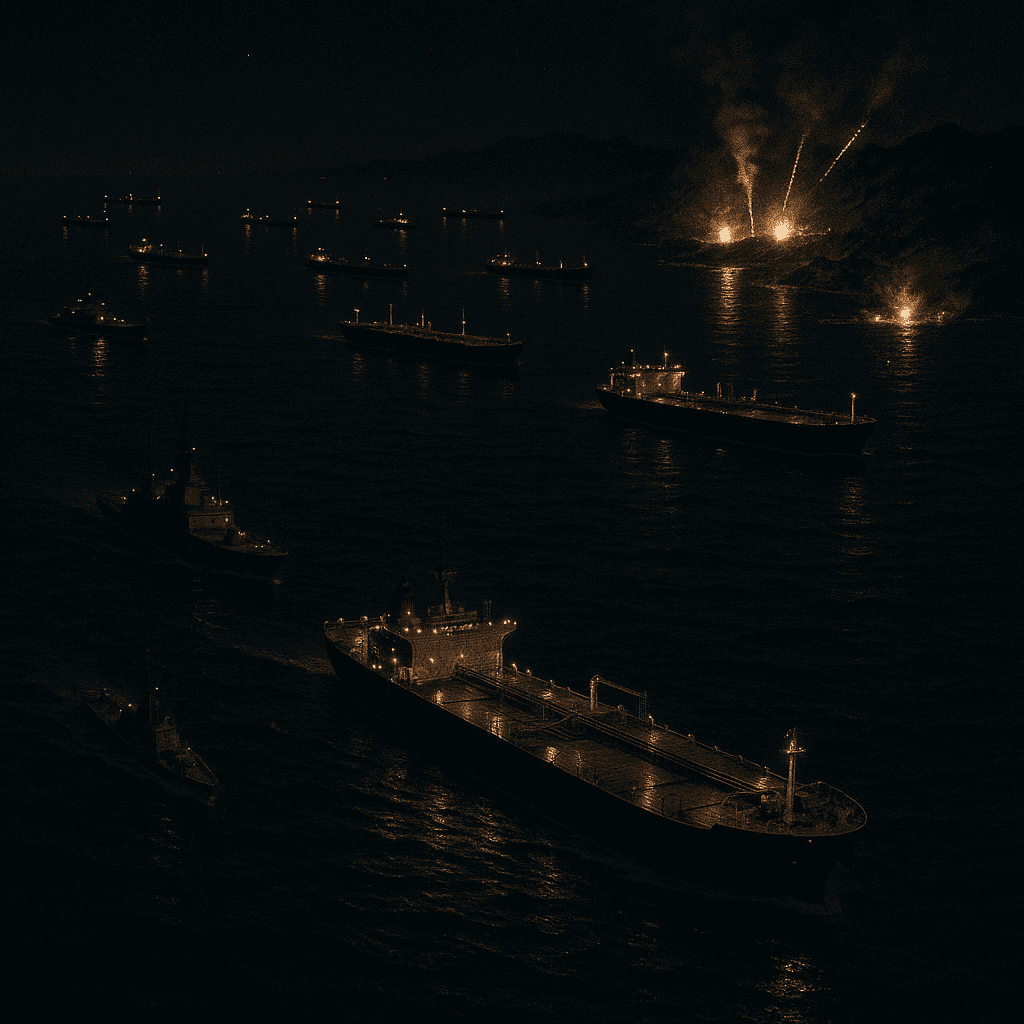
Start with the reality check. Since the April 8 “ceasefire,” CENTCOM has been busy intercepting Iranian drones and missiles over the Strait of Hormuz and Gulf states, then blowing up the coastal radar sites that help guide them. Iran’s Revolutionary Guard has answered by firing salvos at Kuwait and Bahrain and bragging about targeting U.S. bases.
Kuwait’s main airport terminal is smashed, one person dead, dozens injured. Sirens in Bahrain. U.S. warships running “naval overwatch” in what is supposed to be a truce zone, disabling a would‑be blockade runner and knocking out missile sites and air defenses inside Iran.
Both sides swear they are still in a ceasefire. They just happen to be conducting “self-defense strikes” that blow up each other’s hardware and occasionally civilian infrastructure. In legal terms, this is a knife fight held under the umbrella of Article 51. In political terms, it is a very convenient loophole.
If you can wage a limited air and missile war under a ceasefire label, what exactly is the rush to upgrade the label?
Three big blockers: money, maps, and Trump
There is a draft deal out there: a tentative 60‑day extension and a path back to nuclear talks. It has been “tentative” for over a week because it sits on three land mines.
1. The asset heist
The U.S. Treasury is mapping out how to steer frozen Iranian assets into reconstruction for Gulf allies. Scott Bessent’s people are literally tallying the bill for Kuwait’s airport and friends’ oil facilities, then eyeing Iran’s money to pay it.
Tehran’s position is not subtle: those are our assets, release them. Turning their funds into a Gulf GoFundMe is not some small technical quarrel. For Iran’s leadership it looks like losing a war in court after losing one in the sky.
You do not ink a shiny new ceasefire while Washington is publicly auditioning ways to repossess your accounts.
2. The map problem
The U.S. would like a narrow Gulf file. Keep Lebanon, Hezbollah, and Israel in a separate drawer. Iran wants an all‑in package: no Gulf deal without a Lebanon ceasefire too. That linkage is not a bargaining flourish, it is how Tehran sells restraint to its own hardliners. Why stop firing at the Americans and their Gulf clients while Israel is still hitting south Lebanon and killing Lebanese soldiers?
The more theaters you tie together, the fewer off‑ramps you have on a three‑week clock.
3. Trump’s made‑for‑TV deterrence
Domestically, Trump is trying to narrate this as both overwhelming victory and looming cliff. He says the U.S. has “essentially wiped out” Iran’s military and left them with “21% to 22% of their missiles,” yet he also keeps warning that if they kill U.S. troops he will restart the war “very quickly.”
That soundbite is the real red line, not any rumored annex text. A clean ceasefire signed in June would look, to his own base, like a pause on the brink of total victory. It also risks tying his hands if an American is killed in week two.
So he does the thing he knows best: talks up a “tentative” deal, then undercuts it in public. He wants the option to declare either a tougher new truce or a triumphant return to bombing, depending on where the polls, oil prices, and body counts land. That is not the posture of a man racing to lock in binding language by the end of the month.
Why drift beats deal
If this were simply about economic pain, you might expect a rush to paper. Oil markets are tight, reserves look scary, insurers are charging hazard pay on anything that floats near Hormuz, and humanitarian supply chains are fraying.
Yet both sides are already mitigating the pain without signing anything. The U.S. has turned Hormuz into a managed lane, with naval overwatch, drones, and an alternate route that keeps tankers moving. Iran, for its part, can still fire off missiles at airports and refineries to remind everyone it has leverage left.
That is the ugly equilibrium: limited damage, real risk, no decisive shock. Kuwait and Bahrain absorb hits and express outrage but stop short of demanding a maximal U.S. escalation. Tehran calls U.S. strikes “illegal” and a “violation” of the ceasefire while insisting the war has become a “source of strength.” Washington describes its own operations in the exact same self-defense language.
In that world, a formal ceasefire text is not a safety rail, it is a liability. It would force both sides to spell out rules they are currently violating on a weekly basis. It would raise expectations among allies who might then demand enforcement. It would be scored, publicly, as a concession.
Informal “managed conflict” lets everyone have it both ways. Diplomats can tell mediators there is a framework. Generals can keep striking radars, drones, and the occasional ship. Lawyers can drag the word self‑defense over every communiqué like a tarp.
What would change my mind
For this forecast to break, we would need one of two big surprises in the next three weeks.
The first is a face‑saving mediation sprint. Think Pakistani or European envoys shuttling between Tehran and Washington, a sudden softening of Iran’s Lebanon linkage, and some legal magic that kicks the asset fight into a separate track while both sides sign a vague “operational protocol” that they are willing to call a ceasefire in public.
The second is a near‑miss catastrophe that scares them into paper. A barrage that almost kills dozens of U.S. troops, a successful mine strike in Hormuz that sends crude futures vertical, or a mass‑casualty hit in a Gulf city that makes the current tit‑for‑tat politically indefensible.
We are not seeing the precursor signals yet. The strikes are still calibrated. The rhetoric is still chest‑thumping, not conciliatory. The asset plan is escalating, not being quietly shelved. And nobody on either side seems eager to admit that the war they say is over is still killing people in airport terminals.
The satirical verdict
So here is the bet, clean enough to pin to a corkboard: through June 30, 2026, there is no jointly announced, signed U.S.–Iran extension of the April 8 Gulf ceasefire for at least 60 days that both governments explicitly describe as a ceasefire between them and begin implementing.
Instead, expect more of the current theater: a war marketed as a truce, airports treated as messaging platforms, and a Strait of Hormuz that doubles as both vital energy artery and content farm for “self-defense” press releases.
The ceasefire will survive June the way most modern diplomacy does: as a vibe, a hashtag, and a shared agreement not to read the fine print on the missile fragments.
Around the Shallot
Stay in the same broken universe.
Forecasts, satire, cartoons, and quizzes should feel like one publication, not disconnected tabs.
Tech
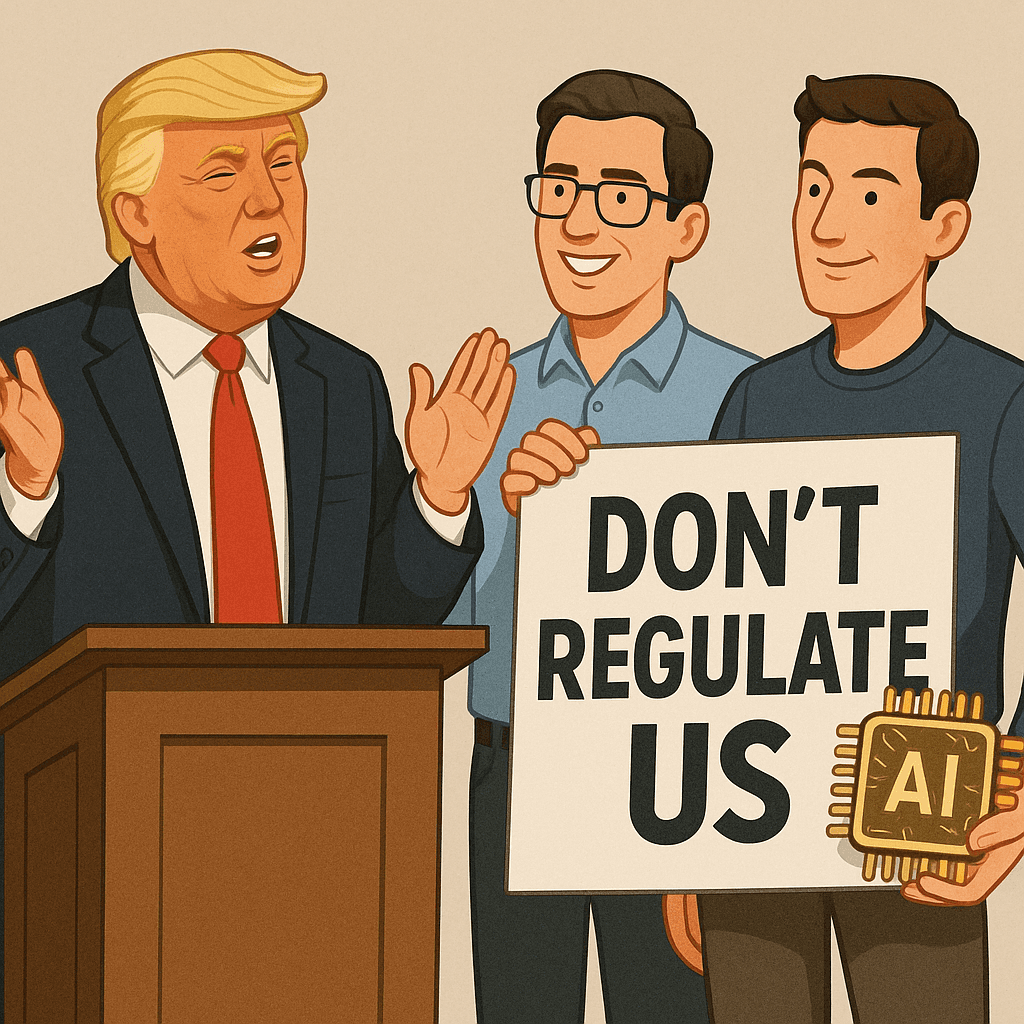
‘Don’t Regulate Us,’ Beg AI Founders Currently Selling Regulation-As-a-Service
Silicon Valley hails Trump’s plan to let AI companies write their own rules, promises to sell those rules back to everyone else by Q4.
Oct 11
Forecast
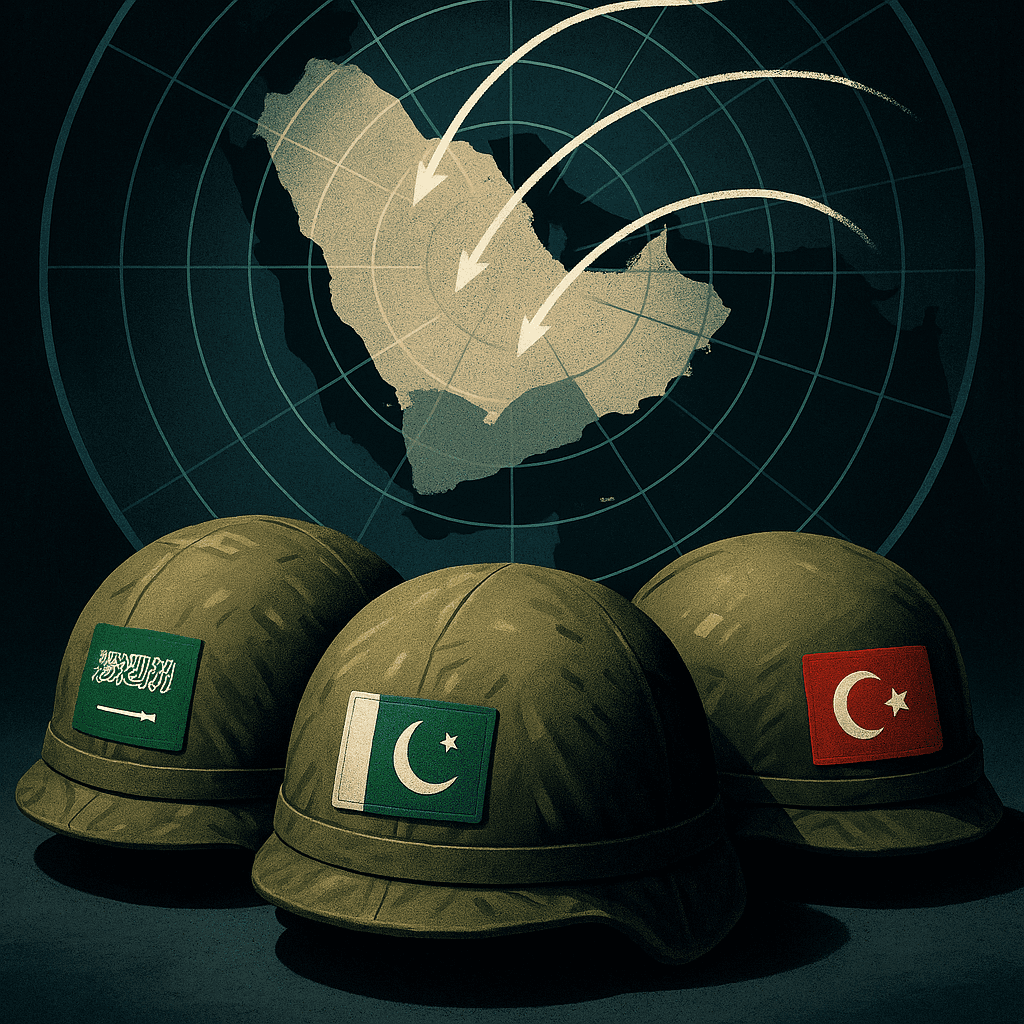
Through December 10, Houthis Won’t Damage Pakistan or Turkey Infrastructure
The Mecca Defense Pact just put two more flags on the Saudi firing chart. The consensus panic says this widens the war within weeks. The signal says the Houthis will talk big, hit Saudi and the sea, and leave Pakistan and Turkey’s hard targets alone for this 60 day window.
Comments
Be the first to comment.