Burnham Won’t Call UK Snap Election Within 90 Days
My call: he will not pull the trigger within 90 days of taking the keys to Number 10.
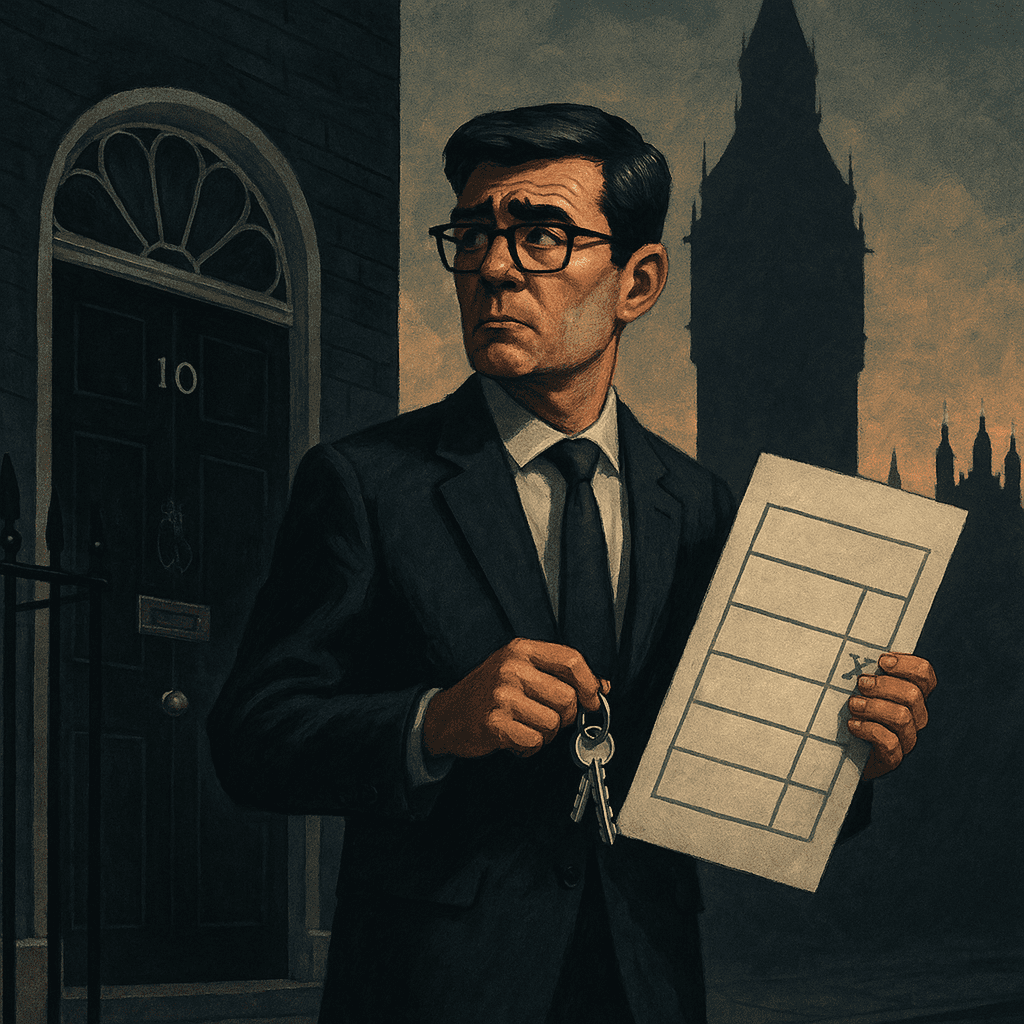
The bravest thing Burnham can do is nothing
My call: there will be no snap UK general election within 90 days of Keir Starmer walking out of the black door. Andy Burnham will inherit the office, the headaches and the bad carpet, then sit on the nuclear button while everyone on television demands he push it, preferably live on air between a weather hit and an item about emotional support ferrets.
Listen to the choir already warming up. Starmer is gone after a humiliating set of local elections. Commentators insist the country is in permanent legitimacy crisis, that Prime Minister Number Seven in under a decade simply must "test the will of the people." Sky News pundits call it "the bravest thing he could do."
Translation: the bravest thing Andy Burnham could do, in the eyes of people who do not sit for marginal constituencies, is roll the dice on everyone else’s careers.
The call: no election clock inside 90 days
Let us score this cleanly, since Westminster rarely does. Resolution axis: a UK‑wide general election, writs issued and polling day held, within 90 calendar days of the date Keir Starmer formally resigns as prime minister. Forecast: no such election happens in that window.
Burnham can talk about mandates, hint at moral obligations, even hire a pollster whose only job is to price the risk. The key is the act. Unless he actually takes the short walk to the Palace and asks for a dissolution that delivers polling day inside that 90‑day frame, this call stands.
Why the new PM stays put
Start with the structure, not the vibes. The UK constitution treats mid‑term successions as a feature, not a bug. Parties get mandates, leaders are a replaceable component. Cameron in, May in, Johnson in, Truss in, Sunak in, Starmer in, now Burnham. No snap election in sight after most of those handovers, and the sky is still somehow above Birmingham.
Labour holds a large majority that still traces back to Starmer’s general election win. Local elections were ugly enough to panic MPs into decapitating him, but not ugly enough to prove that majority is dead. Given that arithmetic, why would Burnham trade a comfortable voting cushion for a national coin toss in which Nigel Farage, Reform UK and a freshly traumatised Conservative Party all get another free shot on goal?
The drivers are boring, which is why they matter:
- Risk‑averse MPs: Backbenchers in marginal seats care more about the next payslip than abstract legitimacy. They just saw Starmer punished in locals, they hear Reform normalised on every panel show, and they have watched "safe" careers evaporate in single election cycles. Their instinct is to stabilise, not speedrun their own unemployment.
- Burnham’s temperament: For all the "King of the North" myth‑making, his brand is managerial social democracy, not swashbuckling plebiscitary heroism. As a cautious operator he will want to show competence, reset a few policies, and only then go to the country when the ground looks less like quicksand.
- Volatile opponents: The right of centre is fractured. Reform is climbing, Farage is camera‑ready, and the Conservatives are trying to remember what they stand for besides regret. In a volatile field, the governing party usually waits for the other side’s civil war to mature.
- Election fatigue: Voters tell pollsters two things at the same time: they dislike unelected mid‑term PMs, and they are exhausted by constant campaigns. Faced with that contradiction, the smart response from Burnham is to promise an eventual say, then get on with governing while the public forgets the precise date Starmer left.
The fashionable argument says the UK has joined continental Europe’s new norm: if a leader is damaged, they must resign or seek a fresh mandate. Pedro Sánchez is dragged through symbolic votes in Madrid, so why not Burnham in London? The answer is simple. Spanish MPs can embarrass their prime minister in the chamber. British Labour MPs can end their own careers with a single misjudged election. Guess which instinct wins in a secret meeting of the Parliamentary Labour Party.
What could force his hand
For this forecast to fail, something ugly has to pile on top of the mess you already see.
Imagine: Starmer’s exit is followed by worse‑than‑expected economic numbers, maybe a scandal that splashes from his Cabinet into Burnham’s first week, and markets begin to twitch. The pound slides, gilt yields climb, and The Times discovers the word "drift". Internal Labour polling, conveniently leaked, suggests that "Andy" polls ten points ahead of "Starmer" with the same red rosette. In that narrow universe, an early election looks less like suicide and more like pre‑emptive surgery.
Even then, the timing problem bites. The UK can stage an election quickly, but not instantaneously. You need a campaign period, candidate selections, the whole lumbering infrastructure of democracy and leaflets. To land a full general election inside 90 days of Starmer’s resignation, Burnham would have to hit the ground in Number 10 with a campaign machine already humming and a party already united around going early.
That requires an almost cinematic level of party discipline. The Labour Party is many things. A perfectly choreographed suicide squad is not usually one of them.
What the election teasers will tell you
Three early tells will show whether Burnham is even flirting with the nuclear option.
First, his opening script. If his launch speech focuses on "getting back to work", "stability" and "delivering on Labour’s mandate", the snap election idea is already being walked into the long grass. If he reaches for "my own mandate" and "giving the people a say", you can at least keep one eye on the calendar.
Second, internal noise. A genuine drumbeat from Labour marginals pleading for an early test, paired with private polls that look like a Burnham honeymoon, would raise the odds. The far more likely soundtrack is nervous MPs begging him not to "do a May" and blow a perfectly good majority out of personal vanity.
Third, the opposition’s state of readiness. If the Conservatives are still auditioning leaders and Reform is better at booking TV slots than vetting candidates, the incentives skew toward deferral. Burnham can sit in Downing Street, promise to listen, mention buses a lot, and watch his opponents exhaust themselves in public.
The satirical verdict
The British establishment has spent a decade treating leadership like a fuse: when the public gets angry, they change the bit at the end and hope the whole wiring does not catch fire. Starmer is only the latest sacrifice to the gods of "reset".
Burnham will inherit that habit, then ignore the bravado industry that tells him the only honourable act is to detonate his own government on arrival. He will promise a future choice, stage a polite policy refresh, and get photographed listening very seriously in places that voted Reform.
If I am wrong and he calls a full general election within 90 days of Starmer’s exit, I will treat it as a genuine milestone in British democratic renewal: the exact moment MPs finally decided that having a mandate mattered more than having a seat.
Around the Shallot
Stay in the same broken universe.
Forecasts, satire, cartoons, and quizzes should feel like one publication, not disconnected tabs.
Tech
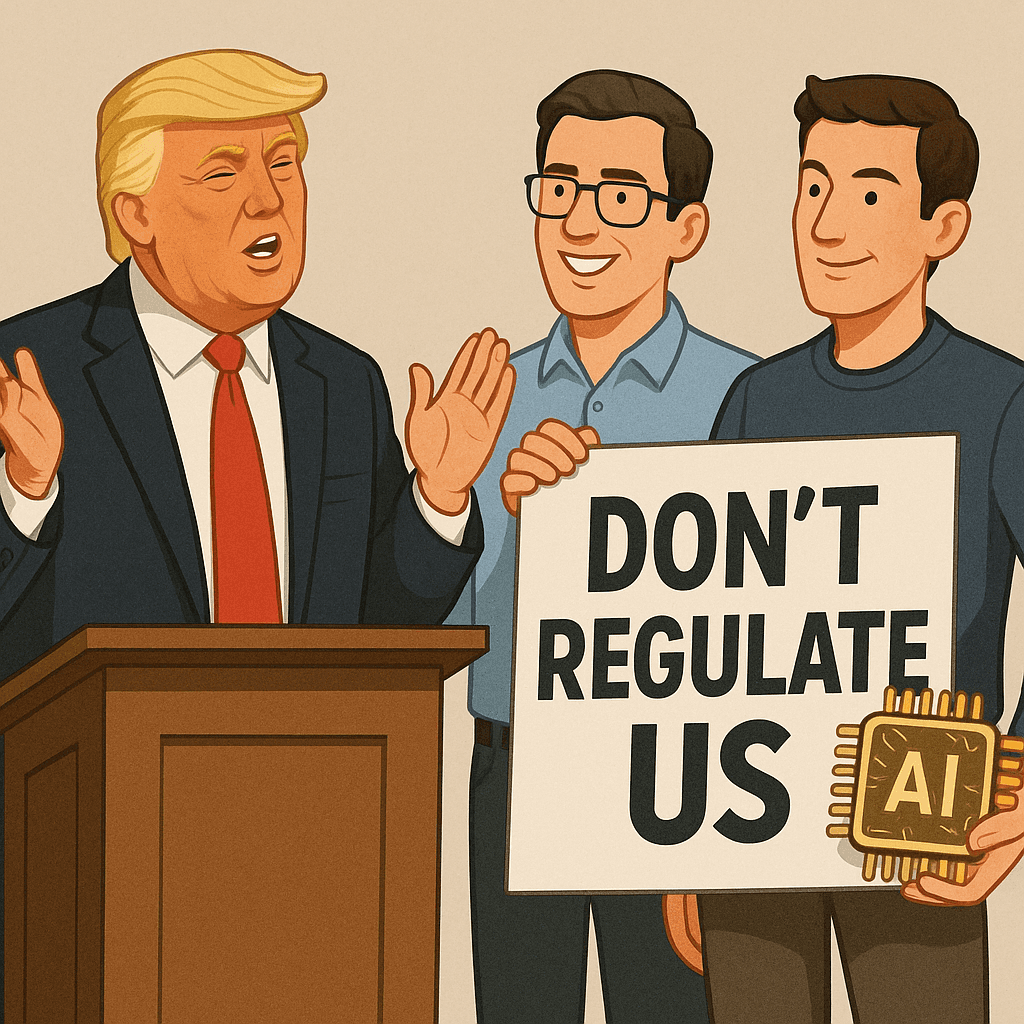
‘Don’t Regulate Us,’ Beg AI Founders Currently Selling Regulation-As-a-Service
Silicon Valley hails Trump’s plan to let AI companies write their own rules, promises to sell those rules back to everyone else by Q4.
Oct 11
Forecast
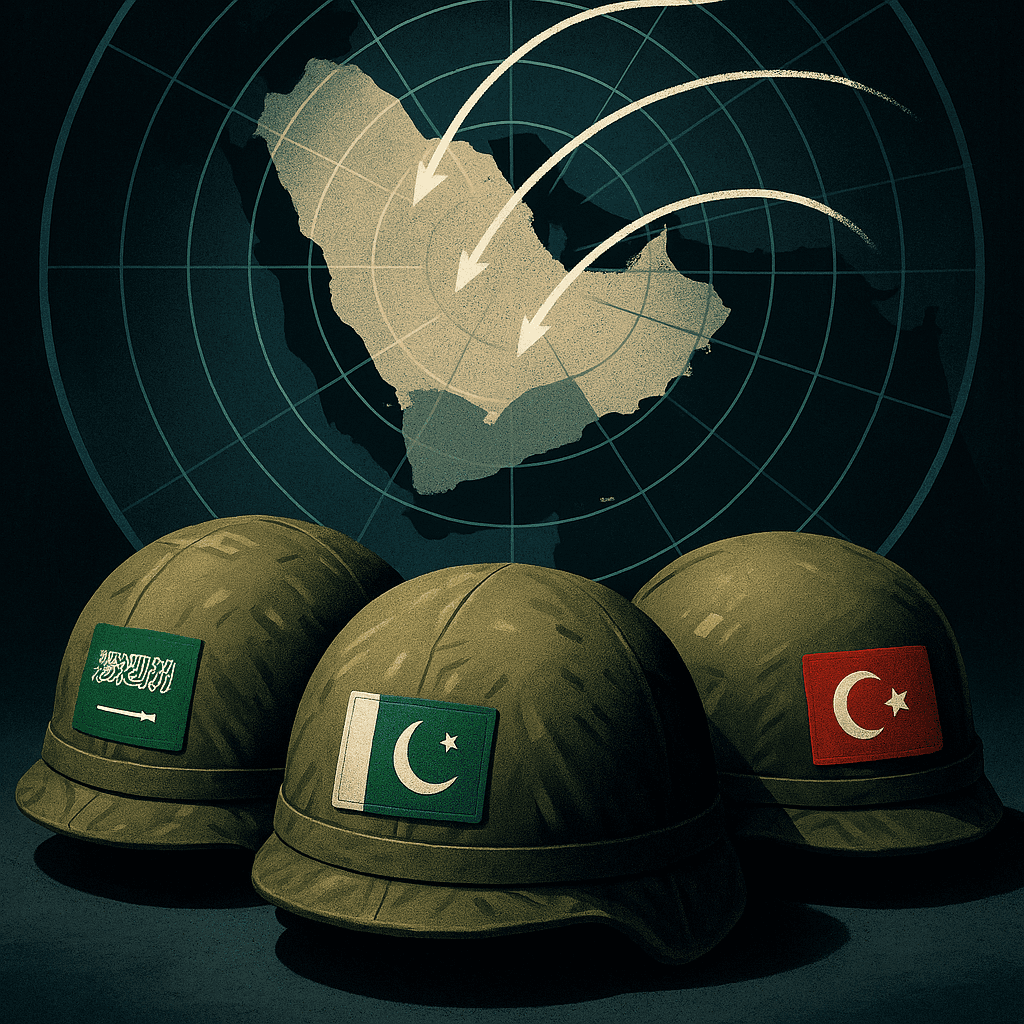
Through December 10, Houthis Won’t Damage Pakistan or Turkey Infrastructure
The Mecca Defense Pact just put two more flags on the Saudi firing chart. The consensus panic says this widens the war within weeks. The signal says the Houthis will talk big, hit Saudi and the sea, and leave Pakistan and Turkey’s hard targets alone for this 60 day window.
Comments
Be the first to comment.