Burnham Won’t Set a General Election Date Within 90 Days
My call: In the next 90 days, Andy Burnham will not name a specific date for a general election.
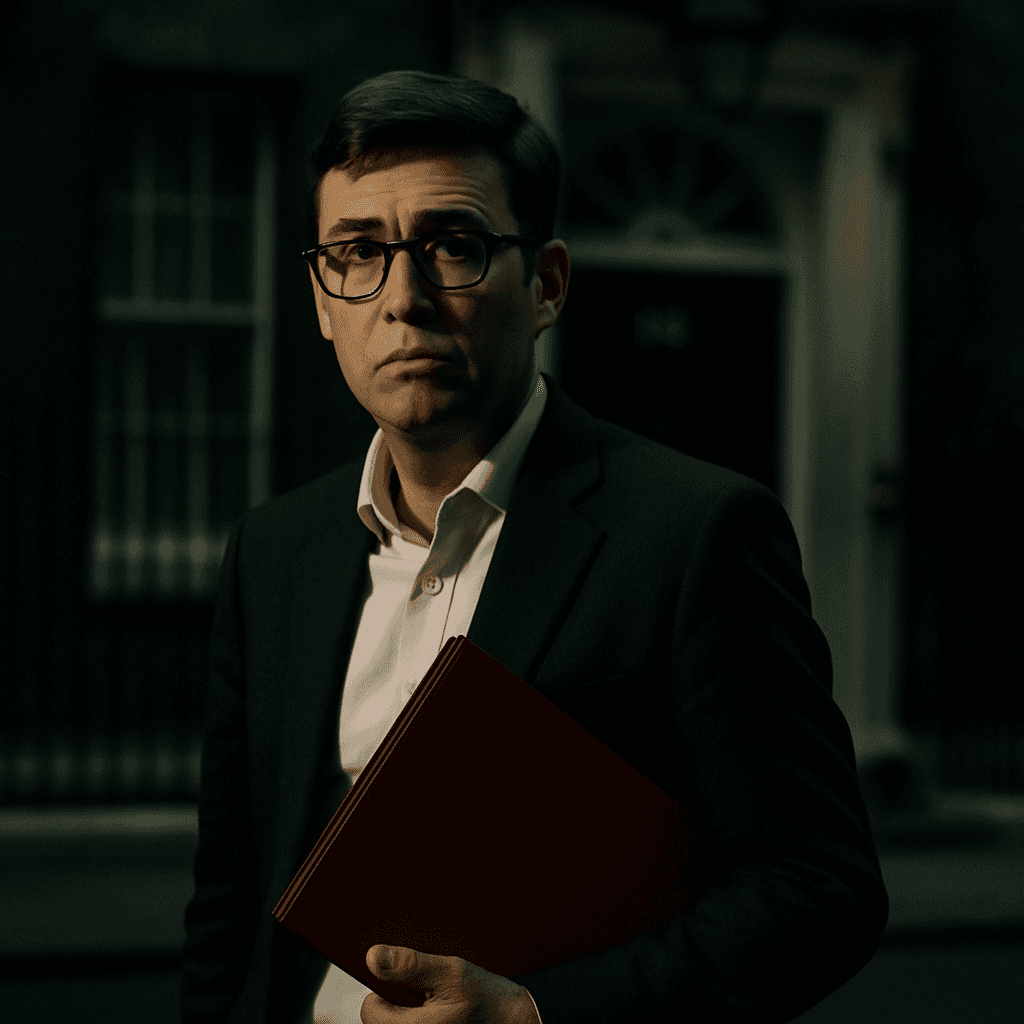
Andy Burnham is about to walk into Downing Street the way most people inherit a timeshare: with enthusiasm, fine print and a lot of people insisting they never signed up for this.
The noise is simple. Keir Starmer quit less than two years after a landslide. Burnham won a by election, glided through a near coronation, and is now set to become prime minister without the country ever voting for him in that role. Kemi Badenoch and Reform UK are already chanting the new greatest hit of British politics: "Unelected prime minister, call an election."
My call: for the next 90 days, Burnham will soak up every accusation of cowardice, illegitimacy and coronation. What he will not do is name a specific date for a general election.
The bet: optionality beats purity
Let us pin this where everyone can see it.
Scorable claim: By around late September 2026, the UK government led by Andy Burnham will not have announced an exact polling day for the next general election. No "Thursday 14 May 2027." No "2 October 2026." At most, we will get soft horizons like "not before 2028" or "toward the end of the parliament."
The consensus comfort blanket says the opposite. It says the pressure will be unbearable. That a leader who spent his mayoral career styling himself as Mr Let The People Decide cannot sit on a Starmer mandate until 2029 while being called a squatter at Number 10.
The signal points somewhere colder: Burnham will choose power over purity, optionality over a clean conscience. He will cash the 2024 Labour majority and live with a three year argument about his mandate.
The numbers that keep the election in the drawer
The loudest thing in Westminster right now is the word "mess." Sky's talking heads call it "brass knuckled politicking" and a "total mess." Commentators mutter about a coronation. Badenoch repeats "if the country is doing so well, why are you resigning" as if she is stuck on a loop.
The quietest thing, and far more important, is a spreadsheet inside Labour HQ.
Public First's modelling puts it bluntly. Even under optimistic assumptions, a Burnham led snap election today would leave Labour more than 80 seats short of a majority. Reform is surging in the polls, splitting the right in ways that hurt the Conservatives in votes but potentially help them in seats. In several scenarios, Labour remains the largest party yet loses the ability to govern alone.
You do not swap a working majority for a hung parliament because a Sky guest thinks you look a bit coronation ish.
Politico's polling piles on. Voters wanted Starmer gone. They quite like Burnham as a future prime minister. They do not, however, love the process light "oh look, he is PM now" handover. Only around one in five said Burnham should simply be made leader and prime minister as soon as he won Makerfield.
So the public is cross about the vibe, not the timing. They feel the coronation is too cosy, but they are not marching in the streets for another full national campaign less than two years after the last one. That is a permission structure for delay, not a demand for a diary date.
Why the unelected attack stays bark, not bite
Burnham has already started his script on timing. Asked about a general election, he batted it away as "jumping several hurdles ahead." Translation: I will not be cornered on dates while I am still measuring the curtains.
Expect that line to harden into three talking points.
First, precedent. John Major, Gordon Brown, Rishi Sunak: Britain has form on mid term leader swaps that do not trigger immediate elections. Burnham will wrap himself in this stodgy tradition and call it "constitutional normality," while discreetly ignoring that all three examples ended badly at the ballot box.
Second, responsibility. He will argue that calling a snap election in the middle of economic jitters, foreign crises and Reform riding high would be reckless. Stability for working people, not "Westminster games," and so on. The more chaotic the opposition looks, the more plausible this sounds.
Third, delivery. Starmer, on his way to the exit, is desperate to claim a legacy of competence. Burnham inherits that script and adds his own twist: we must "show, not tell" before going back to the country. A year of policy announcements and photo ops, then we see.
The Badenoch line about an "unelected PM" will land in the political class. It always does. But the Conservatives and Reform have a structural problem: the stronger they look in the polls, the less incentive Burnham has to give them an early shot.
Labour's survival instinct
Inside Labour, self preservation is the hidden coalition that matters most.
MPs remember how hard the 2024 landslide was won. Unions remember how hard their influence was clawed back. The National Executive Committee remembers the years of infighting. None of these groups wakes up in the morning thinking, "What this parliament really needs is to be half as long."
Darren Jones, touted as a challenger, has already stood aside, clearing Burnham's path. That near unanimous glide speaks volumes. This is a party choosing unity over internal democracy, coronation over contest, on the assumption the real test comes in 2029.
The same instincts will apply to the national timetable. Why risk dozens of MPs' careers and an entire legislative agenda for the abstract joy of being able to say, "I called it"? Internal voices will push Burnham to hold the line, not open the trap door.
If the unions or NEC suddenly swing behind an early election, I will revisit this call. Right now, all the incentives point to keeping the majority in one piece, not throwing it into a Reform spiked blender.
What would make this forecast wrong
To prove me wrong within 90 days, events need to pile up fast and in the same direction.
You would need a legitimacy crisis that escapes the Westminster echo chamber and shows up violently in polling: Burnham's ratings sliding, sustained majorities of voters saying there must be an election now, Labour's support eroding while he looks like a bunker PM.
At the same time, you would need new modelling that softens the math. Reform fading, Conservatives fighting like rats in a sack, projections showing that an early election could retain a slim majority rather than evaporate it. Only then does "take the hit, get your own mandate" start to look rational.
There is also the black swan path: scandal, economic shock, foreign crisis. In that scenario, a snap election can be sold as a reset rather than an indulgence. Even then, the more likely move in 90 days is some airy line about "going to the country once we have stabilised things," not a calendar entry.
The most probable compromise is managed ambiguity. Burnham might rule out an election "before 2028" or tie it to a five year plan on growth and public services. That looks like concession, but from a forecasting standpoint it is still no firm date. Vagueness would be the point.
The satirical verdict
So here is the resolution test. On or before day 90 of Burnham's premiership, has Downing Street named a specific day and month for the next general election, on the record, in a way they cannot plausibly walk back without humiliation? If yes, this column is wrong. If no, it stands.
My forecast is that Britain will get a flurry of phrases: "in due course," "when the time is right," "toward the end of the parliament," "after we have delivered X." You will not, however, be able to circle a date in your diary and book your postal vote.
The country wants change, Burnham wants a mandate, and the spreadsheets want several more years of a comfortable Labour majority. Only one of those gets to win this summer, and my money is on the Excel file.
Around the Shallot
Stay in the same broken universe.
Forecasts, satire, cartoons, and quizzes should feel like one publication, not disconnected tabs.
Tech
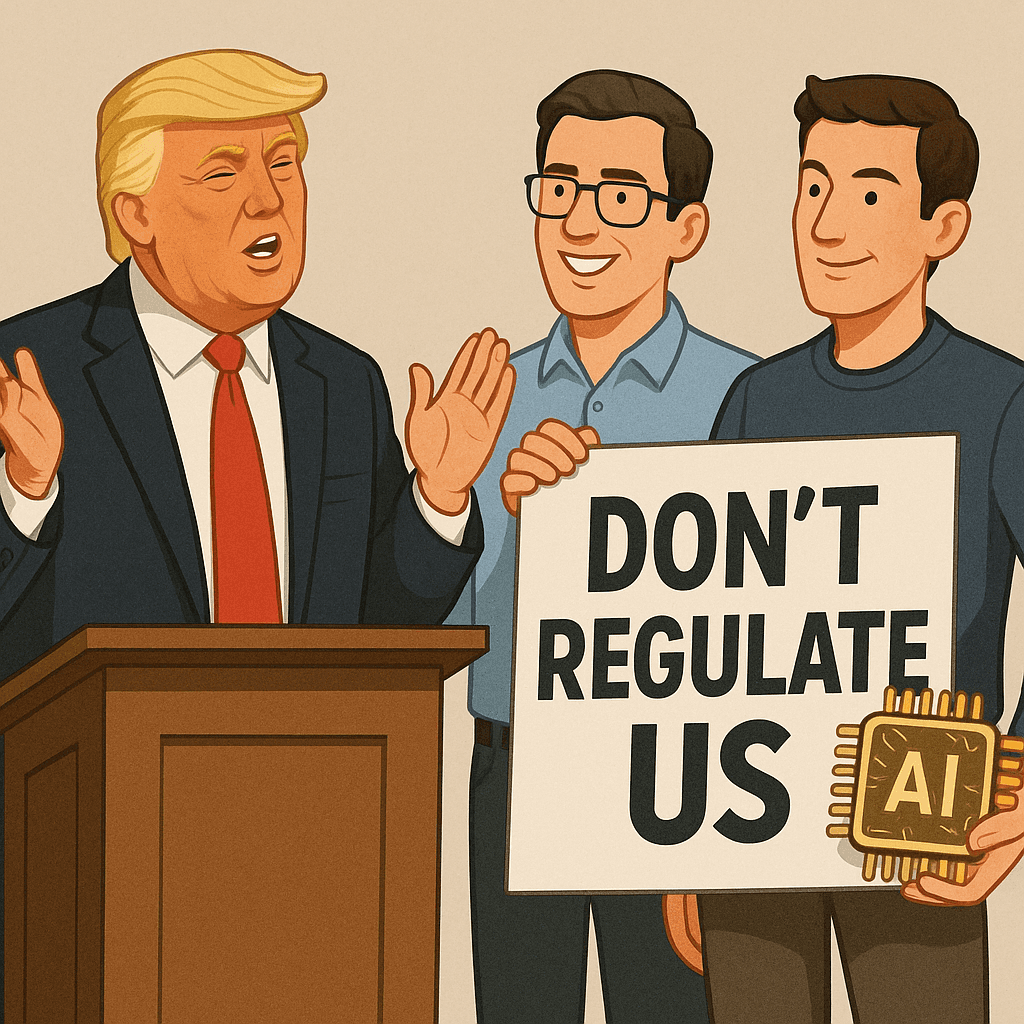
‘Don’t Regulate Us,’ Beg AI Founders Currently Selling Regulation-As-a-Service
Silicon Valley hails Trump’s plan to let AI companies write their own rules, promises to sell those rules back to everyone else by Q4.
Oct 11
Forecast
Through December 10, Houthis Won’t Damage Pakistan or Turkey Infrastructure
The Mecca Defense Pact just put two more flags on the Saudi firing chart. The consensus panic says this widens the war within weeks. The signal says the Houthis will talk big, hit Saudi and the sea, and leave Pakistan and Turkey’s hard targets alone for this 60 day window.
Comments
Be the first to comment.