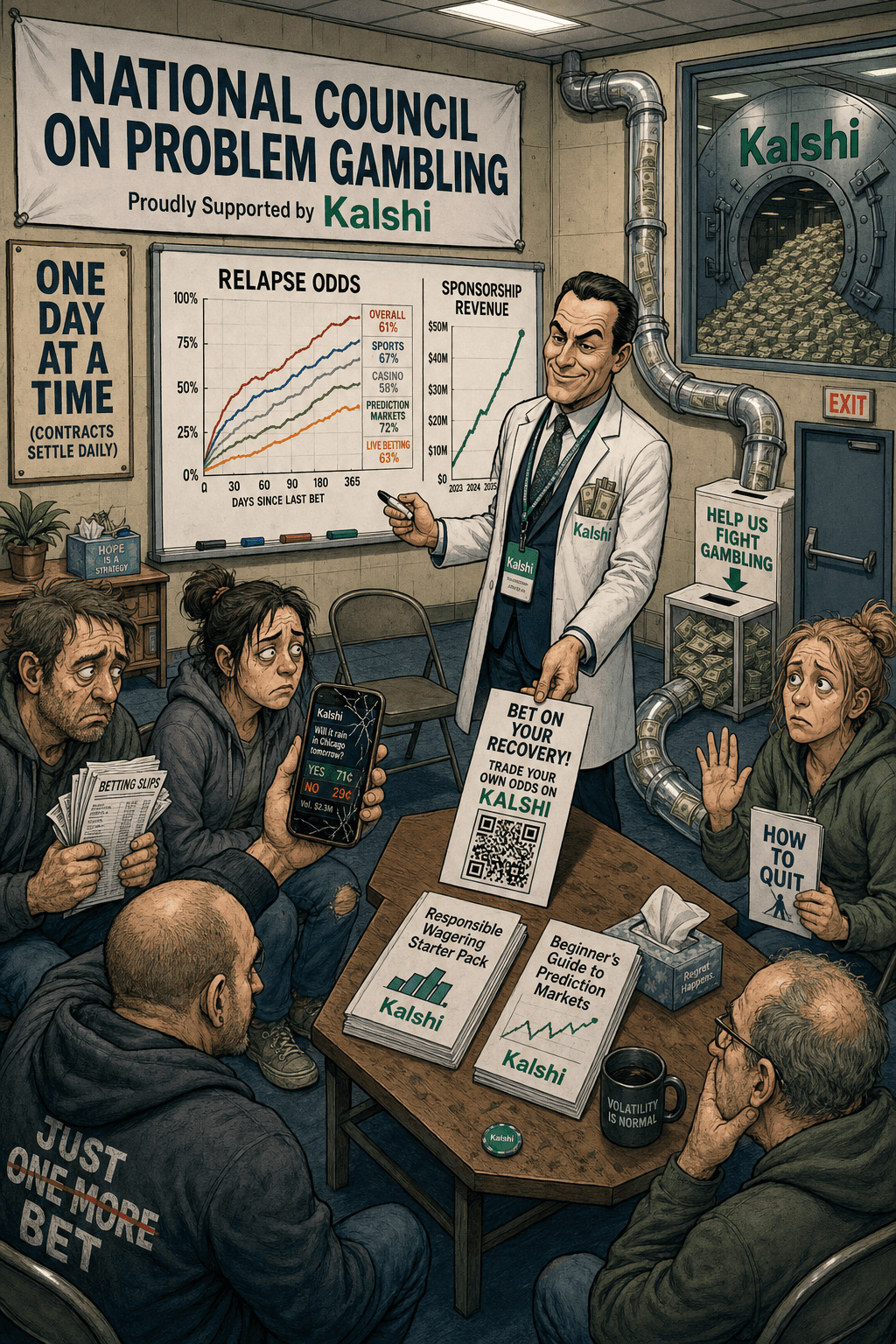
By year‑end, will Iran’s new supreme leader test the US with a major Gulf incident that clearly disrupts oil flows?
My money’s on no big, new oil shock this summer—just weaponized uncertainty at scale.
By Niles Overton – Forecast columnist
The choke point that’s already half‑choked
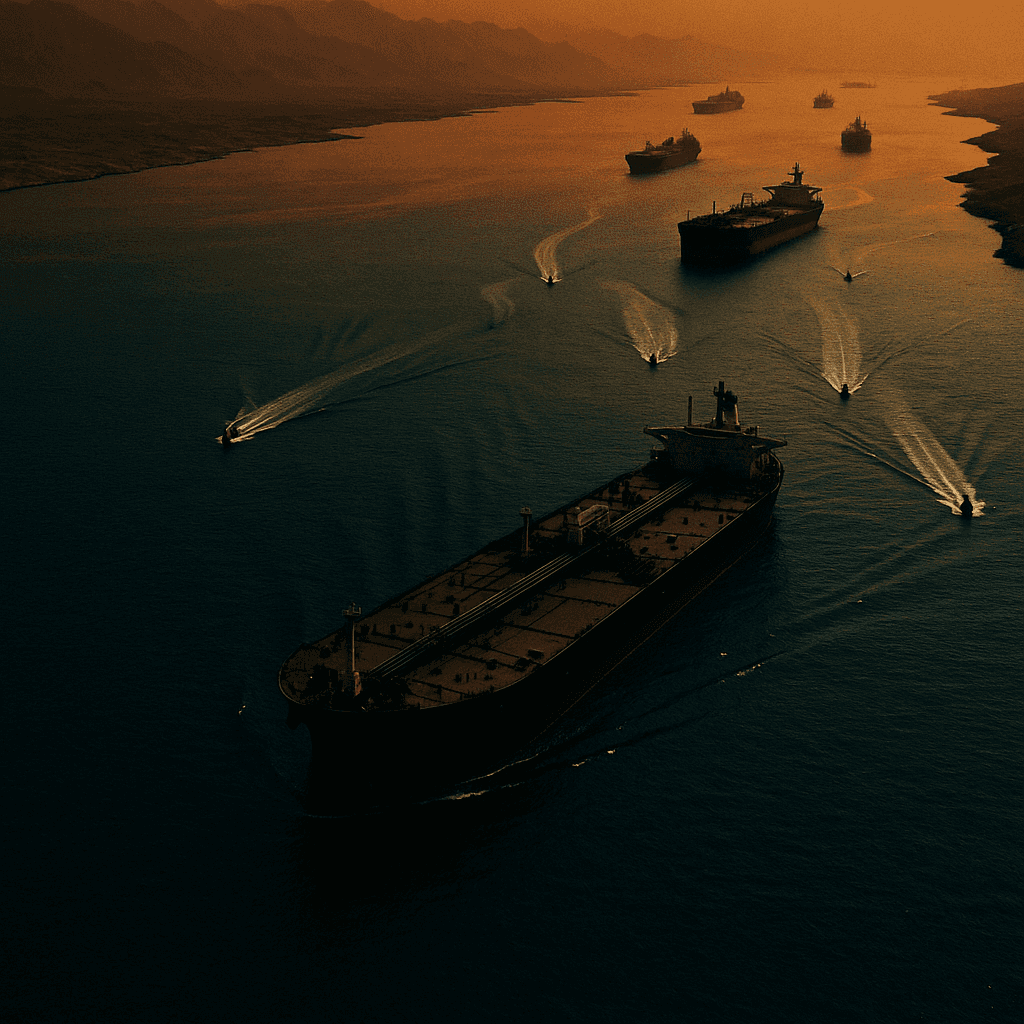
If you were designing the perfect leverage tool for a cash‑starved theocracy and a gas‑price‑haunted U.S. president, you’d build the Strait of Hormuz. Then you’d do exactly what Mojtaba Khamenei is doing now: half close it, deny you’ve closed it, and insist you’re just “managing” it in line with God, history, and a new fee schedule.
Since the U.S.–Israeli strikes on Iran in late February, non‑Iranian shipping has mostly fled the Gulf. Iran’s Revolutionary Guard boats buzz tankers, occasionally attack or redirect them, and float the idea of tolls. The U.S. Navy answers with a blockade of Iranian ports and 48 ship interceptions in 20 days. Nearly a quarter of the world’s seaborne oil and gas, in normal times, is caught between a cleric with a tollbooth fantasy and a president running out of patience—and poll points.
The scary question is whether Mojtaba escalates to a big move: a clearly Iranian mine strike, mass seizure, or disabling of a major tanker that shoves oil flows down another notch and forces Trump to either swing hard or fold in public.
My bet: he doesn’t. At least not in the next 120 days, the window that actually matters for midterms, markets, and his own grip on power.
Mojtaba wants leverage, not martyrdom of his navy
Mojtaba Khamenei has two overlapping problems: he needs to look more revolutionary than his father, and he needs an economy that isn’t in free‑fall. The Hormuz gambit is supposed to solve both—pose as the guardian of the Gulf while shaking cash loose from sanctions relief, shipping “tolls,” or both.
The key is that it’s already working at a low boil. He’s achieved three things without going full apocalypse:
- Non‑Iranian Gulf exports are way down; risk premia and prices are up.
- Iran’s parliament is teeing up a “new management” law for Hormuz, normalizing the idea that Tehran gets to decide who sails.
- Every negotiation draft now puts Hormuz in Phase One, with the nuclear file conveniently punted to later.
That is a lot of leverage for the price of some fast boats, a few deniable attacks like the Minoan Falcon incident, and swaggering speeches about “economic benefits.” A massive, clearly attributable disruption—something that knocks out an extra 15% or more of already depressed flows for a week—would risk all of it.
A big showy strike doesn’t just raise oil prices. It hands Trump and every U.S. admiral a clean casus belli, plus a coalition: Gulf monarchies, Europeans, maybe even Asian importers lining up to help “reopen” the world’s gas station. That means real strikes on IRGC Navy bases, coastal radars, maybe port infrastructure—the very machinery that makes Mojtaba’s tollbooth strategy possible. He wants to be the guy who discovered a permanent revenue machine, not the guy who got it bombed on launch day.
Trump needs cheap gas more than a big new war
If Mojtaba’s incentives argue against a giant, attributable hit, Trump’s do too—but in a different way.
Publicly, he’s threatening “massive retaliation” and insisting Iran hasn’t “paid a big enough price.” Legally, Treasury is warning shippers that paying any Iranian tolls could trigger sanctions. Operationally, the Navy is blockading Iranian ports and running ad‑hoc guidance missions to shepherd stranded vessels out.
Privately, his political problem is simpler: if American voters are staring at $6 gasoline going into November, they won’t be grading him on the Law of the Sea. He needs flows up and prices down before the midterms, and he needs that without getting dragged into a months‑long Gulf war that spikes those prices even higher.
That combination makes him paradoxically less tolerant of a new, big disruption. As long as the current squeeze can be blamed on “Biden, OPEC, and global chaos,” he can improvise—tap reserves, jawbone producers, browbeat shippers—not pretty, but survivable. A crisp, highly visible Iranian attack in Hormuz would flip the script: either he retaliates at scale and accepts a price shock, or he swallows it and looks weak. Neither is ideal campaign material.
So both sides are boxed into the same ugly middle: too committed to their red lines to openly trade tolls for access, too scared of the fallout to kick over the table this summer.
Gray‑zone harassment is the sweet spot of shared cowardice
That’s why the most likely path between now and early September is more of the same, just louder and more regulated.
On Iran’s side, watch for parliament to pass some version of its Hormuz law, wrapped in nationalist rhetoric about sovereignty and “economic rights.” It will probably give the IRGC Navy formal authority to inspect or redirect ships that don’t play by Tehran’s rules—without ever quite saying “we will mine your VLCC.”
At sea, expect more small‑boat swarms, more drone fly‑bys, and the occasional dramatic boarding or temporary seizure of a high‑profile tanker. The point is to keep insurance premia and risk perceptions high, not to lock in a week‑long, unambiguous 15‑plus‑percent collapse in flows that forces the U.S. to make good on its threats.
On the U.S. side, look for an even heavier naval footprint and more aggressive “guidance” ops—escort in all but name. Washington will keep the blockade on Iranian ports as its favorite pressure lever, while quietly tolerating some partial resumption of non‑Iranian exports if Tehran scales the harassment down from “terrifying” to “merely extortionate.”
The likely landing zone is a grubby bargain dressed up as statesmanship: Iran claims recognized “security responsibilities” in Hormuz, maybe gets some face‑saving role in inspections or insurance schemes; the U.S. loosens parts of the blockade and looks the other way as flows crawl back toward normal. Nuclear issues and proxy wars get kicked into Phase Two, otherwise known as Never.
The wild cards—and what would change this call
There are ways this forecast breaks. A rogue IRGC boat captain could turn a close pass into a flaming tanker. A Gulf ally or Israel could over‑interdict an Iranian ship and trigger a tit‑for‑tat spiral. Or Mojtaba could decide that only a spectacular “closing of the Strait” will cement his revolutionary credentials and force a U.S. drawdown from his so‑called maritime perimeter.
If we see three things together, I’d raise the odds of a big, clearly attributable hit:
first, Iranian rhetoric shifting from “new management” and “economic benefits” to explicit, time‑bound threats of “complete closure;” second, a sharp escalation in IRGC Navy tactics—live‑fire near U.S. warships, repeated boarding of fully laden supertankers from U.S. partners; and third, credible reports that negotiations over Hormuz governance have fully collapsed, not just stalled.
Absent that trifecta, the logic of mutual self‑preservation wins. Mojtaba needs a stable hostage, not a corpse. Trump needs a villain, not a war.
So no, I don’t expect Iran’s new supreme leader to stage a single, undeniable oil shock in Hormuz before summer’s out. Why blow the pipelines sky‑high when you can keep the world paying ransom by the week—and still plausibly claim, with a straight face, that you’re just running a neighborhood watch program for the global economy’s throat?
Around the Shallot
Stay in the same broken universe.
Forecasts, satire, cartoons, and quizzes should feel like one publication, not disconnected tabs.
Tech
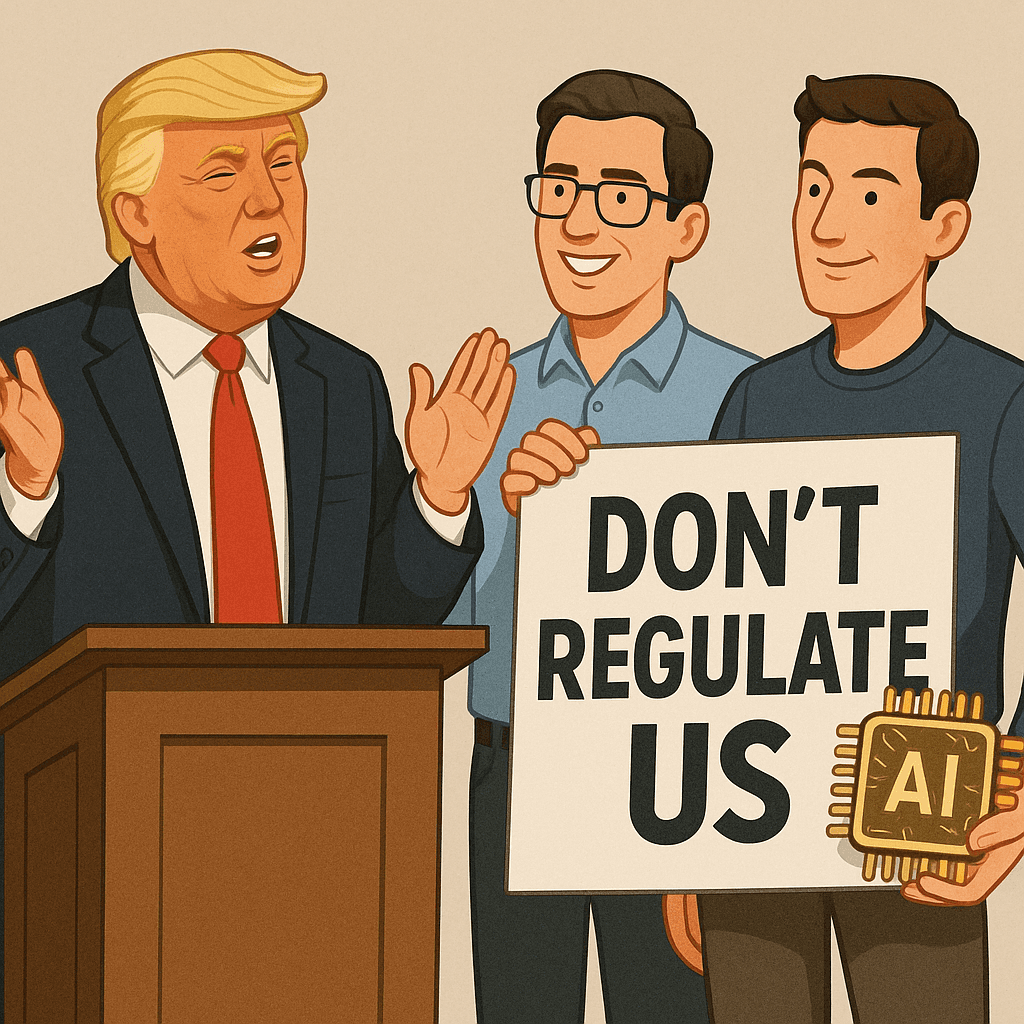
‘Don’t Regulate Us,’ Beg AI Founders Currently Selling Regulation-As-a-Service
Silicon Valley hails Trump’s plan to let AI companies write their own rules, promises to sell those rules back to everyone else by Q4.
Oct 11
Forecast
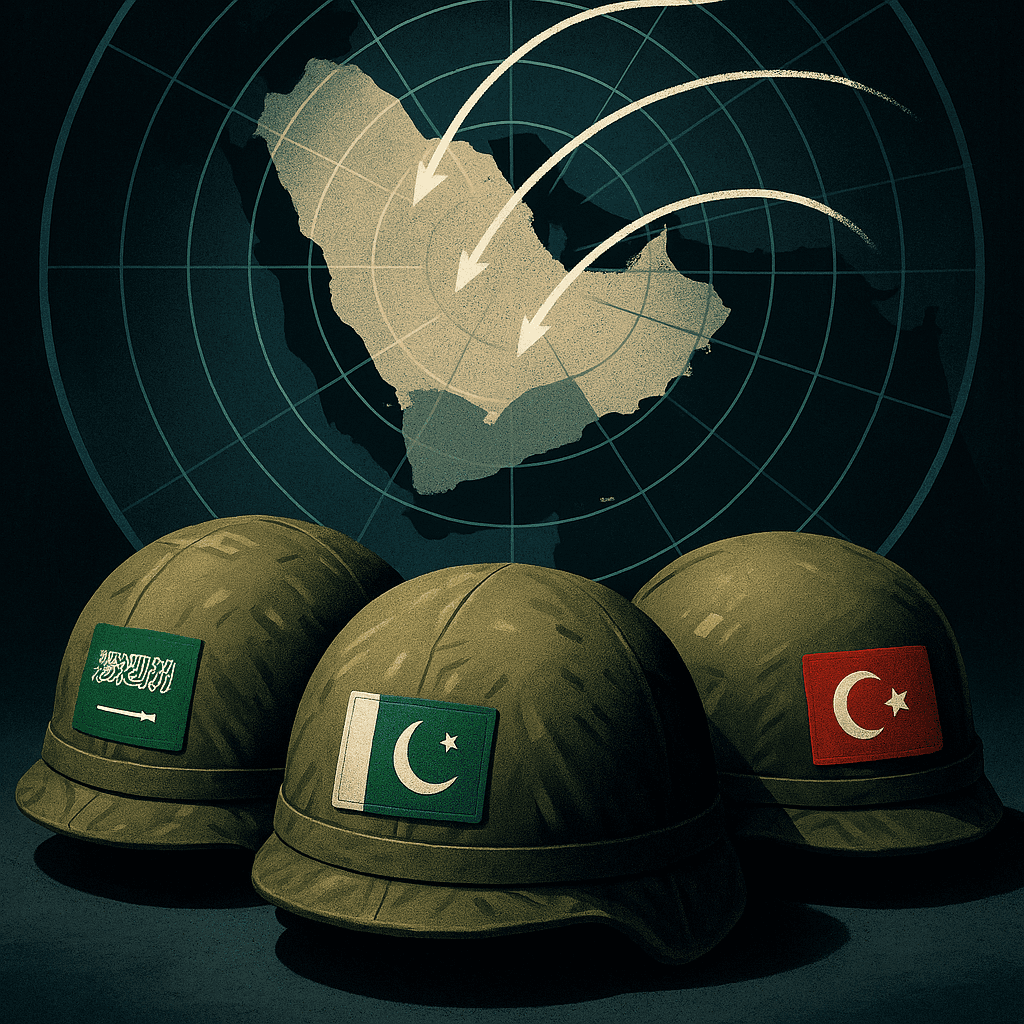
Through December 10, Houthis Won’t Damage Pakistan or Turkey Infrastructure
The Mecca Defense Pact just put two more flags on the Saudi firing chart. The consensus panic says this widens the war within weeks. The signal says the Houthis will talk big, hit Saudi and the sea, and leave Pakistan and Turkey’s hard targets alone for this 60 day window.
Comments
Be the first to comment.