Hormuz Crude Flows Will Stay Sub‑90% of Pre‑War Levels in Q3 2026
My call: crude through the Strait of Hormuz is still stuck below 90% of pre‑war levels in Q3 2026.
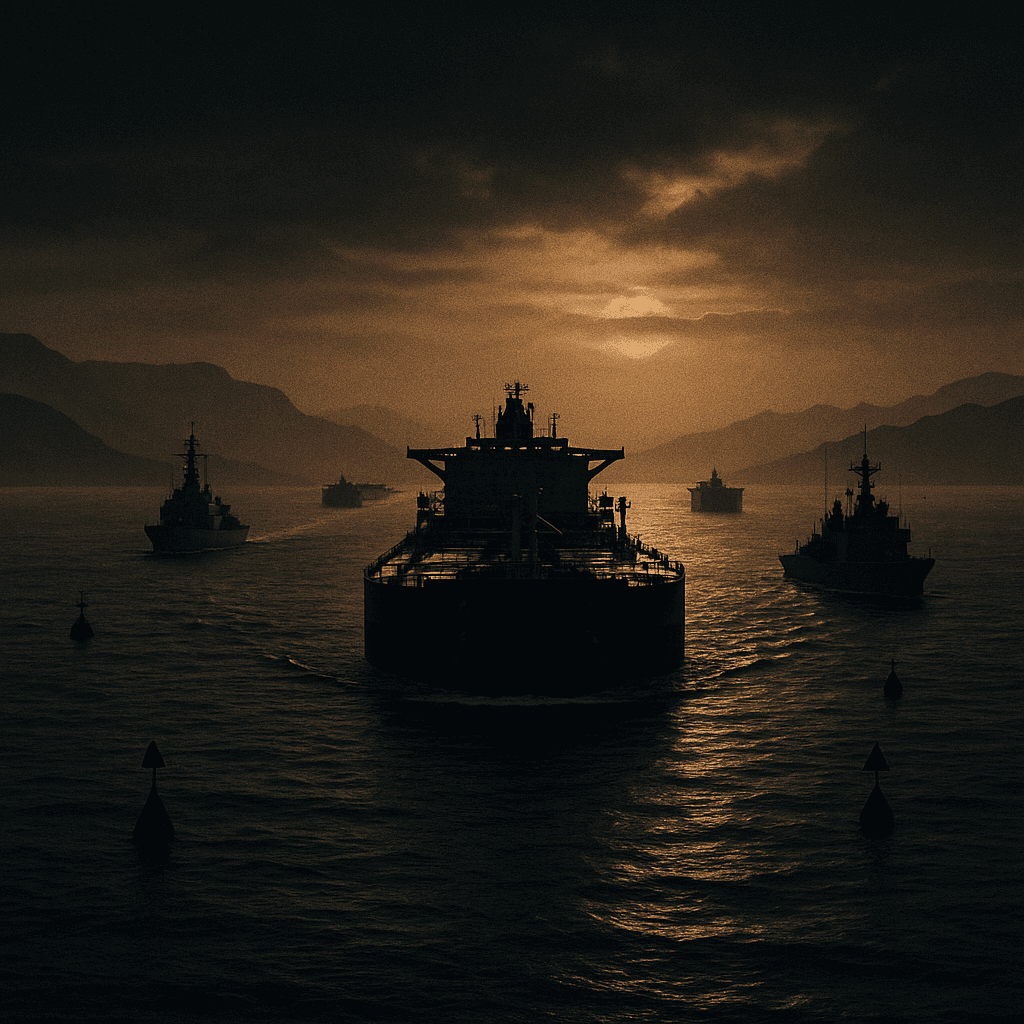
Oil just dropped through $100, European gas futures are off about 8%, and global equities are partying like the tankers are already steaming past Hormuz. Brent is trading the headline, not the hull.
On paper, the emerging deal sounds like a Hollywood finale: Iran ships out its 60% enriched uranium to the United States, parks enrichment for 15 years, gets partial sanctions relief, and agrees to fully reopen Hormuz. Donald Trump beams on TV about the strait being "OPEN TO ALL," then hops back onto Truth Social to remind everyone that if Iran says no, "the bombing starts." Markets heard the first line and quietly put the second one on mute.
The consensus bet is clear: paper peace now, normal barrels by late 2026. My bet is the consensus is speed‑running the boring part where reality matters. Peace processes are fast on cable news and slow on AIS trackers.
The forecast: below 90%, even with a deal
Here is the scorable claim, so we can actually judge this later.
Resolution axis: Take the average daily crude volumes transiting the Strait of Hormuz in the last full quarter before the war. Call that 100%. If, in Q3 2026, the three‑month average is at least 90% of that, I am wrong. If it is under 90%, I am right.
I expect a material rebound by then, not a full reset. My central band is 60% to 89% of pre‑war crude volumes through Hormuz in Q3 2026.
That is not a doomsday call. It is simply a vote that hulls, mines, lawyers, and domestic politics all move slower than traders marking up their charts this week.
The memo is priced like a miracle, written like a Post‑it
Start with the paperwork. What is on the table is a one‑page framework, not a maritime governance manual. It reportedly says: uranium leaves, enrichment pauses, some sanctions ease, Hormuz reopens, and all regional fronts quiet down.
What it does not yet say, at least in public, is the stuff that actually gets tankers moving: who is clearing which mines when, which navies escort what, how fast rapid reaction forces scramble after a drone scare, and what happens when some Revolutionary Guard captain decides to ad‑lib.
Maritime security experts have been clear. Christian Bueger, who studies this for a living, says ship traffic will only normalize with a long‑term security regime: clear rules of engagement, credible escorts, and governance that lasts longer than a U.S. election cycle. He and others are talking in timelines of months to years for a real reboot, not weeks.
If the memo is signed and then followed by months of annexes, committees, and technical talks, tankers will not wait for the photo op. They will wait for the fine print.
Mines, insurers, and shipowners do not believe in instant karma
Right now, hundreds of ships and crews are effectively parked. Hormuz is not a risk model on a spreadsheet. It is a lot of steel in a narrow channel that has recently been mined and shot at.
Clearing that is not some ceremonial ribbon‑cutting. It is slow, dangerous, and expensive. Even in a best‑case cease‑fire, you need:
- Mine‑clearing on a schedule everyone trusts.
- Multinational naval escorts that actually show up.
- Public rules of engagement so nobody is guessing what a radar lock means.
Tack on the finance layer. P&I clubs and reinsurers have zero interest in being first into a strait that just caused a 40% oil spike. They want time, data, and premiums that reflect that their ships are not target practice.
Once insurers price Hormuz as something between war zone and this is fine, the majors will route vessels back. Not all of them. Not at once. Tanker owners are not going to bet their billion‑dollar assets on the durability of a Trump tweet and an Iranian English‑language post on X promising safe, stable passage. They will wait for six or twelve quiet months and then add capacity in steps.
By late 2026, that is enough time for a serious rebound. It is still tight for a clean return to 90% plus.
Politics wants cheap gas faster than physics allows
The Trump White House wants lower pump prices into the midterms. Tehran wants money and relief for an economy strangled by sanctions and war. Gulf producers want revenue without spending the next decade building every export route around Iran.
That is the bullish case: everyone is finally aligned on making Hormuz boring again.
The problem is the fine print of that alignment. Iran is supposed to remove its 60% uranium stockpile, halt enrichment for 15 years, and tone down proxy action on all fronts. The United States is supposed to offer sanctions relief that is generous enough to matter but strict enough to sell in Congress and on cable news. And Israel is supposed to watch this nuclear concession and regional clause and decide that, actually, it would prefer to complain on talk shows rather than sabotage it.
You do not need outright war to spoil the ramp‑up. You just need a handful of drone strikes, a mine scare, or a snapback‑sanctions threat to keep insurers nervous and shippers half‑in. Each incident does not close the strait, it trims risk appetite. That is how you stall at 70% of pre‑war volumes instead of sprinting back to 100%.
What would make this call wrong?
There is a clean falsification path. I am wrong if we see a fast, disciplined, and surprisingly robust follow‑through:
The memo is signed in weeks, followed by a detailed annex that sets up a visible multinational naval regime with public rules and timelines. Iran quietly ships uranium out, the IAEA waves its clipboard in approval, and U.S. Treasury and OFAC issue crystal‑clear guidance that lets banks and shippers dive back in without calling their lawyers every morning.
Israel grumbles but stays kinetic‑silent. Mines get cleared on schedule. P&I clubs restore something close to normal cover by early 2026. Gulf producers fix what was damaged and open the taps. AIS data shows tanker traffic grinding back up through Hormuz while incident reports stay dull.
If that happens, throughput can hit or clear 90% by Q3 2026 and this column goes in the public mistake file where it belongs.
The stakes: a new normal with a permanent Hormuz tax
If I am right, the market is mis‑pricing not just timing, but the destination. A sub‑90% Hormuz by late 2026 means the world learns to live with a new normal: some barrels rerouted, some capacity permanently idled, and a structural risk premium baked into any voyage map that runs too close to Iran.
Prices do fall from the panic highs, but not back to the good old days of early 2026 that Axios nostalgically invoked. The rocket part of the price surge was the war. The feather that floats down for years is what happens when shippers, insurers, and voters decide one chokepoint will never again be treated as boring.
In other words, the US–Iran memo probably ends the war. It just does not end the surcharge on believing press conferences.
Around the Shallot
Stay in the same broken universe.
Forecasts, satire, cartoons, and quizzes should feel like one publication, not disconnected tabs.

Tech
‘Don’t Regulate Us,’ Beg AI Founders Currently Selling Regulation-As-a-Service
Silicon Valley hails Trump’s plan to let AI companies write their own rules, promises to sell those rules back to everyone else by Q4.
Oct 11
Forecast
Through December 10, Houthis Won’t Damage Pakistan or Turkey Infrastructure
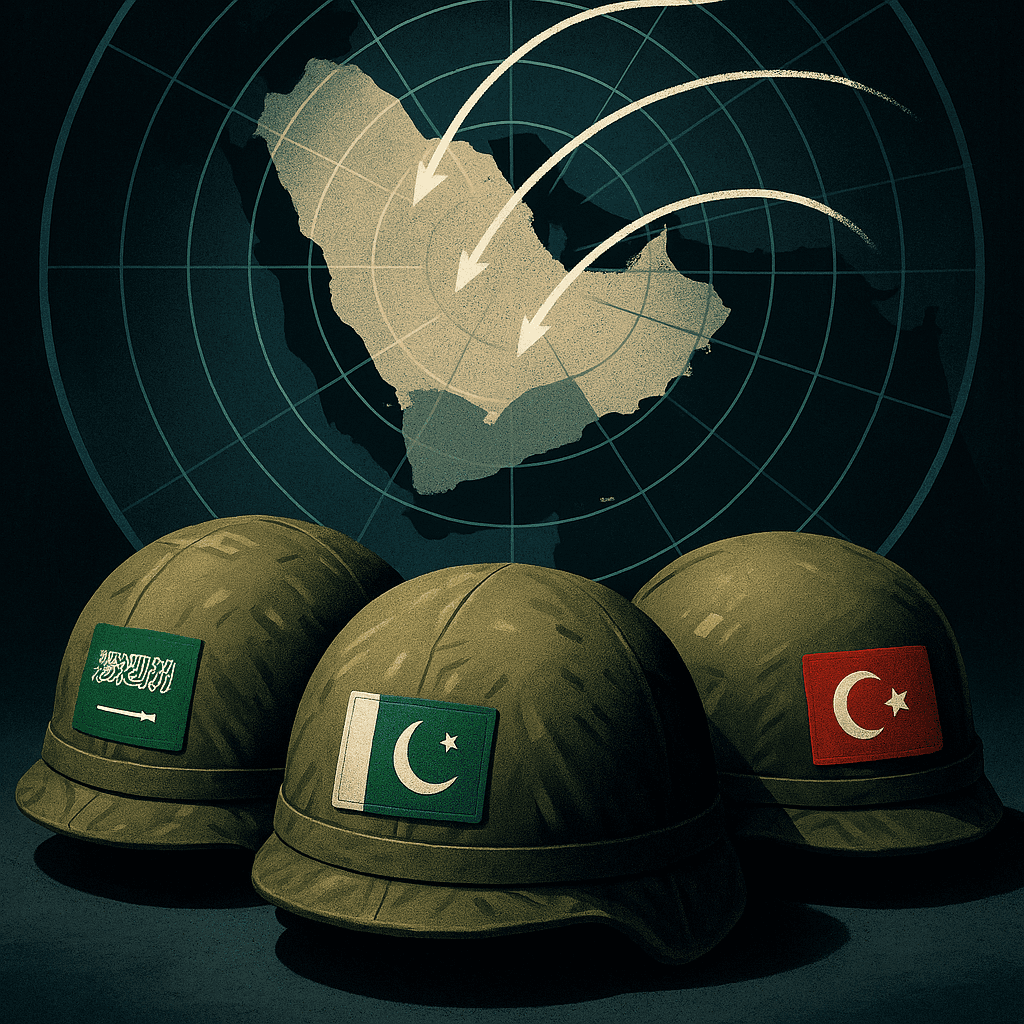
The Mecca Defense Pact just put two more flags on the Saudi firing chart. The consensus panic says this widens the war within weeks. The signal says the Houthis will talk big, hit Saudi and the sea, and leave Pakistan and Turkey’s hard targets alone for this 60 day window.
Comments
Be the first to comment.