Top Beauty Houses Won’t Put Influencers on Flagship Packaging by 2026
Everyone wants agency‑free creator deals. The big beauty houses still will not hand them the front of the box.
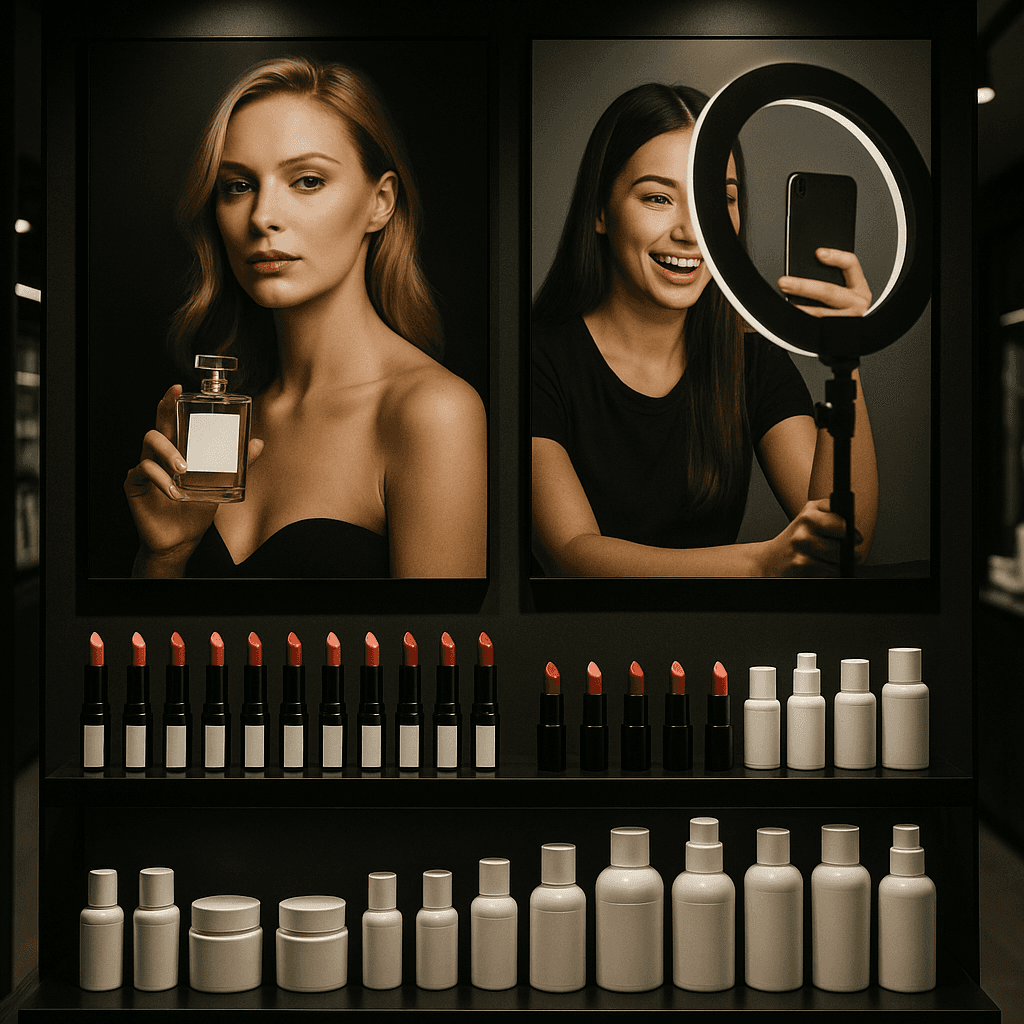
My call: the influencers stay off the box
The consensus fantasy is simple: by the end of 2026, a giant like L’Oréal or LVMH slaps “Influencer‑Designed” on a flagship line, fires the influencer agency, and we enter the age of creator‑as‑couturier.
My call: that does not happen on any mass‑distributed flagship from a top‑20 global beauty or fashion brand by revenue. We will get more creator capsules, louder collabs, and plenty of “co‑created” word salad. We will not get a core line where the packaging and hero campaign clearly say, in effect, “this was designed by a specific influencer we pay directly.”
The claim and how we score it
Here is the resolution bar for proving me wrong by 31 December 2026:
- Who: a top‑20 global beauty or fashion brand by revenue, not an indie line or DTC darling.
- What: a flagship product line, not a short‑run collab or shade extension.
- Credit: packaging and core marketing explicitly present it as “influencer‑designed” or equivalent, with a named digital‑native creator publicly credited as designer, not just as “face” or “ambassador.”
- Structure: that creator is the primary commercial counterparty to the brand, not buried behind an agency shell company.
Miss any of those and it does not clear the bar. “Inspired by creators,” “co‑created with our community,” or “creative director” titles for influencers without on‑pack design credit all fall short.
The Cannes fantasy meets the L’Oréal reality
At Cannes Lions this year, Alex Cooper did what every marketer secretly wants someone else to say out loud: cut out the middlemen. She pitched direct creator–brand partnerships with no agency in the room, a vision that pairs nicely with CFO slide decks about trimming fees and moving faster.
The beauty category is the friendliest terrain that vision could have. TikTok already runs the discovery rails. Even established celebrities like Gabrielle Union are on the record talking about TikTok‑driven beauty buys. K‑beauty, from Olive Young to COSRX, has proved you can scale on social proof and algorithmic love rather than department‑store gravitas.
Yet look at how the big prestige players still behave when real money is on the line. Valentino Beauty, under L’Oréal Luxe, just anointed Dakota Johnson and Alexander Skarsgård as ambassadors. Classic film talent, classic ambassador script. The brand narrative is couture, heritage, artistic direction. Not “designed by someone who goes live from their bathroom.”
If there were a serious internal push to swap “ambassador” for “designer” on a flagship line, Cannes is where you would expect the first smoke. Instead, the official courage stops at contract structure. Agencies get squeezed. Packaging hierarchy does not.
Why the box still belongs to labs, not lives
Beauty is unusually creator‑sensitive, but the people who approve cartons and risk memos are unusually conservative. That is the core tension.
Legal and regulatory teams are already nervous about efficacy, inclusivity, and safety claims. Attaching those to a non‑professional, visibly as “designer,” is free reputational risk. “Lab‑developed” and “artist‑designed” have defensible expertise baked in. “Influencer‑designed” invites every regulator and TikTok dermatologist to ask what, exactly, that means.
Then there is control. Prestige and luxury houses treat product narratives like state secrets. They will happily rent an influencer’s reach. They do not want to permanently share authorship of a hero franchise with someone whose brand can implode over a weekend storytime.
Retailers are not quite ready to force the issue. Target is blowing up its Ulta shop‑in‑shops to launch Beauty Studio, a curated mix of 80‑plus global prestige names with extra rewards and higher service. Ulta and Sephora are turning stores into discovery theme parks. Olive Young is exporting the K‑beauty routine gospel to American malls. All of these environments are perfectly compatible with creator‑fronted education walls and “as seen on TikTok” endcaps. None of them requires the brand itself to confess that an influencer ran product development.
Add in timing. True flagships run on 18 to 24‑month development cycles. With around 120 days left in 2026, a qualifying line would already be locked, too late for a last‑minute “influencer‑designed” reframe. The trades would be hinting. They are not.
The seductive counterfactuals
There are three obvious ways I could be wrong, all worth watching.
First, the quiet pipeline. It is possible that a major house already has an influencer‑designed flagship in the can, under embargo, with Q4 rollout across Sephora and Boots. In this scenario the reveal hits Ad Age and Business of Fashion at once, the carton says “Created with [Influencer Name],” and legal holds their breath until the first viral review.
Second, the K‑beauty exception. CJ Olive Young lives on social proof and routine education. Its US expansion is real, and so is the cash. If anyone is structurally comfortable putting a global TikTok educator’s name on a routine‑centric line, it is a K‑beauty conglomerate that has already trained consumers to trust community‑driven curation.
Third, the retailer power play. Target, Boots, or Sephora could demand a creator‑designed exclusive as the price of marquee placement in their new concepts. A risk‑tolerant brand might decide that if it has to give away some narrative control, it should at least collect the traffic.
All three scenarios rely on one thing that is still scarce: a top‑tier influencer who insists on being publicly credited as designer, not just paid like one, and a major brand willing to enshrine that on pack.
What we will get instead
The more likely 2026 outcome is messier and more boring.
Brands will keep moving toward direct contracts with creators, partly to save on agency markups and partly to own more first‑party data. They will give digital‑native stars inflated titles like “head of product vision,” then bury the actual formula work in the lab, as usual.
We will see more co‑branded capsules, extended shade ranges, and retailer exclusives that quietly rely on influencer input. Social campaigns will say “created with [Influencer]” in a way that sounds like design credit and legally functions as nothing of the sort.
AI diagnostics and tools like Revieve will march on in the background, training consumers to expect personalised routines tuned by quasi‑experts. Influencers will happily play the role of routine architect and shopping Sherpa, which reinforces their soft authority while letting brands keep hard authorship.
If you are waiting for a L’Oréal or Valentino carton that reads “Influencer‑Designed,” you are really waiting for a compliance department to sign off on importing Twitter drama directly into its risk profile. That is not a 2026 move. That is a “new CMO, clean slate, and very strong indemnities” move.
The satirical verdict
So here is the scoreable verdict, on record: no top‑20 beauty or fashion brand launches a flagship line explicitly marketed as influencer‑designed, via a direct creator contract, by the end of 2026.
The creators will keep designing the culture, the algorithms will keep deciding the winners, and the boxes will keep pretending it was all the lab’s idea.
Around the Shallot
Stay in the same broken universe.
Forecasts, satire, cartoons, and quizzes should feel like one publication, not disconnected tabs.
Tech
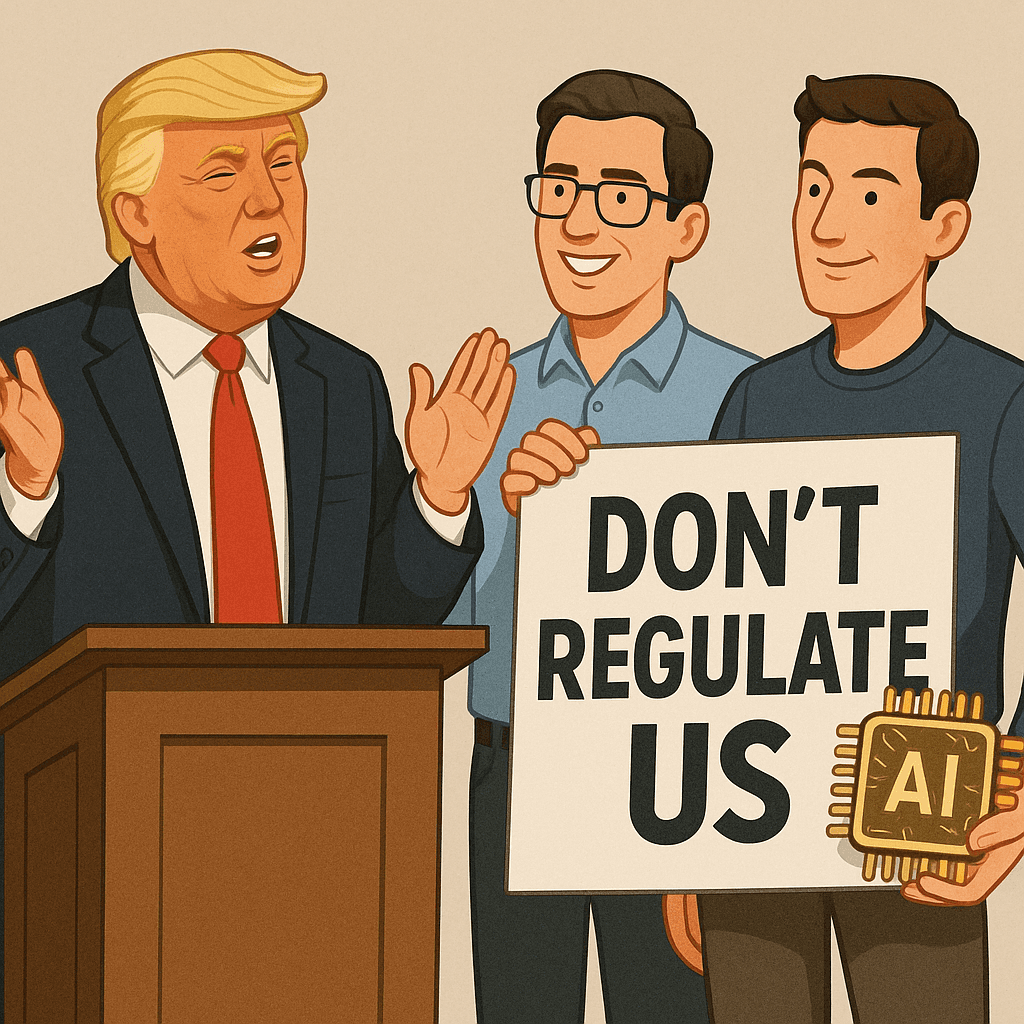
‘Don’t Regulate Us,’ Beg AI Founders Currently Selling Regulation-As-a-Service
Silicon Valley hails Trump’s plan to let AI companies write their own rules, promises to sell those rules back to everyone else by Q4.
Oct 11
Forecast
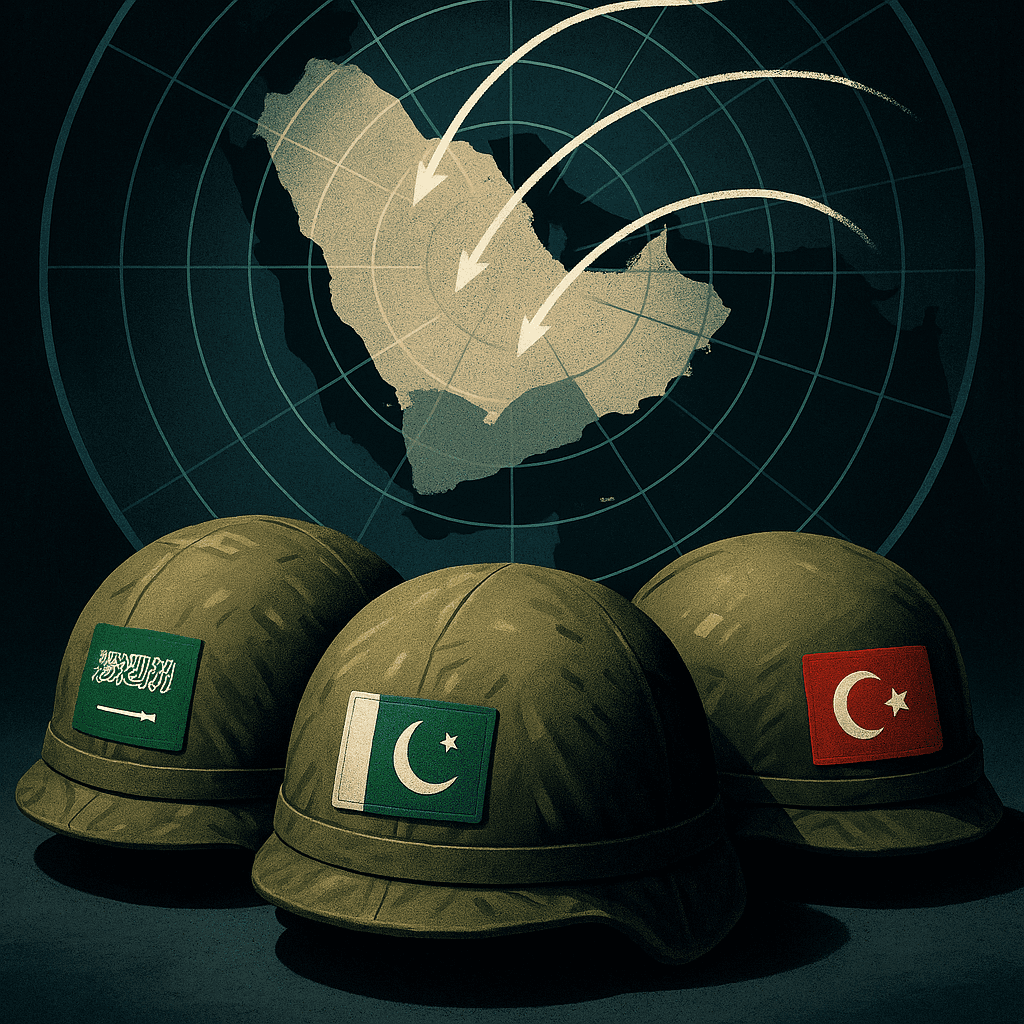
Through December 10, Houthis Won’t Damage Pakistan or Turkey Infrastructure
The Mecca Defense Pact just put two more flags on the Saudi firing chart. The consensus panic says this widens the war within weeks. The signal says the Houthis will talk big, hit Saudi and the sea, and leave Pakistan and Turkey’s hard targets alone for this 60 day window.
Comments
Be the first to comment.