Trump And Iran Won’t Finalize A Full Peace Deal By 2026
My call: Trump and Iran will stop the shooting and move the tankers, but they will not sign a real, enforceable peace by the end of 2026.
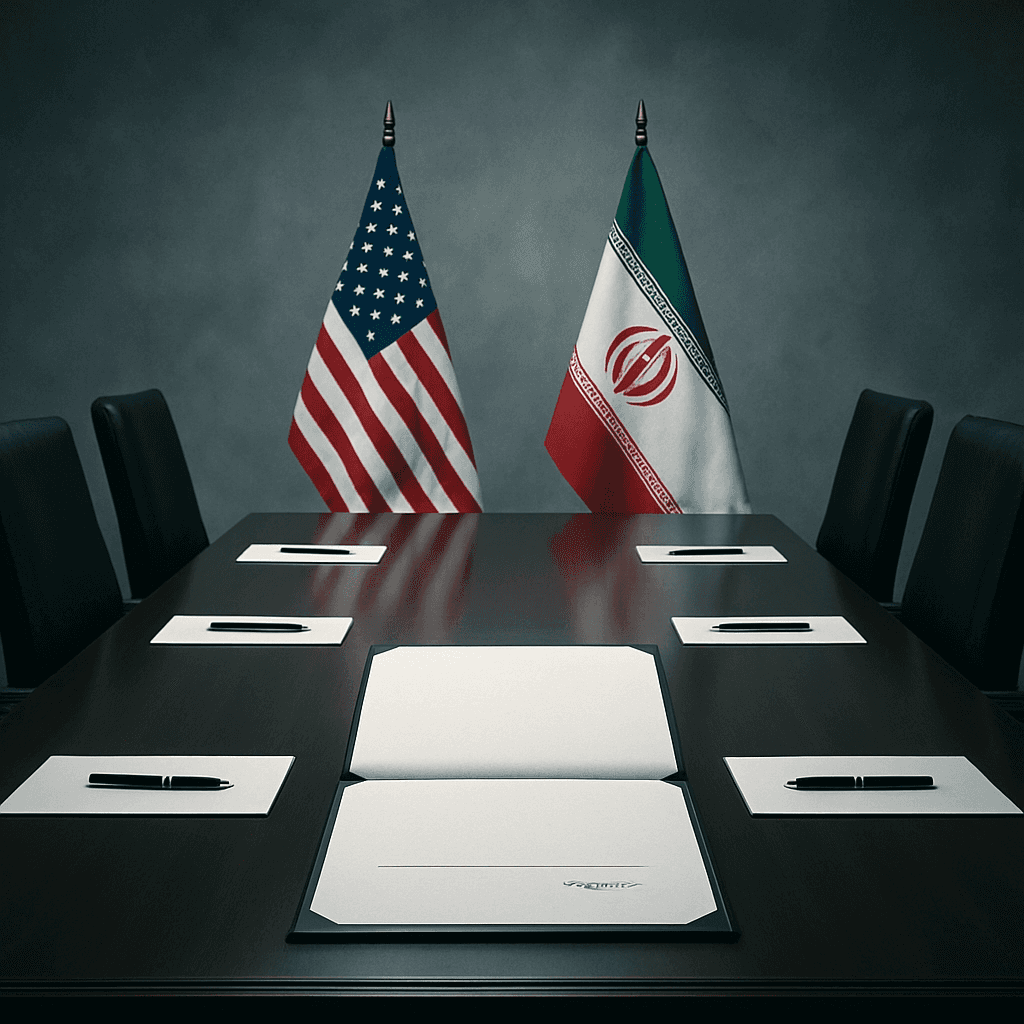
The photo comes first, the peace comes later
By the end of 2026, Donald Trump will have a triumphant photo with an Iranian flag somewhere in the background and a calmer oil market, but there will be no real peace treaty underneath the frame.
Not no deal at all. A narrow arrangement is very likely: guns quiet, tankers moving through the Strait of Hormuz again, some uranium put on a symbolic diet. What you should not price in is a single, formal, signed agreement that actually ends the war on paper and binds Tehran’s nuclear program in ways inspectors can enforce.
The consensus hope right now is that war fatigue and $7 gas will force everyone into a grown up compromise. The signal points to something smaller and slipperier: a ceasefire in a blazer, marketed as peace and drafted as a memo.
The call: what I am betting against
To score this later, here is the clean bet.
By 31 December 2026, the United States and Iran do not bring into force a single, written agreement that checks all of these boxes at once:
- Signed by duly authorized representatives of both governments.
- Explicitly terminates the current state of armed conflict between them.
- Provides for reopening the Strait of Hormuz to normal commercial traffic.
- Includes binding, verifiable limits on Iran’s stockpile of uranium enriched above 20 percent.
They can get partial credit on any of those pieces and this forecast still resolves as a miss for Team Peace Treaty. An MOU that reads like a vibes based ceasefire, or a shipping corridor deal with nuclear to be named later, does not count.
Why the deal wants to be small
Start with Trump. He is selling a largely negotiated
14 point memorandum on social media, then publicly ordering his own team not to rush. Translation: he wants maximum political upside from the idea of a deal, without paying the policy cost of a real one.
His incentives are obvious. Gas prices are spiking, his approval is sliding, and even Republicans are wobbling on the war. He needs a headline that calms markets and reassures swing voters that he is not addicted to airstrikes. He also needs that headline to say
my deal, not Obama’s JCPOA
.
A truly robust accord, however, looks suspiciously like JCPOA with extra paperwork: sanctions relief, frozen assets unlocked, intrusive inspections, staged nuclear limits. It takes months of drafting, verification fights and congressional screaming. It hands Democrats and Republican hawks the same talking point, that he paid Tehran for a photo op.
Which is why the emerging framework sounds deliberately narrow. Thirty days to reopen the Strait. Then, maybe, sixty days to talk nuclear details, if Washington first lifts sanctions and unfreezes assets. Plenty of room for Trump to declare a historic victory at day 30 and quietly forget day 60 ever existed.
Tehran’s victory narrative meets its balance sheet
Iran’s side of the table is not built for sweeping, binding peace either.
The leadership is shaken and opaque after wartime assassinations. Factions in Tehran are telling the public they beat a superpower, even as the economy buckles under sanctions and blockade. That is not the mood music you choose before you sign a document that hands the International Atomic Energy Agency your most sensitive uranium and formally ends your heroic war.
The leaked outline fits this psychology perfectly. The current 14 point MOU, officials say, is focused on ending the war
and parking the nuclear file for later. The nuclear talks only start after the United States moves first on sanctions and frozen assets. Even then, key questions like how and where Iran’s 60 percent uranium is diluted or exported are punted into a future negotiation.
Iran badly needs economic relief, and reopening the Strait is a lifeline. It does not need to sign away its nuclear hedge in a way that is hard to reverse. A series of reversible, technical understandings suits an insecure regime far more than a capital P Peace.
The hawks, the lawyers, and the calendar
Then there are the people whose full time job is to kill big agreements.
In Washington, both parties are suspicious. Republicans are already rehearsing the line that Trump is caving
to Tehran. Democrats would be happy to remind voters that he lit this war and is now paying Iran to climb down from his own ladder. Any significant sanctions relief or asset unfreezing invites hearings, lawsuits, and a new round of who lost the Gulf
op eds.
Israel and Gulf partners are not passive, either. They want cheaper energy and fewer missiles flying around the neighborhood. They do not want a deal that leaves Iran with a short nuclear breakout time and a sense of strategic vindication. Their leverage is quiet but real: security cooperation, intelligence flows, lobbying on the Hill. They are likelier to accept a managed de escalation than a glossy peace accord they cannot veto.
Finally, the calendar is brutal. Even if the 30 day Strait opening and 60 day nuclear window start on time, you are asking two wounded governments, two fragmented bureaucracies, the IAEA, regional allies, and at least one domestic legislature to turn that into a finalized, implemented peace text inside two years. These are the same actors who took more than a decade to half build and then torch the JCPOA. Nobody here has suddenly become speed focused.
The narrow path to being wrong
There is a world where this forecast flops. Oil shocks can concentrate minds. Trump likes dramatic reveals. Iran’s new leadership might decide that a once in a decade economic reset is worth swallowing a humbling treaty that looks, on paper, a lot like unconditional surrender with better branding.
If that alignment happens, it will be obvious: a signed text, public and specific, that says
the war is over, the Strait is open, here is the uranium plan, here is how you can check.
It will probably carry language about binding force and some form of domestic endorsement on both sides. If we see that, mark this column and enjoy watching me eat it.
The more likely outcome is quieter and messier. Tankers move under a narrow naval arrangement. Iran ships some 60 percent uranium to a friendly third country and dilutes the rest in slow motion. Congress yells, then adapts. Trump calls this
the greatest peace in history
, and his allies nod along until the next crisis.
When historians write that chapter, they will not call it peace. They will call it what it is: a ceasefire in search of a press release, and a president who finally kept one promise. He did not make a bad deal. He made a half of one.
Around the Shallot
Stay in the same broken universe.
Forecasts, satire, cartoons, and quizzes should feel like one publication, not disconnected tabs.

Tech
‘Don’t Regulate Us,’ Beg AI Founders Currently Selling Regulation-As-a-Service
Silicon Valley hails Trump’s plan to let AI companies write their own rules, promises to sell those rules back to everyone else by Q4.
Oct 11

Forecast
Through December 10, Houthis Won’t Damage Pakistan or Turkey Infrastructure
The Mecca Defense Pact just put two more flags on the Saudi firing chart. The consensus panic says this widens the war within weeks. The signal says the Houthis will talk big, hit Saudi and the sea, and leave Pakistan and Turkey’s hard targets alone for this 60 day window.
Comments
Be the first to comment.

