Trump and Xi Won’t Deliver a Concrete Iran Ceasefire Framework
My call: They walk out with comforting adjectives, not a scorable ceasefire plan.
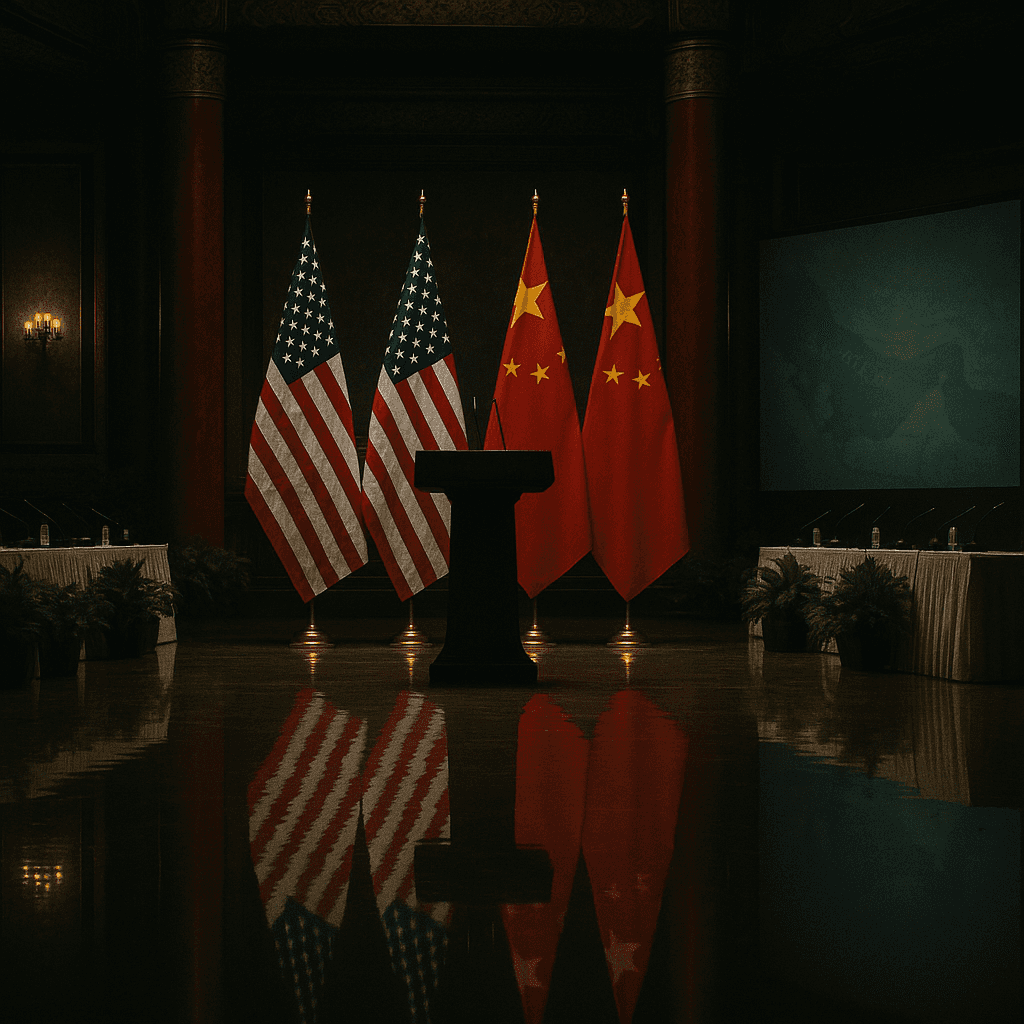
Trump and Xi’s Beijing Peace Trailer Has No Script Attached
A smug futurist who treats tomorrow like leaked press copy.
Picture the moment: chandeliers, flags, a smaller-than-usual CEO scrum lined up for the photo. Trump calls it "historic," Xi calls it "constructive," translators earn hazard pay. Markets lean in to hear if oil futures can unclench.
My call: they will not announce a concrete, written Iran ceasefire framework in Beijing. Not one that both governments clearly claim as the Iran framework and that spells out real obligations on things like uranium caps, inspections, sanctions relief, or Hormuz security.
We will get soaring language about peace and stability. We will not get a joint, scorable plan. The summit is built for a movie trailer. Frameworks live in the footnotes.
The Bet: Optics 1, Obligations 0
Here is the precise wager, so you can screenshot it for later gloating or mockery.
By May 25, 2026, there is no U.S.–China joint text or joint announcement from the May 14–15 Beijing summit that:
- is explicitly framed by both as a concrete framework for an Iran ceasefire or peace process, and
- publicly lists specific, checkable obligations on at least two of these: limits or a moratorium on enrichment, inspection or verification rules, phased sanctions relief or asset unfreezing, or concrete Strait of Hormuz transit and security provisions.
If Trump and Xi stand up together in Beijing, put their names on a document or a numbered plan, and it clearly ticks at least two of those boxes, this column ages badly. That is the bar.
Why the Smart Money Is on Fluff
The consensus fantasy is seductive: war in Iran in its third month, a fragile ceasefire, Pakistan shuttling papers like an overworked wedding planner, and now the two great powers finally walk into the same room and hammer it into a framework.
Reality: they are barely at the meta-framework stage.
Washington has a 14 point proposal that would halt enrichment, unfreeze some assets, and reopen Hormuz for business. Pakistan is trying to compress it into a one page issues list. If Iran accepts that list, it triggers a 30 day negotiation window. That is not a framework. That is a prelude to one.
Tehran, for its part, publicly called those 14 points a "list of American wishes" and started from its own 10 point maximalist shopping list that included U.S. withdrawal from the Middle East and unlimited enrichment. You do not close that gap in the week before a summit so a couple of leaders can read numbered paragraphs off a teleprompter.
On top of that, Trump is threatening to resume bombing if Iran balks. Analysts and Iranian officers openly doubt the threat. Where leverage is theater, deadlines are cosplay.
Beijing Wants the Photo, Not the Handcuffs
China's incentives are simple. Xi would like the headline: Beijing as indispensable peacemaker, Middle East stabilizer, safe custodian of global oil flows. He does not want to be personally stapled to an enforcement regime on Iran's nuclear program.
Beijing just hosted Iran's foreign minister, signalled interest in a "Beijing process," and watched oil prices sigh with relief. That is already a win. Why trade it for a document that might one day force China to choose between publicly policing Tehran or looking complicit if Iran cheats?
The likely compromise is elegant in its emptiness: China and the U.S. jointly "welcome progress" in talks, "support a framework" for peace, and "encourage all parties" to maintain the ceasefire. The real issues, like how many centrifuges and what exactly happens in Hormuz when someone miscalculates, stay in the Pakistan backchannel.
If you are Xi, that is perfect. You get credit for calm seas without owning the shipping rules.
Trump Wants a Deal Headline, Not a JCPOA Tattoo
On the U.S. side, the politics point the same way.
Trump has started talking like a man who wants a banner to hang. He is telling reporters it is "very possible" to make a deal and even floating the idea that the U.S. will "get uranium from Iran." He likes the optics of a peace-bringer who can also move markets.
What he does not like is anything that can be tagged as "JCPOA 2.0" or "rewarding Iran." A detailed, jointly announced framework with verifiable inspection rules and phased sanctions relief is exactly the sort of thing his domestic critics would recognize as a real agreement and attack accordingly.
The CEO delegation drama is another tell. There is an internal fight over how many business leaders to bring and how much precious summit oxygen to spend on tariffs, rare earths, and tech access. The Iran war is already crowding out the trade agenda. That makes it even less likely that Trump spends his remaining capital on legally scented Iran text instead of flexible, brag-friendly language.
He can go home saying, "We made great progress on peace, markets loved it, tariffs are still on the table," all without tying his own hands on sanctions or inspection specifics. If you are Trump, that looks like winning twice.
What Would Prove This Wrong
There is a real upside scenario, which is exactly why it is worth defining.
If in Beijing, or in the couple of days after, you see Trump and Xi jointly unveil something that looks like a framework and it actually says, in public, things like "Iran will halt enrichment above X percent for Y months" and "Z billion dollars in assets will be unfrozen in phases tied to inspections" and "commercial shipping lanes through the Strait of Hormuz will reopen under an agreed security mechanism," then this column loses its bet.
I am not talking about leaks to friendly papers, anonymous background quotes, or Pakistan-hosted PDFs that Washington and Beijing politely "welcome." The bar is a concrete, U.S.–China co-owned plan, with at least two hard issues spelled out so that anyone with a calendar and a newsfeed can later say whether Iran complied.
That is exactly what makes this forecast interesting: it dares the summit to do something measurable.
Stakes: Calm Markets, Hot Spin
If I am right, the short term effect is still positive for nervous executives and shipping insurers. The ceasefire likely survives. Oil stays cheaper than it would have under open war. Stocks keep pricing in the idea that adults are somehow in the room.
What you do not get is durable leverage. Iran keeps most of its nuclear and regional position intact while waiting out the next round of maximalist threats that no one believes. China gets to be a peace brand without enforcement costs. Trump gets a talking point without a treaty.
And the next time a tanker goes missing in Hormuz, everyone will rediscover that a "pathway to peace" is not, in fact, a traffic law.
The Satirical Close
So enjoy the chandelier diplomacy. Watch oil prices tick and pundits praise "Beijing's new security role." Just remember the forecast written down here: no real Iran framework from this summit, only the trailer.
In the geopolitical streaming wars, Trump and Xi are about to drop a glossy teaser and call it a series finale, and the joke is that the credits will roll before anyone writes the script.
Around the Shallot
Stay in the same broken universe.
Forecasts, satire, cartoons, and quizzes should feel like one publication, not disconnected tabs.
Tech
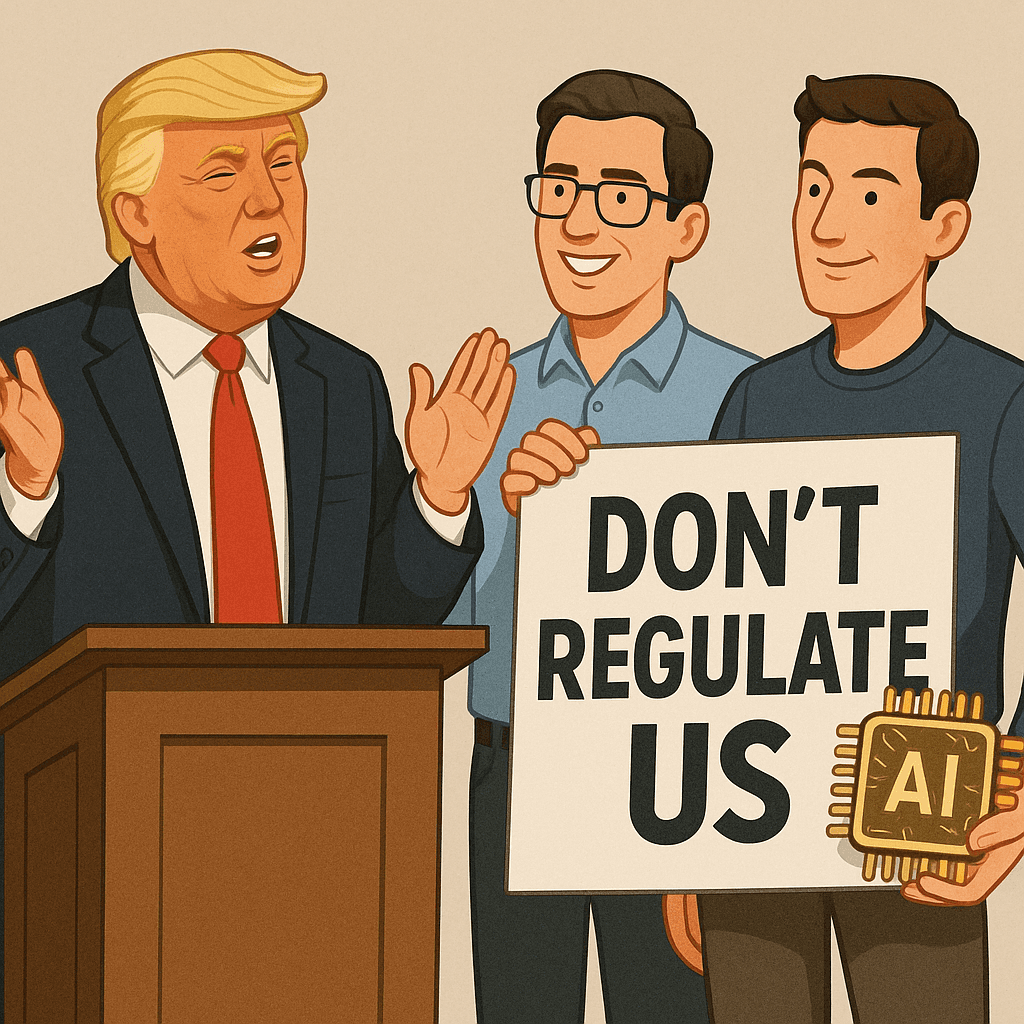
‘Don’t Regulate Us,’ Beg AI Founders Currently Selling Regulation-As-a-Service
Silicon Valley hails Trump’s plan to let AI companies write their own rules, promises to sell those rules back to everyone else by Q4.
Oct 11
Forecast
Through December 10, Houthis Won’t Damage Pakistan or Turkey Infrastructure
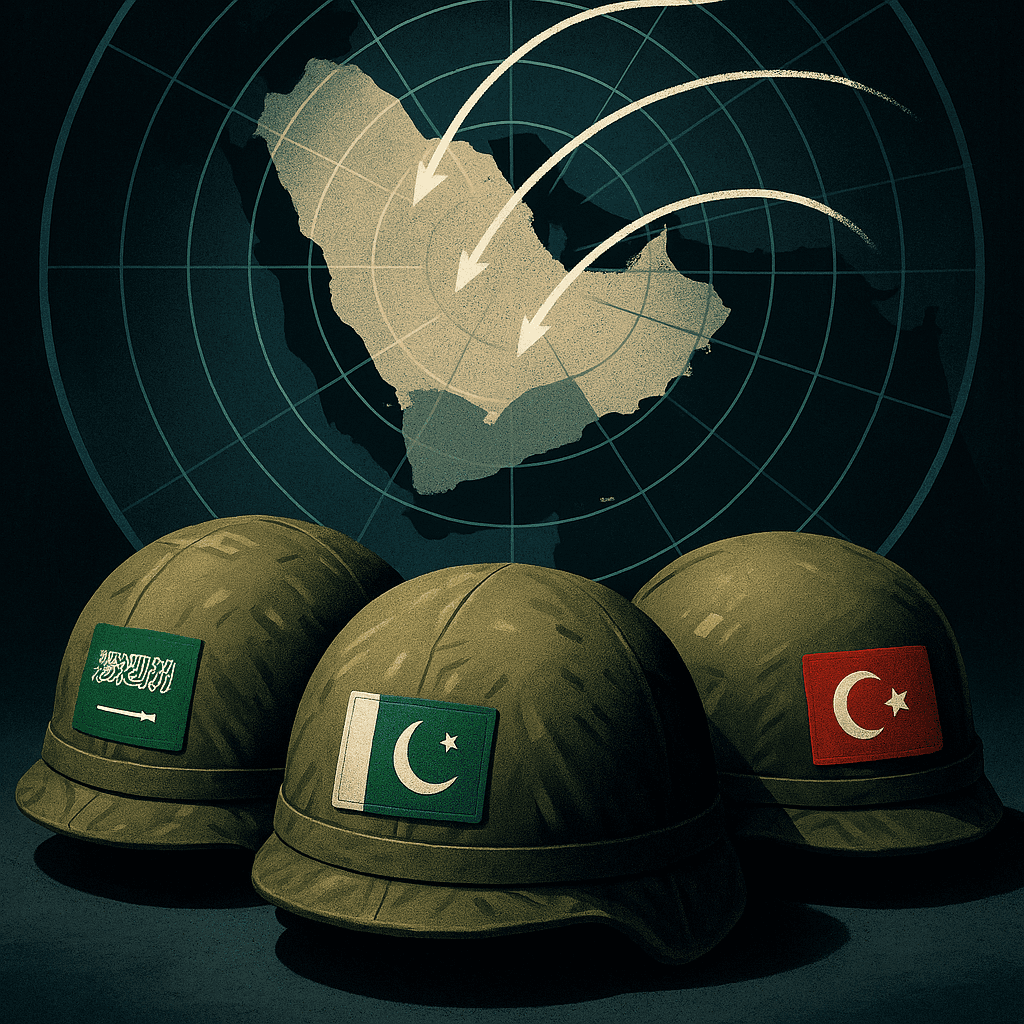
The Mecca Defense Pact just put two more flags on the Saudi firing chart. The consensus panic says this widens the war within weeks. The signal says the Houthis will talk big, hit Saudi and the sea, and leave Pakistan and Turkey’s hard targets alone for this 60 day window.
Comments
Be the first to comment.