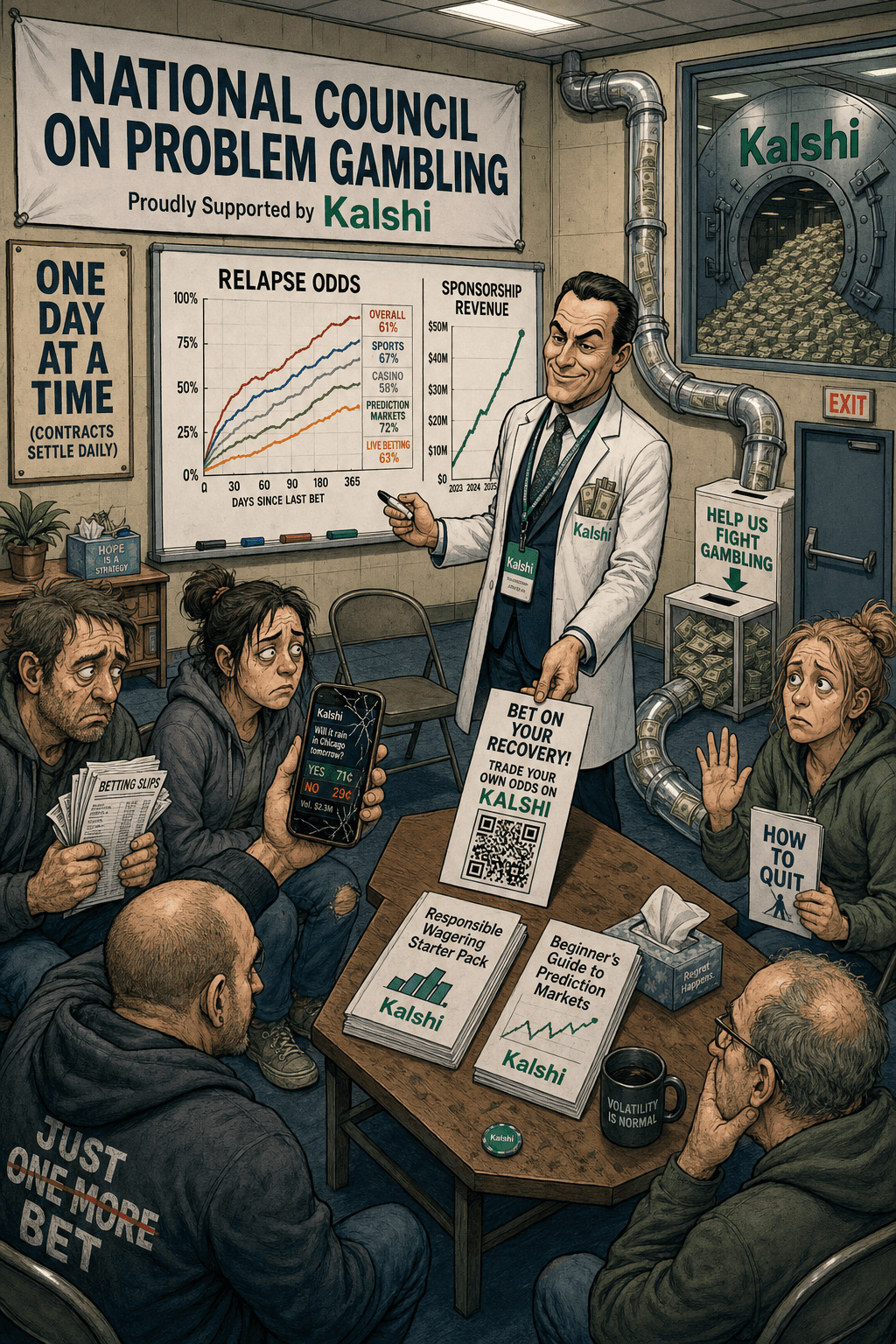
Trump’s Hormuz Blockade Will Hold; His 20% Shipping Toll Won’t
My call: the blockade survives the summer, the 20% shipping toll quietly dies on contact with reality.
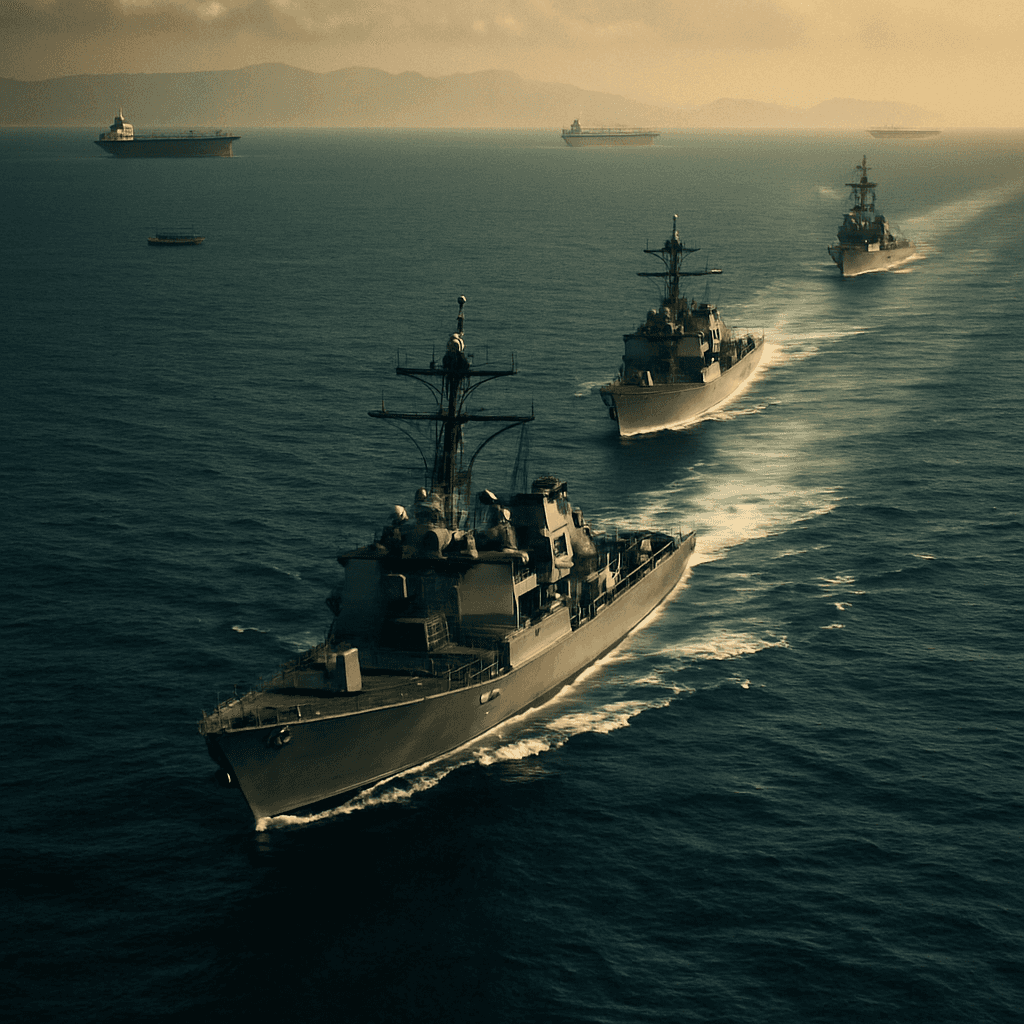
The blockade is real. The tollbooth is cosplay.
Trump just tried to do two very different things in the Strait of Hormuz. One is familiar: put U.S. warships in front of Iran’s ports and stop “Iran’s ships or customers” from moving oil. The other is new: slap a 20% charge on all cargo that dares to use the U.S. as its self‑appointed bodyguard.
Only one of these survives the next 60 days. It is not the tollbooth.
My call: by roughly mid‑September, the U.S. blockade on Iranian ports is still in force and still turning ships around. The 20% “GUARDIAN OF THE HORMUZ STRAIT” fee, on the other hand, never gets collected at scale. A handful of marginal operators might pay something for a bespoke escort. The big river of oil and containers will not be wiring Donald Trump a fifth of their cargo value for the privilege of existing.
The bet, scored in public
Here is the concrete bet you can throw in my face later.
Blockade side: Sixty days from Trump’s July 13 announcement, U.S. or coalition forces are still actively enforcing a naval blockade that prevents routine, uncontested traffic in and out of Iranian ports. That means real interdictions of Iranian‑flagged ships or clearly Iran‑bound cargo, not just a dusty PDF saying “blockade” while tankers stream into Bandar Abbas.
Fee side: Over that same window, the 20% security charge does not become a normal cost of doing business for most Hormuz traffic. No widespread invoicing through U.S. agencies or contractors, no major oil companies or carriers publicly acknowledging that they pay it as a matter of course, no insurers baking it into standard policies. Symbolic pilots and one‑off deals do not count as “monetized at scale.”
If Trump lifts the blockade entirely, I am wrong. If the 20% fee turns into a widely paid, documented toll on global shipping through Hormuz, I am also wrong. Hold me to it.
Why the blockade sticks
Blockades are politically addictive and militarily simple. America already had one in place earlier this year, then lifted it as part of a mid‑June memorandum that promised 60 days of toll‑free, safe passage while Washington and Tehran tried to talk like adults.
Instead, the “peace window” turned into a live‑fire exercise: Iranian cruise missiles into UAE tankers, strikes on a container ship, U.S. and allied missiles hitting Iran’s southern coast and radars, IRGC attacks on U.S. bases in Bahrain, Jordan, Kuwait and Oman. The interim deal is a legal document looking for a body bag.
In that context, Trump’s move to restore the blockade is not an escalation from peace, it is a reset to the war we already have. The U.S. Navy is on station. CENTCOM has rules of engagement ready. The domestic politics line writes itself: Iran keeps shooting; we keep blocking.
Most importantly, backing off fast would look like public defeat. Trump has declared the U.S. the “GUARDIAN OF THE HORMUZ STRAIT” in all caps. Walking that back inside two months because the Oman route is messy or the lawyers are cranky is not his brand.
So the blockade side of this two‑part stunt is sustainable. It fits the military posture, the mood in Washington after Khamenei’s assassination, and Trump’s appetite for visible dominance over legal tidiness. Expect continued stops, searches and diversions for anything that smells like Iranian export or import, plus a steady drumbeat of U.S. strikes on IRGC assets to justify it.
Why the 20% fee quietly evaporates
Turning naval power into a global cover charge is a different game. It requires bureaucracy, allies and spreadsheets. That is exactly where this plan falls apart.
Start with the hypocrisy problem. Less than three weeks ago, Secretary of State Marco Rubio was out declaring that Iranian tolls on the same strait “violate international law” since no country can charge fees for an international waterway. The International Maritime Organization has now politely reminded everyone that charging transit tolls for basic passage has “no legal basis.”
The U.S. can ignore that and keep sailing. What it cannot do so easily is conscript its own government, allies and insurers into enforcing a system it just finished calling illegal when Iran did it. Someone has to send invoices, process payments, threaten penalties for non‑payment and explain to European and Asian importers why their cargo is suddenly taxed by presidential whim.
Legally shaky plus administratively vague is survivable when the policy is free. It is a different story when you are demanding 20% of cargo value. That is not a rounding error. It is an invitation to reroute, delay or band together and say no.
Shippers and insurers have options: hold back tonnage until the shooting calms down, push for a narrower U.S. definition of who is “Iran’s customer,” move some flows through alternative routes or arrange ad hoc escorts that look like normal war‑risk surcharges, not a Trump‑branded tithe.
Meanwhile, Gulf partners and Europeans were not consulted. They are already worried about oil prices. Watching Trump privatize a global chokepoint on Twitter is not going to make them volunteer their ports and waters as tax booths.
The easiest compromise for everyone who is not Donald Trump is obvious: enforce the blockade hard against Iranian ports and obvious buyers, keep talking about the 20% fee on TV, and in practice reduce it to a niche escort charge that most big players never touch.
Signals to watch while the spin flies
Over the next two months, a few concrete signals will tell you whether this column deserves to be framed or mocked.
- On the water: Are U.S. forces still stopping Iranian‑flagged vessels and turning back clearly Iran‑bound cargo in early September, or has routine port traffic quietly resumed?
- On paper: Does CENTCOM publish detailed rules spelling out a tight, Iran‑focused blockade, or does “Guardian of Hormuz” quietly get rebranded into something softer?
- In the ledgers: Do you see a real billing mechanism for the 20% fee, referenced in contracts, insurer circulars and public filings? Or is it all slogans and no invoices?
- From the majors: When oil companies and big carriers talk to shareholders, do they admit to paying a U.S. toll as a routine cost, or do they talk about war‑risk premiums and rerouting instead?
If by mid‑September U.S. destroyers are still chasing away tankers headed into Iranian ports, and the CFO of a major shipper cannot explain on an earnings call how they account for a 20% Trump fee, that is this forecast landing on target.
The satirical verdict
This is what passes for strategy in 2026: turn a live war zone into a gated community, then try to charge HOA dues on the global oil trade.
The blockade will endure because it feeds a simple story about strength and Iran. The toll will not because it collides with a more powerful story: that even in a shooting war, global shipping companies do not like wiring protection money to a man who announces his tax policies in all caps.
In sixty days, expect the Strait of Hormuz to look less like a privatized freeway and more like what it has always been in American foreign policy: a very expensive parking lot where the bill is mysteriously addressed to everyone except the guy who ordered valet.
Around the Shallot
Stay in the same broken universe.
Forecasts, satire, cartoons, and quizzes should feel like one publication, not disconnected tabs.
Tech
‘Don’t Regulate Us,’ Beg AI Founders Currently Selling Regulation-As-a-Service
Silicon Valley hails Trump’s plan to let AI companies write their own rules, promises to sell those rules back to everyone else by Q4.
Oct 11
Forecast
Through December 10, Houthis Won’t Damage Pakistan or Turkey Infrastructure
The Mecca Defense Pact just put two more flags on the Saudi firing chart. The consensus panic says this widens the war within weeks. The signal says the Houthis will talk big, hit Saudi and the sea, and leave Pakistan and Turkey’s hard targets alone for this 60 day window.
Comments
Be the first to comment.