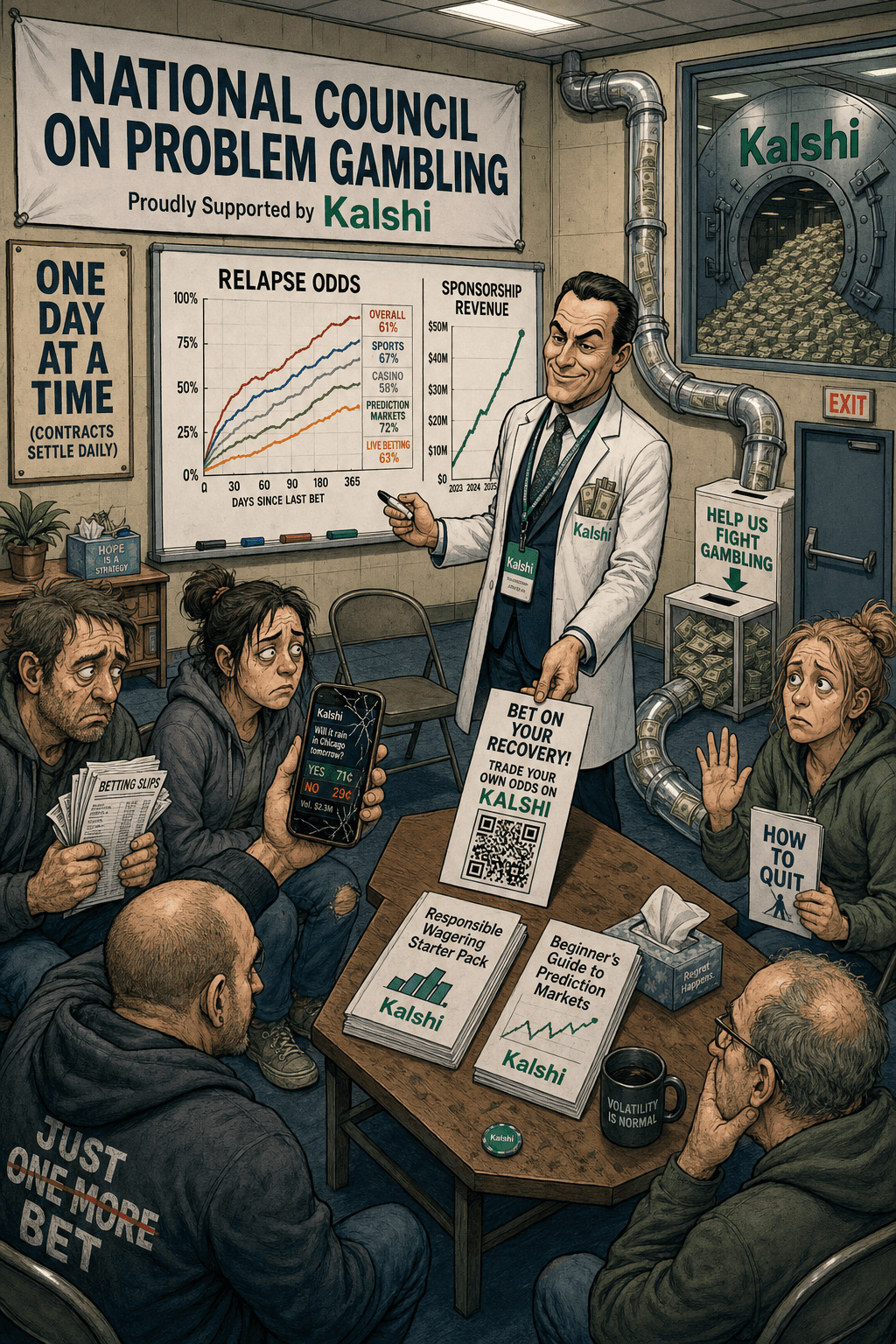
US or EU Regulators Will Launch Full Astra Probe Within 120 Days
Astra gets dragged into a deep probe within 120 days, but no one swings a court hammer to kill it that fast.
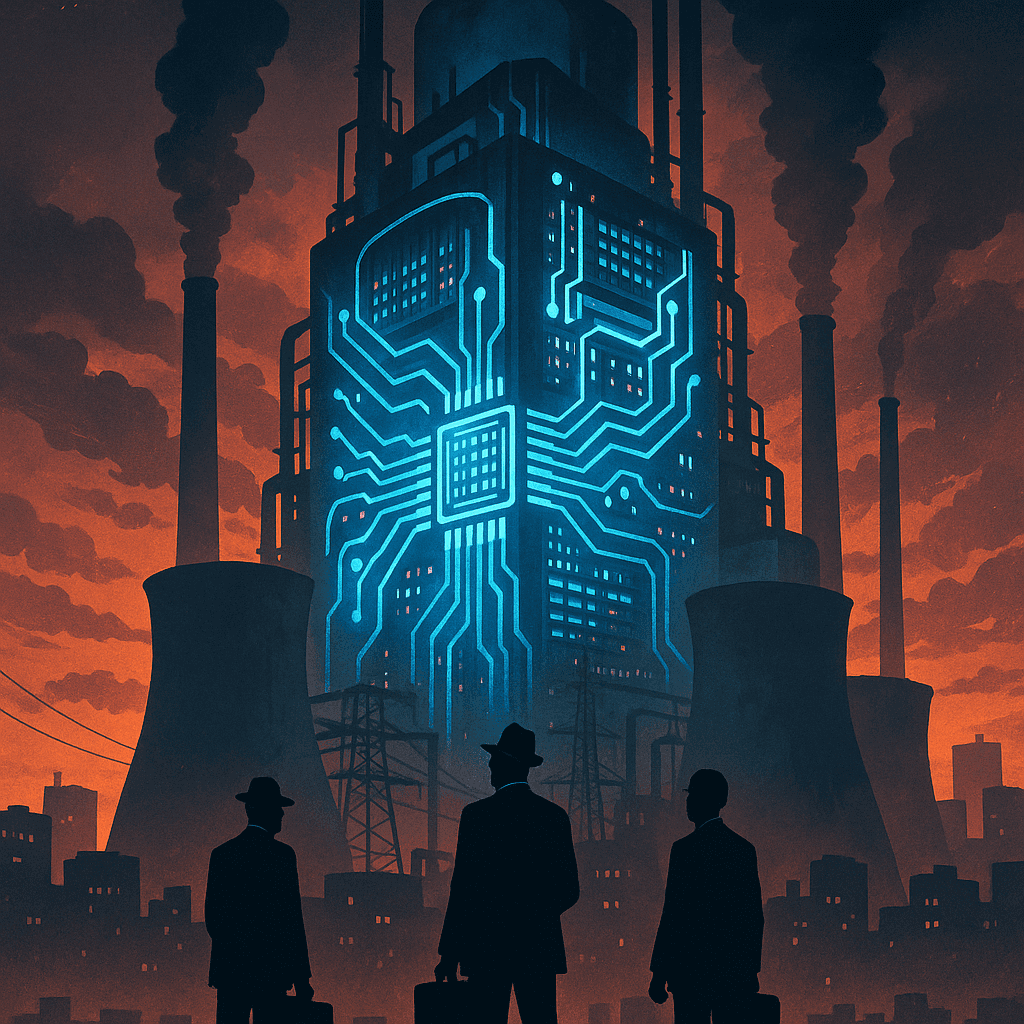
My call: Astra gets a deep probe, not a fast death
The consensus story writes itself: AI is hard, power hungry and very expensive, so of course Washington and Brussels will shrug through a $420 billion AI megamerger called Project Astra and call it "critical infrastructure."
The signal points elsewhere. My call: within 120 days of formal filings, at least one of the U.S. antitrust agencies or the European Commission opens a full dress investigation of Astra, either a Hart–Scott–Rodino Second Request or an EU Phase II. In the same window, nobody goes all the way to court or issues a prohibition decision to kill it.
Regulators will not stop Astra from being born. They will, however, insist on examining the baby under floodlights while every rival AI lab hands them medical records and a list of allergies.
What Astra really is: an AI super utility in all but name
Strip away the futurist branding and Project Astra is an old fashioned dream: own the pipes, the power and the product.
The rough sketch in the market chatter is simple enough. Combine huge chunks of regulated electricity generation, grid and transmission assets with AI dedicated data centers, cloud compute, chips and a frontier model stack that looks a lot like OpenAI with better lobbyists. Plug the whole thing into the current gold rush for AI capacity and call it a national strategy.
On paper, it is irresistible. AI workloads are driving a historic surge in power and data center demand. Microsoft is already reported to be spending north of 100 billion dollars on OpenAI and related build out. Utilities and hyperscalers suddenly speak the same language: capex, baseload, and the quiet assumption that whoever owns the compute hose owns the future.
That is precisely why Astra looks less like a boring utility merger and more like the birth of an AI super utility, one that can decide who gets cheap, reliable compute for frontier models and who is left refreshing a waitlist page.
Why a deep investigation is basically pre booked
The easy bet would be "utility deal, business as usual." U.S. history in this space looks like the NextEra–Dominion story: regulators grumble, demand divestitures in a few overlapped regions, then approve the transaction with some stern language about ratepayers.
Astra is not that. Here is what pushes it into serious probe territory.
First, AI is now an explicit antitrust target. Lina Khan at the FTC and Jonathan Kanter at DOJ did not take these jobs to wave through the one merger that puts generation, grid, data centers, chips, cloud and models in the same corporate family. Brussels has been looking for a digital infrastructure test case. Astra walks in wearing a name tag.
Second, Musk v. Altman just blessed the mega cap model. A jury tossed Musk's case and effectively told OpenAI it is free to become a trillion dollar for profit data vacuum. The trial aired exactly the fear regulators have muttered about for years: a small cluster of American firms monopolising transformative AI. Now that fear has exhibits and cross examination transcripts. Letting Astra sail through on a quick review would look willfully blind.
Third, the foreclosure story writes itself. If Astra controls power and compute that are specifically optimised for frontier AI, then every rival lab, open source collective and mid tier cloud provider has a simple line to regulators: if Astra can make our electrons and GPUs late and expensive, it can make us dead. You do not need experimental economics to build a theory of harm out of that.
Fourth, politics likes a visible scalp. Congress and the European Parliament have spent years yelling at tech CEOs on camera for platform dominance that regulators blessed a decade earlier. Here comes a single AI plus power colossus asking to be anointed in real time. The cheapest way for enforcers to look awake is a Second Request or a Phase II that says, in effect, "we see you."
Put those together and the path is obvious. A deep probe is not a radical act. It is reputational damage control.
Why nobody kills Astra in 120 days
If the investigation is the easy call, a fast kill is the fantasy. Blocking Astra outright, fast, collides with nearly every instinct governments have developed in 2020s industrial policy.
First, AI is now framed as national security. Policymakers talk about AI leadership the way they used to talk about aircraft carriers. The U.S. and EU are told they must match or beat Chinese AI, and that takes capital, which takes scale, which allegedly takes megamergers. Telling voters you stopped 420 billion dollars of domestic AI infrastructure so that a few rival labs could keep their chance at Series D funding is not a winning sound bite.
Second, the utility precedent has its own inertia. For decades, the regulatory ethic around big grid and generation deals has been "reshape, do not block." Identify overlaps, impose conditions, sign off. Rewiring that habit in a matter of weeks, for a sector that now comes wrapped in power shortage warnings, would be an institutional personality transplant.
Third, litigation is slow and risky. Both U.S. and EU enforcers are already buried in Big Tech and digital market cases. Astra would require novel theories about "AI dedicated" power and compute markets that courts have never had to define. Enforcers may get there, but not in the first four months.
Finally, Wall Street wants certainty, not heroics. Investors are prepared to fund trillion dollar AI valuations and 100 billion dollar capex plans, but only if the regulatory script is legible. A clear, noisy extended review that points to remedies later is legible. A surprise, rushed attempt to block on day 90 is not.
That is the core trade: regulators buy time and leverage by escalating the review, and they avoid taking immediate responsibility for pulling the plug on the supposed backbone of the AI revolution.
What to watch while the clock runs
The resolution axis here is narrow and clear. Either we get a Second Request or a Phase II within 120 days, or we do not. A few signals will tell you where Astra sits long before a judge or Commissioner issues anything final.
Look first at the filings. If Astra's Hart–Scott–Rodino notification hits and the parties quietly pull and refile, that is classic prelude to a Second Request. In Brussels, pre notification talks that drag, followed by a Phase I that ends with a stern press release and a Phase II opening, would independently validate the call.
Then watch the rhetoric. When Khan, Kanter or DG COMP suddenly start giving speeches about "AI compute markets," "AI dedicated data center capacity" or "AI power super utilities," they are not writing poetry. They are drafting your future market definitions out loud.
Finally, count the complaints. Anthropic, xAI, mid tier labs, industrial users and open source advocates will not stay quiet. If you see formal submissions and white papers arguing that Astra would control an essential facility and should be forced to provide fair, reasonable, non discriminatory access, then you are watching regulators being handed the script for remedies.
If, somehow, 120 days pass with no Second Request, no Phase II and only a few sleepy divestitures in overlapping grid regions, then I am wrong and Astra has pulled off something rarer than AGI: a megamerger that turned competition regulators into passive infrastructure.
The satirical verdict
Project Astra will not be blocked in its first 120 days. It will, however, be told to stand still while regulators measure its dominance from every angle and ask whether democracy can really afford an AI super utility that also owns the lights.
The most likely outcome is a long, theatrical investigation that ends in a thick stack of remedies and an even thicker stack of AI infrastructure. In the future, everyone gets regulated for 120 days, and then the merger closes.
Around the Shallot
Stay in the same broken universe.
Forecasts, satire, cartoons, and quizzes should feel like one publication, not disconnected tabs.
Tech
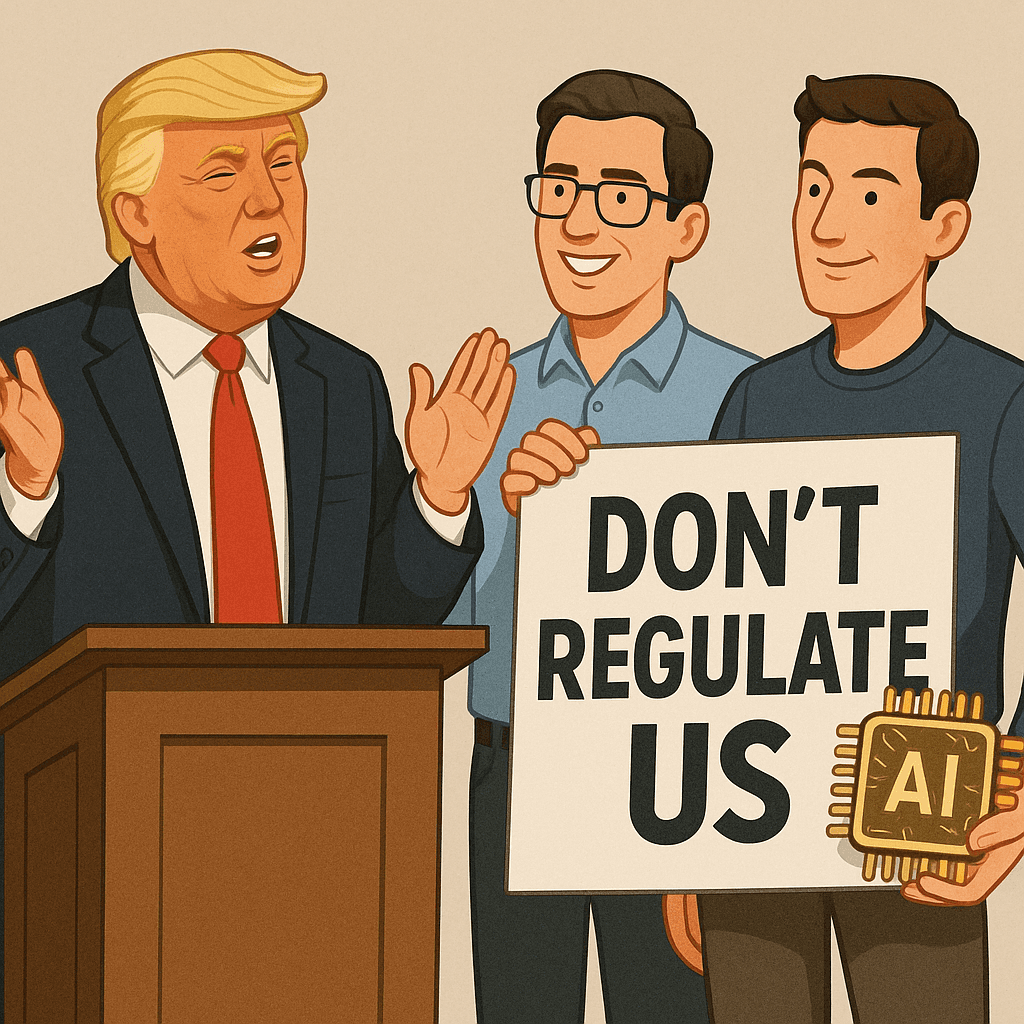
‘Don’t Regulate Us,’ Beg AI Founders Currently Selling Regulation-As-a-Service
Silicon Valley hails Trump’s plan to let AI companies write their own rules, promises to sell those rules back to everyone else by Q4.
Oct 11
Forecast
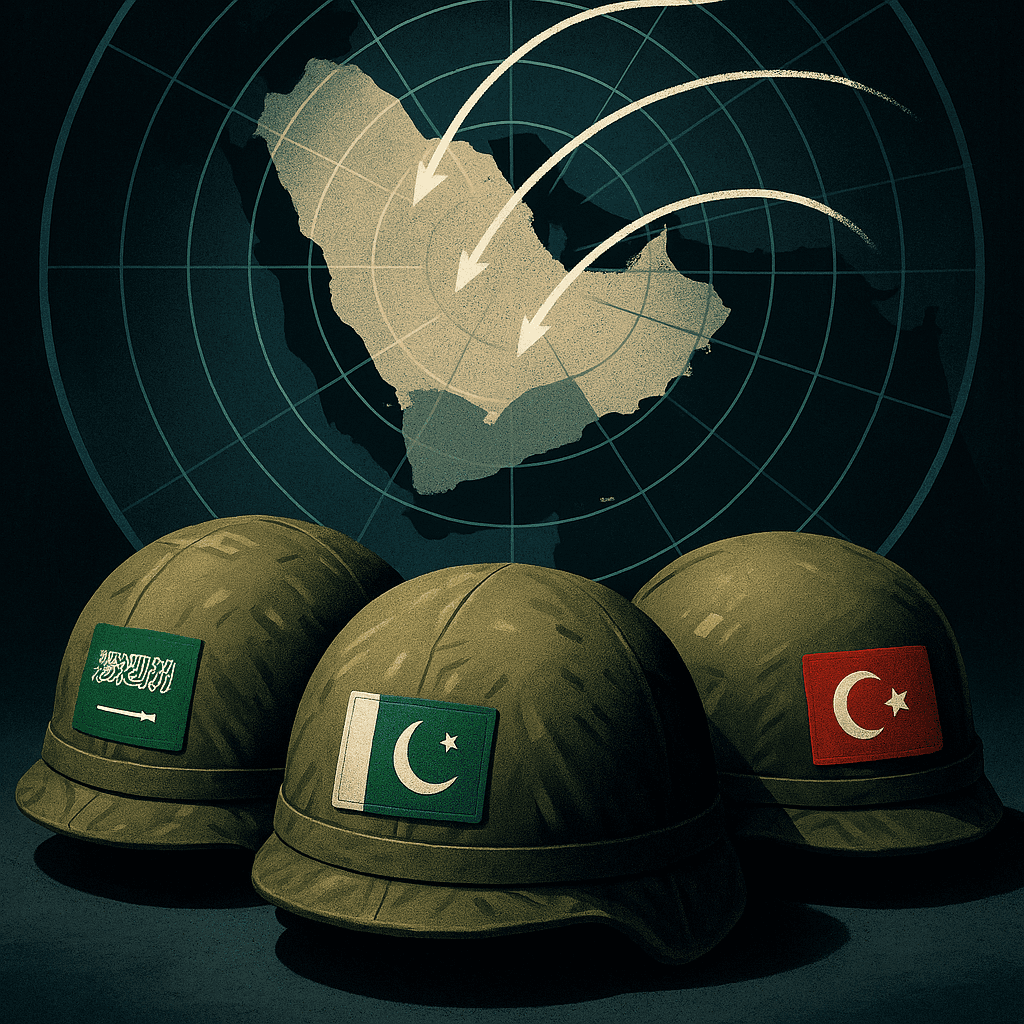
Through December 10, Houthis Won’t Damage Pakistan or Turkey Infrastructure
The Mecca Defense Pact just put two more flags on the Saudi firing chart. The consensus panic says this widens the war within weeks. The signal says the Houthis will talk big, hit Saudi and the sea, and leave Pakistan and Turkey’s hard targets alone for this 60 day window.
Comments
Be the first to comment.