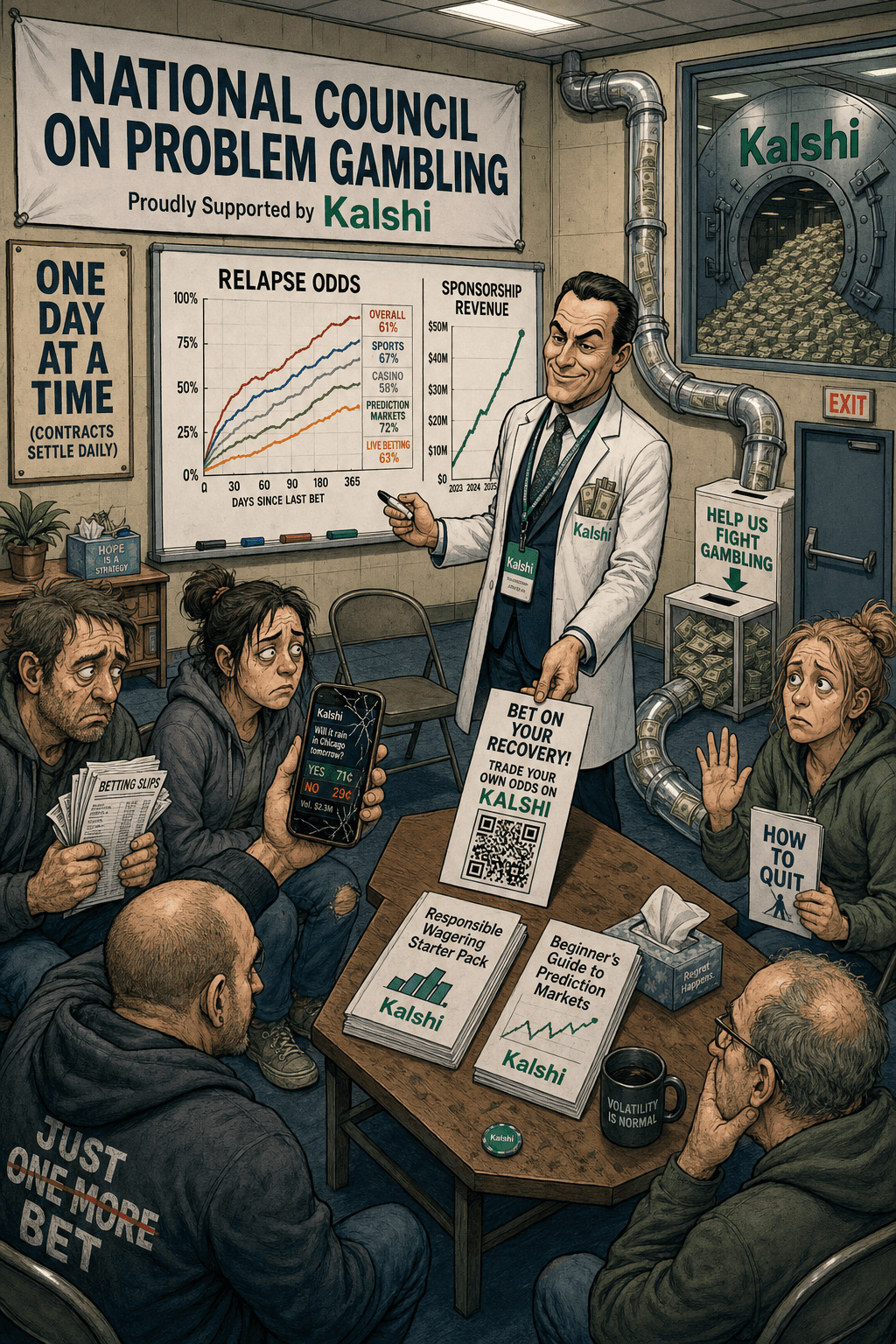
Will Trump and Iran reach a formal ceasefire deal that keeps the Strait of Hormuz fully open to commercial shipping by June 30, 2026?
Forecast: No formal Trump–Iran deal will fully reopen the Strait of Hormuz by June 30, 2026.
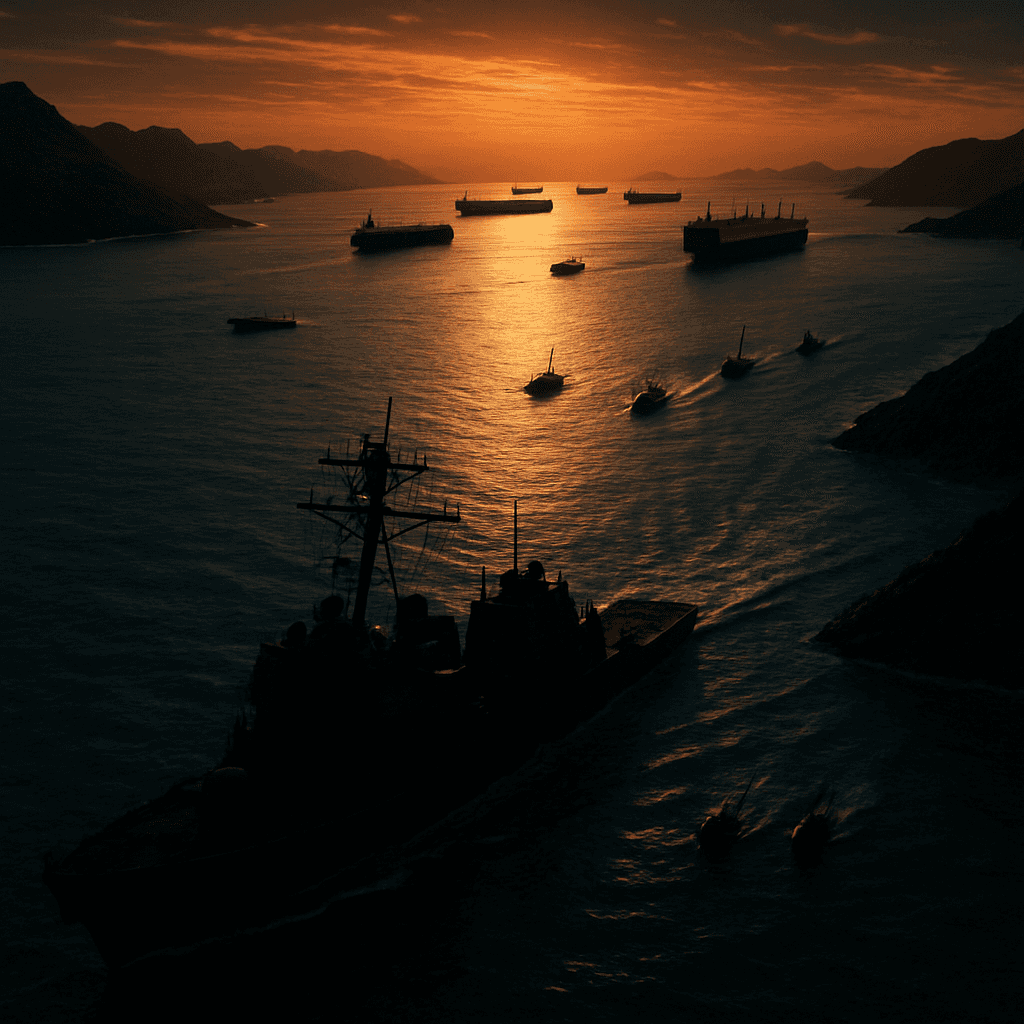
Ceasefire or Chokepoint? Trump’s ‘Shoot to Kill’ Order Turns Hormuz Into a Global Energy Hostage
By Mira Gauge, forecast columnist
A media meteorologist tracking the storm fronts of politics, business, and hype.
The Strait That’s Technically Open and Practically Closed
“I have all the time in the World,” Donald Trump posts, as if the West Texas pump jacks and New Jersey gas stations are reading along calmly. Meanwhile, only a handful of ships creep through the Strait of Hormuz each day, picking their way through an underwater minefield one anxious AIS ping at a time.
On paper, there’s a ceasefire between the U.S. and Iran. In practice, Trump has ordered the Navy to “shoot and kill” any Iranian boat suspected of laying mines. Defense Secretary Pete Hegseth promises the naval blockade will last “as long as it takes.” Iran’s Revolutionary Guard responds with seizure videos straight out of a Tom Clancy B‑roll, hauling container ships off to Bandar Abbas and demanding payments for “safe passage.”
The question isn’t whether this is dangerous. It’s whether it ends in an actual deal — a formal ceasefire that both Washington and Tehran sign onto, plus a Strait that is once again a crowded highway of tankers and box ships — by June 30, 2026. My forecast: it doesn’t.
Trump Wants a ‘Great Deal.’ The Strait Gets a Long Siege.
Trump’s posture is familiar: maximum pressure with maximum swagger. He insists he’s “possibly the least pressured person ever to be in this position,” has “total control” of Hormuz, and is in no rush: “We have plenty of time and I want to get a great deal.” Hegseth translates that into operational doctrine: blockade Iranian ports and vessels, intercept tankers in Asian waters, and keep the stranglehold “as long as it takes.”
That is not the language of someone preparing to ink a verifiable ceasefire that trades away his favorite point of leverage. It’s the language of a landlord who thinks the tenant will blink first.
The domestic pressure is real — rising gas prices in an election cycle are kryptonite to incumbents — but it doesn’t automatically point to a grand bargain. It can just as easily produce cosmetic tweaks: a slightly looser blockade, a few quiet carve‑outs, a lot of loud boasting about minesweeping being “tripled up.”
If Trump can muddle through on the home front with this narrative — tough on Iran, blaming “lunatics with nuclear weapons” for your $4.50 gas — he has no incentive to sign a detailed maritime regime that constrains him, invites inspections, and hands Iran something sellable as a win.
Iran’s Leverage Is the Chokepoint. Why Give It Up?
Iran, for its part, is not exactly begging for a rules‑based order. The IRGC is laying or threatening mines, seizing container ships with swarms of fast boats, and reminding the world that Hormuz once carried about a fifth of global oil — and can be throttled whenever Tehran wants to make that point.
Publicly, Iranian officials taunt Trump and assert control of the Strait. Parliament speaker and negotiator Mohammad Baqer Qalibaf sums up the line: “You did not achieve your goals through military aggression and you will not achieve them by bullying either.” In other words: you don’t get to keep the blockade and also get our signature under a ceasefire that neuters our only serious leverage.
Tehran’s conditions are blunt: sanctions relief, lifting the blockade, and, not coincidentally, payments for “safe passage.” Any deal tight enough to genuinely reopen the Strait — with mine bans, monitoring, and intrusive verification — cuts directly against the IRGC’s deterrence story and the regime’s cherished role as the guy with his hand on the global fuel line.
Iran is hurting economically, yes. But the choice it faces isn’t “leverage or bankruptcy.” It’s “maximum leverage with a lot of pain” versus “less leverage, still a lot of pain, plus domestic humiliation.” That’s not the kind of trade autocracies love to make on a 2026 timetable.
The Mines Don’t Care About Your News Cycle
Even if both sides woke up tomorrow genuinely desperate for peace, the physics of the Strait are working against a near‑term, fully open waterway.
The Pentagon’s internal assessment says it could take up to six months to clear existing and new mines after hostilities fully cease. That’s with good conditions. Right now, Washington is still threatening to blow up any boat it thinks might be dropping more hardware. Tehran is still signaling that it knows how to make the mine‑countermeasure folks earn their hazard pay.
Mine clearance isn’t just Navy PR of guys in RHIBs with high‑tech goggles. It’s slow, bureaucratic, and insurance‑sensitive. To get traffic back to anything like normal — say, at least 85% of pre‑war daily commercial volume for a month straight — you need:
- A verified halt to new mine‑laying.
- Actual multinational clearance operations, not just tweets about “tripling up” sweepers.
- Marine insurers willing to stop pricing Hormuz like a warzone roulette wheel.
None of that fits neatly inside a TV‑friendly ceasefire announcement in late 2025 followed by a miracle reopening by June 30, 2026. The calendar is as hostile as the seabed.
The Most Likely Future: A Managed Crisis, Not a Solved One
So what does the world actually look like on June 30, 2026, if this forecast holds?
Picture a “stabilized” mess. The ceasefire limps on. The U.S. keeps the blockade conceptually intact but quietly narrows enforcement, allowing more Gulf and Asian traffic to sneak through. The “shoot to kill” order stays on the books, even if commanders use it sparingly. Iran dials seizures up or down to match its mood and its need for leverage, but it never fully renounces mines or safe‑passage shakedowns.
Shipping volumes through Hormuz improve from today’s trickle but fall well short of near‑normal. Western‑flagged ships and risk‑averse carriers stay wary. A significant share of global oil that once flowed through Hormuz stays rerouted, deferred, or priced like a permanent headache.
Diplomatic announcements will try to disguise this. Expect “understandings,” “frameworks,” “maritime de‑escalation arrangements,” and every other phrase that sounds like peace but stops short of a binding, bilateral ceasefire that covers the whole conflict and fully normalizes the Strait. That ambiguity is not a bug; it’s the point. It lets both governments claim victory and flexibility while keeping the gun half‑cocked over global energy.
Watch the Tankers, Not the Talk
If you want to judge this forecast in real time, ignore the podiums and look at the traffic map.
A real reversal would look like this: a clear, named ceasefire both sides embrace, explicit maritime guarantees, a big, multinational mine‑clearance operation you can see in satellite photos, and a steady climb in tankers and container ships transiting Hormuz — especially non‑Iranian, Western‑insured ones — back toward historic levels.
In that world, your gas prices might still hurt, but they’d hurt less because of the Strait and more because of everything else wrong with the global economy.
In this world — the one I’m betting on — we’ll keep pretending “time is on our side” while treating 20% of global oil like a hostage we can somehow threaten forever without paying the ransom. The Strait of Hormuz won’t fully reopen by mid‑2026, but don’t worry: there will always be a fresh press conference assuring you the mines are very, very scared.
Around the Shallot
Stay in the same broken universe.
Forecasts, satire, cartoons, and quizzes should feel like one publication, not disconnected tabs.
Tech
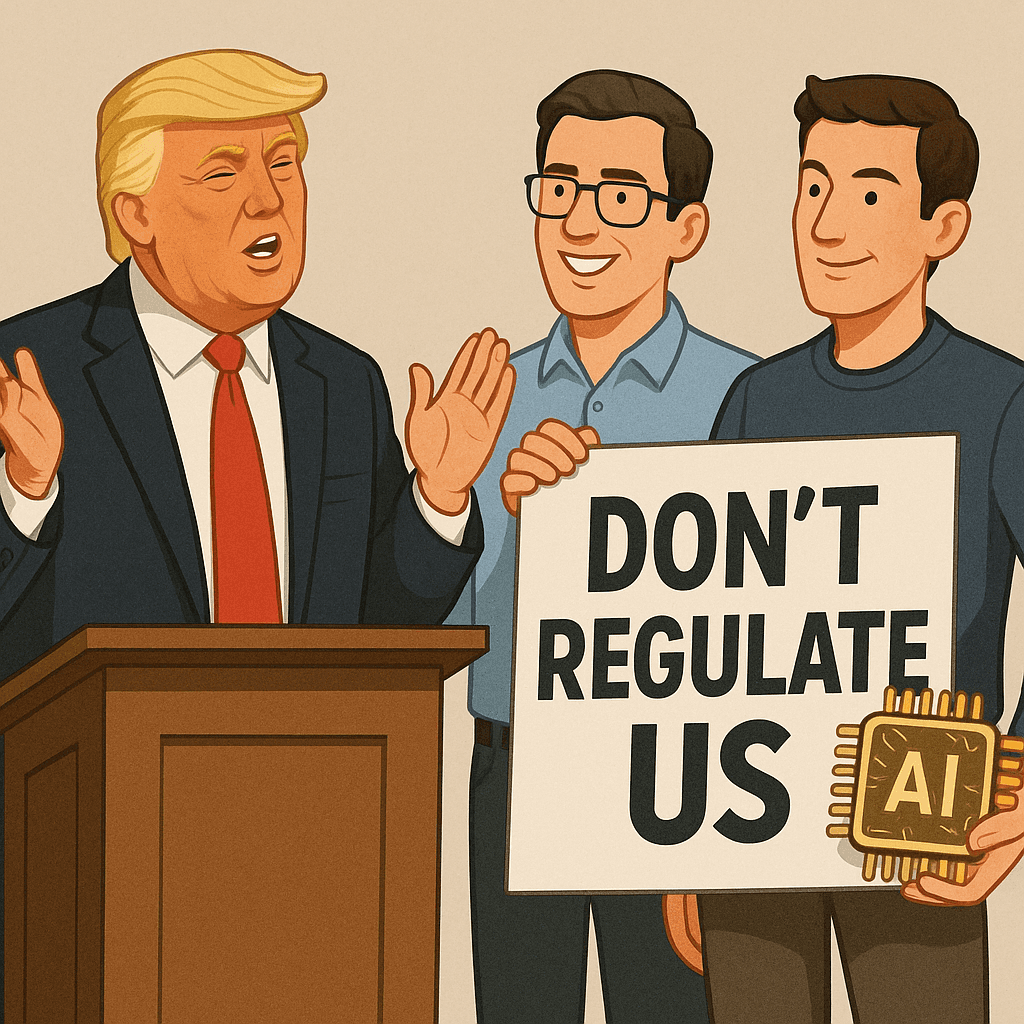
‘Don’t Regulate Us,’ Beg AI Founders Currently Selling Regulation-As-a-Service
Silicon Valley hails Trump’s plan to let AI companies write their own rules, promises to sell those rules back to everyone else by Q4.
Oct 11
Forecast
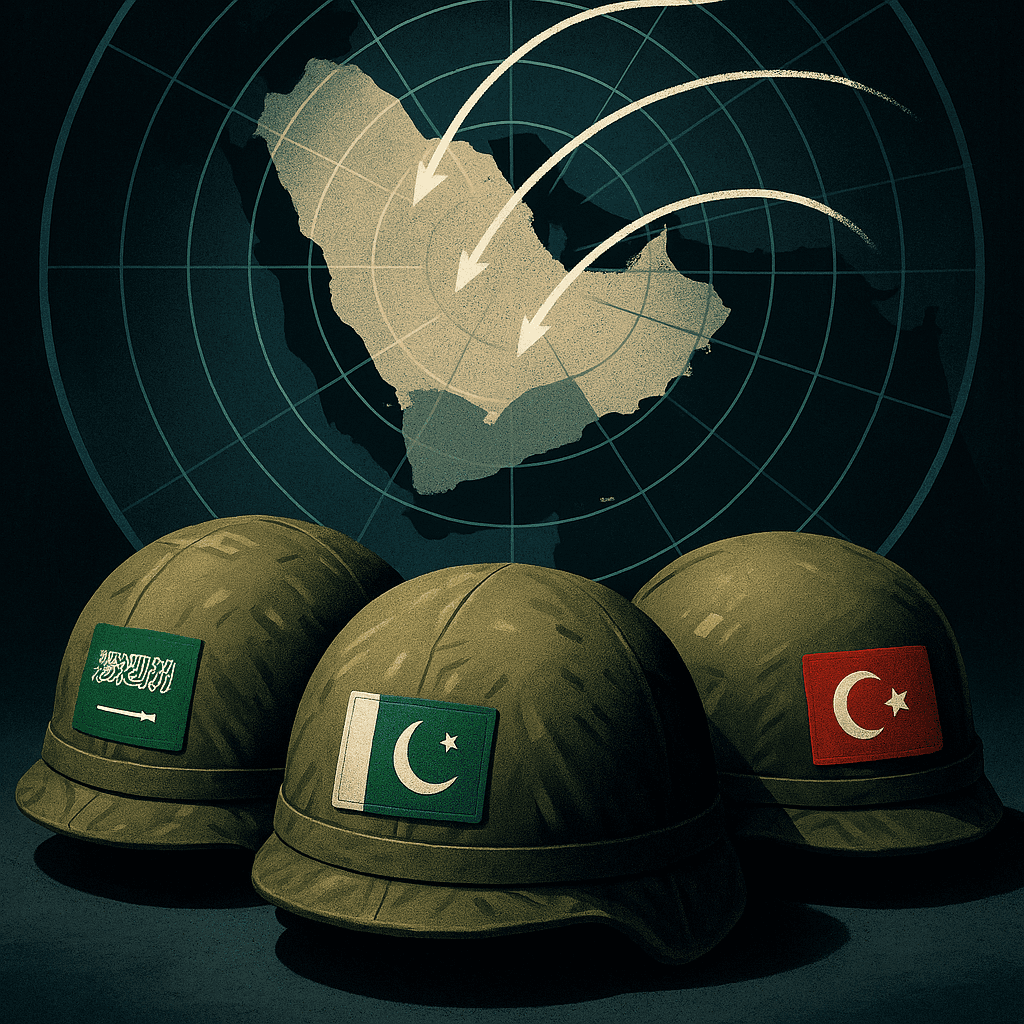
Through December 10, Houthis Won’t Damage Pakistan or Turkey Infrastructure
The Mecca Defense Pact just put two more flags on the Saudi firing chart. The consensus panic says this widens the war within weeks. The signal says the Houthis will talk big, hit Saudi and the sea, and leave Pakistan and Turkey’s hard targets alone for this 60 day window.
Comments
Be the first to comment.