Brent Won't Close At Or Above $120 In The Next 90 Days
My call: Brent flirts with panic but does not close at $120 in the next 90 days.

The $120 Panic Ceiling
Everyone has picked their comfort horror number. For housing it was "subprime." For Covid it was "R not above 1." For oil, it is now "Brent at 120."
My call: over the next 90 days, Brent can scream, gap, and intraday cosplay 1979, but it will not settle at or above $120 a barrel even once.
This is not because the Middle East is safe. It is because $120 is not an oil market number, it is a political pain threshold. Once we get too close, presidents, princes, and central bankers start throwing furniture at the fire.
What Is Actually Broken, And What Is Just Scared
Start with the physical world, the thing traders pretend to care about between options expiries.
The Strait of Hormuz is limping. Flows are roughly half their prewar level, from about 19 to 20 million barrels per day to closer to 10. The Red Sea and Yemen’s Mocha port are now part of the hazard map, not trivia answers. The Houthis have turned Saudi infrastructure into a live fire exercise. Insurance and freight rates are climbing, tankers are sailing dark, and the war has stopped being a neat single chokepoint story.
That cocktail explains Brent at $100 and change. You can point at ships, satellites, and scorch marks on Saudi facilities and get there without mystical thinking.
The last leg of the price, though, is pure imagination. Analysts put the geopolitical premium at around $15 or $16 a barrel. That is the surcharge for things that have not happened yet: a truly disabled Saudi hub, a ship sinking on live TV, a real closure of Hormuz instead of a slow bleed.
We are already paying up for the fire risk. To get from $107 to a settled $120 you need more than a scarier vibe. You need actual barrels missing for more than a news cycle.
What It Would Take To Actually Print 120
Goldman and HSBC have now circled $120 in red ink. Helpful of them to put a big price target on the wall for algos to chase. Note the fine print: it is a scenario, not a base case.
To get there within 90 days, you need something closer to 2019 Abqaiq on hard mode. Think:
- A verified hit that takes a major Saudi processing hub or export terminal out for weeks, not days, removing hundreds of thousands of barrels per day, or more, from the market.
- Or an incident that makes insurers effectively boycott key routes so traffic pauses instead of merely rerouting with a surly email and higher premiums.
That kind of event is possible. The pattern of attacks is getting bolder, not calmer. Hormuz traffic has already halved. Houthi strikes on Saudi sites are not cosplay, they are doing damage.
The question is not whether something bad could happen. It is whether enough goes wrong, fast enough, that markets get a clear multiweek outage before the grown ups hit the brakes.
The People Who Blink Before 120
The same geopolitics that set oil on fire also put powerful fingers on the off switch.
In Washington, $100 Brent is a problem. $120 Brent in an election year is an attack ad. The toolkit is boring but effective: Strategic Petroleum Reserve releases, choreographed phone calls to Riyadh, suddenly flexible sanctions on other exporters, and a lot of stern statements about "energy security" while the Navy quietly adds destroyers to convoy duty.
Saudi Arabia has its own line in the sand. It wants high prices and low vulnerability. Letting Brent spike into panic territory, right as Houthi drones demonstrate that Aramco is not a fortress, is not a great advertisement for "stable supplier of last resort." If physical damage is manageable, Riyadh has every reason to nudge more barrels out the door, or at least to convince markets it can.
Then there is China, the reluctant swing buyer. If Beijing decides to stockpile into strength, that tightens the market and helps the bulls. If it chooses to destock or lean on non Gulf supplies, that puts a soft ceiling on any spike. Given slower global growth and OPEC trimming demand forecasts, the default is not "China buys at any price." It is "China likes a discount."
All of that points toward a lot of noise inside a band, not a clean breakout to a new regime. My working range: a nervous $95 to $115, with the occasional headline spike that traders sell rather than immortalize as a settlement above 120.
The Market Loves The Story More Than The Price
If 120 is unlikely, why is everyone suddenly talking about it? Because a round number at a visible level is content. Banks get to publish stress charts. Politicians get quotes. Traders get an excuse to buy gamma and pretend it is risk management.
The underlying tension is simple. Physical disruption is real but partial. The risk map has expanded from one chokepoint to several, but the world is still getting its oil. The price is being pulled between that boring fact and the far more exciting possibility that tomorrow’s drone video finally justifies all this drama.
This is exactly the kind of environment where markets systematically underprice the tails yet also overreact to every headline. One credible strike too many and we could easily see intraday prints above 120 while people scramble to figure out what is true.
I am not betting against instant panic. I am betting against sustained panic that survives contact with SPR releases, naval task forces, Saudi self preservation, and Chinese bargaining instincts long enough to register as an official closing level.
What Would Make This Call Embarrassing
To break this forecast cleanly, watch for three things happening together, not in isolation:
First, a verified structural outage: a major Saudi facility or export route offline for weeks, plus shipping constraints that do not have obvious workarounds.
Second, policy paralysis: Washington more focused on "defeating Iran" than stabilizing prices, delays in SPR action, and an OPEC that prefers windfalls to reputational stability.
Third, demand that refuses to flinch: China and India still hoovering up barrels at triple digit prices, while global growth fails to produce the usual demand destruction at the pump.
If those three line up, $120 is not a headline, it is a floor. At that point this column turns into a nice artifact from the era when we mistook a war premium for a ceiling.
Until then, treat $120 Brent like a doomsday clock. It looks serious on TV, it gets moved a lot, and the main thing it measures is how much people enjoy being scared.
Around the Shallot
Stay in the same broken universe.
Forecasts, satire, cartoons, and quizzes should feel like one publication, not disconnected tabs.
Tech
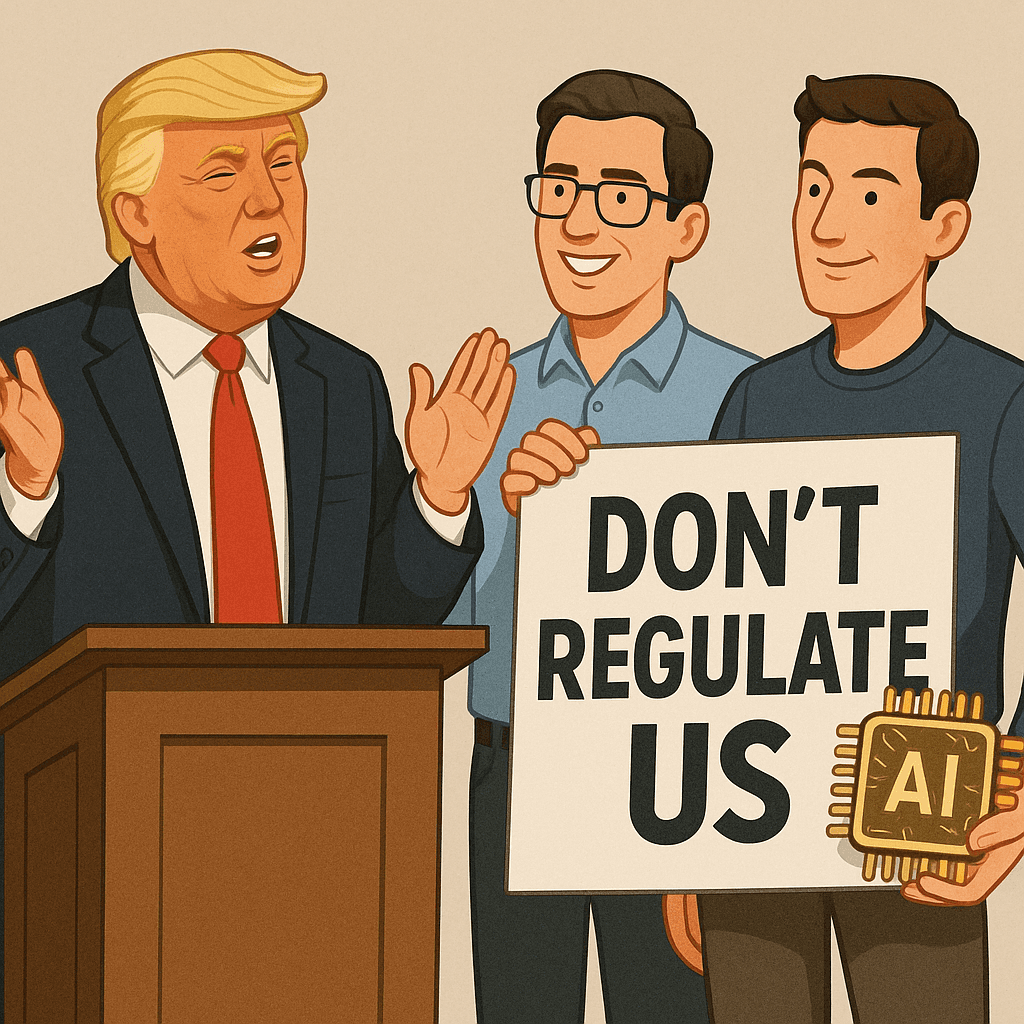
‘Don’t Regulate Us,’ Beg AI Founders Currently Selling Regulation-As-a-Service
Silicon Valley hails Trump’s plan to let AI companies write their own rules, promises to sell those rules back to everyone else by Q4.
Oct 11
Forecast
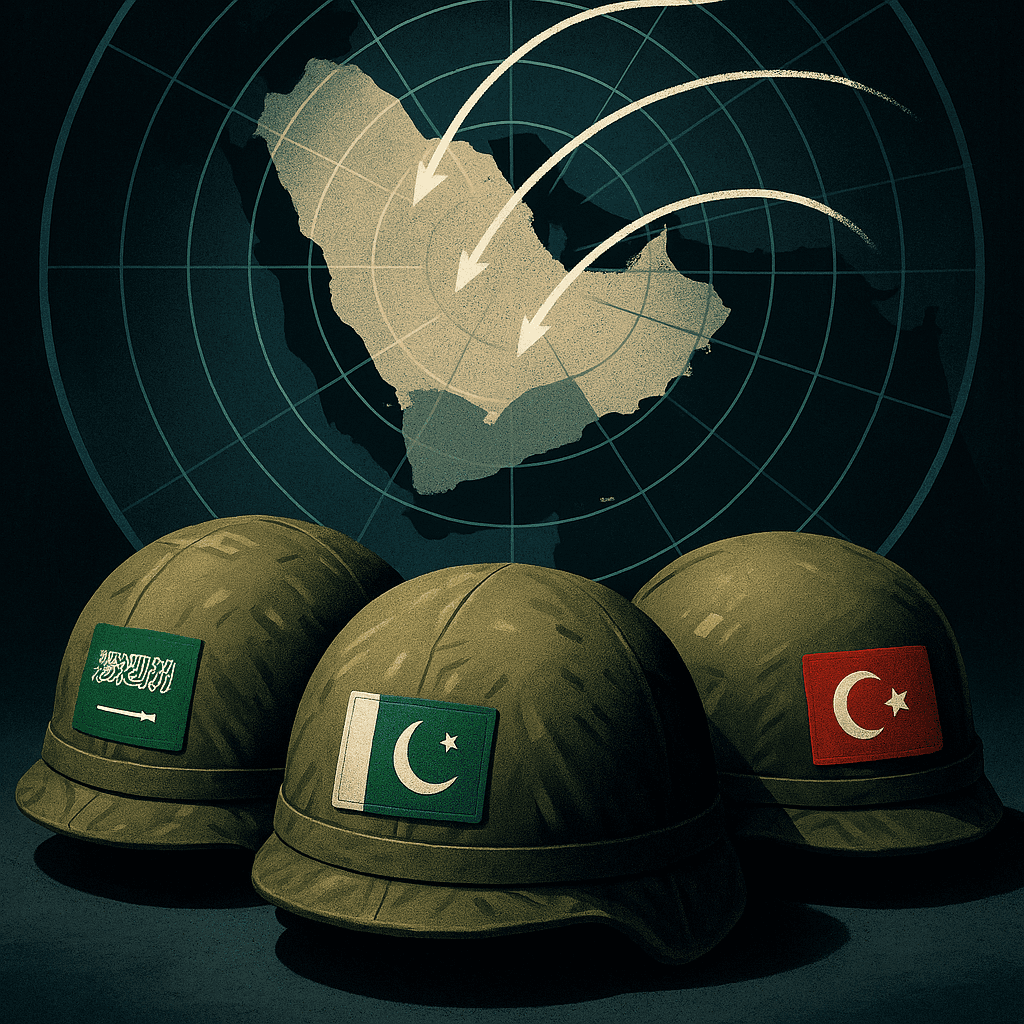
Through December 10, Houthis Won’t Damage Pakistan or Turkey Infrastructure
The Mecca Defense Pact just put two more flags on the Saudi firing chart. The consensus panic says this widens the war within weeks. The signal says the Houthis will talk big, hit Saudi and the sea, and leave Pakistan and Turkey’s hard targets alone for this 60 day window.
Comments
Be the first to comment.