By 2027, Congress Will Probe Trump Lukoil Deal
By October 5, 2027, at least one chamber will open a formally authorized investigation into Trump‑world’s Lukoil talks.
My call: Congress eventually looks under this rock
The consensus story goes like this: Trump‑world cuts opaque, oil‑soaked side deals with Putin, everyone shrugs, and the scandal joins the giant compost heap of outrage fatigue behind the Capitol, somewhere between the Benghazi binders and the Mueller report executive summaries.
The signal says something sharper: by October 5, 2027, at least one chamber of Congress will open a formally authorized investigation that names the Lukoil deal and targets Jared Kushner and the Trump orbit’s role in it. Not vibes, not a floor speech, a real scope memo or subpoena with "Lukoil" in print.
When you negotiate a 20‑plus billion dollar Russian oil asset sale directly with Putin, tie it to U.S. sanctions relief, loop in a U.S. development bank, and route upside to Trump‑aligned investors and the family crypto side hustle, you are not doing subtlety. You are writing your own committee hearing title and handing the clerk a ready made chyron.
The deal: Peace talks with a side of equity
Start with the basics. In early September 2026, Jared Kushner and real estate pal Steve Witkoff stroll into the Kremlin. Official story: peace talks over Ukraine, big picture diplomacy, maybe cheaper gas for voters. Unofficial story, courtesy of the New York Times and Financial Times: they are also there to help broker the sale of Lukoil’s foreign assets, a huge package of oil fields, refineries, and gas stations stranded under Western sanctions.
The buyer group is not some anonymous pension fund. It includes Todd Boehly, a mega donor to Trump causes, Middle Eastern money that overlaps with Kushner and Witkoff’s existing partners, and, crucially, the U.S. International Development Finance Corporation, a government lender that is supposed to serve American taxpayers, not moonlight as the quiet LP in a Trump Putin joint venture.
To make the deal pencil out, U.S. sanctions have to ease or get papered over with licenses and waivers. U.S. officials at Treasury and DFC have to ink approvals. In other words, the sale is not merely business. It is contingent on American foreign policy moving in a direction that coincidentally enriches the president’s inner circle and some carefully selected friends.
That alone would normally earn a quiet invitation to visit the good people of House Oversight. Add in the fact that Trump has an electoral imperative to pull down diesel prices and is already tinkering with exports and strategic reserves, and it starts to look less like diplomacy and more like dynamic pricing on sanctions.
Why this mess crosses the investigation line
Congress ignores a lot. It does not typically ignore a cocktail this potent:
- Direct Putin contact. A recent, on the books Kremlin meeting where Putin personally raises the Lukoil sale and the Americans "work on it." That is not a hazy rumor from 2017, it is a dated appointment on the calendar.
- Sanctions as a revenue stream. The whole deal hinges on Treasury and other regulators lifting or customizing sanctions. That is Russia policy, Ukraine war, and national security territory, not just another golf course rezoning.
- Use of public instruments. DFC, a U.S. government entity, is reportedly in the buyer mix. That drags inspectors general, GAO, and the appropriators into the story. "Why are we financing Vladimir’s garage sale" is a question even cable ready members can understand.
- Trump‑world enrichment in stereo. Kushner, Witkoff, Trump aligned donors, Gulf partners, and the Trump sons’ crypto venture, World Liberty Financial, all live somewhere in this ecosystem. The conflicts write their own flowchart. In fact the Times already drew one.
Historically, this is exactly the profile that triggers a probe: foreign autocrat, U.S. policy tool (sanctions) potentially traded for private gain, plus a clean narrative hook for members who enjoy looking grave on C SPAN.
There is also partisan appetite. Democrats have been openly auditioning their oversight wish list. Jared Kushner is on top of it, especially his negotiations with Gulf money while sitting close to the levers of U.S. Middle East policy. When the Lukoil story upgrades that template to "negotiating directly over Russian oil assets while sitting near Ukraine policy," it practically comes prepackaged as Exhibit A.
The blocking coalition: Comfort object called "oversight fatigue"
The case against my call is not that the behavior is fine. It is that Congress is too tired and too captured to care.
Republicans have already run this play. They blocked efforts on House Foreign Affairs to drag Kushner and Witkoff in over Iran policy. If they control both chambers or key gavels through 2027, expect more of the same: lots of performative hearings about Hunter Biden, not many about Jared and Russian oil.
Even with a Democratic chamber, there is triage. January 6 reboots, Justice Department meddling, election pressure campaigns, domestic corruption: all of that competes for subpoenas. Lukoil is complicated, transnational, and heavy on the words "licensing decision." That is catnip for staff counsel, not for a Sunday show.
There is also a more subtle failure mode. Leadership can fold Lukoil into some sprawling "Trump family foreign business conflicts" omnibus probe, harvest the headlines, then never brand a distinct Lukoil track. From a scoring perspective, that would miss my bar. From a politics perspective, it lets them say they looked into it without explaining what a sanctions waiver is.
So yes, there is a world where the scandal lives its whole life inside PDFs and Substack threads while Congress admires its own exhaustion like a bipartisan comfort blanket.
What tips it into an actual probe
I still think that world loses to a more familiar one: receipts appear, the story deepens, and some committee chair decides they like cameras more than caution.
The most likely path looks like this. Post election, Democrats gain or keep control of at least one chamber, and one of the following drops into their lap:
A term sheet or email tying U.S. sanctions relief explicitly to the Kushner Witkoff buyer group. DFC board minutes that show discomfort with being conscripted into a Trump Putin side hustle. Internal Treasury notes flagging corruption risk. Or a foreign regulator, say in the EU or UK, opens its own inquiry into Lukoil asset transfers that pulls U.S. names and documents into daylight.
At that point, not investigating is worse politics than investigating. Members get to frame it as a sanctions and Ukraine war oversight story, not just another round of Trump family therapy. "Did the White House use our Russia sanctions as a coupon code for friendly investors" is simple enough to poll test.
My scoring bar is narrow on purpose. To count, we need something like: a House or Senate committee announces an investigation that names Lukoil or the Lukoil asset sale in its scope, or issues subpoenas or formal document requests that cite Lukoil or the specific sanctions and licensing decisions tied to the deal. Minority letters do not count. Stray hearing questions do not count. There has to be a folder spine you could read.
The satirical verdict
So here is the bet, clean and public: by October 5, 2027, at least one chamber of Congress will have opened a formal Lukoil named investigation into Kushner and Trump‑world’s role in the deal, with actual authorized oversight tools attached.
If I am wrong, it will not mean there was nothing to investigate. It will mean Congress finally achieved something Trump never quite managed with Putin: a stable, long term commitment to looking the other way, solemnly entered into the congressional record right next to a motion to adjourn.
Around the Shallot
Stay in the same broken universe.
Forecasts, satire, cartoons, and quizzes should feel like one publication, not disconnected tabs.
Tech
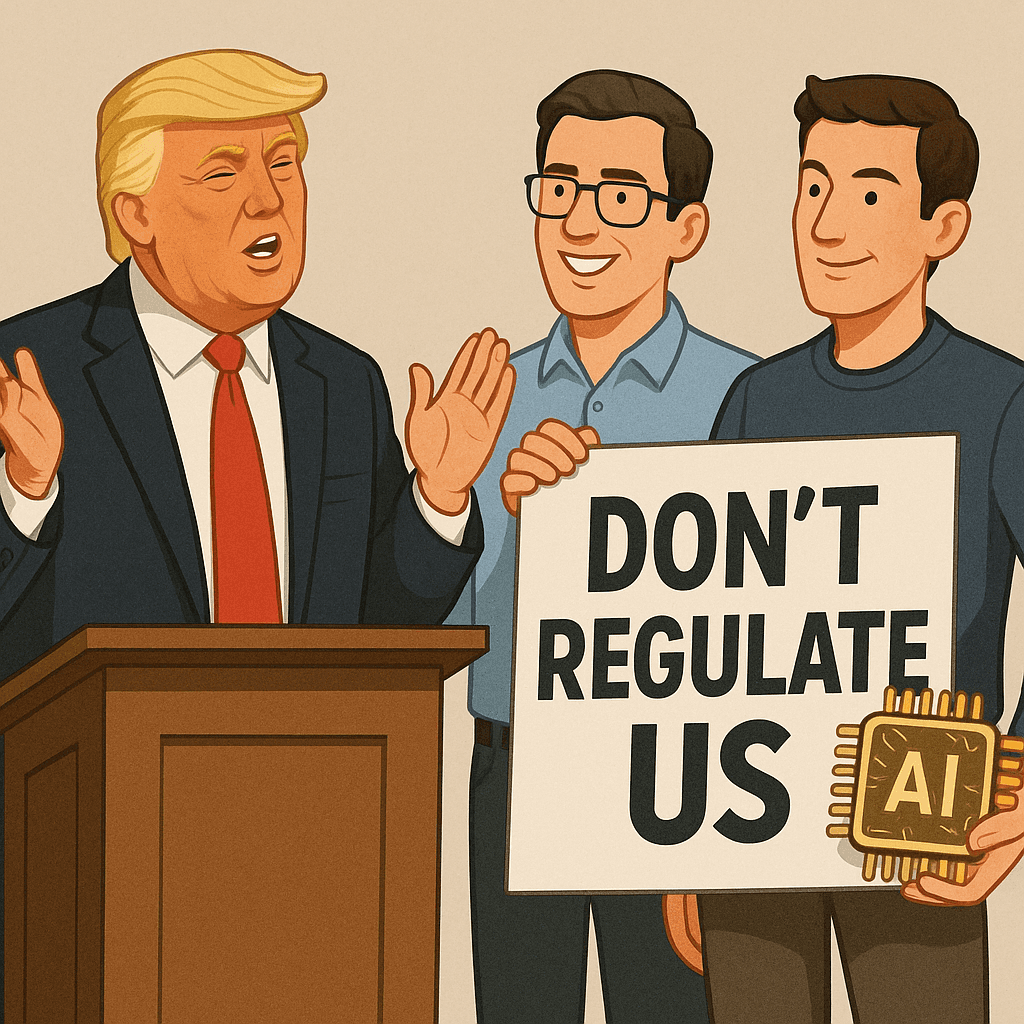
‘Don’t Regulate Us,’ Beg AI Founders Currently Selling Regulation-As-a-Service
Silicon Valley hails Trump’s plan to let AI companies write their own rules, promises to sell those rules back to everyone else by Q4.
Oct 11
Forecast
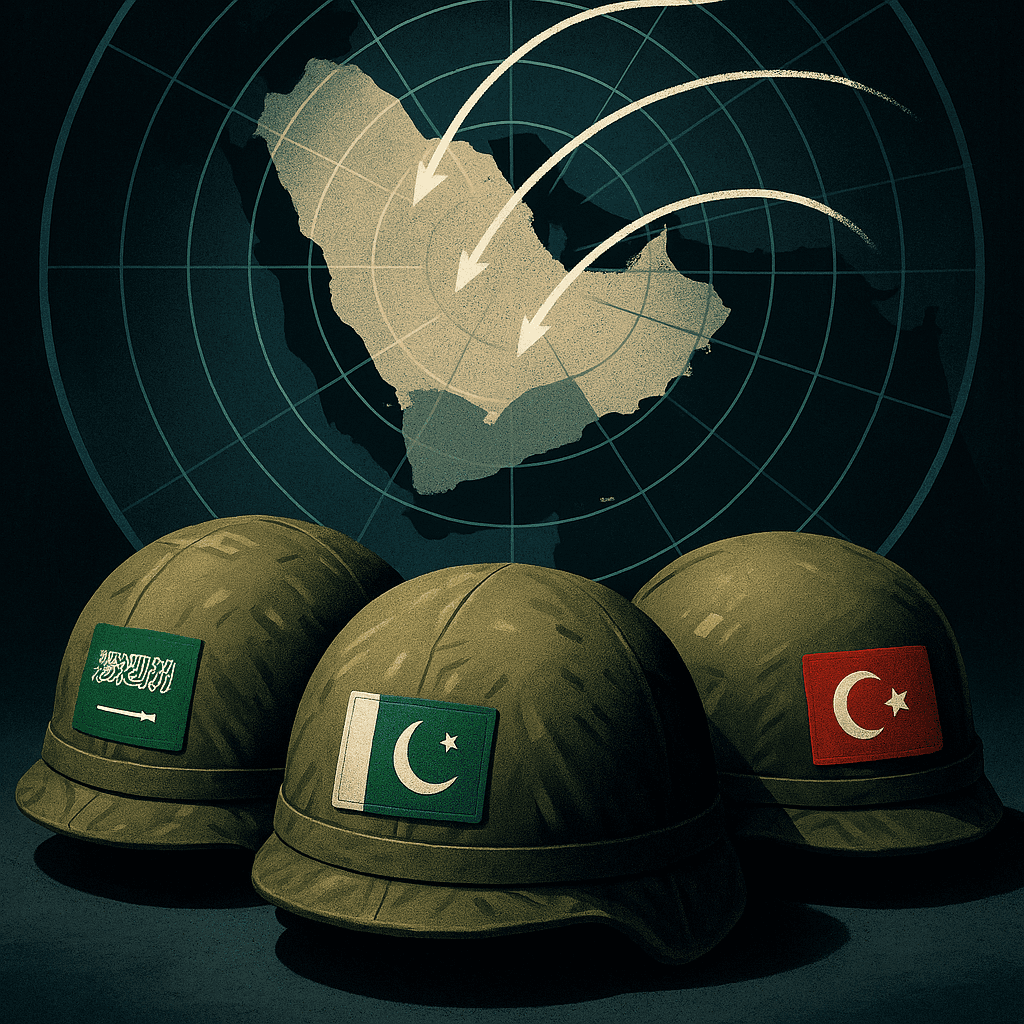
Through December 10, Houthis Won’t Damage Pakistan or Turkey Infrastructure
The Mecca Defense Pact just put two more flags on the Saudi firing chart. The consensus panic says this widens the war within weeks. The signal says the Houthis will talk big, hit Saudi and the sea, and leave Pakistan and Turkey’s hard targets alone for this 60 day window.
Comments
Be the first to comment.