Gulf Oil Tankers Will Keep Sailing Through Year-End
My call: Hormuz and the Red Sea limp on, not lock up, through year‑end.
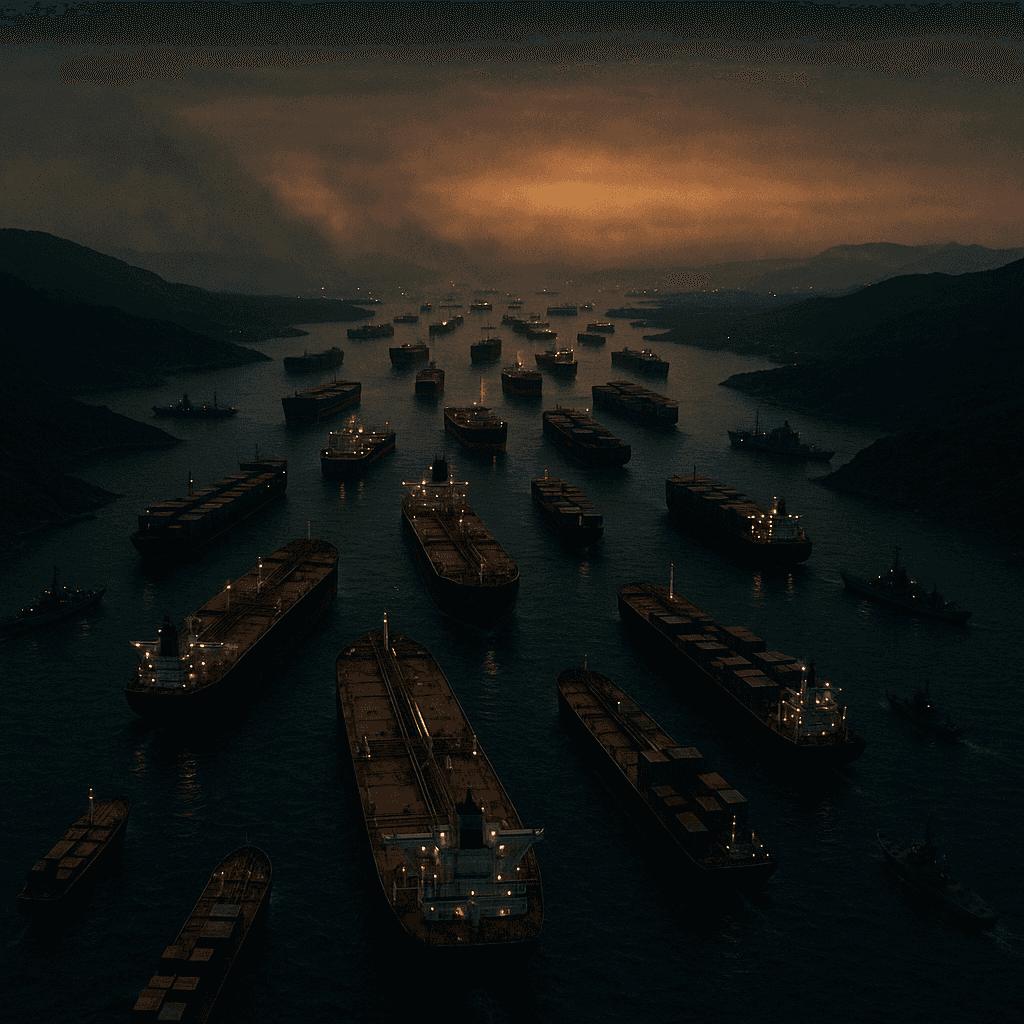
The Strait Is Closed, Except For All The Oil Going Through It
The world is supposedly discovering how to “live without Gulf oil.” Which is a cute storyline, until you look at a shipping map and notice that, even “closed,” the Strait of Hormuz still has tankers sneaking through like teenagers at curfew.
My call: the Strait of Hormuz and the southern Red Sea stay open in a miserable, high‑risk, high‑insurance sense through year‑end. Not normal. Not safe. Just open enough that we do not see a clean, multi‑week shutdown of oil traffic in either artery.
That is the uncomfortable equilibrium we are already in: Iran claiming it shut the door, the Houthis announcing a naval embargo, and yet millions of barrels quietly shuttled out on short‑hop routes, lightered to bigger ships, then patched through whatever corridor today’s paperwork allows.
The Iran–Oman “Opening” That Isn’t
Tehran and Muscat now say they have an understanding on a temporary shipping route through Iranian waters, two to four months long, for some traffic through Hormuz. On TV it sounds like a grand reopening. In the fine print it is a restricted lane, under Iranian control, tied explicitly to “a change in US behavior.”
Kazem Gharibabadi, Iran’s deputy foreign minister, spelled it out: this is not a full reopening, it is a trial run inside Iran’s territorial box. Duration limited, terms fuzzy, renewal optional. It is less Camp David and more a temporary access pass that can be revoked if Washington bombs the wrong radar station.
The key point for forecasting is not whether CNN can run “Hormuz Reopens” chyron. It is whether shipowners, charterers, and insurers see enough predictability to send more hulls through, above the level that shuttle schemes alone have already maintained.
My base case: yes, but only to the 70 to 90 percent range of pre‑war volumes, not a full snapback. The Iran–Oman route is political cover for what Gulf producers are already doing, which is quietly moving crude in smaller pieces, awkward routes, and legal gray zones. The “deal” mainly turns improvisation into something diplomats can point at and call progress.
Everyone Wants Leverage, Nobody Wants A True Cutoff
The consensus fear is simple: what if Iran’s hardliners, flush with missiles and backed by the Revolutionary Guard, decide to slam Hormuz fully shut to force real US concessions? And what if the Houthis, declaring an embargo on Saudi ports, do the same to the Red Sea?
The more interesting question is what happens to the people who try that. Iran’s regime likes leverage, not suicide missions. A partial squeeze has already delivered high prices and international panic without the full economic halt that a real closure would bring to Tehran’s own fiscal lungs. After 80‑plus damaged oil and gas facilities and a war‑hit economy, Iran still needs exports more than it needs the satisfaction of watching Brent trade like a meme stock.
Washington, for its part, is playing a familiar double game. The US is layering new sanctions and strikes on Iranian assets, while quietly signaling that a Hormuz deal is near and that it will ease port blockades if commercial flows resume under some monitored framework. The Trump White House wants to look maximalist on Iran while minimalizing gasoline price spikes on TV. That points to coercion calibrated just shy of true disruption.
In that space, neither side benefits from a clean break. Iran’s hardliners get to posture as the guardians of the strait, the US gets to posture as the guardian of “freedom of navigation,” and actual freedom of navigation limps along at 70 percent capacity under escort.
The Houthi Show And The Red Sea Reality
Then there is the Red Sea, where Iran’s most theatrical proxy has declared a naval embargo on Saudi ports and keeps firing at anything that looks like commerce. Bab el‑Mandeb, the funnel at the bottom of the sea, is now a live‑fire area with container ships.
We have two conflicting instincts here. One: the Houthis are a wild card with their own incentives, not an obedient extension of Iranian foreign ministry talking points. Two: if Tehran really wants a maritime thaw to stick, it cannot afford its client to torpedo every VLCC that takes the bait.
My read is that the Houthis will keep attacking, but they will not quite succeed in freezing tankers out of the southern Red Sea for weeks at a time. Multiple navies already crowd that water, and more are coming. Saudi Arabia is building a new Red Sea security grouping, which will sit on top of US and allied deployments, and the Riyadh–Ankara–Islamabad defense pact is a loud signal that regional players have stopped trusting the American security umbrella to open on demand.
That is messy, not reassuring. Parallel coalitions can miscommunicate, trip over rules of engagement, or create command confusion. But for shippers, an overlapping tangle of escorts is still better than silence. As long as convoys exist, air cover flies, and war‑risk insurance is expensive but not withdrawn, at least 60 percent of pre‑war tanker traffic is likely to keep grinding through Bab el‑Mandeb.
Markets Can Price Fear. They Hate Mystery.
The other constraint is economic. Oil multinationals are collecting spectacular windfalls from war‑inflated prices. Producer states, by contrast, are eating the physical damage and political fallout. After scores of facilities hit and multi‑year repair timelines, Saudi Arabia and neighbors cannot easily stomach another self‑inflicted export shock.
That is why, even as Riyadh sharpens new security pacts, it is also quietly urging US restraint. It wants its assets defended, not its waterways turned into a live experiment in great‑power escalation that idles its own tankers.
Shipowners and insurers sit on the fulcrum. They have already shown their hand: as long as there is some convoy regime, some legal fig leaf, and day rates that justify the risk, they will keep sailing. They will switch AIS off, accept Iranian pilotage they do not love, hug Omani shores, and tape instructions to the lifeboats. What they cannot price is total ambiguity, like a declared closure with no face‑saving off‑ramp.
That is why the Iran–Oman route, however flimsy, matters. It converts mystery into a schedule. It gives underwriting committees something to argue over that is not just grainy missile footage on Telegram.
How This Call Can Be Wrong
For this forecast to fail, we do not just need another bad headline. We need a decisive shock that keeps owners, insurers, and navies away for at least two full weeks in one of the chokepoints.
The obvious candidates: a mass‑casualty hit on a big tanker, a direct US–Iran naval clash that both sides feel obliged to escalate, or an internal shift in Tehran that hands the steering wheel to people who genuinely care more about humiliation narratives than revenue.
All of those are plausible. None of them are cost‑free for the people with the actual power to decide, which is why I keep this in the “managed fragility” bucket rather than the “everyone gets their Archduke Ferdinand moment at sea” bucket.
The Satirical Verdict
So here is the explicit bet you can come back and mock me with: through roughly the next four months, on at least 80 percent of days, tanker traffic through Hormuz stays at or above 70 percent of its pre‑war level, and through the southern Red Sea at or above 60 percent, with no 14‑day stretch where either artery is effectively shut for oil.
If I am right, we will look back and realize the “closure” of Hormuz and the “embargo” in the Red Sea were mostly branding exercises layered onto a very lucrative, very nervous status quo. If I am wrong, enjoy explaining to voters that the global economy crashed because a handful of men with missiles finally decided to live their Telegram channels out loud.
Either way, the next time a leader claims we can live without Gulf oil, ask whether they mean the planet, the markets, or just their reelection campaign. Only one of those can run on fumes.
Around the Shallot
Stay in the same broken universe.
Forecasts, satire, cartoons, and quizzes should feel like one publication, not disconnected tabs.

Tech
‘Don’t Regulate Us,’ Beg AI Founders Currently Selling Regulation-As-a-Service
Silicon Valley hails Trump’s plan to let AI companies write their own rules, promises to sell those rules back to everyone else by Q4.
Oct 11
Forecast
Through December 10, Houthis Won’t Damage Pakistan or Turkey Infrastructure
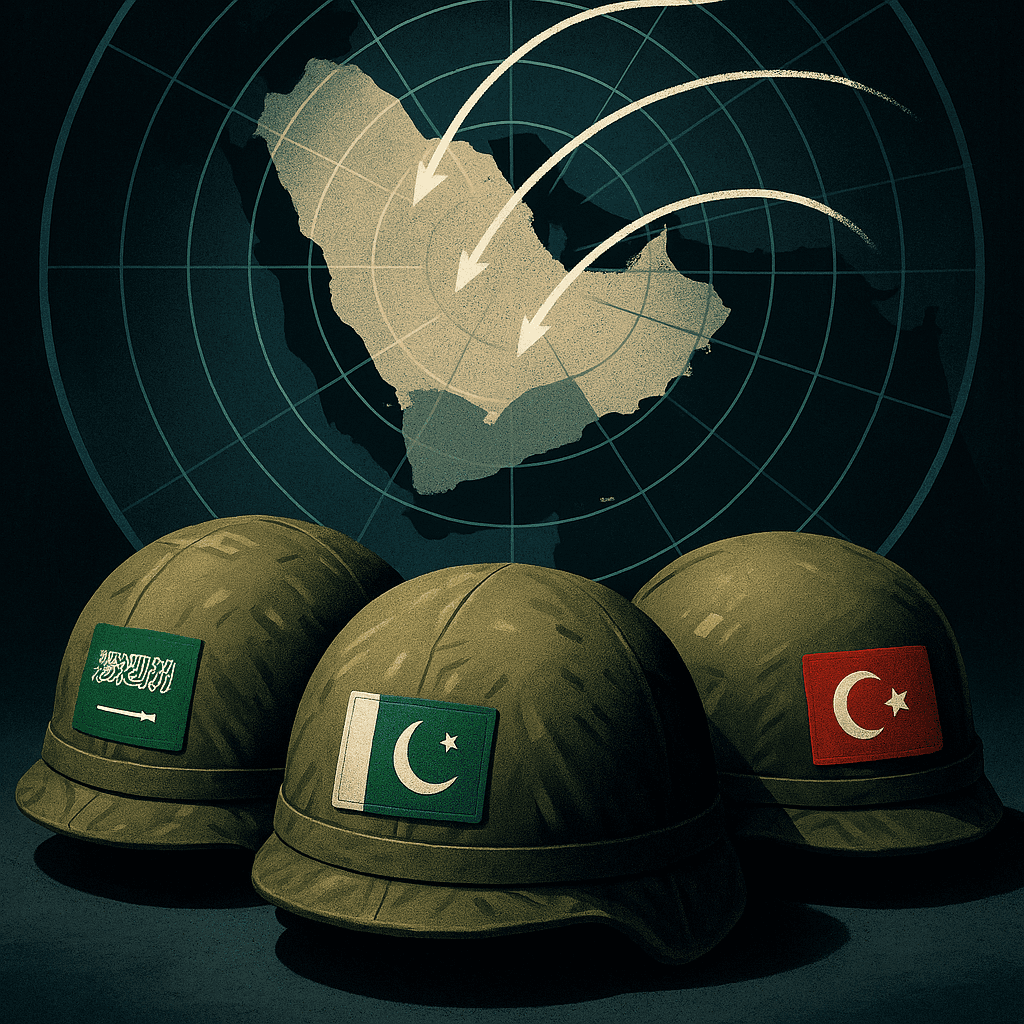
The Mecca Defense Pact just put two more flags on the Saudi firing chart. The consensus panic says this widens the war within weeks. The signal says the Houthis will talk big, hit Saudi and the sea, and leave Pakistan and Turkey’s hard targets alone for this 60 day window.
Comments
Be the first to comment.