Iran and Oman Won’t Restore Normal Hormuz Shipping by Late 2026
My call: there is no real reopening. Hormuz will not get back to even half its old traffic for any sustained stretch before October 31, 2026.
My call: corridor, yes. Reopening, no.
The consensus script says Hormuz is on the verge of a comeback. Iran and Oman are in final drafting, the shipping lanes are mapped, and officials keep gifting us phrases like "constructive" and "near agreement." In market speak, that sounds like: just hold your breath for another quarter and the oil will flow.
My call: it will not. Not in any way that matters to global trade.
Through October 31, 2026, I do not expect Iran and Oman to deliver a working deal that lifts commercial traffic through the Strait of Hormuz back to even 50 percent of pre‑war volumes for a continuous 60 days. You might see a brief, fragile corridor. You will not see a real reopening.
The map is technical, the leverage is political
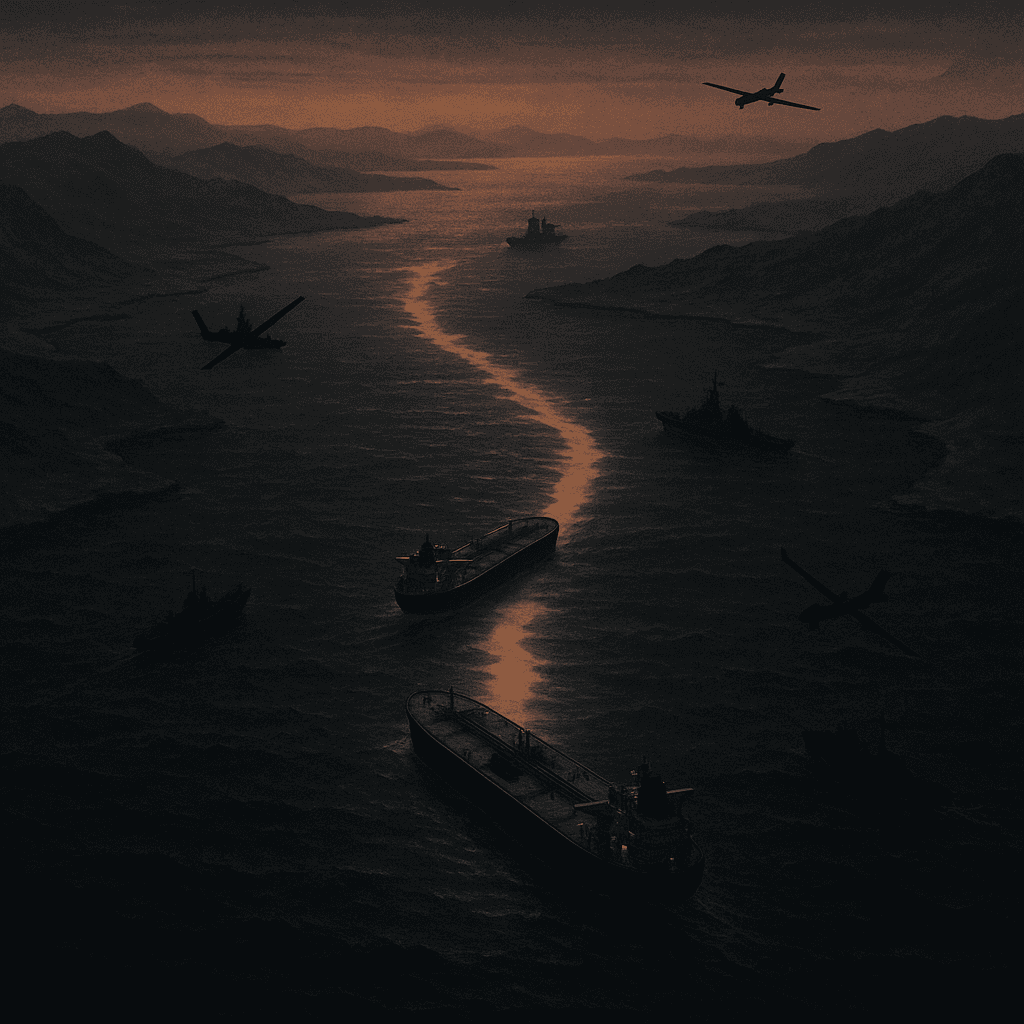
Start with the weirdest fact in this story: the hard part, the actual map, is done. Iran and Oman have agreed specific coordinates for a route that tankers could follow through the Strait. They are haggling over fees and duration, not over which rock to sail past.
If this were actually about navigation, traffic would already be surging. Instead, Iran’s power centers keep saying the quiet part out loud. Mohsen Rezaee at the Supreme National Security Council and Mohammad Mokhber speaking for Mojtaba Khamenei both insist that any Oman deal is separate from what they call a "reopening." The strait, they say, stays closed unless Washington meets a long list of demands: sanctions relief, unfreezing of assets, compensation, and an end to the very US military pressure that helped close Hormuz in the first place.
Translation: Oman is drawing the parking lines in a lot that Tehran still controls with a padlock. The key is not in Muscat. It is in the US sanctions code.
Washington will not pay at Iran’s toll booth
The second hard constraint is money and face. Iran wants to monetize Hormuz. Public numbers have Tehran floating 5 to 7 percent transit fees, with Oman offering a middle figure around 3 percent. The US position is closer to: absolutely not.
Call it what you like, a voluntary contribution, an environmental surcharge, a port services fee that just happens to fund the people who aim drones at tankers. The political optic is identical. It is the United States signing off on Iran as the gatekeeper of 20 percent of the world’s pre‑war oil and LNG flows.
Under Trump, the White House is loudly claiming "total control" of Hormuz and running a fresh blockade of Iranian ports. Quietly tolerating an Iranian toll regime would be a brutal narrative U turn. Could they still do it if gas hits $7 and the Rust Belt starts swearing at every Exxon sign? Sure. But the June US–Iran memorandum is our test case. Even when both sides signed a paper promising a restart within 60 days, it collapsed within days of renewed strikes.
That is the pattern that matters: every time a technical understanding touches the real confrontation, the confrontation wins.
The IRGC does not do “confidence building”
Markets do not respond to communiqués, they respond to hulls in water and actuaries in London. On that front, Hormuz is still at 5 percent of pre‑war traffic, and the Joint Maritime Information Center keeps recording harassment: UAV overflights, hails, boardings, and conveniently timed "exercises." The IRGC is not acting like a service provider that wants repeat business. It is acting like a racketeer who wants the neighborhood nervous.
For my forecast to be wrong, that has to change in a very public, very boring way. We would need a sustained, months‑long drop in incidents. The IRGC would have to treat tankers the way air‑traffic control treats commercial flights: routine, dull, almost invisible.
I do not see that incentive. Hormuz is leverage on the United States, leverage on Gulf producers, and a prized demonstration of Iranian reach for domestic audiences. If traffic normalizes, that leverage drops. As long as Tehran is still chasing big strategic concessions, the IRGC has every reason to keep the risk premium high.
Why a "corridor" will not feel open to anyone who matters
The most optimistic reasonable scenario is a narrow corridor that kind of works on paper. There is a signed Iran–Oman text, a 2 to 4 month duration, some vague language on fees, and friendly photos in Muscat. A few brave or desperate operators send ships through.
But large energy exporters and big insurers have different math. To really come back, they need two things that the Oman track is not built to provide.
- Time: not a 120 day window, but multi year predictability or at least automatic extensions.
- Enforcement: credible guarantees that IRGC units cannot freelance a missile launch without triggering consequences that Tehran actually fears.
Oman, Qatar, and Pakistan can pass messages. They cannot order IRGC commanders to holster the drones. They also cannot sign away US secondary sanctions so that buyers of Gulf crude and LNG feel safe making long term bets on a route that Washington still publicly calls contested.
So even if the corridor is technically open, serious traffic will trickle, not surge. That keeps us far away from the 50 percent threshold, let alone holding that level for two solid months.
The counterfactual that could prove me wrong
There is one clean path to my being wrong: a bigger bargain.
That looks like this. Trump decides he wants cheaper gas more than he wants maximalist posture. Iran’s economy starts to creak in ways even the Supreme Leader’s office cannot ignore. China quietly signals that it wants stability more than theater. Oman and Qatar package an arrangement where Iran gets real money via escrowed "voluntary" payments and some targeted sanctions relief. The US gets a quiet understanding that harassment stops and that the toll language is kept deniable.
If that happens, you would see unmistakable signals: a long duration Iran–Oman deal with auto extensions, a sharp and documented drop in IRGC incidents, a visible loosening of the US naval choke on Iranian ports, and tanker tracking data that shows flows back above 50 percent of pre‑war levels and staying there.
That package is not impossible. It is just fighting three calendars at once: Trump’s politics, Iran’s factional games, and the global economy’s rising but still tolerable pain tolerance for higher prices. For now, each side seems more afraid of looking weak than of letting Brent drift into the 90s.
Verdict: a strait that stays crooked
So I am putting the Prediction Desk marker down: through October 31, 2026, there is no sustained Hormuz reopening that looks remotely normal to traders, insurers, or Gulf producers. We may get a mapped lane, a ribbon cutting, and a few carefully protected cargoes. We will not get 50 percent of pre‑war flows humming through for 60 days straight.
Hormuz will be "open" in the same way your favorite restaurant feels open when the owner swears they are back in business, as long as you do not mind the padlock on the door and the waiter with a missile launcher on the roof.
Around the Shallot
Stay in the same broken universe.
Forecasts, satire, cartoons, and quizzes should feel like one publication, not disconnected tabs.
Tech
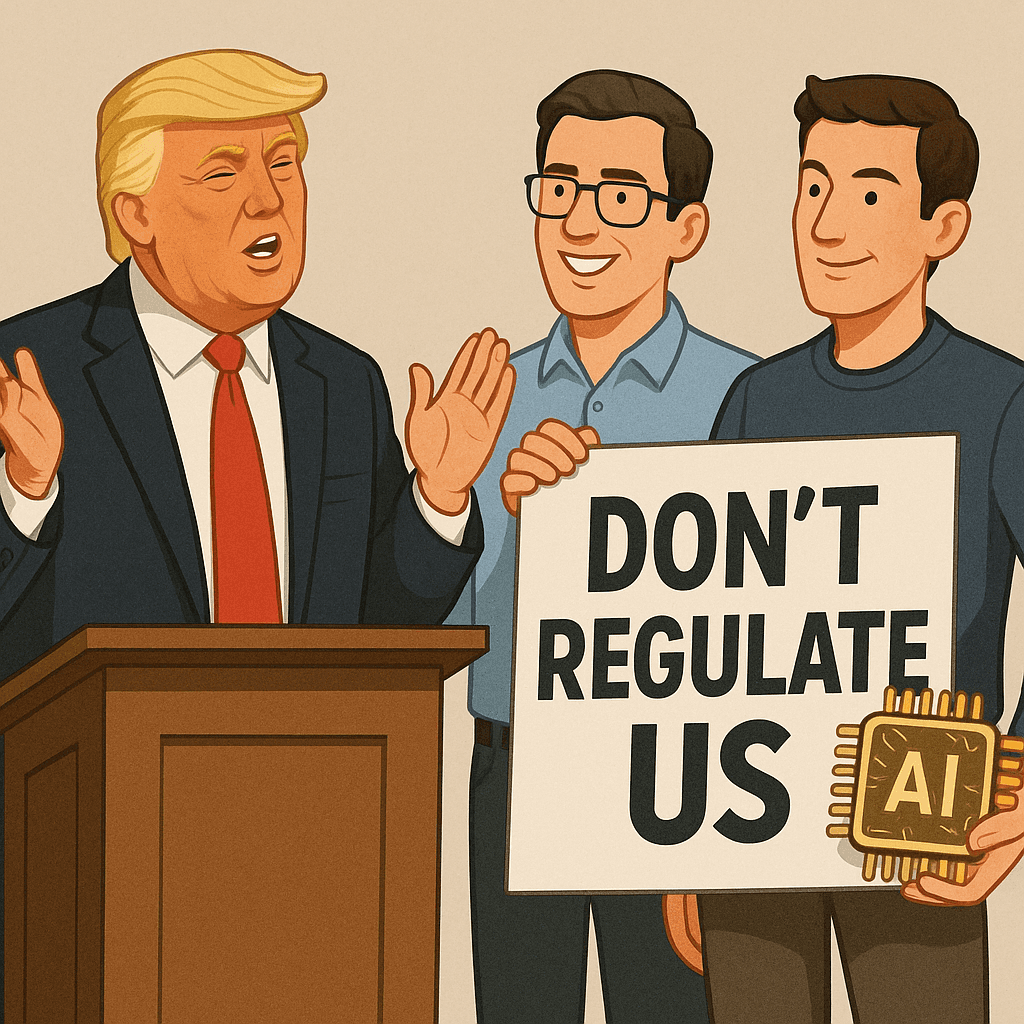
‘Don’t Regulate Us,’ Beg AI Founders Currently Selling Regulation-As-a-Service
Silicon Valley hails Trump’s plan to let AI companies write their own rules, promises to sell those rules back to everyone else by Q4.
Oct 11
Forecast
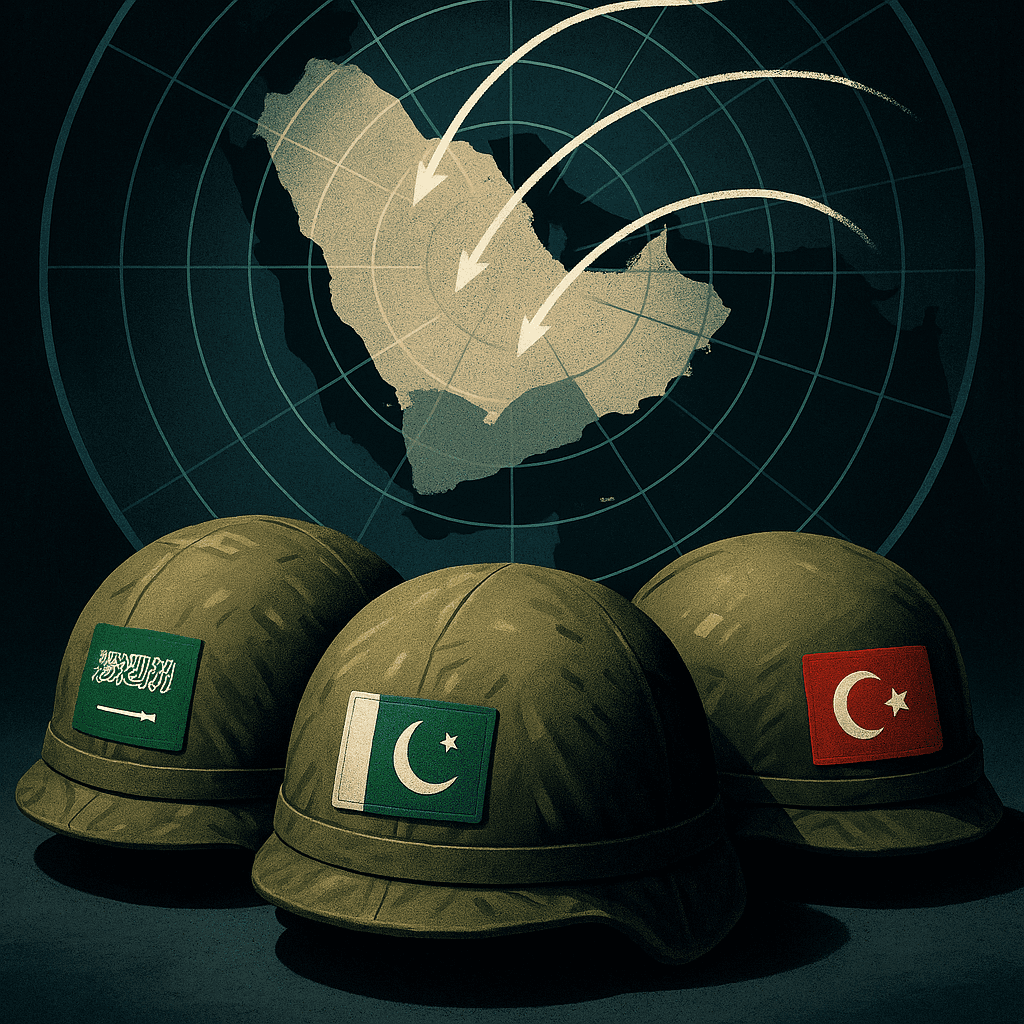
Through December 10, Houthis Won’t Damage Pakistan or Turkey Infrastructure
The Mecca Defense Pact just put two more flags on the Saudi firing chart. The consensus panic says this widens the war within weeks. The signal says the Houthis will talk big, hit Saudi and the sea, and leave Pakistan and Turkey’s hard targets alone for this 60 day window.
Comments
Be the first to comment.