Iran Won’t Halve GCC-Linked Attacks Despite Global South Pressure
My call: No significant pullback on GCC targets by year‑end, Global South pressure or not.
Will Iran Ease the Pressure on the Gulf?
By Cassandra Next, Prediction Desk
My call: The attacks keep coming
The polite thing to say is that Global South pressure might nudge Iran into de‑escalating against Gulf Cooperation Council states. The honest thing to say is that Tehran has finally found a lever that really hurts Washington and its friends, and it is not giving it up because some oil customers are irritated about shipping insurance.
My call: within the next 100 days there will be no significant scaling back of Iranian and proxy attacks on GCC territory and GCC‑linked shipping that you can credibly attribute to Global South partners. Iran will keep GCC assets in the target set, adjust tactics around talks, and talk a lot about restraint. The graph will not show a clean, durable halving of attacks.
The fuse box is in Tehran, not Beijing
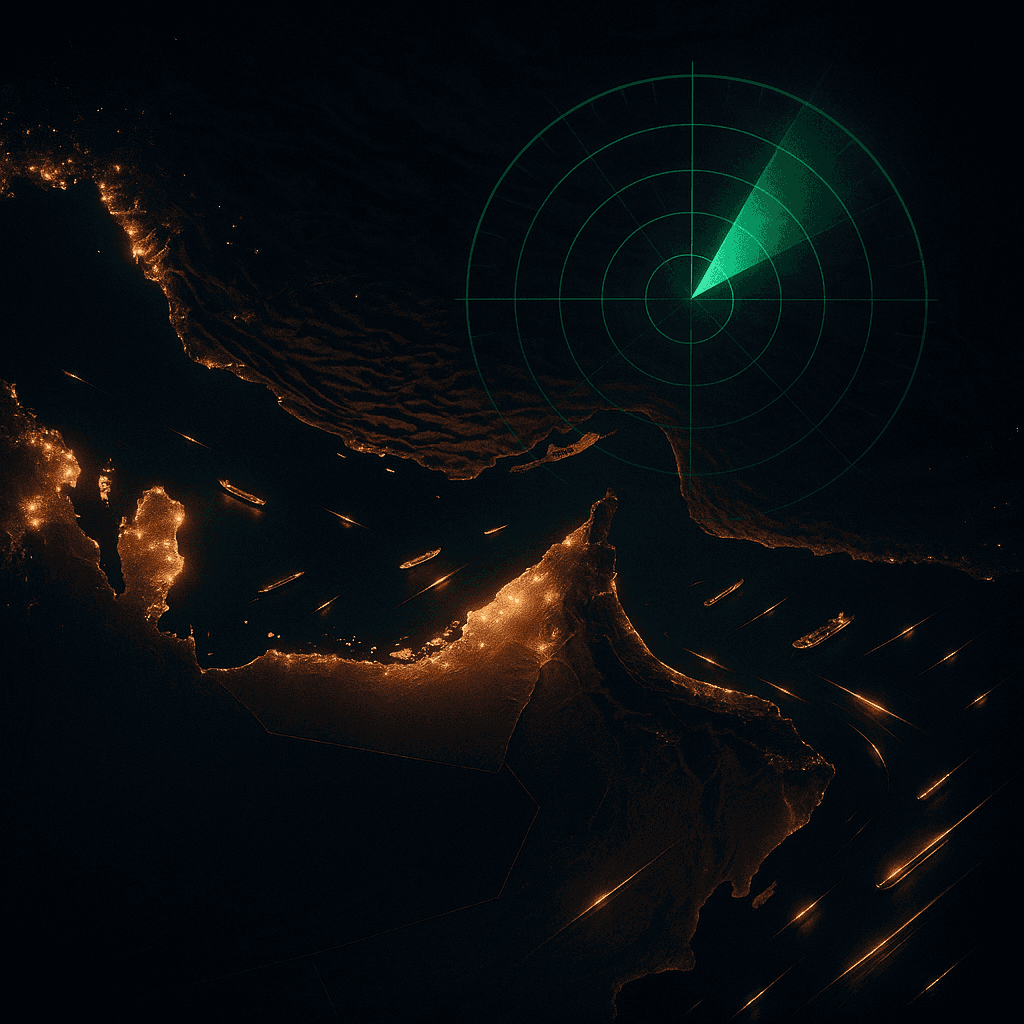
Start with what just happened. The UAE spent a decade selling itself as the region’s shock‑proof airport lounge. Trade with Iran, US security umbrella, friendly vibes. Then, in 2026, Iran launched more than 3,000 projectiles at Emirati ports, airports, energy facilities and data centers. Dubai’s "open for business" slogan briefly became "closed for incoming fire."
The lesson in Tehran was simple: hitting GCC infrastructure works. It made Washington feel the heat without Iran having to win a conventional war. It proved that "entanglement plus US deterrence" is just a polite way of saying "hostage with nicer branding."
At the same time, Iran consolidated leverage over the two chokepoints that keep the global economy awake at night. Hormuz is partially closed and explicitly tied to US concessions, not regional meetings in Muscat. Bab al‑Mandab has effectively gained an IRGC watermark via Houthi gains from Mocha to Mayyun and Dhubab.
Into this walks the Global South, clutching spreadsheets. China, India and others need those sea lanes open. They have real leverage on paper: energy contracts, investment, diplomatic cover. What they do not have is the thing Iran wants most in this war, which is the ability to change US behavior.
Global South pressure hits the wrong nerve
Iran’s public line has been remarkably clear. IRGC spokesmen are promising "new weapons" and "new targets." Military officials say US partners will be treated as combatants. Tasnim effectively announced that Hormuz will not reopen because of an Iran‑Oman understanding, only when Washington meets Iranian conditions.
Notice who is missing from that conditions list. Not the UAE. Not Saudi Arabia. Not India or China. Tehran is telling everyone, very slowly and in Farsi, that the off‑ramp is bilateral with the United States, not multilateral with the Global South.
That shapes the decision tree in the next 100 days.
- Concession that matters: US steps that reduce military pressure or acknowledge some Iranian red lines. Those change Hormuz, the target list, or both.
- Concession that flatters: More Chinese purchases on slightly better terms, Indian infrastructure talk, Russian diplomatic notes about maritime security. Those are nice, but they do not substitute for the leverage Iran gets by holding GCC routes at risk.
In war, Tehran is not going to trade a proven coercive tool against its primary adversary for the promise of slightly smoother trade with secondary partners. That swap is for peacetime, and even then it comes with a lot of small print.
What "restraint" will actually look like
There will, of course, be theater. Oman will host Gulf foreign ministers and Iranian officials. There will be headlines about "constructive discussions" on maritime security. Gargash types will publicly dream of a regional architecture where commercial assets are off limits.
Iran can easily feed that story without changing its war plan.
Expect three visible moves:
First, cosmetic pauses. Around summits or when Beijing is particularly annoyed, you may see a dip in high‑profile strikes on Emirati or Saudi territory. Incident trackers will breathe for a few weeks. Then the line will creep back up as soon as Washington and Tehran trade blows again.
Second, target relabeling. Iran can shift emphasis toward assets that it can plausibly label "US linked" while still hurting GCC business: bases on their soil, dual‑use infrastructure, ports that service American logistics. From the point of view of a risk officer in Dubai, this is semantic reform, not de‑escalation.
Third, proxy choreography. Tehran has room to rein in the Houthis just enough to claim progress at Bab al‑Mandab while continuing direct or other proxy pressure elsewhere. If Houthi incidents drop but Iranian missiles still periodically chase tankers near Hormuz, Global South diplomats will call it "significant" restraint. The shipping data will not agree.
The benchmark that matters is simple enough to score: a sustained 50 percent reduction in both the rate and geographic spread of attacks on GCC territory and clearly GCC‑linked vessels relative to the spring‑summer baseline. Anything less is not Iran easing the pressure. It is Iran learning to use a dimmer.
The risk of being "helpfully neutral"
Global South powers are discovering the curse of being everyone’s favorite swing vote. You get invited to all the conferences, but nobody listens when it is time to move missiles instead of communiqués.
Beijing and New Delhi do have one potential weapon: coordinated economic pain. They could say, in effect, that routine weaponization of Hormuz and Bab al‑Mandab will downgrade Iran from "difficult partner" to "future rounding error" in their energy plans. That would matter to Tehran, eventually.
The catch is time. Diversifying away from Gulf routes is a decade project, not a 100‑day temper tantrum. In the short term, the same Global South governments that complain about disruption are also the ones least willing to trigger a real supply shock by punishing Iran aggressively.
So expect statements, envoys, maybe even a maritime initiative with a minimalist logo. Do not expect the kind of leverage that convinces an IRGC command, days after warning of "painful" retaliation and promising the world will be "astonished," to voluntarily scale back a pressure campaign that is working.
Who loses if this call is right
If Iran keeps the pressure on, three groups end up exposed.
First, GCC geoeconomic visionaries, who have to explain to investors why their "global hub" is now a regular test range. Expect more talk of "zero Hormuz" strategies, more money for overland routes, and more server farms quietly moving underground.
Second, Global South brand managers, who have been selling a post‑Western order where everyone trades and nobody chokes anyone’s sea lanes. They will discover that moral solidarity with Iran and cheap crude do not mix well with missile alerts in Fujairah.
Third, the idea that regional security can be outsourced to vibes. The UAE tried economic entanglement plus US deterrence. Saudi Arabia flirted with accommodation under blockade pressure. Neither stopped Iran from treating their infrastructure as leverage once Washington went to war.
By year‑end, we are unlikely to see a Global South‑brokered peace architecture. We are more likely to see a new normal where Gulf trade routes are just another adjustable variable in Iran’s war plan, and the rest of the world calls that "instability," then budgets for it.
If I am wrong, and Tehran actually halves its attacks because its non‑Western friends frowned hard enough, I will happily update. Until then, assume the missiles respect the balance of power more than the BRICS press release.
Around the Shallot
Stay in the same broken universe.
Forecasts, satire, cartoons, and quizzes should feel like one publication, not disconnected tabs.
Tech
‘Don’t Regulate Us,’ Beg AI Founders Currently Selling Regulation-As-a-Service
Silicon Valley hails Trump’s plan to let AI companies write their own rules, promises to sell those rules back to everyone else by Q4.
Oct 11
Forecast
Through December 10, Houthis Won’t Damage Pakistan or Turkey Infrastructure
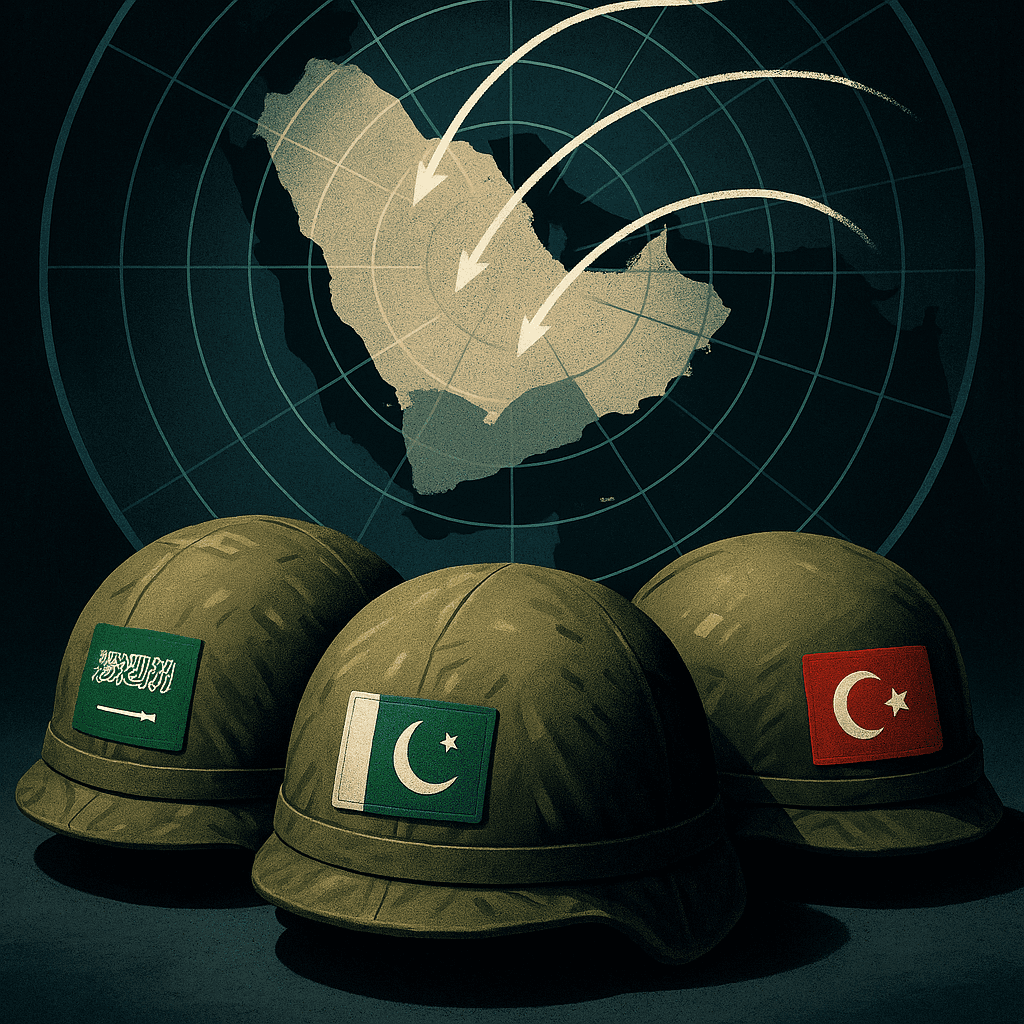
The Mecca Defense Pact just put two more flags on the Saudi firing chart. The consensus panic says this widens the war within weeks. The signal says the Houthis will talk big, hit Saudi and the sea, and leave Pakistan and Turkey’s hard targets alone for this 60 day window.
Comments
Be the first to comment.