Tehran Won’t Trigger a 2019‑Scale Gas Revolt by Early 2027
My call: Tehran stretches the quota game through early 2027 and dodges a fresh 2019‑scale gas uprising.
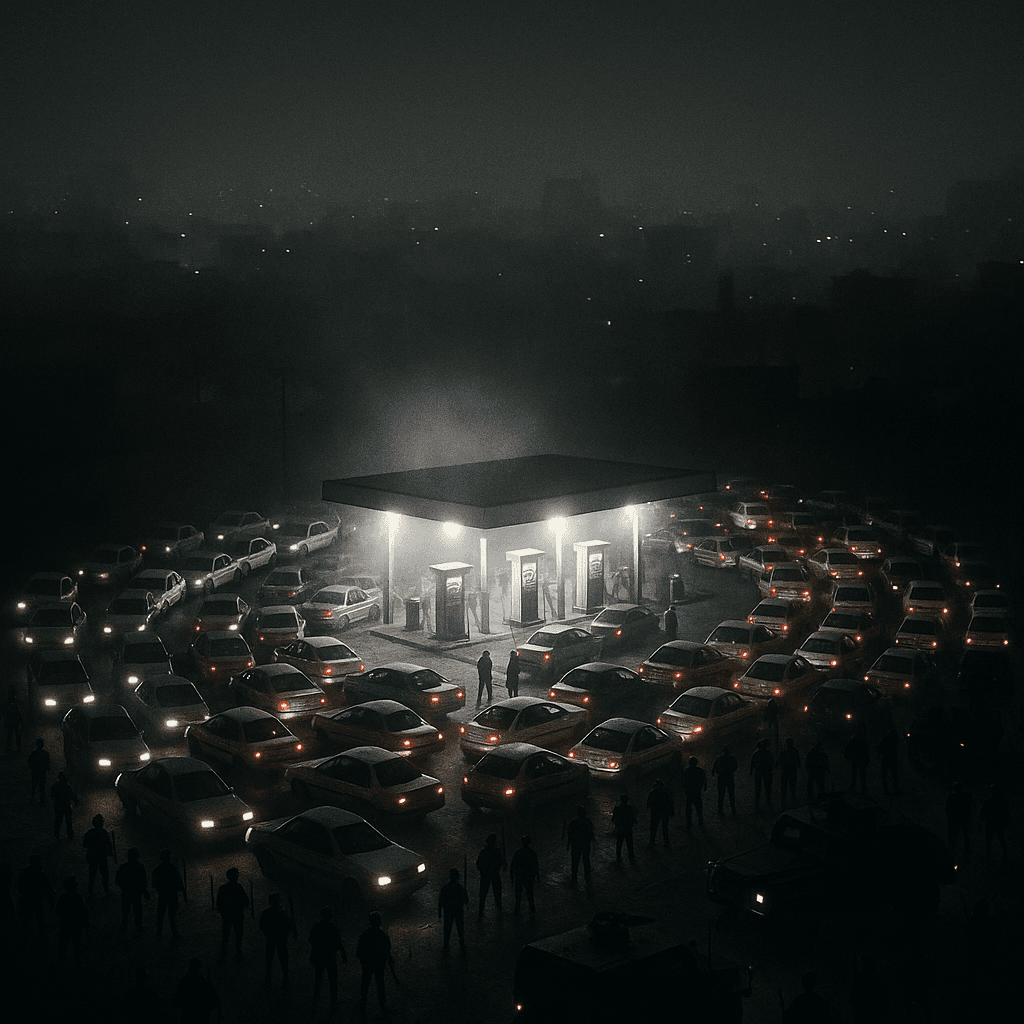
Iran is quietly renegotiating one of its last taboos, and it smells like gasoline. The state is raising prices on heavy users, talking about cutting subsidies on imported fuel, and telling everyone this only hurts the 15 percent who guzzle more than 110 liters a month. At the same time, inflation is near 67 percent, the rial is in free fall, and there is an actual war with the United States plus a maritime choke on its ports.
This looks like the prelude to a brutal choice: keep burning money on cheap fuel, or risk another November 2019, when a surprise gas hike set dozens of cities on fire and, according to some counts, left around 1,500 people dead.
My call: through the next 120 days or so, into early January 2027, Tehran sticks with the slow torture. No broad gasoline price shock on the first 60 liters for most motorists, and therefore no new 2019‑scale, fuel‑triggered nationwide uprising inside this window.
The pressure cooker: math that does not add up
Start with the arithmetic. Iran burns about 145 million liters of gasoline a day. It can refine roughly 122 million. The missing 23 million have to come from imports that are harder and more expensive to secure under war and sanctions, especially with U.S. ships leaning on traffic around key ports and through Hormuz.
That gap gets funded in a currency that keeps finding new floors. One dollar costs roughly 2.22 million rials. Annual inflation is officially in the high‑60s. Every imported liter gets more painful to pay for, and every rial of subsidy buys less political peace at home.
The government knows this is not sustainable. First Vice President Mohammad Reza Aref has started talking about phasing out subsidies on imported gasoline outright. Officials keep telling you the war and the "current situation" require sacrifice. They are not wrong on the math. They are terrified of the politics.
The strategy: save the 60‑liter myth
Cheap gasoline is one of the few things the Islamic Republic has reliably delivered, at least on paper. Generations of Iranians treat it like a birthright, not a line item. In 2019, when that birthright was suddenly edited, the street answered.
The current playbook is a studied reaction to that trauma. Instead of yanking the subsidy rug, the state is snipping at the edges:
- Keep the base 60‑liter monthly quota at 15,000 rials per liter.
- Sell the next 50 liters at 30,000 rials.
- Hammer anything above 110 liters with a steep premium, now around 100,000 rials, doubled twice since December.
Officials repeat that only about 15 percent of consumers are directly hit. The message is simple: the "people" still get cheap fuel, only the gluttons pay. At the same time, every micro move is wrapped in riot gear. When the latest hike kicked in, special units flooded cities like Tabriz, and the internet slowed to a nostalgic crawl.
This is not a government preparing a bold reform. This is a government running a constant, low‑grade psychological operation on 2019.
Why a big bang is unlikely in the next four months
So why am I betting against a broad price shock and a matching revolt in this horizon, when the macro numbers scream crisis?
First, the war paradox. War with the United States and a maritime squeeze make fuel more expensive to support, but they also make mass unrest far more dangerous for the regime. A leadership that already believes it survived "tens of thousands" killed in recent crackdowns does not suddenly decide to poke the same bear over a fuel line item while missiles are flying.
Second, they have room to keep cheating. As long as imported volumes do not catastrophically collapse, Tehran can:
Keep raising the above‑quota price, tighten enforcement on smuggling, shrink access to the middle 30,000‑rial tier, and rely on spot shortages and queues to discipline demand. All of that is ugly. None of it is the clean, scorable at least 50 percent jump on the first 60 liters for most drivers that would advertise a regime breaking its own red line.
Third, they have learned the choreography of pre‑emption. The security state now treats rumors of gas hikes like incoming cruise missiles. Pre‑positioned units, instant arrests, and hard throttling of internet traffic mean protests around pricing tweaks tend to flare, then stay local.
Oil sector workers protesting at Assaluyeh and offshore platforms show a more dangerous frontier. That is exactly why, in the near term, the state is more likely to buy them off with targeted concessions than risk linking strategic labor to a universal price increase.
The risk case: what would break this forecast
The way this call fails is simple, and ugly. A sharp external shock, such as a major refinery outage or a much tighter blockade, forces Tehran into the one thing it is trying to avoid: a public admission that the 60‑liter floor cannot be held.
That would look like a decree that either slashes the cheap quota for most motorists, or hikes its per‑liter price by at least half in one go. If that happens, the odds of a new wave that reaches 20 or more cities with lethal crackdowns go up fast, because the symbolism is unmistakable. You are not just paying more for fuel, you are watching the state shred the last populist receipt it kept from the revolution.
Activist networks hardened in the 2019 and 2022–26 cycles would not need much imagination to turn a fuel protest into a regime protest again. But that is exactly why the leadership will take a lot of pain on imports, on inflation, and on transport dysfunction before it pushes that button in the middle of a war.
The stakes: when cheap gas is the last cheap lie
Between now and early 2027, expect more of the same: small, technical, deeply political changes that leave the 60‑liter myth intact while hollowing everything around it. The middle class pays more above quota. The poor feel it through food and transport prices. The state tells everyone they are patriots, not hostages.
If I am right, the regime buys a few more months of calm at the pump, at the cost of a deeper eventual reckoning when the arithmetic finally wins. If I am wrong, you will know. It will look a lot like 2019, only angrier and poorer.
Either way, Iran’s rulers have turned gasoline into their favorite metaphor: officially cheap, brutally policed, and one spark away from proving the brochure was a lie.
Around the Shallot
Stay in the same broken universe.
Forecasts, satire, cartoons, and quizzes should feel like one publication, not disconnected tabs.
Tech
‘Don’t Regulate Us,’ Beg AI Founders Currently Selling Regulation-As-a-Service
Silicon Valley hails Trump’s plan to let AI companies write their own rules, promises to sell those rules back to everyone else by Q4.
Oct 11
Forecast
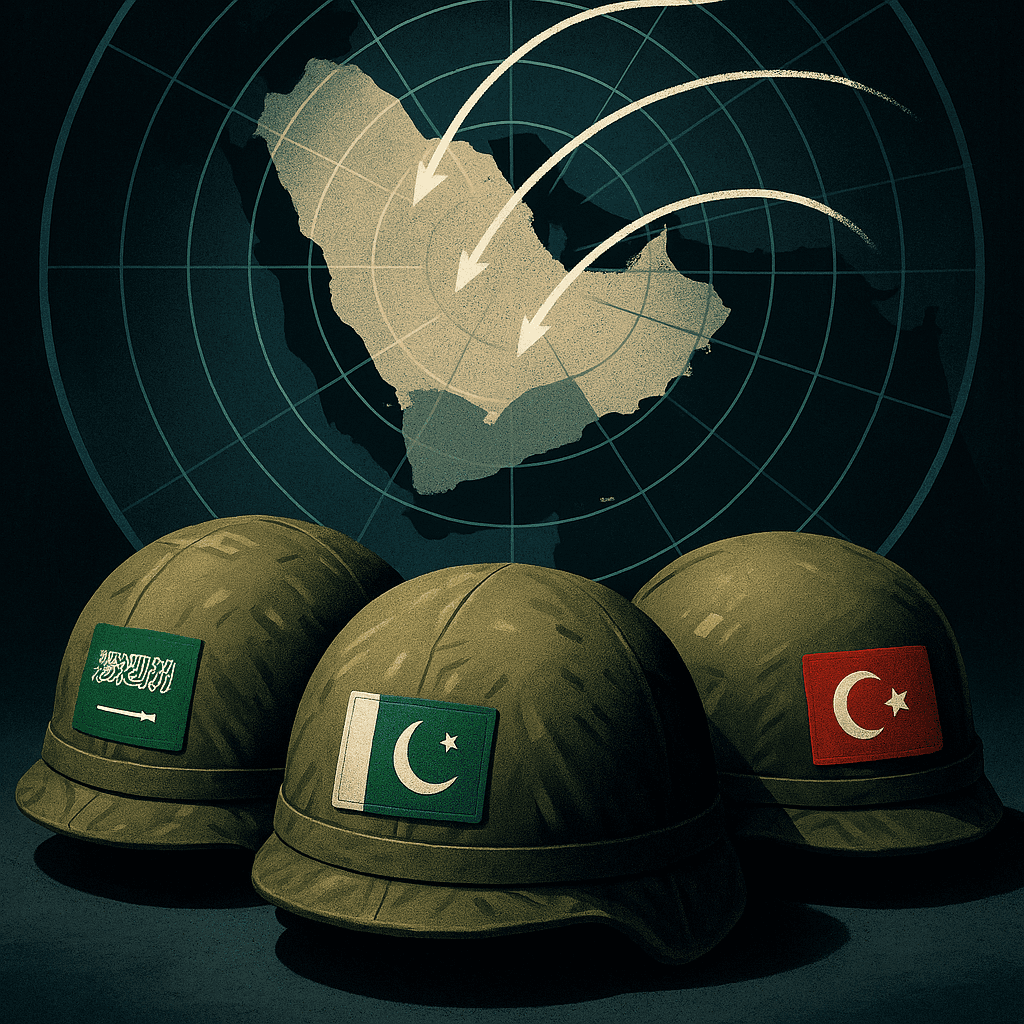
Through December 10, Houthis Won’t Damage Pakistan or Turkey Infrastructure
The Mecca Defense Pact just put two more flags on the Saudi firing chart. The consensus panic says this widens the war within weeks. The signal says the Houthis will talk big, hit Saudi and the sea, and leave Pakistan and Turkey’s hard targets alone for this 60 day window.
Comments
Be the first to comment.