Trump And Iran Won’t Sign A Hormuz Deal Before G7 Ends
My call: no jointly acknowledged deal that reopens Hormuz and locks in a 60 day ceasefire gets signed before the G7 wraps.
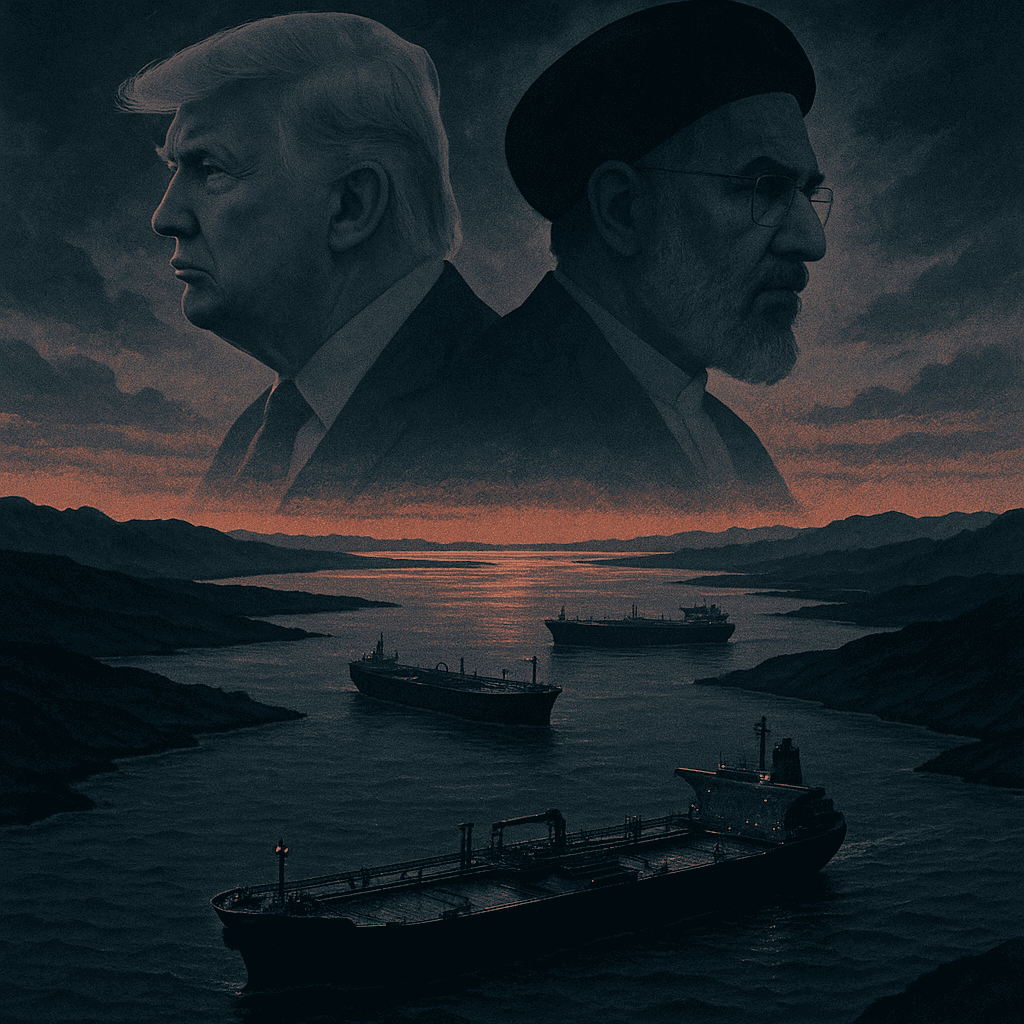
Trump is promising a Sunday peace signing with Iran, a freshly opened Strait of Hormuz, and a 60 day glide path to more talks. Iran is publicly saying, in diplomatic subtitles, "absolutely not on your schedule." My call: there is no mutually acknowledged, signed deal that reopens Hormuz and formally extends the ceasefire before the G7 summit packs up in France.
The scoring rule is simple enough to survive the spin: for this to be a "yes," we need a text that both Washington and Tehran, or a mediator explicitly speaking for both, describe on the record as signed, covering two specific points: reopening the Strait of Hormuz to commercial shipping and extending the ceasefire about 60 days, all within the G7 window. A Trump Truth Social victory lap on its own does not count. Nor does some foggy "understanding in principle" that diplomats leak to Axios at 2 a.m.
The Consensus Wants a Summit Miracle
The consensus story writes itself. Markets are spooked. Fertilizer and LNG prices are twitchy. G7 leaders are flying into France with nervous energy ministers and even more nervous bond traders. Of course, the script says, everyone will stumble into a skinny deal in time for the group photo and the closing communiqué.
Pakistan and Qatar are obligingly selling that version. Islamabad says the text is basically done and an electronic signing was expected Sunday. Mediators always claim they are inches from the goal line, because no one wants to admit they have spent weeks in five star hotels producing a well formatted non paper.
Trump is doing his part, telling CNBC that the deal will be signed Sunday, that the Hormuz Strait will be "OPEN TO ALL" right after, and then scheduling his own departure for the G7 around a mixed martial arts event on the White House lawn. The only thing missing is a pay per view promo code.
If you stop reading there, you expect an on time signing and a triumphant Trump arrival in France, deal in pocket, ready to brief the allies on how the war is over and the tankers are back.
The Signal Says: Not on Tehran Time
Then you read the Iranian side. Esmail Baghaei, speaking for the Foreign Ministry, is as clear as an Iranian spokesperson ever is: "it will not be tomorrow", maybe in the "coming days." That is diplomatic code for: stop announcing our timelines for us.
Tehran is not denying the contours of the draft. Officials are leaking the same basic package mediators describe: reopen Hormuz to all commercial vessels, lift the US naval blockade of Iranian ports, waive some oil sanctions, and release around 25 billion dollars in frozen assets. In return, Iran repeats that it will not produce or acquire nuclear weapons, without surrendering its current uranium stockpile or missile leverage.
So the issue is not whether a framework exists. It is whether the Islamic Republic signs it on a clock publicly set by Donald Trump, in full view of hardliners who already think they traded too much for too little, while Israel is still hitting Hezbollah targets in Beirut.
That is a stretch. Iranian politics is many things, but it is not famous for sprinting to meet American presidents' publicity deadlines.
Why the Deadline Is Likely to Slip
There are three big drivers behind a miss here: political ego, unresolved substance, and legal plumbing.
First, ego. Trump has staked his brand on declaring things "done" long before the paperwork is real. From North Korea to USMCA, the movie trailer always arrives before the film is edited. If the past decade has taught us anything, it is that "tomorrow" in Trump speak means "whenever I next need a headline." Iran, by contrast, has made a small sport of refusing to move on public ultimatums, particularly from US presidents they consider unreliable.
Second, substance. Verification and enforcement are not decoration here. Iran will be pledging not to build a nuclear weapon while keeping an advanced program intact. The US is promising not just to step back in the strait, but to waive sanctions and hand over 25 billion dollars that Congress and the broader foreign policy blob believe were hard earned leverage. No one has convincingly explained what happens if either side cheats, or how Israeli strikes on Hezbollah and other proxies fit into this supposed ceasefire.
You can kick real inspections into "technical talks" later. You cannot completely ignore them without losing domestic support on both sides. That kind of finessing takes more than a weekend, especially when lawyers and central bankers get involved.
Third, plumbing. An electronic signing sounds fast. In practice, it means coordinated legal text, parallel authorizations in two capitals, and mediators aligning press language so that everyone calls it the same thing. We already have a taste of the coordination problem: Trump says it is a "deal" that ends the war. Iran talks about a memorandum that might emerge in the coming days. Pakistani and Qatari officials float a Sunday signing, then Iran walks the timing back. That is not the choreography of a precise rollout.
Layer the G7 schedule on top and the calendar only looks worse. Trump is trying to fly, stage manage a diplomatic victory, reassure jittery allies, and keep his domestic hawks quiet, all inside a week. The easiest move for everyone is to declare "major progress" at the summit, hint that a framework is essentially agreed, and push the actual signatures into that ever elastic zone known as "after consultations with our respective capitals."
What Would Prove Me Wrong
To overturn this call, here is what would need to happen before the G7 closes in France:
- A clear US statement that a deal has been signed, paired with an equally on the record Iranian statement using the same frame, not just "understanding" or "talks continue."
- Language from both that explicitly links this signed deal to reopening the Strait of Hormuz and extending the ceasefire about 60 days.
- Early implementation moves that reference the agreement: US Treasury or State detailing named sanctions waivers tied to "the signed deal," and Iranian maritime authorities issuing reopening or de mining notices tied to the same.
I do not rule this out. The economic pressure from a half closed Hormuz is real, and some G7 leaders would happily take a slapped together memorandum over another month of seven dollar gas. If the text is truly sitting in inboxes, the mediators could force a minimalist version into existence.
But the more likely path is a statement about "agreement in principle," photo ops with various Gulf ministers, and a promise that the lawyers and admirals will work out the details shortly. You will hear the words "irreversible progress" at least once. You will not see a mutually claimed signed deal that actually lets insurers green light tankers on the basis of law instead of vibes.
The Stakes: Markets Want a Treaty, Not a Trailer
None of this is academic. Hormuz is still the most important oil and LNG chokepoint on earth. Keeping it effectively throttled while pretending you have a peace process is a terrific way to recreate all the worst parts of 1970s energy policy with the added bonus of modern fertilizer dependency.
A real, signed, jointly owned deal in the G7 window would justify a sharp repricing of energy risk. A near miss or a vague promise would not. The risk is that leaders talk themselves into believing that words like "framework" and "understanding" float tankers and clear mines. They do not. Admirals and underwriters do, and both of those groups read the footnotes.
If I am right, we leave the G7 with something that sounds hopeful but does not actually meet the bar I set at the top. The ceasefire limps on, the strait reopens only partially or informally, and everyone congratulates themselves on having avoided the worst while quietly keeping their contingency plans updated.
Which is, in its own way, the most on brand outcome imaginable: the president gets his peace in our time riff, Iran gets its "we did not bow" narrative, the G7 gets a line in the communiqué, and the oil market gets a cliffhanger. The only true loser is anyone who mistook a summit deadline for an actual plan.
On the bright side, when the real signing finally happens, the world will already have the merch.
Around the Shallot
Stay in the same broken universe.
Forecasts, satire, cartoons, and quizzes should feel like one publication, not disconnected tabs.
Tech
‘Don’t Regulate Us,’ Beg AI Founders Currently Selling Regulation-As-a-Service
Silicon Valley hails Trump’s plan to let AI companies write their own rules, promises to sell those rules back to everyone else by Q4.
Oct 11
Forecast
Through December 10, Houthis Won’t Damage Pakistan or Turkey Infrastructure
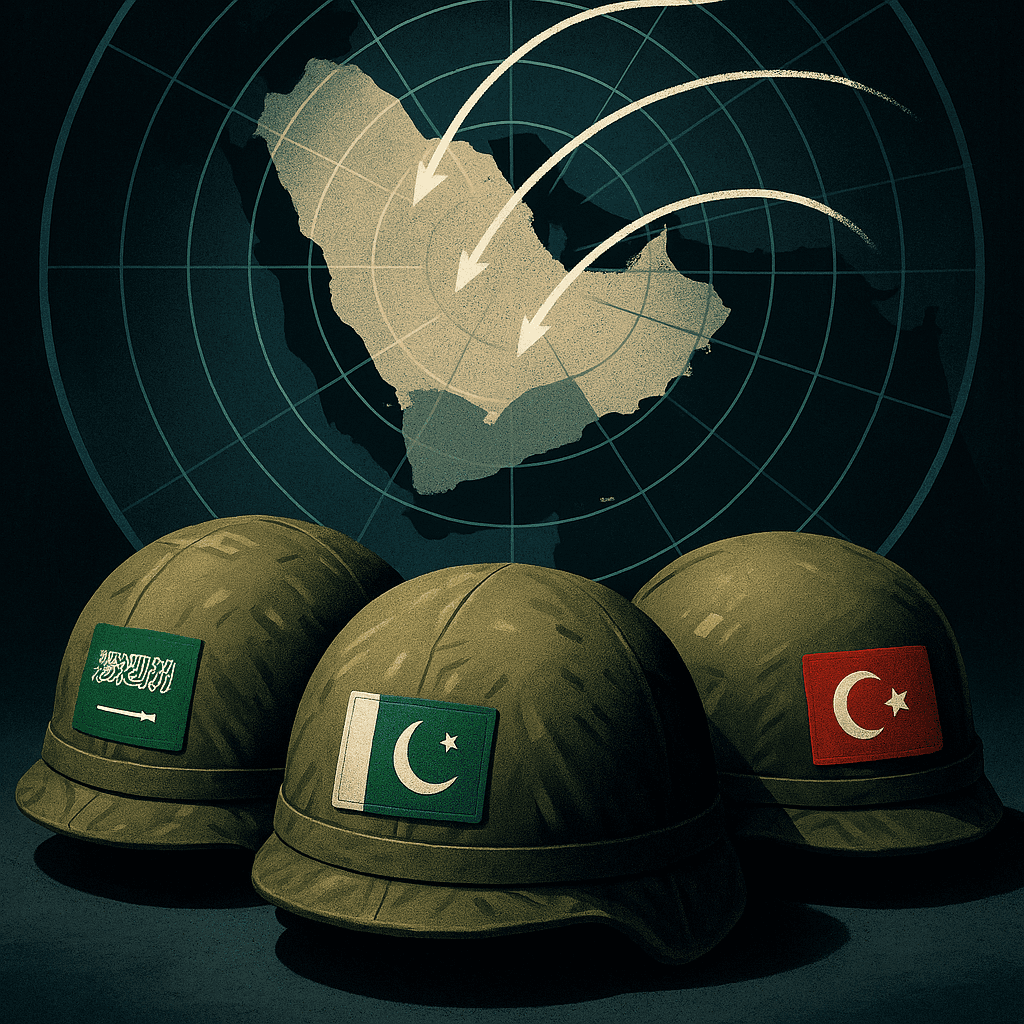
The Mecca Defense Pact just put two more flags on the Saudi firing chart. The consensus panic says this widens the war within weeks. The signal says the Houthis will talk big, hit Saudi and the sea, and leave Pakistan and Turkey’s hard targets alone for this 60 day window.
Comments
Be the first to comment.