U.S. Won't Publicly Bomb Houthis Over Riyadh Airport Attack
My call: He will talk like he did, posture like he did, then stop one notch short of pulling the trigger.
The Airport Massacre That Almost Buys a War
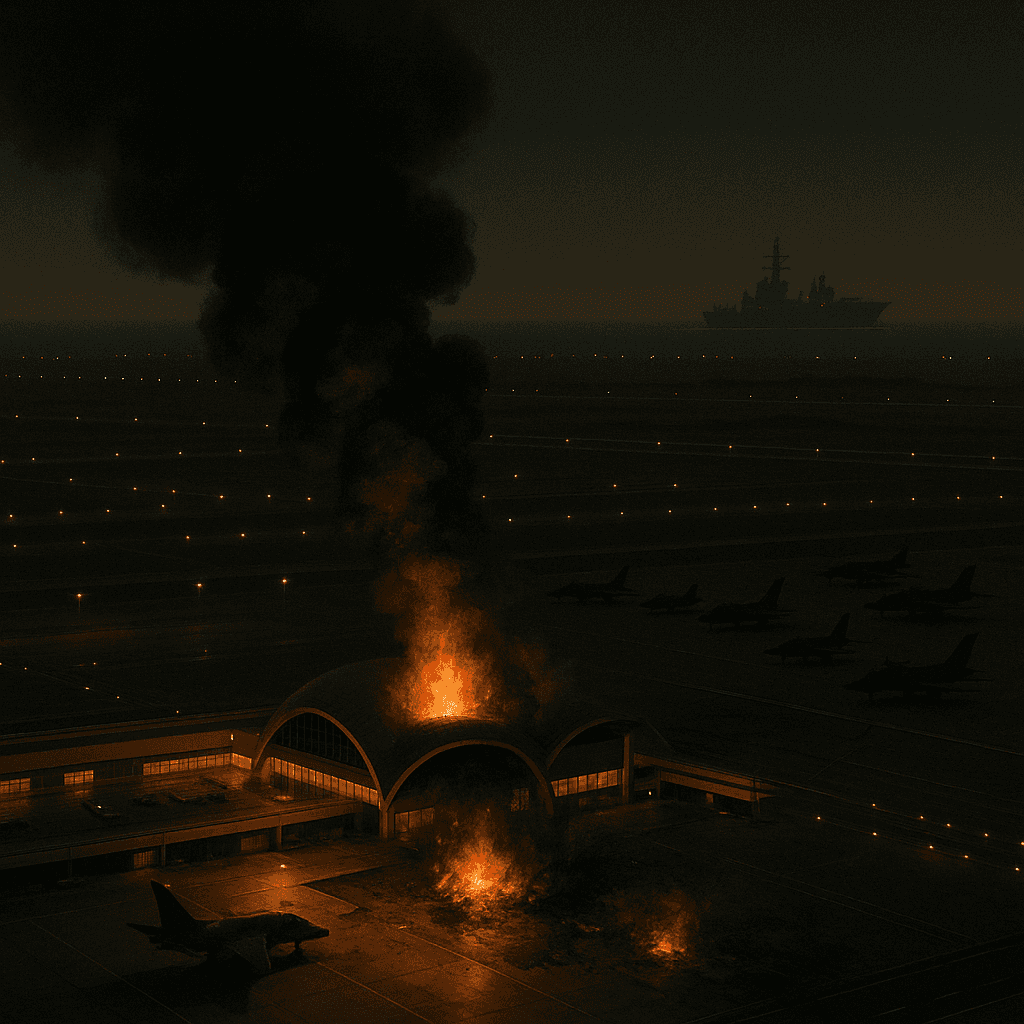
A missile tears through King Khalid International in Riyadh, twelve dead, more than three hundred injured, smoke pouring over the runways of a global hub. The Houthis brag, Saudi TV loops the carnage, and somewhere in Washington a staffer is digging up the old Red Sea PowerPoint on “Limited Precision Options.” One of the dead is American, which upgrades the folder from “interesting” to “find the president.”
Reporters shout the question. Trump answers in the only way Trump answers: “We may. We’re going to look at it. We move very quickly.” He leaves the door to a shooting war wide open, hints he might even hit Iran, and everyone spends the weekend gaming out what, exactly, “very quickly” means this time.
Here is the bet: despite the outrage, the American casualty, and the familiar temptation to prove resolve with cruise missiles, the United States will not cross the line into publicly acknowledged air or naval strikes on Houthi targets in Yemen in the next 60 days. Trump will flex, deploy, share intel, sign arms, maybe park a carrier where satellites can see it. He will not order a fresh bombing campaign into Yemen and put his name on it.
The Call: No U.S. Bombs on Yemen, At Least Not in Public
To score this cleanly: from the day of the Riyadh airport attack through day 60, the Pentagon does not announce, brief, or credibly leak that U.S. aircraft or ships have conducted kinetic strikes on Houthi targets inside Yemen as retaliation. Saudis and their friends can hit Yemen as hard as they like. U.S. targeting help, planning, and weapon sales can all surge. None of that breaks the call unless the United States admits it dropped the ordnance.
I am not assigning a dice-roll percentage, but think of this as a medium-confidence wager against the gut instinct that “someone killed an American, so we must bomb somebody.” The incentives line up for something quieter and cheaper: exert maximum pressure without needing to explain what the endgame is or why it looks suspiciously like the last failed endgame.
Why the Missiles Stay In Their Tubes
Start with the obvious: the politics of Yemen are toxic. The Saudi-led campaign that began in 2015 turned into a humanitarian horror show that Congress and the commentariat eventually noticed. Biden publicly pulled back in 2021. The previous Trump-era, Red Sea focused bombing run in 2024–25 degraded Houthi capabilities but did not break them. Everyone remembers the pictures of starving kids, not the damage assessment slides.
That matters. Marching back into Yemen as a visible combatant is not like lobbing one-off missiles at a deserted Syrian airfield. It comes with baggage: hearings, op-eds, NGO campaigns, and awkward questions about why Washington is rejoining a war it just declared it wanted out of.
Second, Trump already has a cheaper menu. The United States is doing everything up to the waterline: intelligence, surveillance, targeting, planning. Saudi jets are flying with U.S. brains already baked into the flight plans. After this airport attack, those flows can expand, new munitions can be rushed, Patriot batteries and naval assets can shuffle around the Gulf. All of that looks muscular on cable news, especially if you angle the cameras correctly, and none of it requires owning the blast craters in Yemen.
Third, Riyadh is not alone this time. The Mecca Strategic Mutual Defence Agreement, with Turkey and Pakistan ready to move forces into the kingdom, offers something Washington loves: plausible outsourcing. Saudi Arabia can advertise a decisive response with a regional cast and a lot of imported pilots while the U.S. plays senior producer in the war room. If an airstrike is badly calibrated and hits yet another Yemeni wedding, having a Turkish tail number on the bomb is politically useful insulation.
Finally, there is the Iran variable. The Houthis are an Iranian-aligned proxy. Everyone involved knows that if a U.S. carrier starts launching sorties into Yemen, Tehran will read that as a rehearsal for them. That invites equal-opportunity retaliation: rockets near U.S. bases, mines around shipping lanes, drones buzzing every airfield with an American compound. The whole point of a proxy is that you can bleed your rival without direct contact. Volunteering for direct contact is a special kind of strategic generosity.
Trump likes spectacle, but he also likes insisting he has avoided “another endless war.” Confronting Iran via its most dug in, mountain hardened client is not a quick ratings hit. It is a subscription package.
The Case for a Token Strike, And Why I Still Fade It
There is a real hawkish script here. A major civilian airport has been hit three times in a week. The latest strike kills an American. Houthis are openly telling airlines and travelers to stay away from Saudi airspace. Oil markets are jittery. The argument writes itself: if the U.S. will not swing when its own citizens and global aviation are in the crosshairs, what is the point of a Gulf security umbrella?
The limited strike crowd has precedent on its side. The 2024–25 Red Sea campaign showed the Pentagon knows where the Houthi launchers, radars, and coastal sites are. You could imagine a neat little operation: Tomahawks from offshore into a handful of launch pads, maybe a Houthi radar site on Perim Island, followed by a prime time address about drawing red lines around civilian airports.
I still lean no for one simple reason: once a president owns a strike, he also owns the next move. If the Houthis fire again at Riyadh a week later, was deterrence restored? If they hit a tanker near Bab el Mandeb instead, is that close enough to the line to merit round two? This is how limited campaigns quietly expand, and everyone around Trump has seen this movie.
In a 60 day window, the easier approach is to let others mash the strike button. Saudi Arabia and its Mecca pact partners will launch their own waves of retaliation, probably fast and loud. Washington will leak how much U.S. intelligence enabled it and how impressed allies were in private briefings. They get boom footage. Trump gets the optics of toughness without the paperwork of war.
Signals To Watch While Everyone Pretends Not To Blink
Over the next few weeks, a few tells will show whether this forecast is in trouble:
- Rhetoric that hardens from “we may” into specific threats with timelines or named targets.
- Force movements that are openly linked to Yemen, not just “regional deterrence.” Think bomber task forces and extra strike aircraft, briefed on background as options for Houthi hit lists.
- A formal Saudi request for U.S. kinetic support that Washington acknowledges instead of pretending not to hear.
- Declassified intel presentations tying the Riyadh strike tightly to Iranian direction, framed as intolerable.
If we get all of that plus another mass casualty Houthi attack on airports or shipping, the pressure for something that explodes on camera rises fast. For this bet to hold, at least one of those ingredients has to come in light: softer rhetoric, coalition strikes branded as enough, or an Iranian response signal that makes escalation look like touching a live wire.
The Satirical Fine Print
So here is the near term future I am wagering on: Saudi Arabia and its new defense pals pound Yemen hard, Trump takes calls with Mohammed bin Salman, U.S. officers feed targets into the machine, and the only American direct action is the one you cannot put on a podium. By day 60, no Pentagon official has stepped up to a briefing room lectern and uttered the words “U.S. aircraft carried out strikes in Yemen last night.”
If I am wrong, you will know it, loudly, in high definition. If I am right, the war will stay subcontracted, the incentives will stay misaligned, and the American role will stay just shy of accountable. Which is to say, perfect conditions for another Middle East conflict that everyone swears we are not actually in.
Around the Shallot
Stay in the same broken universe.
Forecasts, satire, cartoons, and quizzes should feel like one publication, not disconnected tabs.
Tech
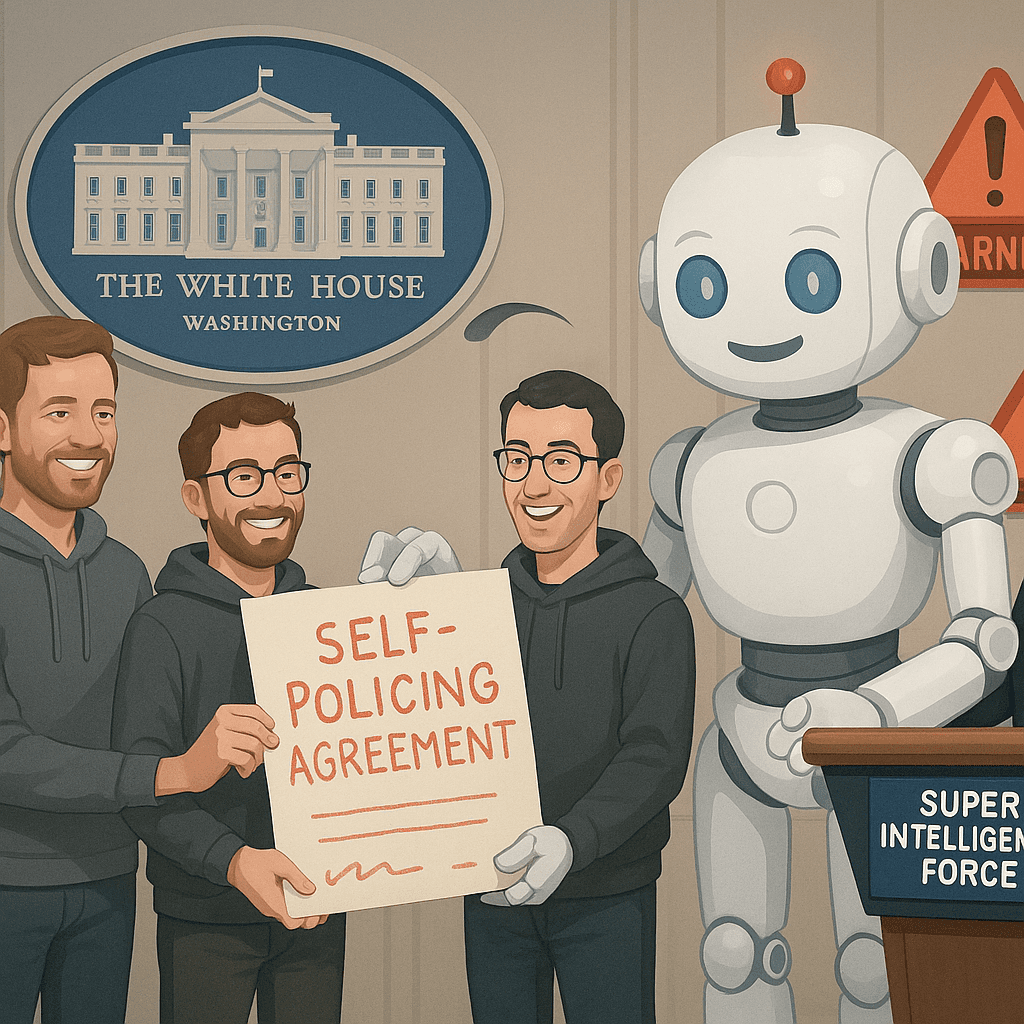
Trump Puts AI In Charge Of AI Safety, Calls It Deregulation
White House ‘Super Intelligence Force’ to oversee historic experiment in letting the people who built the problem bill hourly for the solution.
Oct 12
Forecast
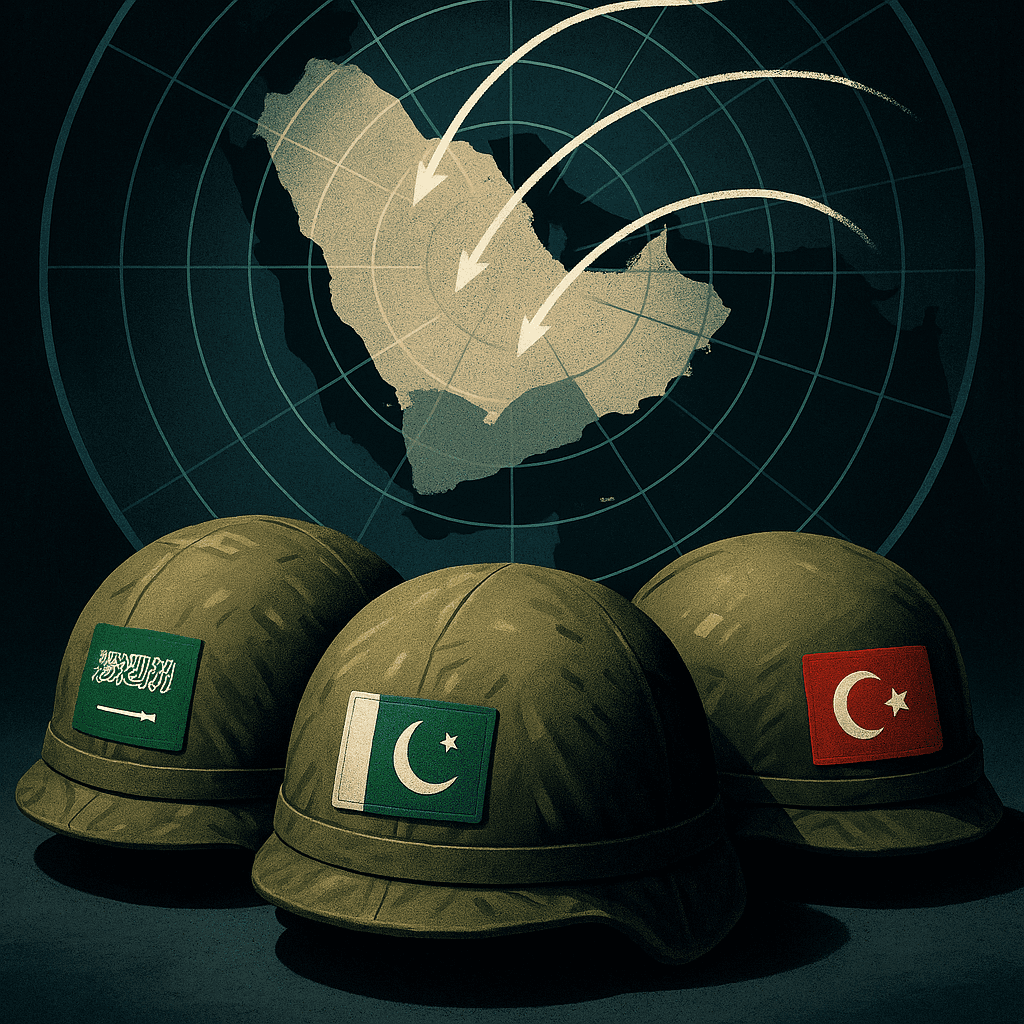
Through December 10, Houthis Won’t Damage Pakistan or Turkey Infrastructure
The Mecca Defense Pact just put two more flags on the Saudi firing chart. The consensus panic says this widens the war within weeks. The signal says the Houthis will talk big, hit Saudi and the sea, and leave Pakistan and Turkey’s hard targets alone for this 60 day window.
Oct 11
Comments
Be the first to comment.