US and Iran Will Sign a Hormuz Reopening Deal by 2027
My call: a named US–Iran agreement to reopen the Strait of Hormuz squeaks through before January 31, 2027.

My call: the paper arrives before the oil
The consensus story is simple: Donald Trump just blew up Iran’s seven day plan on live TV, Brent shot over $108, and the Strait of Hormuz will only reopen when one side blinks or loses a ship on camera.
The signal points somewhere less dramatic and more annoying. My call: by January 31, 2027, the United States and Iran sign a named, written agreement that both publicly describe as a deal to reopen Hormuz. The tankers will still be threading a minefield in early 2027, but the lawyers will be done.
In other words, the first thing to normalize in this war will not be traffic. It will be the stationery.
The deal already exists, it just has commitment issues
Look at the stack of half finished paperwork on the table.
There is the June 2026 US–Iran memorandum of understanding, the one that briefly paused the shooting before collapsing under reciprocal strikes. It already married the core ingredients: sanctions relief, asset releases, de escalation around Hormuz. Everyone knows what a ceasefire plus shipping package looks like because they already signed one.
There is Iran’s seven day reopening plan, carried by Qatar and waved around at the UN General Assembly like a flyer for a flash sale on normal maritime traffic. End US strikes, lift the naval blockade, ease sanctions, unfreeze assets, and within a week the strait reopens and nuclear talks restart. Tehran is explicit that none of this is new. It is a remix of June, not a fresh album.
And then there is EnergyNow’s 14 point framework. The reporting: Washington and Tehran have “committed” in principle to a structured reopening plan, with analysts already gaming out how long it will take to clear mines, reposition tankers, and ramp fields. They expect prewar volumes only by January 2027, which quietly assumes one thing: some kind of enabling deal exists before that.
When three different documents describe the same bargain with slightly different fonts, you are not in policy design territory any more. You are in the phase where everyone is arguing over adjectives and sequencing so they can sell the same substance back home.
Trump’s public no vs his private yes if
Trump’s line at the mic is clear: proposal rejected, America already “controls” Hormuz, oil is flowing, nothing to see here except a 4 percent jump in crude and war risk premia that make ship insurers sound like doomsday preppers.
Iran’s line, delivered by Foreign Minister Abbas Araghchi, is just as clear: we have seen the TV clip, we have not seen a formal written rejection through Qatar, and we are not changing our conditions. In other words, as far as Tehran is concerned, Trump has quote tweeted the offer, not replied to the email.
This split is not a bug. It is a feature. Trump gets to posture for the US midterms, no new concessions, maximum swagger. Iran gets to keep the diplomatic track alive, no backtracking, maximum dignity. Mediators get to pretend both sides are still serious, which keeps their hotel contracts renewable.
The timing matters. Trump’s incentive to reject anything with the word “Iran” on it peaks before the midterms. After that, the downside of a quiet executive level accord shrinks. Cheaper energy and a photo op where he claims to have bent Tehran to his will become campaign assets, not vulnerabilities.
So I am not forecasting some grand conversion. I am forecasting something more banal: Trump keeps saying no on television, while negotiators keep scribbling yes ifs in Doha conference rooms. When the electoral calendar loosens, the yes ifs quietly win.
Why both sides need something on paper
The Strait of Hormuz is not a metaphor. It is the artery for roughly a fifth of traded oil and a big chunk of global LNG. Since the February 2026 war, that artery is half clogged and booby trapped. Lloyd’s List counts at least 93 commercial vessels targeted. Insurers slap on war risk surcharges. Gulf exporters reroute or throttle supply. Consumers pay.
The US can improvise security with carrier groups and allied escorts, but it cannot permanently offset a choke point this important with vibes and shale. Iran can harass shipping and talk about a “doomsday war”, but it also wants money, asset releases, and oil sales. Everyone is losing, just at different speeds.
De facto de escalation would help, yes. The navies could informally ease rules of engagement, the IRGC could quietly reduce harassment, and traffic would tick up. The problem is that the expensive stuff Washington has to do, the licenses, waivers, and unfreezing of billions, is politically radioactive if it is not tied to something explicit on Iranian behavior.
A visible agreement solves that. It gives the US a document to wave at Congress and cable news: here are the conditions, here are the snapbacks, here is why this is not us rewarding aggression, it is us buying stability. It gives Iran a document to wave at its own hard liners: we defended our rights, we made the Americans move, and now money flows again.
That is why the baseline scenario looks narrow and technocratic. Call it an executive accord or a roadmap, not a treaty. Anchor it with a UN resolution so everyone can claim multilateral cover. Bolt Hormuz access to specific steps on sanctions and military de escalation. Let Qatar and a couple of Gulf capitals act as guarantors and escrow clerks.
You do not need love for that. You just need receipts.
The ways this bet can still blow up
There are clean ways for me to be wrong.
The first is political allergy. Trump and the faction around him could decide that any visible deal is a scarlet letter. No executive accord, no MoU, just unilateral steps and third party patrols. Hormuz gradually reopens, but there is no signed US–Iran document to point to. From a markets perspective, that looks fine. From a scoring perspective, I lose.
The second is Iranian ambiguity. The IRGC and hard liners might tolerate de facto restraint but refuse any text that explicitly constrains their leverage in the strait. They would rather be the weather than the forecast.
The third is the most obvious: escalation. One spectacular strike on a tanker, a miscalculated US response, or a domestic shock in either capital could make written compromise untouchable, even if everyone keeps quietly avoiding a full blockade.
I see those risks. I still rate the narrow deal path as more likely, because both economic math and existing drafts lean in that direction. When a 14 point “commitment” is already circulating and energy analysts are scheduling normal flows for January 2027, the burden of proof is on the scenario where nobody ever signs the thing that makes their spreadsheets legal.
Stakes, in three lines
The resolution axis for this forecast is simple enough that even a cable panel can understand it.
- By January 31, 2027, is there a named, written agreement, endorsed by both Washington and Tehran, that explicitly ties mutual steps to reopening the Strait of Hormuz?
- Do both governments publicly characterize it as a deal, roadmap, MoU, or accord to reopen Hormuz, not just a vague peace gesture?
- Is it bilateral or jointly signed, even if nested in a broader multilateral package?
If what we get instead is a fog of unilateral statements, leaked side letters, and a UN resolution about “maritime safety” that no one wants to call a deal, this forecast will resolve wrong.
My money, metaphorically, is on the signatures. Hormuz is too expensive to leave entirely to improvisation, and the text of the trade is already sitting on multiple hard drives, waiting for the right news cycle.
When the dust settles, the shipping lanes may still be slow and insurers still nervous, but somewhere in a capital, a leader will hold up a stapled packet and call it historic. At that point the only fully blocked channel will be the comment section.
Around the Shallot
Stay in the same broken universe.
Forecasts, satire, cartoons, and quizzes should feel like one publication, not disconnected tabs.
Tech
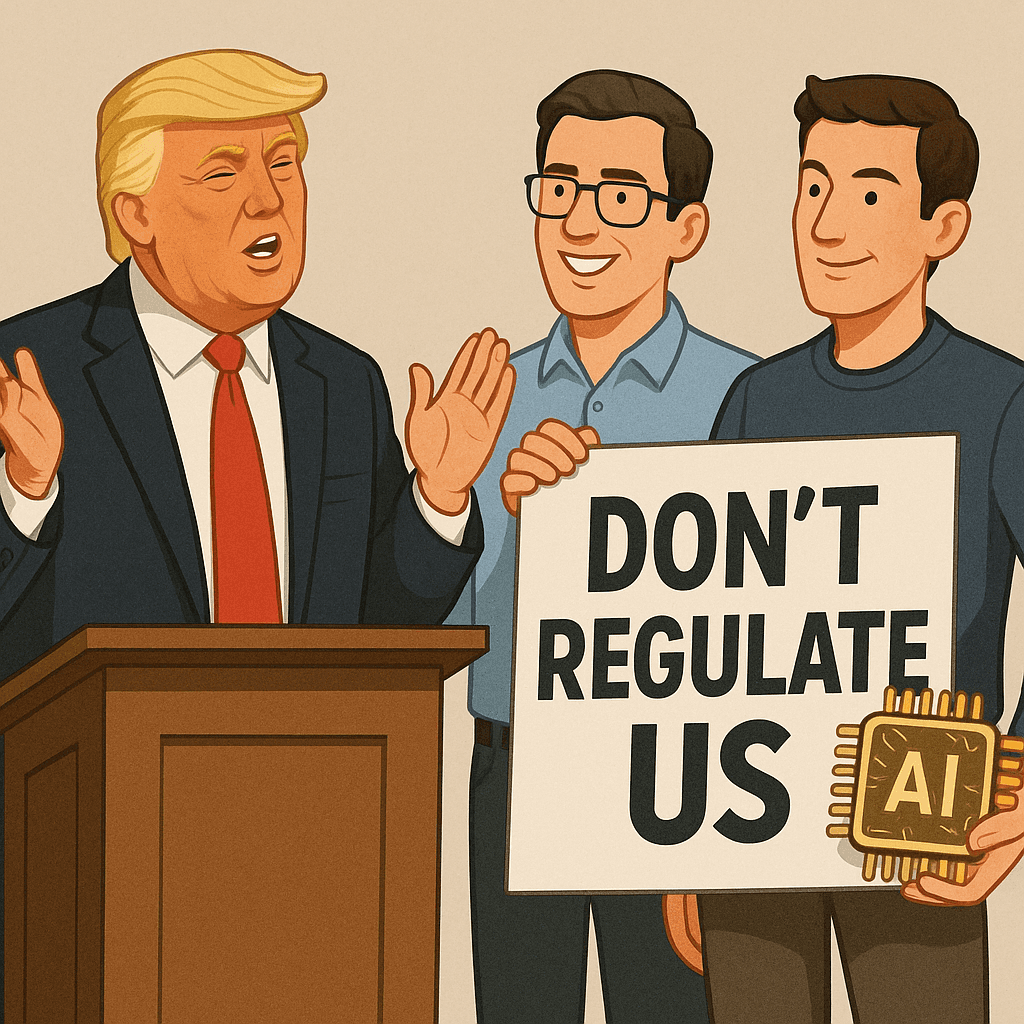
‘Don’t Regulate Us,’ Beg AI Founders Currently Selling Regulation-As-a-Service
Silicon Valley hails Trump’s plan to let AI companies write their own rules, promises to sell those rules back to everyone else by Q4.
Oct 11
Forecast
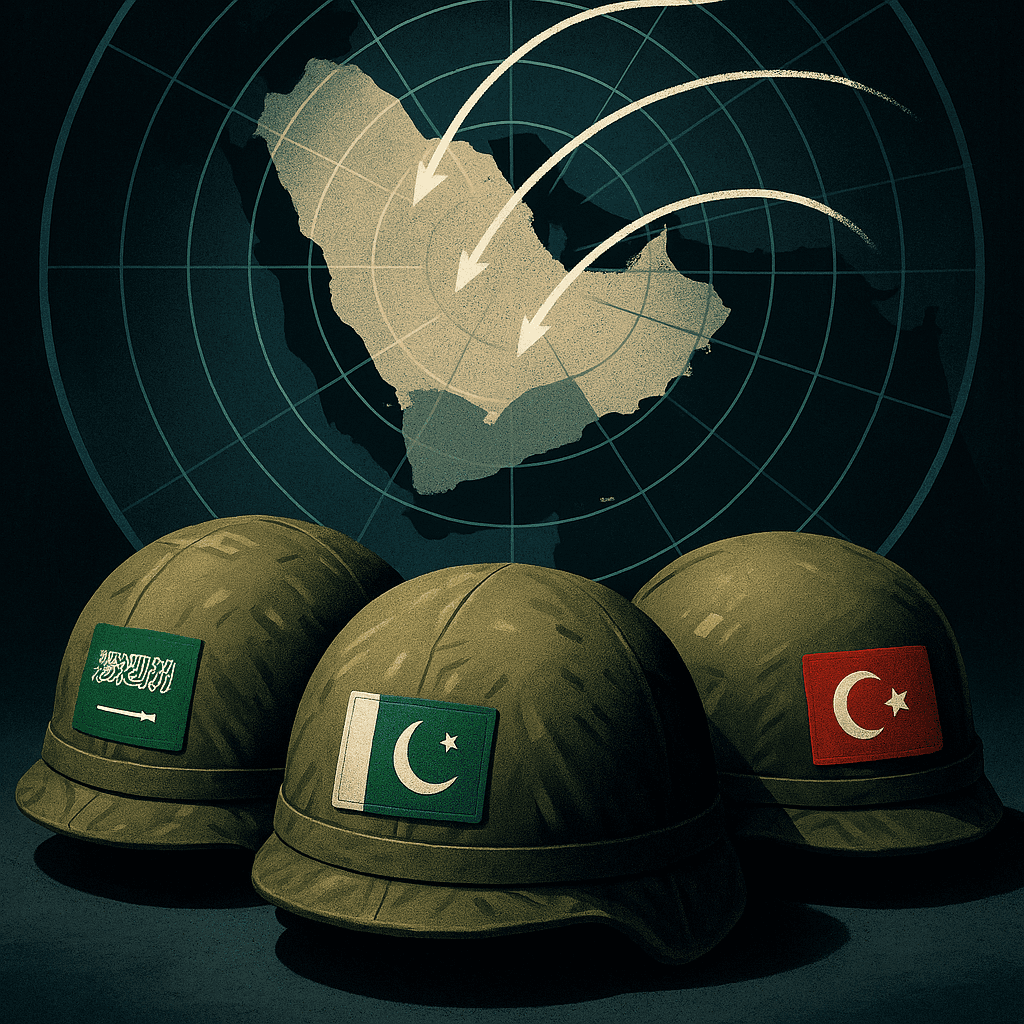
Through December 10, Houthis Won’t Damage Pakistan or Turkey Infrastructure
The Mecca Defense Pact just put two more flags on the Saudi firing chart. The consensus panic says this widens the war within weeks. The signal says the Houthis will talk big, hit Saudi and the sea, and leave Pakistan and Turkey’s hard targets alone for this 60 day window.
Comments
Be the first to comment.