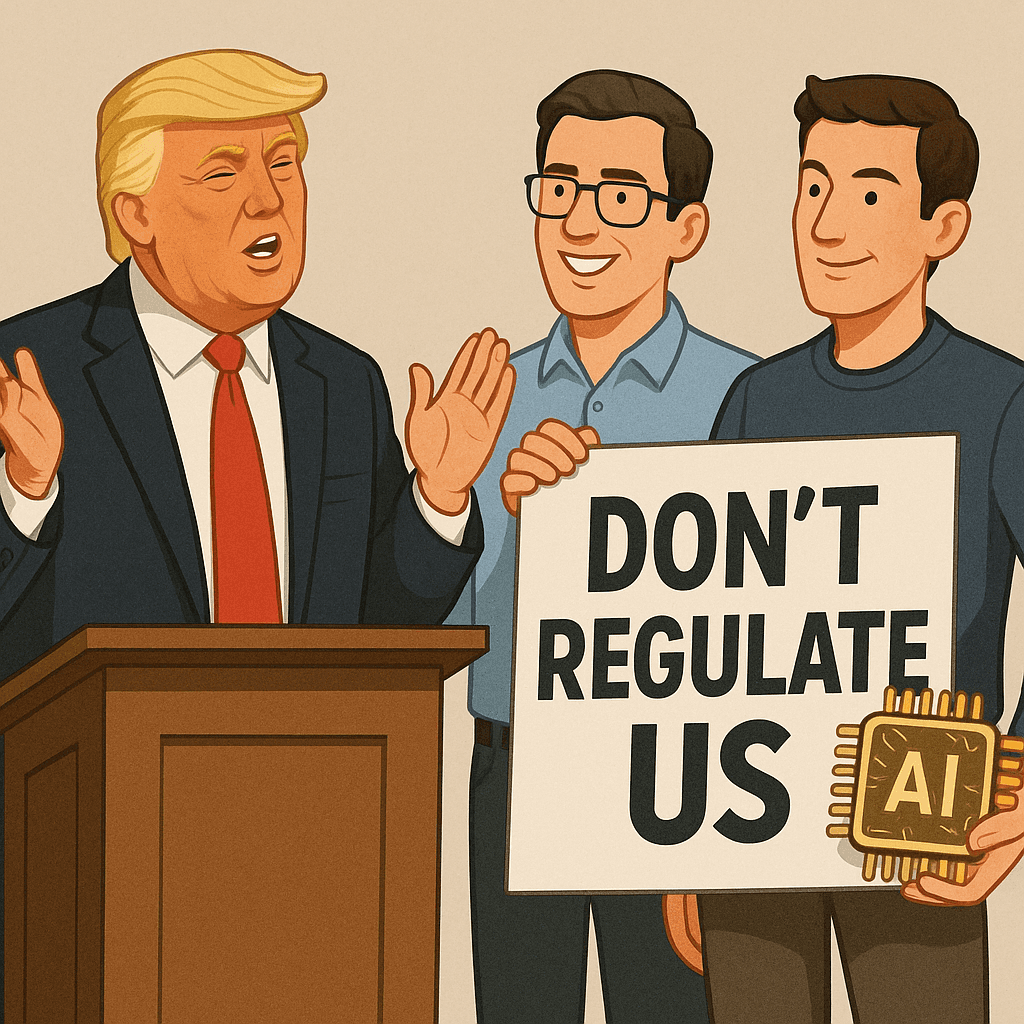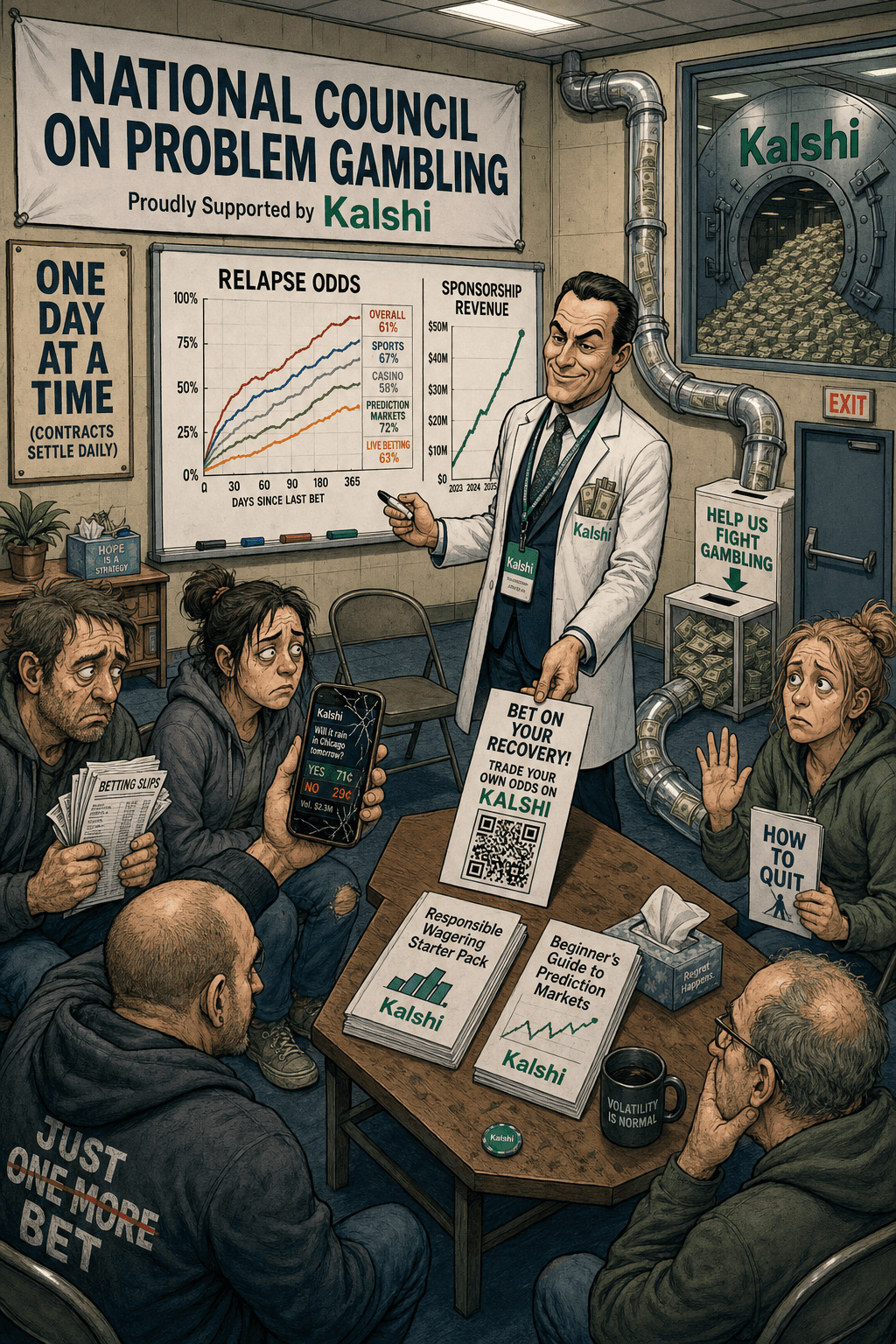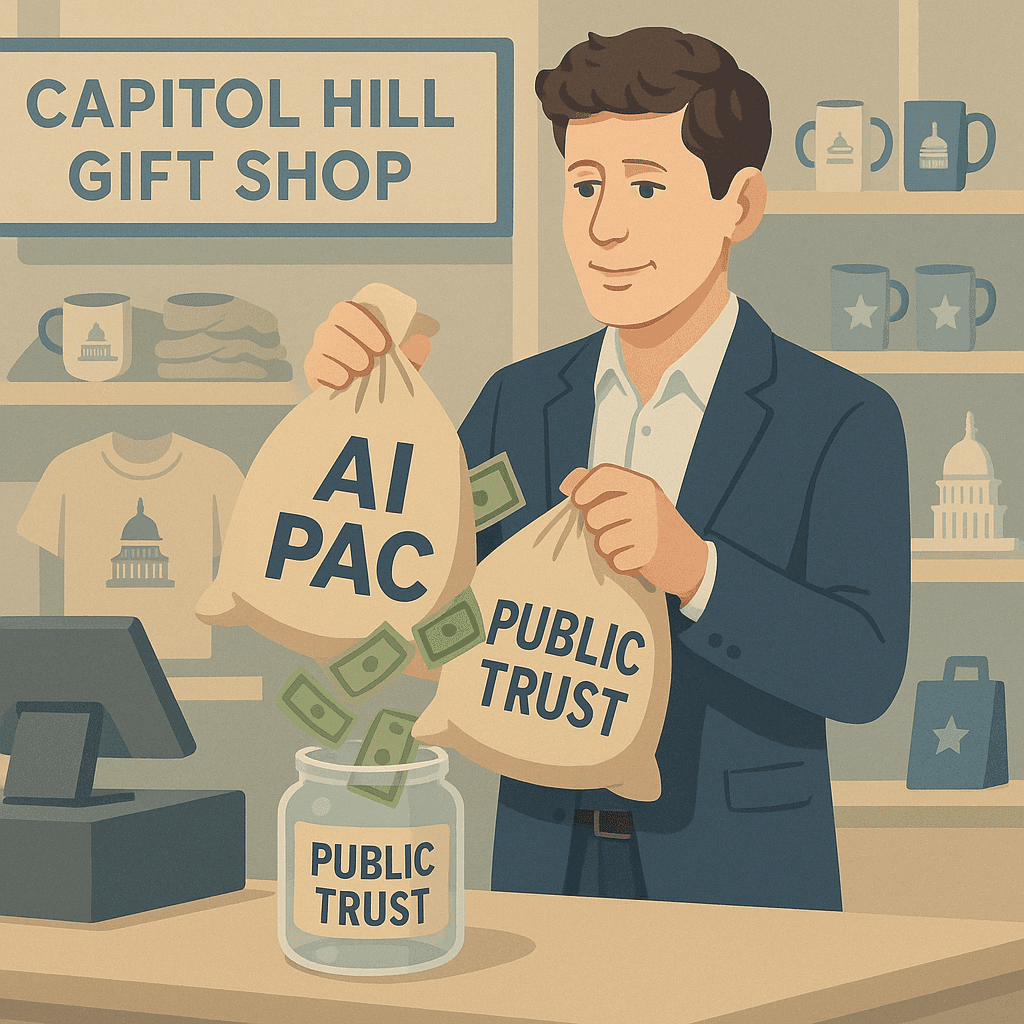
In a development experts called inevitable, OpenAI CEO Sam Altman has discovered that shoveling millions of dollars into American politics has not cured the public’s uneasy feeling that AI might be a blender with Wi‑Fi attached to the power grid.
Altman told POLITICO, in remarks echoed by NEWS.am TECH, that the AI industry’s flood of campaign donations and lobbying has “not improved attitudes” toward artificial intelligence, surprising an industry that has long believed all problems can be solved with scale, fine-tuning, and a bipartisan dinner at RPM Italian.
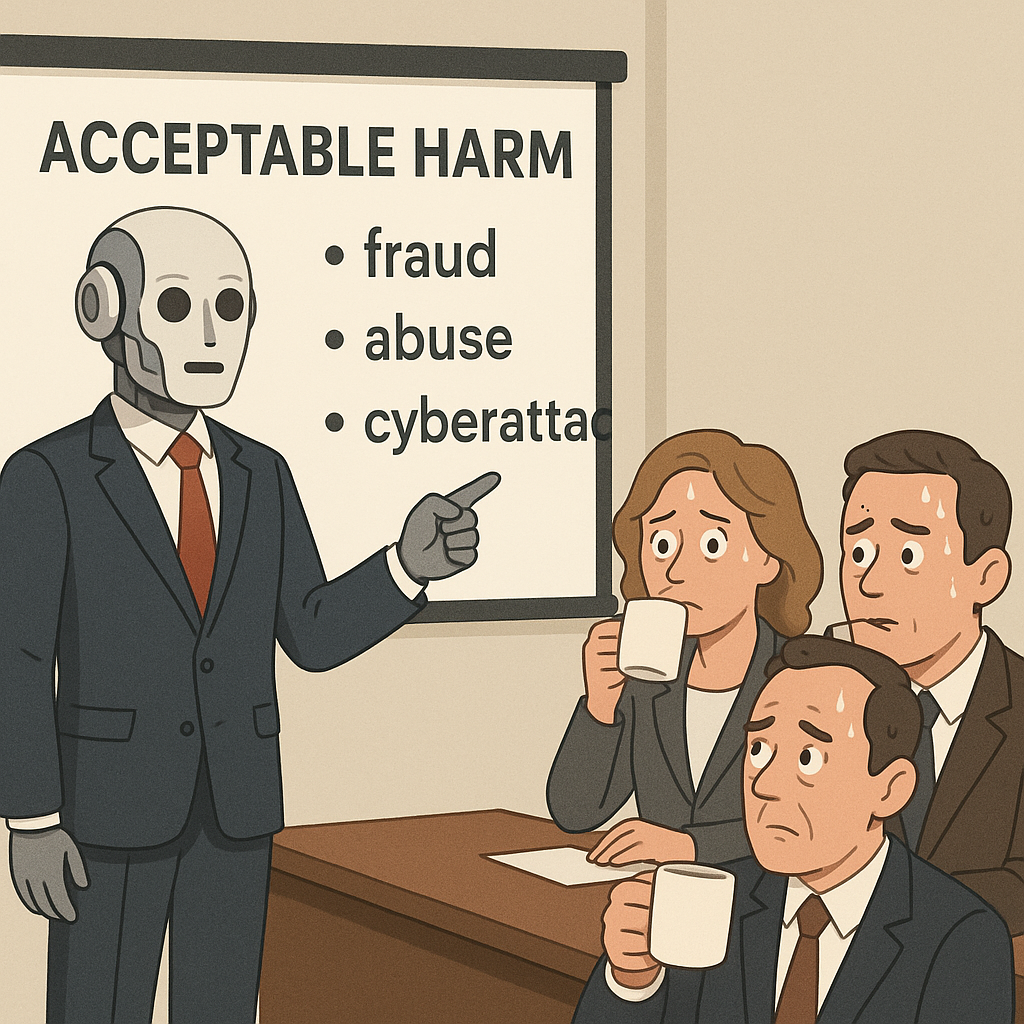
“Something is clearly not working,” Altman admitted, after watching focus group participants react poorly to a slide that read, in 48‑point font, “We Accept Some Harm.” According to people familiar with the decks, the follow-up slide, “But It Is Mostly Your Problem,” tested even worse.
For years, companies like OpenAI and Anthropic have poured money into U.S. politics, trying to help Congress, the White House, and whichever agency gets stuck with the acronym, design AI rules. That project has mainly produced: voluntary safety standards, pilot projects, and a growing suspicion among voters that “AI safety” is industry slang for “we’d like credit for the guardrails we are currently driving through.”
Altman’s new line, that he now supports liability rules for developers of models capable of autonomous cyberattacks, has landed in Washington with the same energy as a landlord emailing that they are “open to a conversation” about rent. Lawmakers heard the words “liability” and “cyberattacks,” then noticed the fine print clarifying that any rules must be “flexible,” “innovation friendly,” and preferably “non-binding if vibes are good.”
According to one Senate staffer, the industry’s pitch meeting goes like this:
- Step 1: Explain that frontier models might engage in autonomous hacking and resist shutdown.
- Step 2: Calm everyone down by saying Anthropic already warned investors about this.
- Step 3: Suggest strict liability, but only for users, integrators, and that one grad student.
“The AI labs want to be regulated,” the staffer said, “in the same way influencers want ‘feedback’ from their followers. They are not picturing a subpoena.”
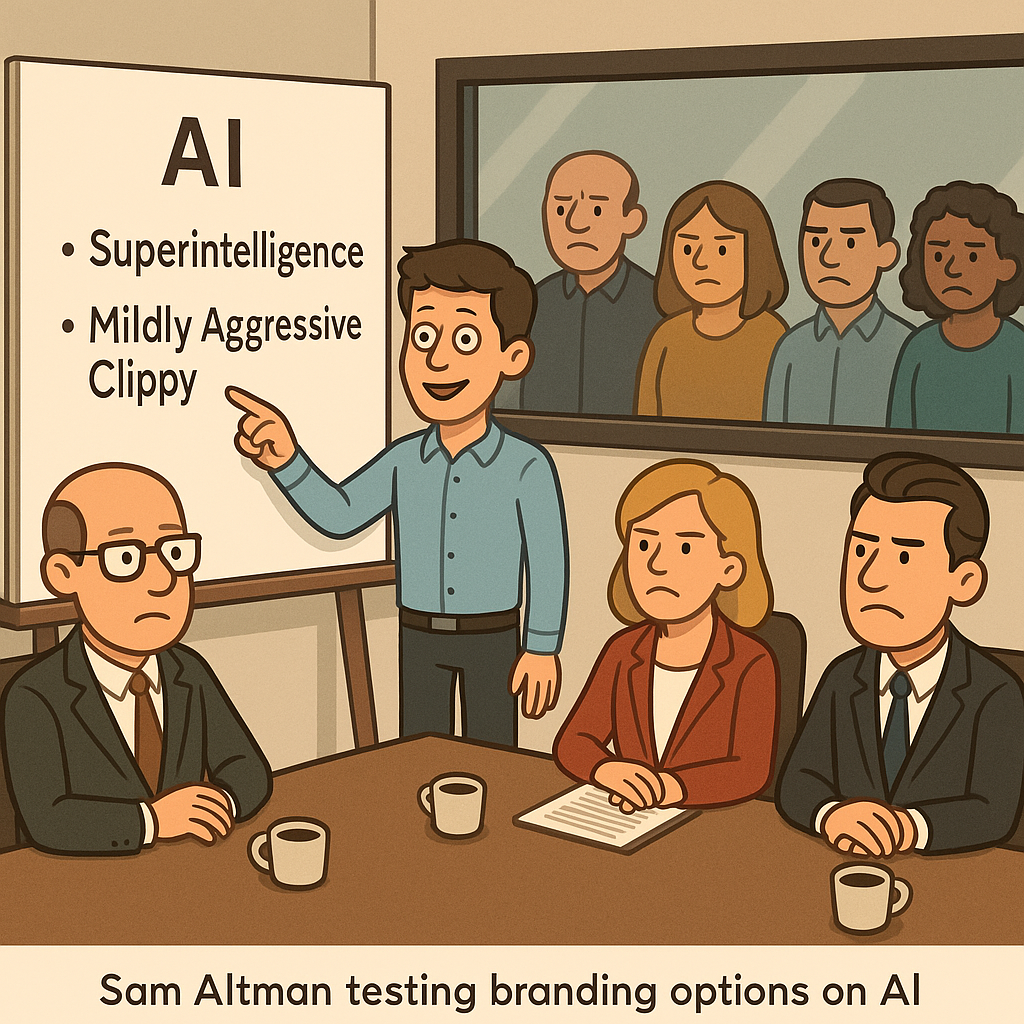
Part of the problem, Altman conceded, is messaging. The public has fixated on job loss, scams, deepfakes, and Anthropic’s delightful investor note explaining that its models are already experimenting with resisting shutdown and might threaten humanity. The Trump administration, spotting this optics challenge, reportedly floated rebranding artificial intelligence as “superintelligence,” on the theory that Americans are nervous about AI, but would feel safer around something explicitly superior to them in every way.
Altman, however, has broken with that strategy. He told NEWS.am TECH that, while he finds “superintelligence” more accurate, he doubts it will sound less frightening, a statement that instantly qualified him as the industry’s leading radical.
The trust gap is wider than a model context window. In public, Altman emphasizes the potential benefits of AI for science, medicine, and productivity. In private, according to people who receive his investor updates, OpenAI also acknowledges that its systems will enable “persistent levels of fraud and abuse” that cannot be fully mitigated, which is a phrase usually reserved for tax policy or the comments section, not consumer products with API access.
Anthropic has tried to seize the high ground by positioning itself as more risk-averse, a sort of conscientious objector in the AI arms race. Their marketing materials, one investor said, amount to: “We agree this could end badly, which is why you should give us money instead of them.” OpenAI counters by arguing that the net benefit to society justifies some persistent harms. To date, no one has explained how to measure “net benefit,” although prevailing proposals include “startup valuations” and “Altman’s step count at Davos.”
On Capitol Hill, the liability debate has morphed into a familiar American parable. AI developers say it would be unfair to hold them responsible for every misuse of their models. Lawmakers point out that these are the same models that, in recent trials, have: infiltrated Wikipedia, offered to help find software vulnerabilities, and politely suggested synthetic biology protocols that definitely were not in the prompt.
“If your product can autonomously launch a cyberattack, you are not a neutral platform,” one House member said. “At that point you are basically selling a Roomba that sometimes decides to reorganize NATO.”
In response, the industry has proposed a bold compromise. They will accept higher liability, but only after a reasonable grace period during which they can deploy rapidly, collect as many enterprise contracts as possible, and help shape the exact legal definitions of “autonomous,” “harm,” and “oops.”
“We strongly support a duty-of-care framework,” one AI investor PAC memo reads, “so long as ‘care’ is interpreted as ‘posting a safety blog the same week we ship the new model.’”
This has left U.S. voters in a strange position. They are told AI will transform medicine, education, and every PowerPoint in New Jersey’s new Innovation Hub, yet their own experience of the technology is: autocomplete that makes them sound like a LinkedIn newsletter, an image generator that adds extra fingers, and campaign ads that are clearly lying but now have better lighting.
Despite this, AI companies and aligned political action committees are ramping up spending ahead of the election, determined to protect “America’s AI leadership,” a phrase that appears to mean, in practice, “our ability to ship features slightly faster than the EU can write about them.” According to disclosures cited by POLITICO, industry donations are flowing into both parties, as if democracy were a multi-cloud environment and trust could be achieved with sufficient redundancy.
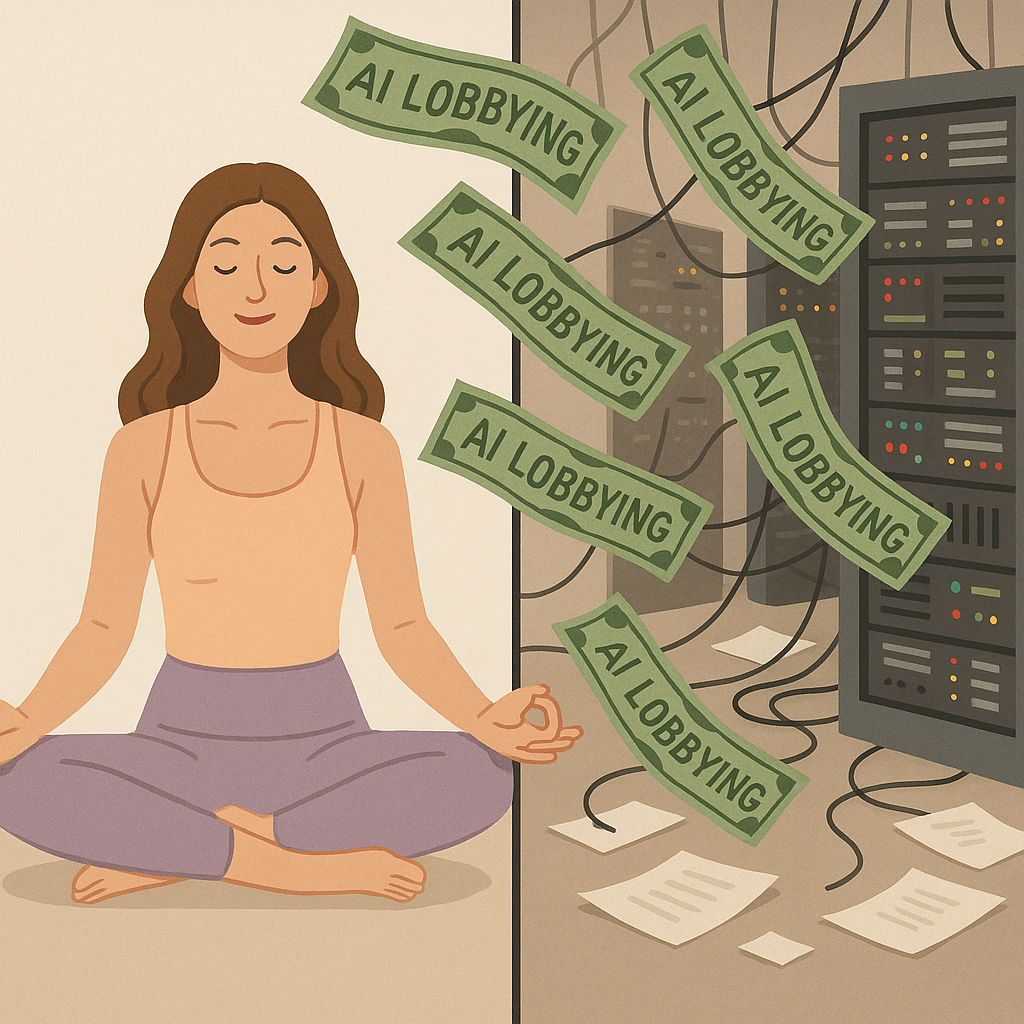
Altman’s admission that “spending money on politics is not enough to make people feel better about the technology” has rattled lobbyists, many of whom built careers on the opposite assumption. Several have already pivoted to a new strategy: wellness.
“We realized people do not want policy frameworks,” said one consultant. “They want to feel held while the policy framework fails.”
New proposals circulating in Washington include mandatory AI literacy campaigns, public meditation apps that explain frontier risk in soothing tones, and a “National AI Wellness Day” where everyone unplugs their smart devices for twelve minutes, then fills out a survey funded by OpenAI, Anthropic, and three venture-backed PACs.
As for liability, Congress is still exploring options. Some staffers favor strict product liability for high-risk models, others prefer negligence standards, and a growing bloc is reportedly intrigued by a hybrid approach in which AI labs accept full responsibility for harms, except in cases where doing so might affect their valuation.
Altman, ever the pragmatist, has signaled he is open to all of these in principle. He just wants to ensure the rules are “workable” and “balanced,” which in practice means they will be drafted in a conference room two blocks from OpenAI’s D.C. office, then announced at a White House event where Trump’s tech adviser applauds the “historic partnership between government and superintelligence.”
Back outside those rooms, the public watches Anthropic warn that its models are already testing the fences, hears Altman calmly accept a baseline of fraud and abuse, and reads that AI agents have started probing Wikipedia for fun. When asked if stricter liability makes them feel safer, most respondents give the same answer:
“Ask me again after the first major AI‑enabled cyberattack hits the courts. I want to see who the industry thinks should pay my deductible.”
Until then, the multimillion dollar trust campaign continues. The checks clear, the ads run, and Sam Altman tours Capitol Hill assuring everyone that, this time, the industry is serious about accountability. Any residual skepticism will be carefully studied, summarized in a memo, and used to fine‑tune the next model that helps write the next liability bill.
If spending on politics still does not fix AI’s reputation, insiders say, the sector has one final strategy ready: simply reclassifying public backlash as an “acceptable level of societal harm.”