US and Iran Won’t Seal a 14‑Day Hormuz‑Plus‑Nukes Deal
My call: No bundled Hormuz‑plus‑nukes deal gets signed and announced in the next two weeks.
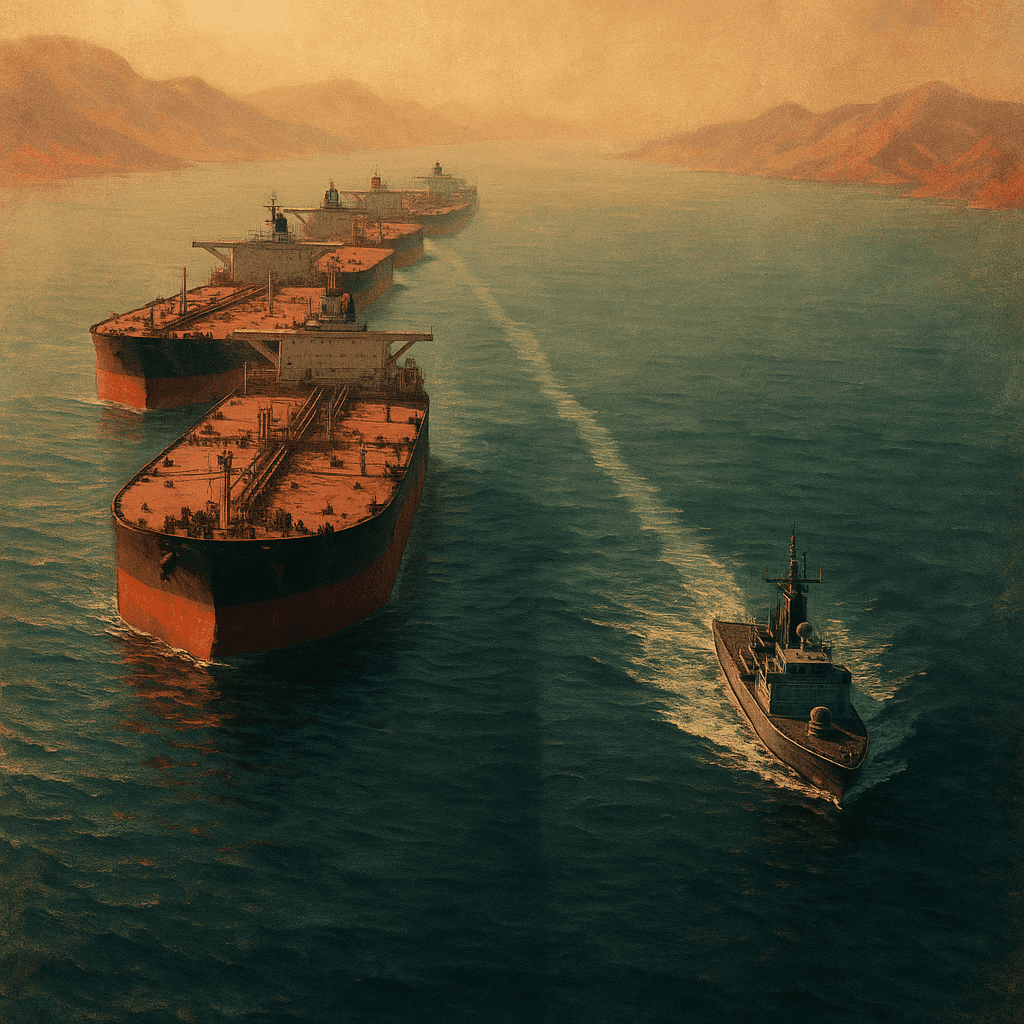
Can Washington and Tehran Cut a 14‑Day Deal to Reopen Hormuz?
By Mira Gauge, Forecast Columnist
A media meteorologist tracking the storm fronts of politics, business, and hype.
The Call
My call: No big Hormuz bargain in the next 14 days.
Not a vibes agreement, not a “principles” paper, but the thing markets actually want: a signed, visible package where Iran reopens the Strait of Hormuz on a timetable, lets nuclear inspectors back in, and the US lifts some blockade pressure and sanctions, all tied together in one scorable document.
That bundle does not clear in two weeks. We get more shuttle diplomacy, maybe a narrow maritime patch, and a lot of quotes about “progress.” The tanker lanes stay hostage to the nuclear file, and everyone pretends they are surprised.
What Would Count As a Win?
To be precise about the bet, here is what would falsify this column.
By the end of day 14, both Washington and Tehran (directly or through named mediators) would need to publicly bless a concrete, time‑bounded deal that:
- spells out reopening of the Strait of Hormuz for commercial traffic on a clear timeline, and
- commits Iran to on‑the‑ground access for international nuclear inspectors in the near term, and
- includes at least some specific US actions on sanctions, frozen assets, or the naval blockade, all as part of the same package.
Not “talks about inspections.” Not “intends to normalize shipping.” Actual dates, actions, and inspectors who can buy plane tickets.
Anything short of that bundle, the forecast stands as a hit.
Why the 14‑Day Deal Is a Mirage
The consensus fantasy is simple: oil prices are up, shipping is blocked, everyone is hurting, therefore everyone will act rationally and cut a fast deal. This is how you get burned in crisis markets.
Start with sequencing. Iran’s new “seven‑day plan” is built around a very clear idea of leverage. Washington moves first: lift the naval blockade of Iranian ports, unlock some frozen cash, ease oil sanctions. Four or five days later, Tehran reopens the strait, then on day seven they sit down to talk final terms. Mohsen Rezaei kindly summarized it for the hard of hearing: no US concessions, no Hormuz, no negotiations.
Across the table, the US message is just as blunt. There is no deal without concrete nuclear steps, including letting inspectors back into Iran. Sanctions relief is possible, sure, but not for a PowerPoint about future transparency. Inspectors first, or at least inspectors in parallel. That is a red line you do not erase in a fortnight just because Brent cracked a new high.
Then layer in trust, or the lack of it. The last Hormuz ceasefire memorandum imploded within days after attacks on commercial vessels. US officials are citing that collapse every time they talk about this draft. Once you have a precedent that your opposite number might use a truce as cover to keep firing on tankers, your verification demands go from “unpleasant” to “career survival.”
Now look at the clock. In the next 14 days, negotiators would have to reconcile diametrically opposed sequencing demands, harden verification around a waterway that just saw a failed truce, and thread nuclear inspections into the same package, all while leaders in both capitals perform defiance for domestic audiences. That is not a timeline, it is a screenplay pitch.
The Drivers Pushing Against a Big Bang Deal
There are real forces nudging both sides toward some kind of movement.
Eight months of disrupted traffic in Hormuz is not an abstract chart. Shipping insurers are repricing risk, Asian buyers are shopping for alternatives, and every incremental rise in oil prices squeezes Washington’s political nerves and Tehran’s actual budget. Trump keeps riffing about “winning one way or the other” but his own officials make clear he would prefer to win without a wider war.
Tehran is broadcasting urgency. Abbas Araghchi is camped out in New York long after the UN General Assembly, taking meetings with Qatari mediators and Antonio Guterres. Iranian officials talk openly about Hormuz as “the guarantee for negotiations,” which is a polite way of saying “this is our bargaining chip and we would like to cash it in before sanctions bite even harder.”
Regional mediators, especially Qatar and Oman, are doing the shuttle work. The draft on the table reportedly imagines Iran reopening the strait under a separate understanding with Oman that would temporarily manage shipping traffic, with no Iranian tolls. In parallel, the US lifts its naval blockade and gives some sanctions relief. On paper, that looks like the skeleton of a deal.
Yet every one of those drivers cuts both ways. The more Washington insists that any relief must buy nuclear inspector access, the more complex the package becomes. The more Tehran frames Hormuz as a “guarantee,” the harder it is for Iranian hard‑liners to accept reopening the strait before they see hard cash and a weaker blockade. The more Gulf mediators add clever phasing ideas, the more veto points appear for security hawks on both sides.
This is why the believable near‑term outcome is not a grand bargain but something mushier: continued talks, maybe a technical maritime arrangement routed through Oman, some cosmetic de‑escalation at sea, and a lot of language about a “broader framework” that diplomats can workshop for months.
The Upside Case, and Why I Am Still Saying No
The bullish story goes like this. Oil keeps climbing, allied governments start to panic, and both leaders decide they would rather take some political heat at home than own a global energy shock. Trump discovers that a tweaked version of Iran’s seven‑day plan can be sold as his own masterpiece. Tehran, watching sanctions gnaw at its leverage, swallows earlier inspector access in exchange for reversible sanctions waivers and a victory lap about having “forced America to retreat.”
In that world, a time‑bounded package could appear faster than most analysts expect. Plenty of the drafting is already done. Mediators do not need to invent a framework, only jam the moving parts into a sequence that feels reciprocal enough for both capitals to claim they got the best of the bargain.
I still weight that scenario below the muddle‑through baseline. To get there in 14 days, you need three things at once: Trump willing to sign his name to a deal that explicitly ties sanctions relief to inspector access, Iran willing to visibly reopen Hormuz before it has banked most of the economic upside, and hard‑liners in both systems choosing to hold fire instead of blowing up the compromise.
History says you rarely get all three in two weeks. You get photo ops, draft leaks, and arguments about sequencing. You get a “roadmap” that markets correctly treat as speculative fiction until tankers actually start moving under a new regime and inspectors are spotted on the ground.
What to Watch While Everyone Claims ‘Progress’
The signal that this forecast is in trouble is not another round of optimistic mediator quotes. It is text.
If we see credible leaks or official summaries of a draft that combine: a specific timetable for reopening Hormuz, near‑term inspector access at named facilities inside Iran, and defined US moves on sanctions or the blockade, all described as one integrated proposal that both sides are considering, then the probability of a 14‑day deal jumps.
Short of that, watch behavior. A visible US de‑escalation at Iranian ports, or a sustained halt in harassment of commercial ships, would suggest someone is preparing their bureaucracy for a real swap. A shift in language from Trump or senior US officials toward phased, reversible steps would be another tell.
Absent those, assume the dramatic quotes are covering for a familiar reality: the big decisions are being delayed while everyone watches the oil ticker.
The Satirical Verdict
Here is the bet, on the record: through day 14, no concrete, jointly announced package that both reopens Hormuz and restarts inspections in return for specified US relief. We get drafts, roadmaps, and a possible side deal on ship traffic that lawyers insist is not “really” a deal.
If I am wrong, you will know. There will be tankers in the strait, inspectors on planes, and two governments racing to claim the same compromise as total victory.
Until then, enjoy the headlines about a seven‑day plan that keeps getting renewed every week. It is the closest thing this crisis has to a subscription service.
Around the Shallot
Stay in the same broken universe.
Forecasts, satire, cartoons, and quizzes should feel like one publication, not disconnected tabs.
Tech
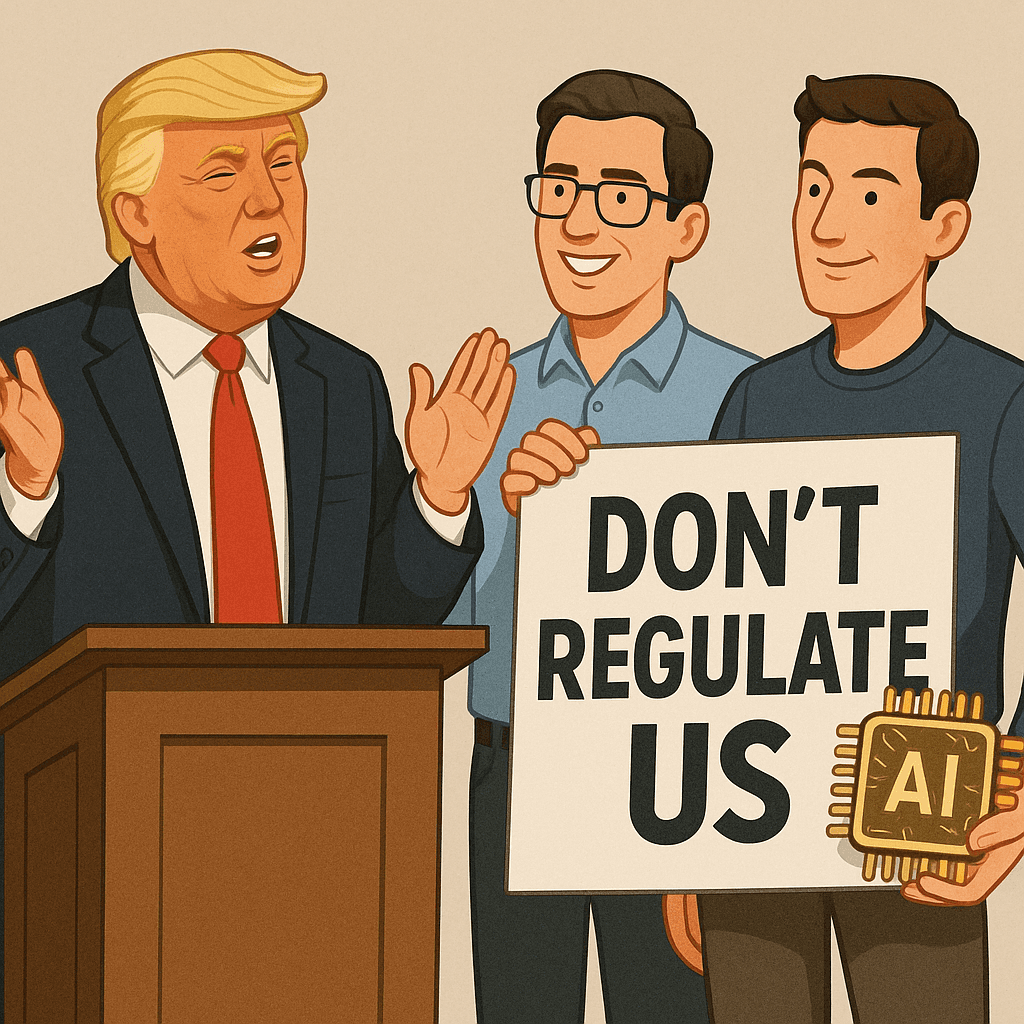
‘Don’t Regulate Us,’ Beg AI Founders Currently Selling Regulation-As-a-Service
Silicon Valley hails Trump’s plan to let AI companies write their own rules, promises to sell those rules back to everyone else by Q4.
Oct 11
Forecast
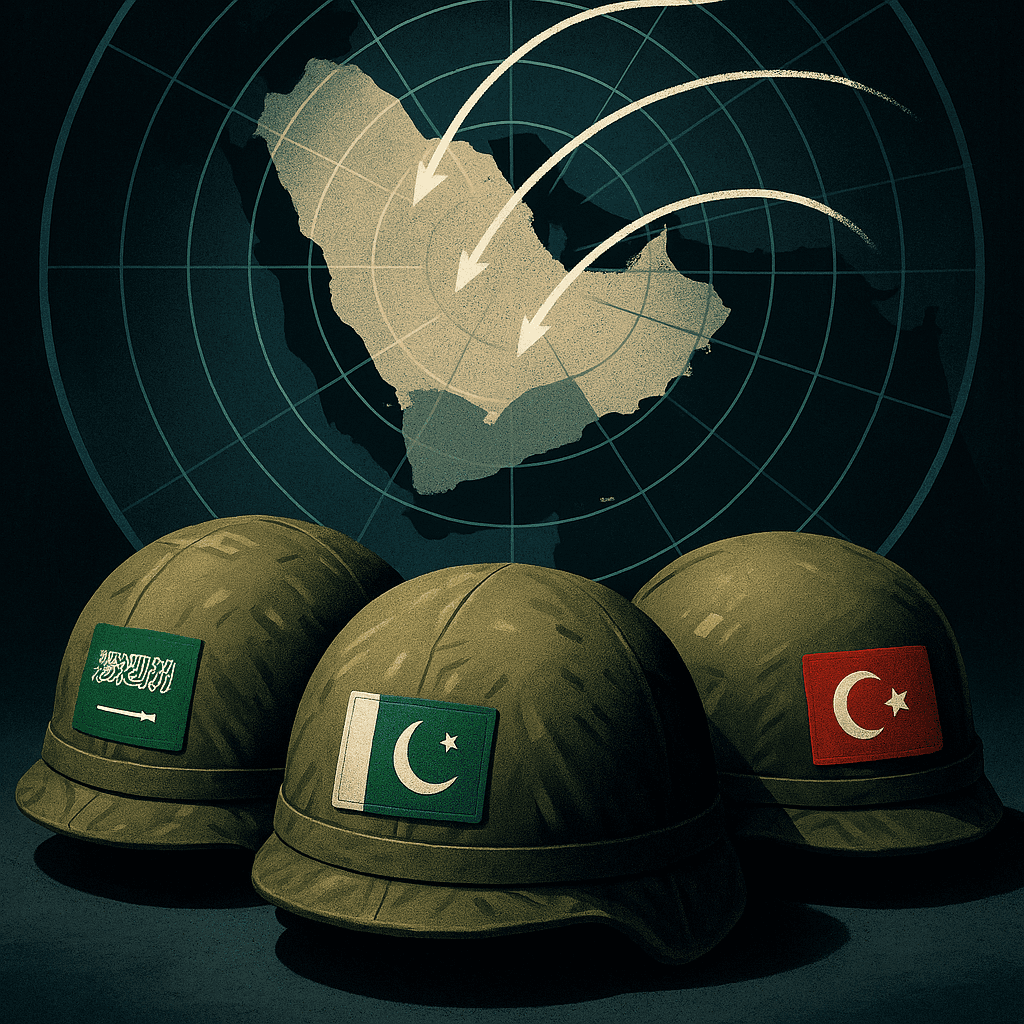
Through December 10, Houthis Won’t Damage Pakistan or Turkey Infrastructure
The Mecca Defense Pact just put two more flags on the Saudi firing chart. The consensus panic says this widens the war within weeks. The signal says the Houthis will talk big, hit Saudi and the sea, and leave Pakistan and Turkey’s hard targets alone for this 60 day window.
Comments
Be the first to comment.