Within 60 Days, Russia Will Harden Its Domestic Security Regime
Within 60 days of the 2026 Duma election, the Kremlin will harden the domestic security regime, not blink.
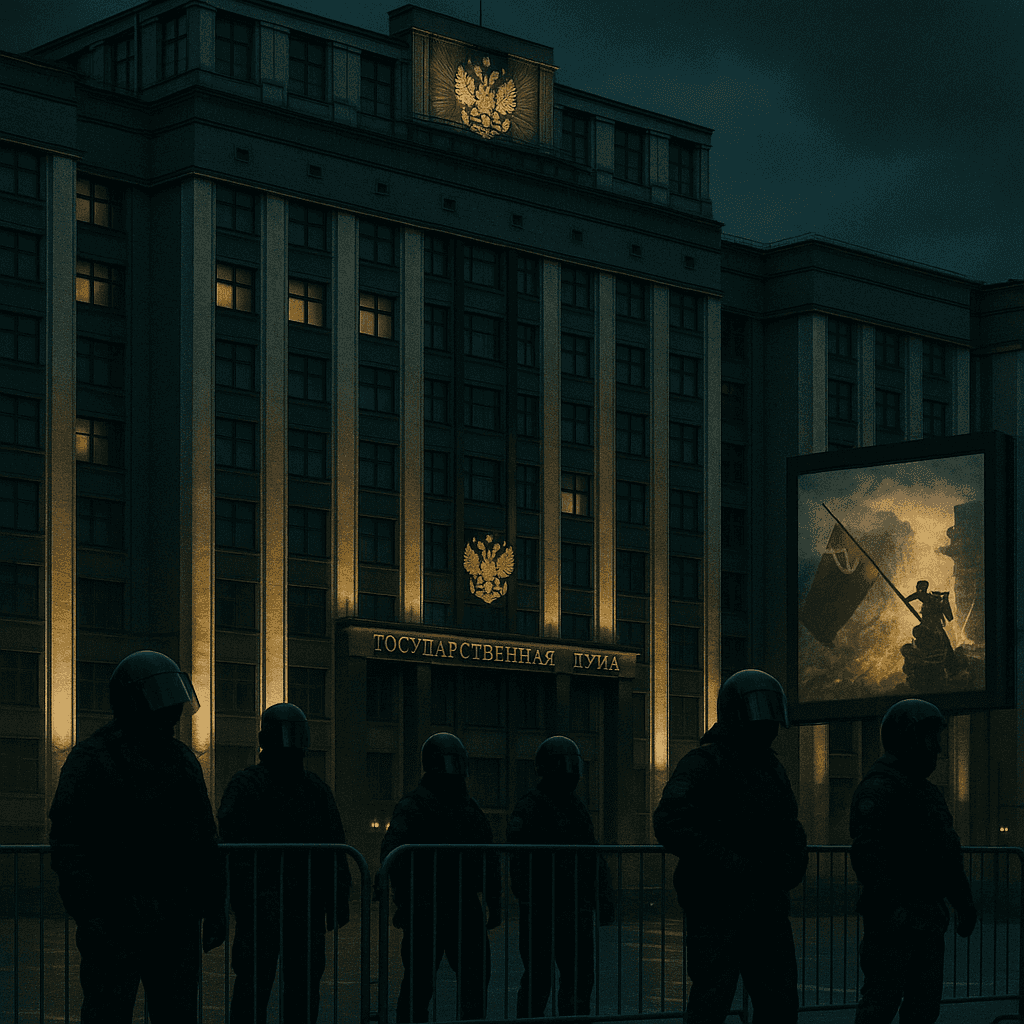
The ballots are for show. The budget lines and criminal codes are the real election results.
Within 60 days of the 2026 State Duma vote, the Kremlin will tighten the screws at home in ways you can see in law texts, budget tables, and court records, not just in Telegram anecdotes. Sanctions and diplomatic spats are not forcing moderation. They are the alibi for a harsher domestic order.
Scoring this later is simple. By late December 2026, I expect at least two of these three to be true:
- New federal legislation is on the books that expands criminal or administrative penalties around discrediting the army, extremism, foreign agents, censorship, or mobilisation enforcement.
- The published 2027 draft federal budget shows at least a 10 percent year on year increase in combined spending for Rosgvardia and the Interior Ministry compared with the 2026 law.
- There is a documented rise, compared with the same two month window after the 2025 local election cycle, in prosecutions or detentions tied to anti war speech, draft evasion, or political extremism charges.
If all three whiff, I will join the small club that underestimated the Kremlin's capacity for tactical patience.
The consensus fairy tale: sanctions make you nicer
Western capitals still cling to a simple myth about sanctions, where economic pain eventually produces political wisdom. Cut access to technology, starve investment, wait patiently, and one day the sanctioned regime wakes up and says, you were right, we overreacted.
In Moscow, the fairy tale looks different. Sanctions are proof that the enemy wants you dismantled, not reformed. That logic justifies treating dissent as treason, not feedback. Every new package from Washington or Brussels arrives pre labeled: use for internal repression.
The 2026 Duma election is wired to amplify that story. No anti war parties, no serious opposition, and a parade of army veterans promising to fight for the motherland from the plenary hall. Turnout is presented as a plebiscite on the war. Western condemnations and fresh sanctions are already baked in as narrative fuel: we voted, they punished us again, therefore we must harden.
If you think that sequence ends in liberalisation, you probably also think three days of voting equals democracy.
The war economy is stable, like a bridge held up by duct tape
On paper, Russia's war economy still walks on its own. GDP grew after the initial invasion shock, oil revenues and higher global prices keep the state solvent, unemployment is low, and poor regions are fed with targeted spending. Dmitry Peskov tells you macroeconomic stability is ensured and, as usual, he is reading from the slide deck, not the footnotes.
The footnotes are ugly: stubbornly high interest rates that strangle civilian firms and reward defence contractors, labour shortages that cannot be fixed with another patriotic billboard, and a technological lag that a state economist politely called losing the war of attrition. He was fired for the trouble.
That is the real tension. The Kremlin's model works for now only because it is willing to pay a premium in hidden risk: quasi fiscal lending through obedient banks, war heavy budgets dressed up as ordinary spending, an economy that runs because enough people are too scared or too busy at the front to complain.
When your entire strategy is to defer visible cost, you do not relax the security apparatus. You insure it.
Why the post election window is crackdown season
Russian politics has a rhythm. Before elections, you choreograph stability. During elections, you shout about enemies. After elections, you do the ugly parts.
The 2026 Duma will be the most war shaped parliament of Putin's rule: a reliable United Russia supermajority, systemic opposition that competes only on style, and a notable influx of veterans and security figures who owe their careers to the war and the narrative around it. That is the chamber you use for new security statutes, not for pensions reform.
At the same time, the domestic cost of the war is getting harder to hide. Ukrainian drones have turned fuel depots and warehouses into occasional fireworks displays. Petrol queues, supply disruptions, and patchy shelves are no longer just provincial rumors. The longer the war drags on, the more ordinary Russians become direct stakeholders in its inconvenience.
This combination, a parliament framed as a war legislature and a population that is just starting to feel the attrition, creates a clear incentive. Pass the tougher laws while you still have fresh turnout numbers to wave and before the economic reality tests your approval ratings. Increase the security budgets while oil is still paying for it. Use the sanctions headlines as the public rationale for both.
The risk of doing nothing is not abstract. A plateau in repression while hardship grows would finally give the Kremlin the one thing it has worked to avoid since 2022: honest feedback from the street.
The adaptation story is weaker than it looks
There is a respectable counterargument that says, in effect: the system is already repressive enough. New laws are marginal, technocrats will push back against more security spending, and the Kremlin will focus on shoring up the economy instead of advertising its police state.
That would be more convincing if the regime were rewarding technocrats for bad news instead of firing them. And if prior experience did not show a consistent habit of tightening after each major vote, then retrofitting the legal language until it covers whatever the security services decide counts as dissent this quarter.
There is also the geopolitical optics story: Moscow, we are told, cares about looking respectable in BRICS and the wider Global South, so it will not want headlines about fresh crackdowns right after the election. The problem is that most of those governments are not grading Russia on its civil liberties record. They are watching energy discounts, arms deliveries, and how reliably Moscow backs their own favorite grievances at the UN.
If anything, signalling that Western pressure only deepens domestic control plays well in a club of states built on similar logic.
What to watch, and who loses if this is right
The signals to track over the next two months are simple enough for a normal news consumer, not just budget hobbyists.
First, the Duma's early legislative agenda. Do the veterans and security aligned deputies front bills that expand definitions of extremism, tighten foreign agent rules, or make it easier to harvest digital data for mobilisation and surveillance? If the first big acts involve NGOs and speech, you have your answer.
Second, the 2027 draft federal budget. Look at the percentage change for Rosgvardia and the Interior Ministry alongside social spending and regional transfers. If security jumps at least 10 percent year on year while social outlays creep up or stall, the regime is cashing its war plebiscite mandate in hard currency.
Third, the courts. Rights groups and even official statistics will show whether cases under discrediting the army, spreading fake news about the military, extremism, and draft evasion are rising compared with the same post election period a year earlier. The Kremlin does not have to announce a crackdown if the judges are already doing it line by line.
If the forecast holds and we get harsher laws, fatter security budgets, and more political prosecutions by December, the losers are obvious. Russians who thought they could sit out the war quietly will find the walls moving in. Western policymakers who imagined sanctions would produce introspection instead of entrenchment will discover that in Moscow, pressure does not break the system, it just shrinks the number of exits.
And if I am wrong, and the Kremlin uses its newly elected war parliament to scale back repression and bargain for relief, I will personally write the first column arguing that sanctions turned Vladimir Putin into a cautious institutional reformer, just to see how that headline looks before it is banned.
Around the Shallot
Stay in the same broken universe.
Forecasts, satire, cartoons, and quizzes should feel like one publication, not disconnected tabs.
Tech
‘Don’t Regulate Us,’ Beg AI Founders Currently Selling Regulation-As-a-Service
Silicon Valley hails Trump’s plan to let AI companies write their own rules, promises to sell those rules back to everyone else by Q4.
Oct 11
Forecast
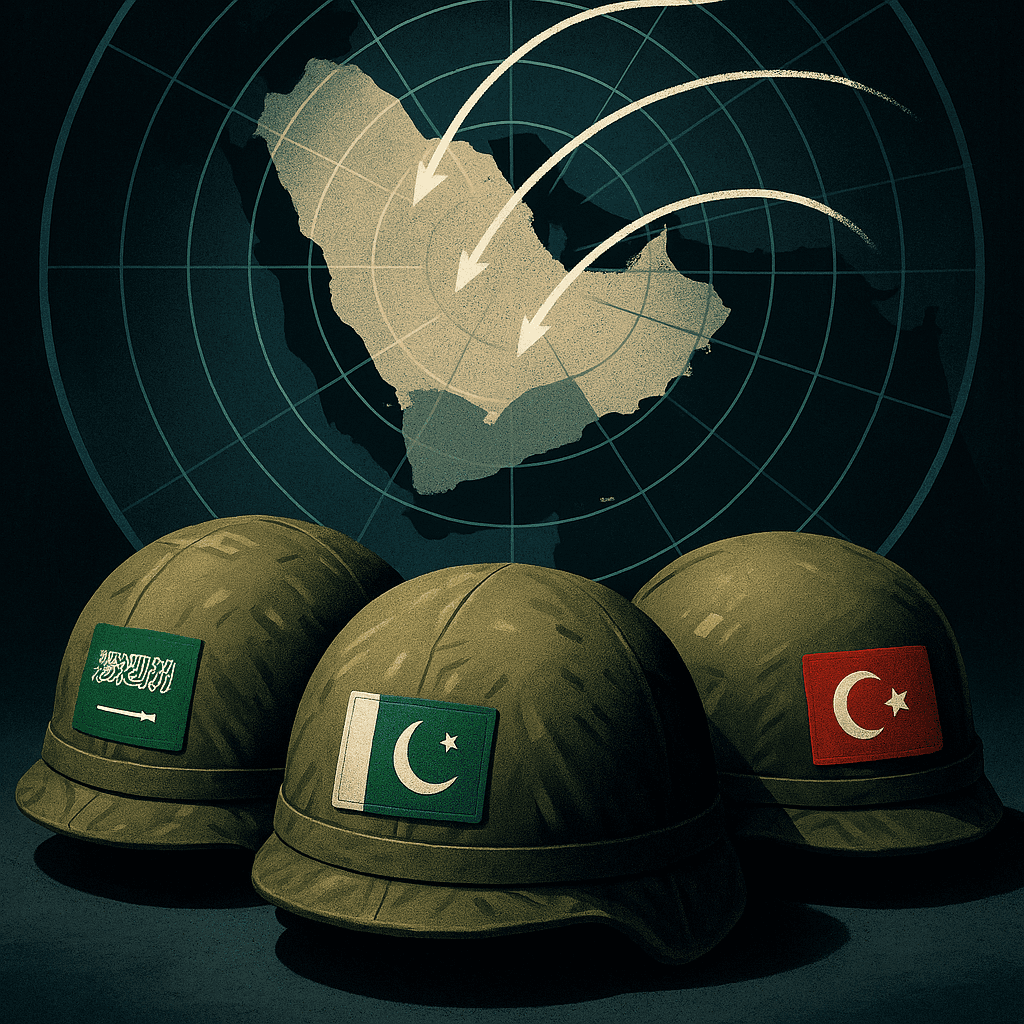
Through December 10, Houthis Won’t Damage Pakistan or Turkey Infrastructure
The Mecca Defense Pact just put two more flags on the Saudi firing chart. The consensus panic says this widens the war within weeks. The signal says the Houthis will talk big, hit Saudi and the sea, and leave Pakistan and Turkey’s hard targets alone for this 60 day window.
Comments
Be the first to comment.