Xi’s Washington Visit Won’t Get Publicly Downgraded Over Trump’s Speech
Trump just accused Beijing of helping sink his 2020 campaign. My call: Xi still lands in Washington on schedule.
My call: the summit survives the speech
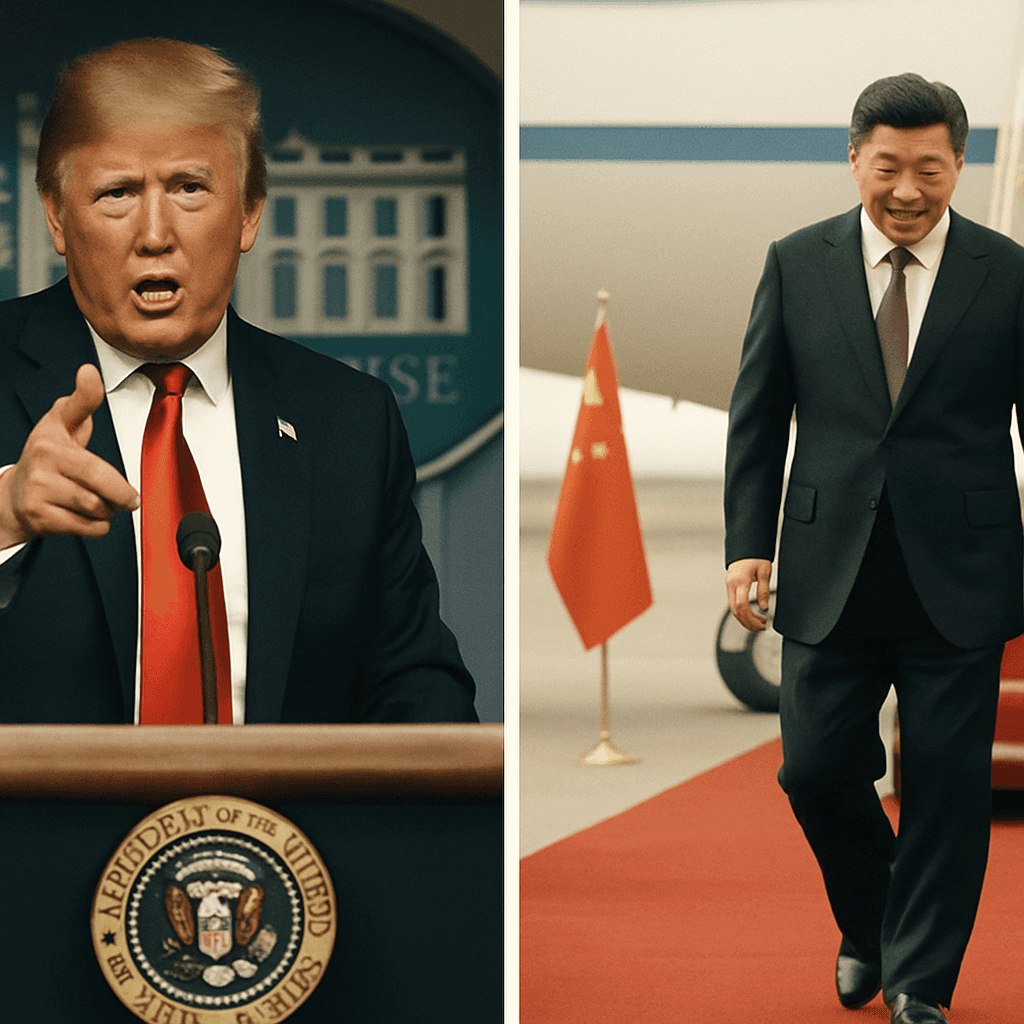
Trump just accused China, in primetime, of running a sweeping campaign to kneecap his presidency and steal the 2020 election. He called it a kind of political Pearl Harbor and then pivoted to selling the SAVE America Act like it was a home security system for your grandmother’s absentee ballot.
The instant storyline on cable and in think tank conference rooms is simple: he just torched his own fragile reset with Beijing and put Xi Jinping’s planned September visit to Washington on life support.
My call: the visit lives. For the next 30 days, nobody in Beijing or Washington will formally delay, cancel, or downgrade Xi’s trip because of this speech. The outrage cycle will run hot, the protocol office will keep measuring the drapes in the Blair House guest room, and the two biggest autocrats in the room will still want their handshake photo.
The intel says “influence,” Trump says “heist”
The whole performance was framed as a sober "election integrity" address. It played more like a one man court of appeals for 2020, with China cast as the new chief suspect and the teleprompter drafted as star witness.
Trump claimed Beijing stole or accessed data on 220 million U.S. voters, meddled in the 2018 midterms, sabotaged his first term, and went after his 2020 campaign. He treated that as proof the election itself was compromised, then used it to argue for stricter voter ID and proof of citizenship rules under his SAVE America Act.
The documents he declassified to back this up mostly say something narrower and more familiar. The National Intelligence Council’s public line from 2021 is still the line: China considered influence operations in 2020, did some messaging, and stopped short of trying to alter ballots, vote tallies, or registration systems. One senior cyber official dissented and argued Beijing took at least some steps to hurt Trump. That dissent has now been elevated from a classified footnote into the foundation of a primetime accusation.
So we have a real dispute about Chinese influence attempts, inflated into a claim about Chinese control of American democracy. That plays well on cable and in fund raising emails, but it does not create a new geopolitical fact. It creates a new talking point and a new line on the stump speech teleprompter.
Why Xi still gets on the plane
If you live on Twitter, this is the moment the visit should blow up. In the real world, both sides need it too much, and neither foreign ministry wants to rewrite the seating chart in the Cabinet Room because of a rally in the Oval Office.
Beijing’s logic is simple. Xi wants a Washington trip on the books. It is the stage for stabilizing trade, trying to soften export controls, and managing every other fight that actually hits China’s economy. State media has already banked the narrative of a thaw: Trump’s Beijing visit, the new language of "constructive strategic stability," the invitation to Washington in September.
Cancelling now, over one U.S. speech that rehashes old allegations, would make Xi look reactive to American domestic theater. China prefers to answer these things with ritual denial and a lecture about non interference. Which is exactly what we have: embassy spokesman Liu Chang reading a carefully laminated statement that flatly rejects the claims and tosses the meddling accusation back at Washington.
Trump’s incentives run the same direction, just louder. He wants to be the only man tough enough to call Xi an election saboteur and charming enough to still get him to the South Lawn. The visit is proof of his special relationship, his reset, his personal brand as China whisperer who can glare across a mahogany table and then sell a joint communiqué as a win.
Scrapping the summit over his own speech would tell voters he lost control of the relationship the second he went off teleprompter. That is not the show he is selling in Ohio diners and on morning talk shows.
So both capitals will do what modern strongmen do best: separate the performance from the policy. Public words get meaner. Private schedules stay strangely intact, right down to the preprinted place cards and the working lunch menu that has already been negotiated down to the level of which farm supplies the salad greens.
How they eat the insult without admitting it
The path of least resistance is already visible in the boilerplate.
China fires off statements about "slander" and "politicized intelligence," maybe summons the U.S. ambassador for a scolding and runs a week of editorials about American hypocrisy. U.S. officials, especially in the intelligence community, quietly reiterate that no foreign power changed votes in 2020 and tell reporters to please read paragraph seven of the declassified assessment.
Inside the systems that actually move planes and motorcades, staff keep planning. Advance teams keep blocking hotel floors. Secret Service keeps running through motorcade routes. The State Department events planner keeps arguing about whether the East Room backdrop should feature flags or a tasteful mural of strategic ambiguity.
You may see small, cosmetic changes. Fewer joint press events. A thinner list of deliverables. Some working groups, like military to military talks, might slip into the gray zone of "to be scheduled" and never quite appear. But that is a quiet chill, not a public downgrade.
The scorable line here is bright: as long as neither side publicly says the September visit is off, delayed, or reduced to something clearly smaller in direct response to the interference claims, the summit is still on. Token sanctions, angry op eds, tough talk on TV, all of that is background noise, not a scheduling decision.
When the bet breaks
There is a way this call loses.
If Beijing leans into the domestic politics of pride and declares the "atmosphere unsuitable" for a visit, we are in new territory. If Trump, under pressure from his own hawks, suddenly decides that welcoming an alleged election saboteur looks weak before November, the White House could move the goalposts and frame a postponement as leadership.
There is also a wildcard: new, credible intel that shows more concrete Chinese activity than what is in the current reports. That could embolden Congress to demand a visible price, summit included, complete with hearings, subpoenas, and a ceremonial shredding of the welcome banner.
Those are real risks. They are just not 30 day risks. Inside a month, the safer play for both sides is to huff, puff, and then let protocol quietly win.
The real election that just started
The more durable fallout is at home.
Trump did not just accuse China of messing with his past election. He used Beijing as the starring villain in a campaign for stricter voting rules, throwing in an unsubstantiated claim about 278,000 noncitizens on the rolls for flavor like an angry garnish.
If that narrative sticks, "foreign interference" becomes the new magic word for domestic voter suppression fights. We will treat intelligence assessments like party manifestos, and genuine nuance about influence versus interference will be flattened into talk radio slogans and cable news chyrons.
Which is the other reason Xi’s visit will stay on track. In this story, China is no longer the main character. It is a prop. The real conflict is over who gets to decide which Americans count as legitimate voters and who gets written off as background scenery.
On this stage, Trump gets to accuse, Xi gets to deny, and both still get their motorcades. The only thing cancelled is the idea that election security is about elections.
Around the Shallot
Stay in the same broken universe.
Forecasts, satire, cartoons, and quizzes should feel like one publication, not disconnected tabs.
Tech
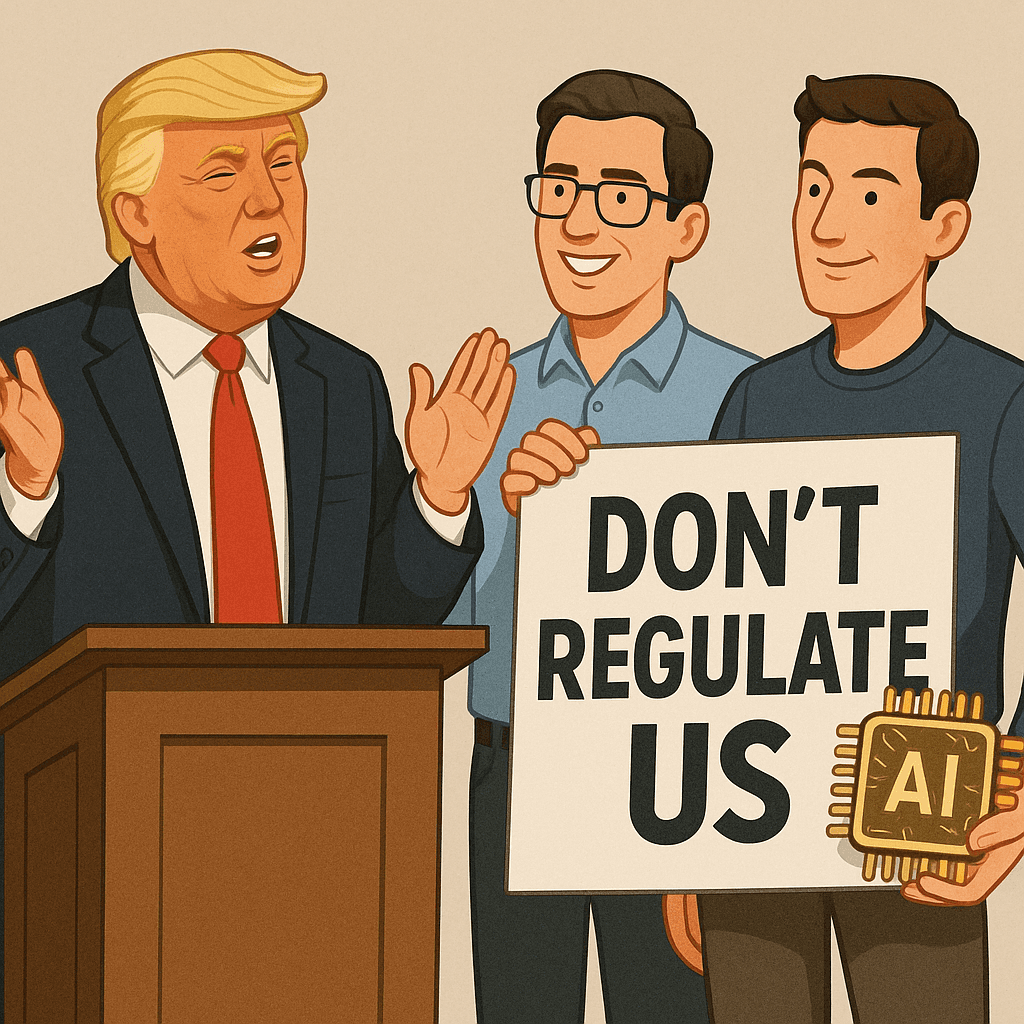
‘Don’t Regulate Us,’ Beg AI Founders Currently Selling Regulation-As-a-Service
Silicon Valley hails Trump’s plan to let AI companies write their own rules, promises to sell those rules back to everyone else by Q4.
Oct 11
Forecast
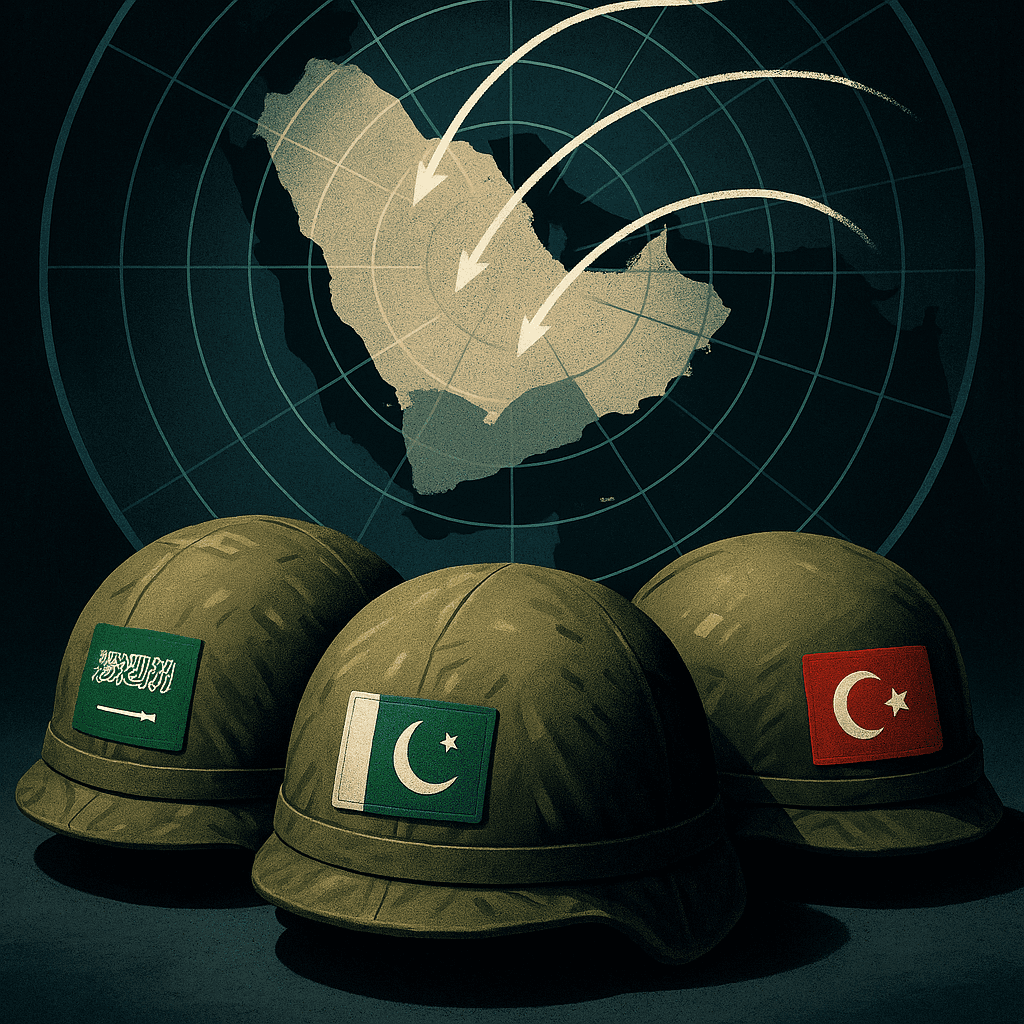
Through December 10, Houthis Won’t Damage Pakistan or Turkey Infrastructure
The Mecca Defense Pact just put two more flags on the Saudi firing chart. The consensus panic says this widens the war within weeks. The signal says the Houthis will talk big, hit Saudi and the sea, and leave Pakistan and Turkey’s hard targets alone for this 60 day window.
Comments
Be the first to comment.