Le Pen Will Lead 2027 Polls Without Becoming a Clear Front Runner
My call: she stays ahead in the polls, but not far enough ahead to be crowned inevitable.
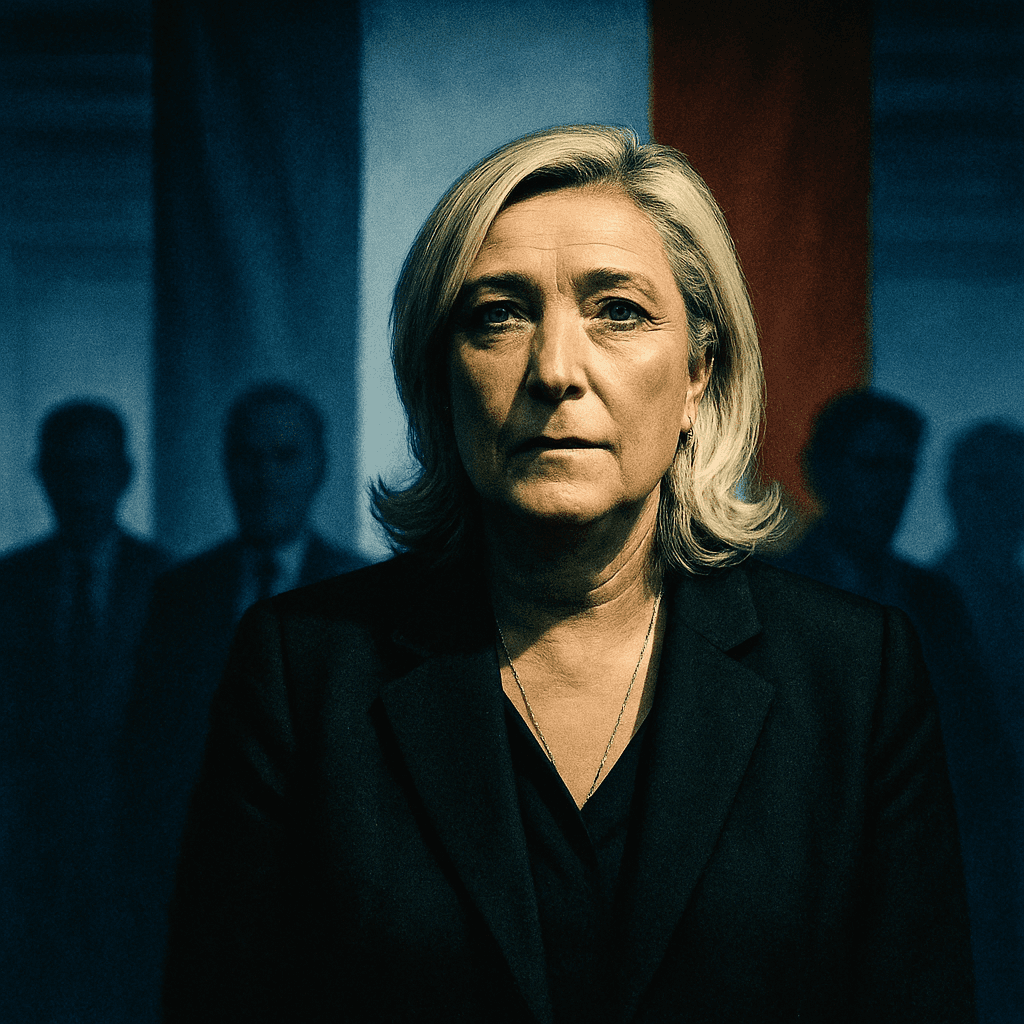
My call: Le Pen leads, but not like a president in waiting
Picture the headlines French elites quietly dread in 2027: "Madame la Présidente" above a photo of Marine Le Pen waving from the steps of the Élysée. The prequel to that image is supposed to arrive in the polls: a clear, bullying front runner who dominates the field long before the vote.
That is not the story we are getting in the next four months.
My call: by 120 days from now, Le Pen will still be the single best polled candidate for the 2027 first round. She will not, however, hit what I am calling clear front runner status. That bar is simple and scorable: for a 30 day window at the end of the horizon, she would need to average at least a 10 point lead over the second place named candidate and sit on top in at least 80 percent of published national first round polls.
She will probably stay ahead. She will probably not be inevitable. Which is exactly the kind of ambiguity modern democracies specialize in.
The structural tailwind: France is bored of the middle
Start with the obvious: the Macron experiment is aging badly in voter psychology, even if the macro stats look respectable on paper. Two terms of a self styled centrist technocrat who raised the pension age and governed via constitutional shortcuts have left the electorate with a simple mood: fatigue.
Time for a change sentiment is the oxygen Le Pen breathes. The Rassemblement National looks less like a protest party and more like the opposition in waiting. That is not an overnight brand pivot. It is the result of a decade of sanding off rough edges, recruiting smoother faces, and talking less about Frexit and more about the price of groceries and public order.
Add the mechanics. The center and left are splintered into overlapping acronyms. Renaissance, LR, PS, LFI, the Greens: it is a Scrabble rack that refuses to spell "single anti Le Pen candidate." In a two round system, that fragmentation does not automatically hand Le Pen the presidency, but it does almost guarantee that she tops early first round polls with a disciplined base in the low to mid twenties while everyone else fights for the teens.
On the big issues that actually move votes, she is on brand. Cost of living, immigration, security, distrust of remote EU technocrats: these are not niche concerns. They are the nightly news. The more French politics sounds like a late stage EU argument about rules, the more her sovereignty pitch feels like the simple answer in a crowded multiple choice test.
Globally, she has the wind at her back. Far right and nationalist parties are no longer weird outliers in Europe; they are coalition partners and, in some cases, senior ones. Across the Atlantic, early 2028 U.S. polling is normalizing outsider ish figures again. Elites may tell themselves that Trump, Vance and company are uniquely American problems, but the meta story is the same: voters are out of patience with centrist homework assignments.
Taken together, this makes one thing very likely in the 120 day window: Le Pen will keep showing up in first place. The RN brand has too much structural lift for her to sink below a splintered field unless something dramatic breaks.
Why "No, she is not a clear front runner (yet)"
The mistake is to confuse pole position with a victory lap. A clear front runner, in the way cable panels talk about it, does two things at once: dominates the polling math and bends the political calendar around their shadow.
On the math, our bar is deliberately high: a 10 point average lead and leads in 80 percent of polls over a 30 day span. For Le Pen to get there soon, one of two things has to happen.
- A rival collapses, leaving her alone in the twenties while the rest languish in single digits, or
- Her support surges, breaking through the mid twenties that have been her comfort zone and reaching into the thirties.
Both are possible. Neither is the baseline.
First, the French system is designed to keep options open until the last responsible moment. Parties and political entrepreneurs have a strong incentive to stay in the race, test their brand, and negotiate later. That means the center and left are likelier to produce several semi plausible contenders who hover in the low to mid teens rather than politely making space for one heroic anti Le Pen figure now.
Second, the famous "republican front" against the far right may be frayed, but it has left a cultural residue. Many voters still treat Le Pen as a protest vehicle in the first round and a risk in the second. That creates a ceiling effect in early polling that is hard to break without a specific crisis to concentrate minds. You can tell a pollster you like the idea of shaking things up; it is different when the question becomes "Do you want the RN to actually run the Fifth Republic under EU and market scrutiny?"
Third, look at the global early poll pattern. In the U.S., hypothetical 2028 matchups are already giving people like JD Vance and Alexandria Ocasio Cortez their fifteen minutes as future presidents. Those numbers bounce all over the place as name recognition, scandals, and vibes change. Early leads matter for fundraising and media narratives, yet they are fragile. France has its own political physics, but volatility is a shared feature. The next four months are still pre season, not the finals.
Put differently: Le Pen has a strong floor and a rising ceiling, but the short term incentives for everyone else push toward a crowded, competitive first round field. That is a recipe for a soft lead, not a coronation.
The Bardella question and the youth wildcard
Hovering over all of this is Jordan Bardella, the RN’s telegenic understudy. If Le Pen is the legacy brand, he is the youth line extension, designed to look less like a re run and more like a reboot.
Does Le Pen absolutely want to run again in 2027, or does she eventually decide to become the movement’s chairwoman of the board while Bardella fronts the IPO? The party has every reason to keep that question open. Ambiguity lets RN test both names in polls, de risk the transition, and reassure cautious elites that there are multiple plausible captains for this ship.
Any serious move to foreground Bardella in the next four months would limit Le Pen’s poll dominance by design. Support would split between two RN figures while the brand as a whole stays strong. That scenario fits neatly into my forecast: RN looks more inevitable, Marine Le Pen personally less so.
Then there is the youth vote. French under 35s are watching two different films. In India, Gen Z is in the streets, organizing hunger strikes and campaigns against entrenched power. In the United States, younger voters mostly report being unimpressed by every major figure on offer. They are not fans, they are critics.
Which script do French youth follow? If they lean toward abstention and low trust, RN’s older and more committed base looks relatively bigger, which keeps Le Pen in front but does not explode her numbers. If a proper generational revolt emerges, it is just as likely to create new outsider figures on the left or far left as it is to flood Le Pen’s column.
Either way, this is more likely to create noise around her lead than to deliver a clean, double digit cushion in such a short window.
What to watch in the next 120 days
If you prefer dashboards to vibes, here are the signals that will decide whether this call survives contact with reality.
First, the polls themselves. Watch the national first round numbers from IFOP, Ipsos, Harris, Elabe, Odoxa. Track four things: Le Pen’s share, the second place share, how often she tops the poll over any 30 day window, and the average margin between them. My bet is that margin stays under 10 points and that she fails the 80 percent dominance test.
Second, the shape of the alternative. If a single centrist or center left figure somehow jumps into the high teens across multiple pollsters and stays there, that alone caps how far ahead Le Pen can float. The more the field looks like a herd of mid tier contenders, the easier it is for her to lead. Ironically, the story that would most validate RN’s strength in the long run, an orderly succession or credible rival from within the mainstream, is also the story that keeps her personal lead modest.
Third, visible RN strategy. Does Le Pen act like a 2027 candidate already, building infrastructure, recruiting policy wonks, and speaking in the future tense about power? Or does she keep the focus on Bardella and on the party’s parliamentary and European footholds? A real, unambiguous launch could give her a temporary bump. A more cautious division of labor will spread the RN vote across faces and again work against a massive personal lead.
Finally, macro mood. If Macron’s last term choices on pensions, policing, and Europe take another hit in public opinion, Le Pen’s change narrative gets louder. Even then, recent history suggests that such surges show up first as broader support for "the opposition" and only later settle on a single name.
The satirical verdict: France wants an inevitability, just not this one
The consensus story, murmured in EU corridors and Parisian dining rooms, is that France is sleepwalking toward a Le Pen presidency. That story is emotionally satisfying and analytically lazy. The more interesting, and likelier, version is messier: Le Pen as permanent first round favorite, permanent object of second round panic, and permanent reminder that no one has built a credible alternative to either.
Over the next four months, expect Marine Le Pen to stay where she already is: on top of the poll tables, short of true inevitability, and very useful to every political actor who would rather campaign against a threat than govern around a plan.
In other words, France will continue its proud tradition of treating the far right as both the main danger and the main content, then act surprised if one day the algorithm takes the hint.
Around the Shallot
Stay in the same broken universe.
Forecasts, satire, cartoons, and quizzes should feel like one publication, not disconnected tabs.

Tech
‘Don’t Regulate Us,’ Beg AI Founders Currently Selling Regulation-As-a-Service
Silicon Valley hails Trump’s plan to let AI companies write their own rules, promises to sell those rules back to everyone else by Q4.
Oct 11

Forecast
Through December 10, Houthis Won’t Damage Pakistan or Turkey Infrastructure
The Mecca Defense Pact just put two more flags on the Saudi firing chart. The consensus panic says this widens the war within weeks. The signal says the Houthis will talk big, hit Saudi and the sea, and leave Pakistan and Turkey’s hard targets alone for this 60 day window.
Comments
Be the first to comment.