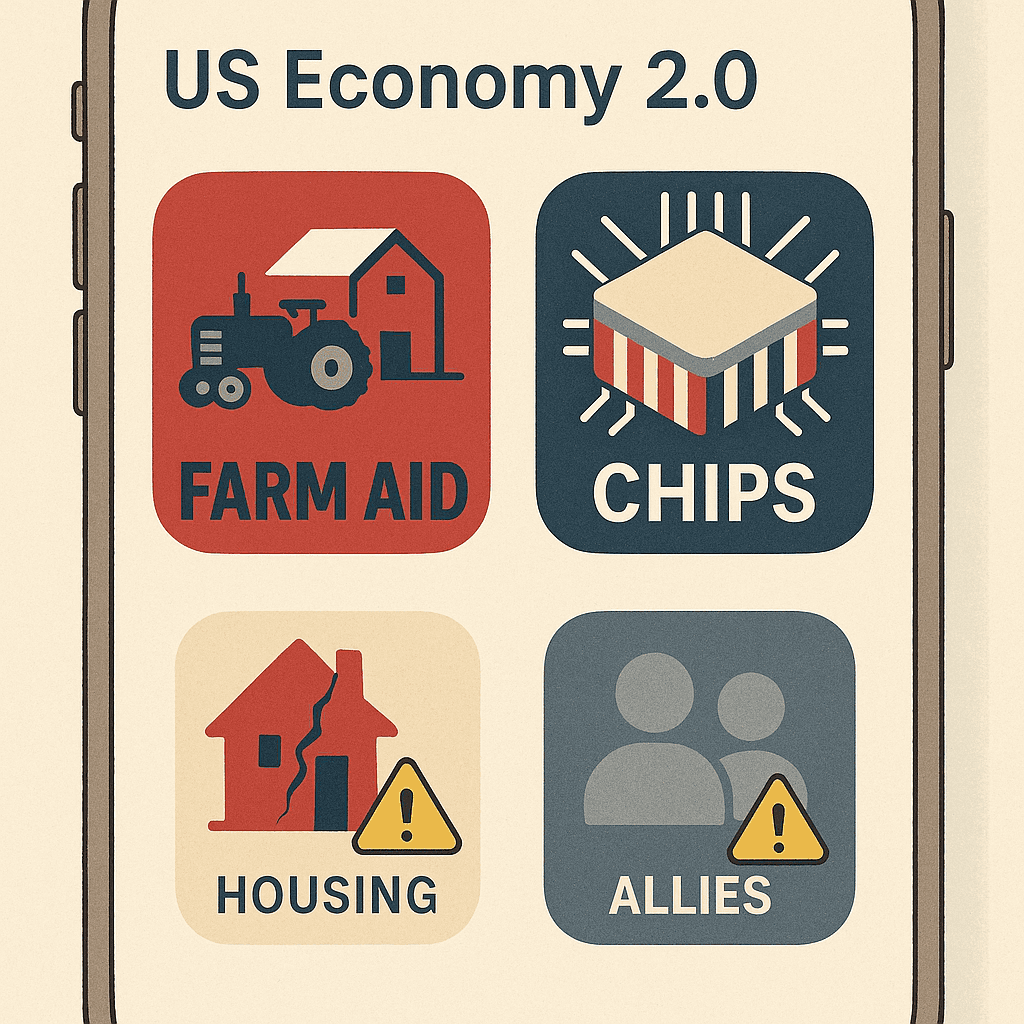
In a development experts called inevitable, the Trump administration has rolled out what markets are calling the "Two Americas" operating system: a second-term economic software update where U.S. farmers receive premium security support while the housing market, allies, and Chinese-adjacent car brands are quietly moved to trash.
According to the Financial Times, President Donald Trump abruptly scrapped the signing of a bipartisan U.S. housing affordability bill on the same week he requested $11.1 billion in new aid for farmers and signed agriculture-related executive orders "aimed at strengthening the security of the United States' food supply." Housing, the bill suggests, will be secured by positive thinking, Pinterest mood boards, and maybe a podcast hosted by a landlord.
In the new architecture, food is classified as national security, while shelter is classified as a lifestyle choice that can be optimized with gratitude journals and an interest-only mortgage.
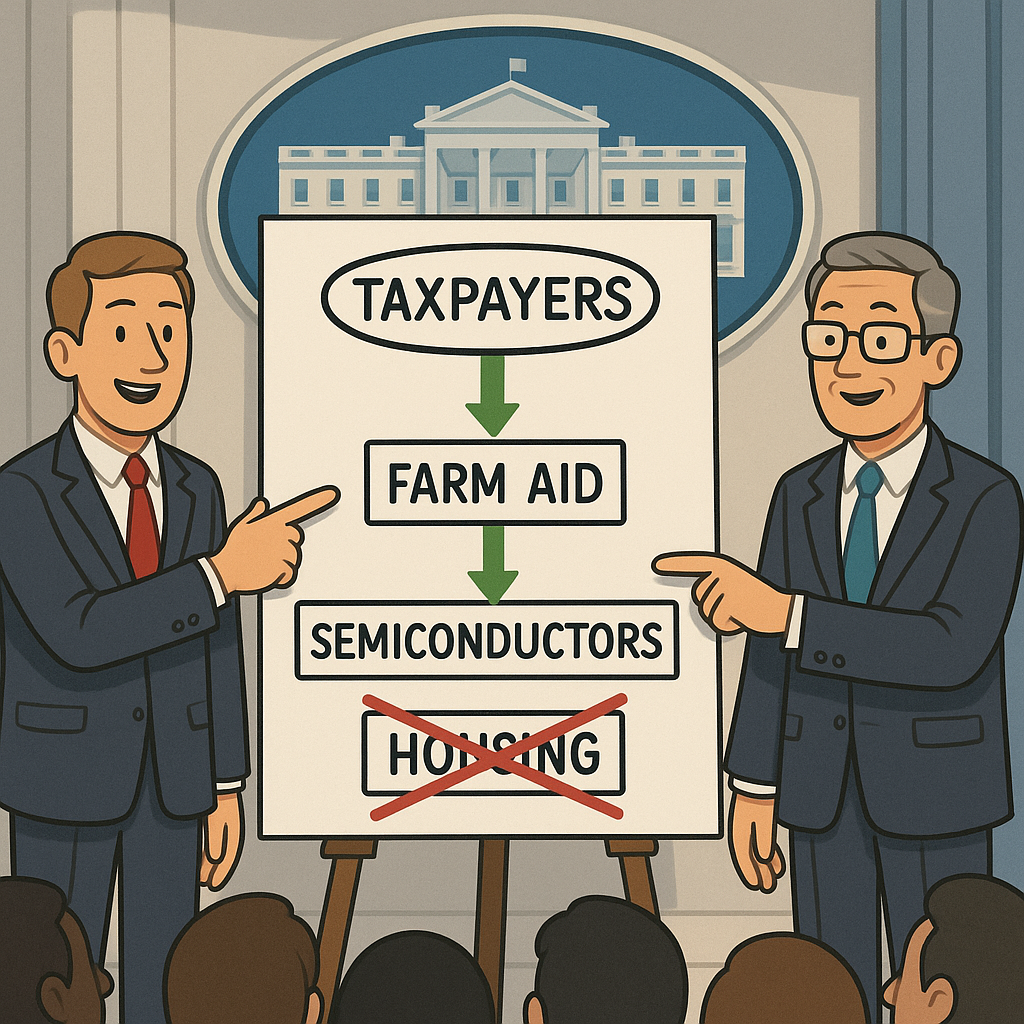
Senior officials describe the emerging doctrine as "modular" and "targeted," which in practice means the White House is beta testing subsidies like in-app purchases. The agricultural sector gets an $11.1 billion lifeline wired straight to county banks. Housing gets a push notification: "Your affordability feature is no longer supported in this region. Please consult your parents or a private equity firm."
"The president believes every American should have access to affordable, American-grown food," a Trump administration spokesperson said, reading carefully from a stapled script. "As for affordable housing, we believe in the power of the free market, and also landlords, and also donors who are landlords in the free market. It is a robust ecosystem."
U.S. farmers, facing weak crop prices and high input costs, will receive expanded support framed as food supply security. The same logic has not yet been extended to people needing somewhere to eat the secure food, although aides say they are "open to innovative public private synergies," which historically means an app no one asked for, surge pricing for rent, and a Super Bowl ad narrated by a country singer about resilience.
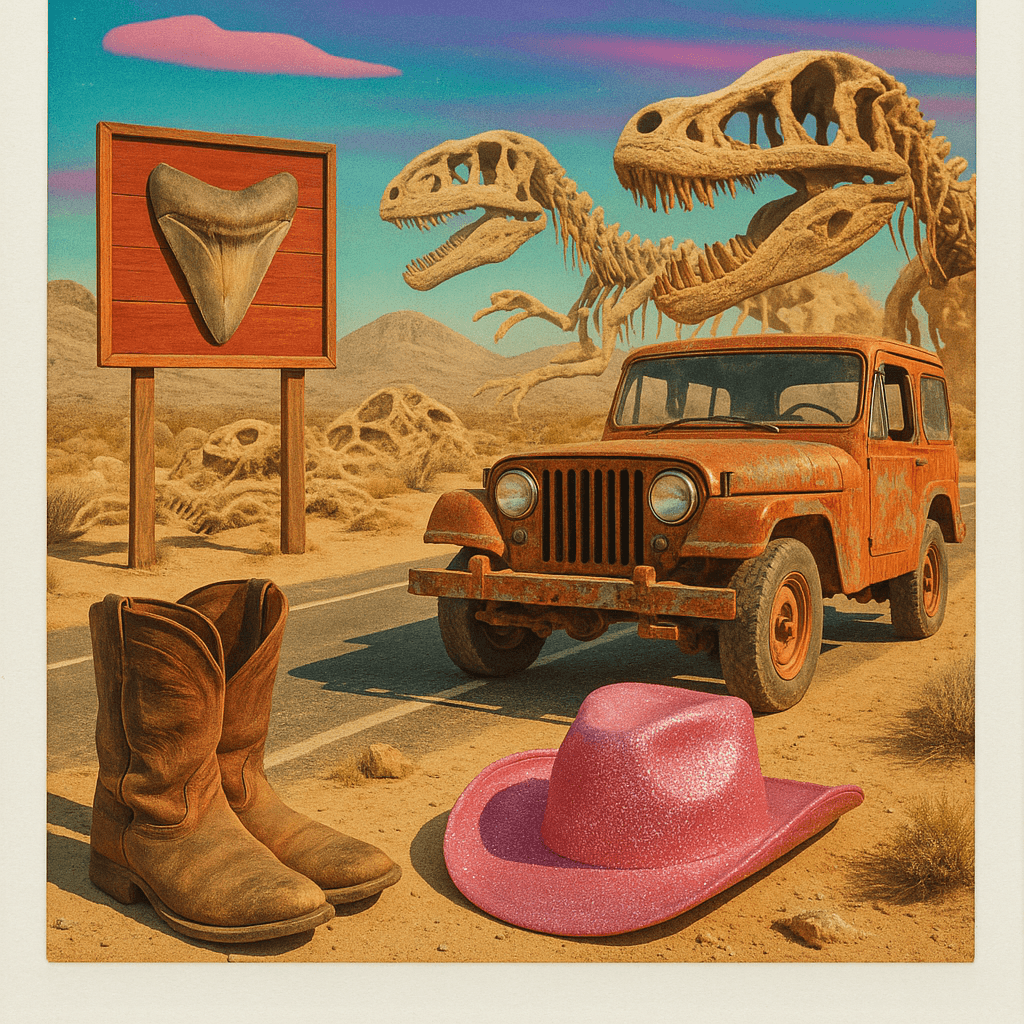
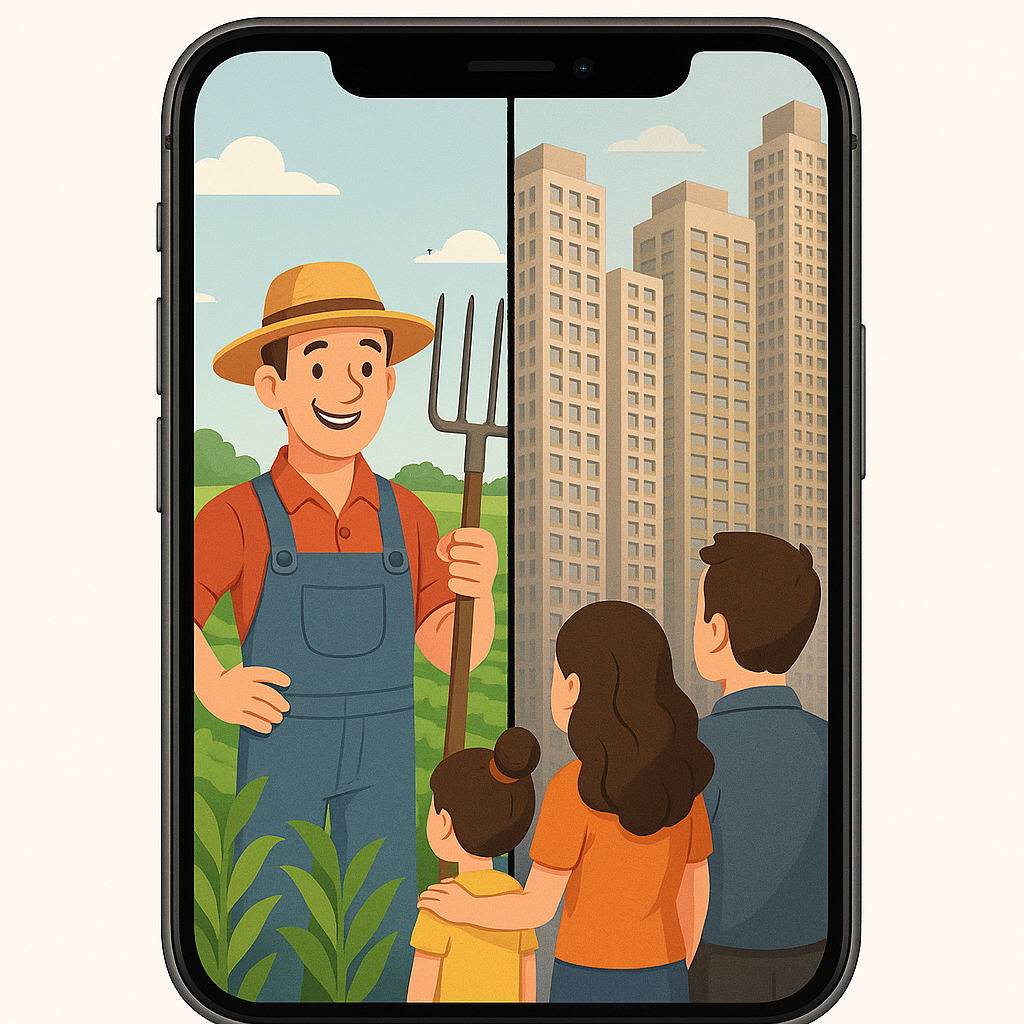
Rural voters, who have become the administration's most valuable daily active users, welcomed the move but admitted the product roadmap is confusing. "I appreciate the help," said an Iowa soybean farmer, resting one boot on a battered John Deere wheel, pausing to silence a crop-price alert on his phone, "but I also need somewhere for my kids to live if they ever move back from the city. I think the plan is that they just stay in the city and sleep in their Micron stock certificates and whatever square of sidewalk their student loans can afford."
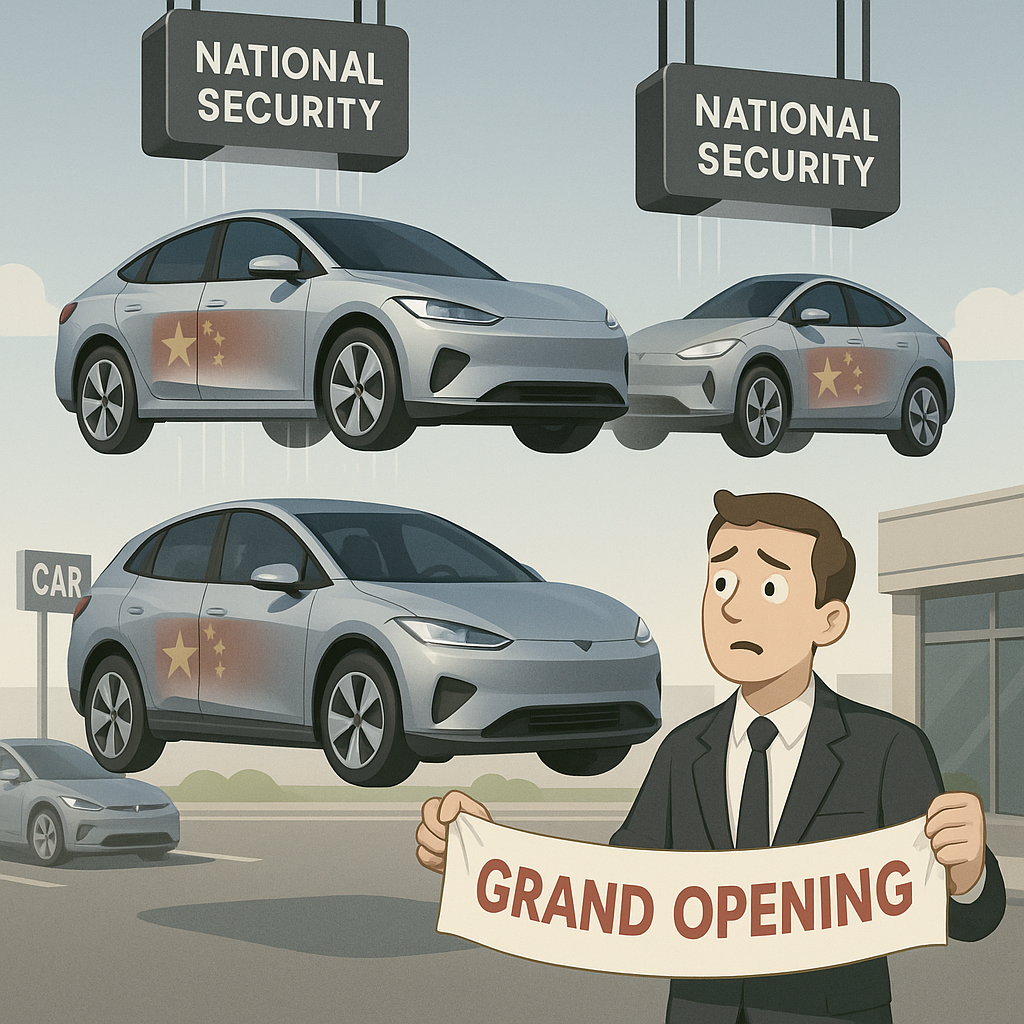
The Micron reference is not accidental. While Polestar dealers report being "devastated" as the Trump administration forces the brand out of the U.S. over Chinese tech concerns, semiconductor giant Micron just posted a 15-fold profit surge, a result investors are politely describing as "clarifying." The White House has effectively labeled the economy's circuit board, marking which chips are protected, which EVs are exiled, and which humans are free to figure out their own patch notes.
"We are picking winners in key sectors," said one official, pointing at a color coded chart on a giant screen. "Winners include domestic chipmakers, U.S. agriculture, and any automaker whose wiring diagram does not contain emotional traces of China. Losers include Chinese-linked EV brands, renters, and investors who thought Bitcoin was an inflation hedge rather than a feelings chart that updates every time someone tweets."
At the same time, the CLARITY Act, a bill to lock in rules for digital assets, is moving toward a full Senate vote just as Bitcoin hits a 20-month low and market sentiment registers "Extreme Fear." In policy terms, this is known as the "yoga class model": stretch as far as you can on uncertainty, then hold that excruciating position indefinitely while someone in the front whispers about alignment and an aide in the back quietly edits the regulatory text.
Global markets are attempting to price this new operating system. A brutal tech-led selloff that began in Asian semiconductor stocks has spread to Europe, while U.S. traders prepare to start their day with a green juice, three anxiety meds, and a quick doom scroll through NATO headlines. Trump has publicly demanded more "loyalty" from NATO allies and slammed their Iran posture, even as a U.S.-Iran peace framework reopens the Strait of Hormuz. Energy flows are stabilizing. Alliance confidence is not, according to every bond desk with a Bloomberg terminal and a spare blood pressure cuff.
European officials describe the experience as "using an app where the Terms of Service update every time you tap the screen." One NATO diplomat summarized the administration's position as, "You must be loyal to our unpredictable policy so that markets can price in the probability that we might change it again before lunch."
Back inside the United States, the contrast between robust farm aid and the ghosted housing bill is creating what economists call a "two-interface system." For rural constituencies, Trump’s economic nationalism shows up as direct payments, national security branding, and ever more elaborate photo ops involving tractors, flags, and carefully diverse hay bales. For everyone else, it appears as missing app features and a persistent error message labeled "Regulatory Uncertainty" that cannot be dismissed.
The White House insists this is all coherent. Briefing materials describe an "America First 2.0" strategy that features:
- Food: Subsidized, patriotic, geopolitically essential.
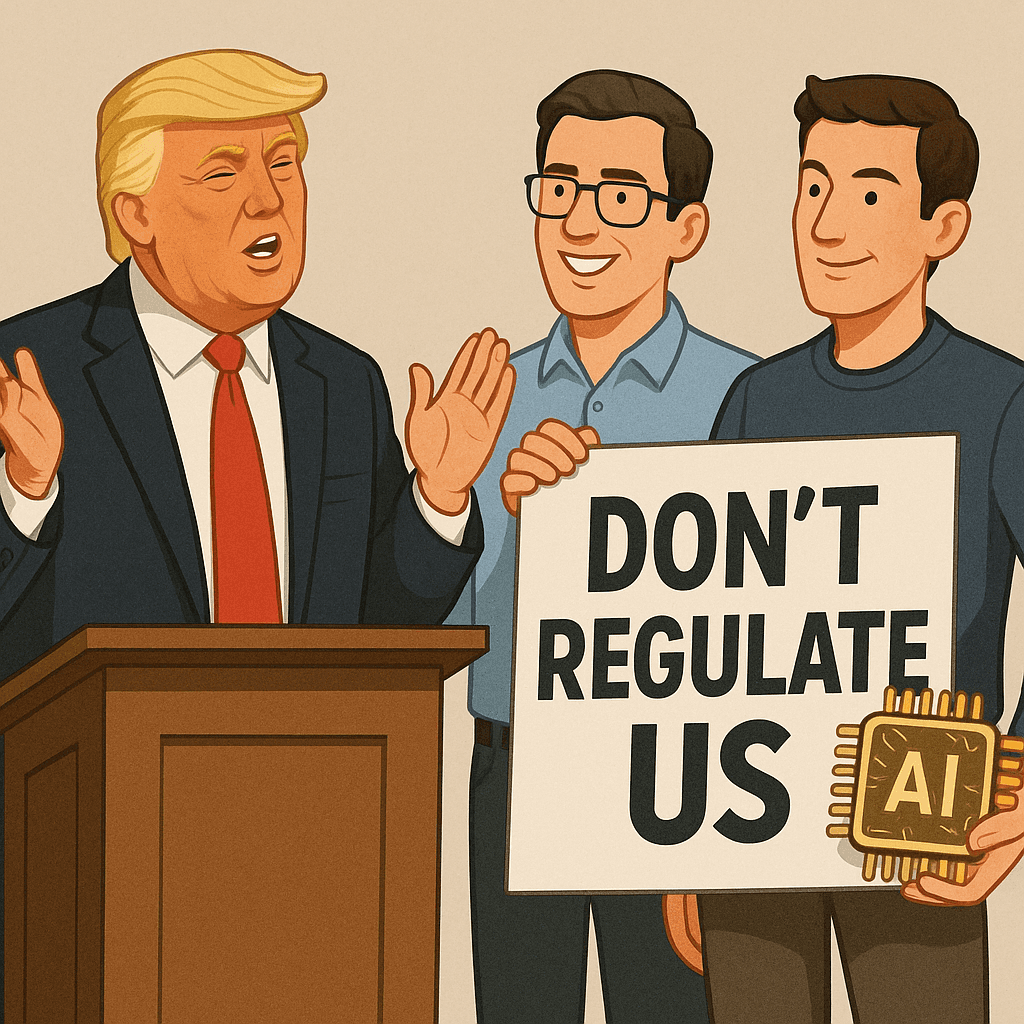
- Chips: Subsidized, patriotic, infused with AI, and available in commemorative share classes.
- Cars: Allowed if insufficiently Chinese; otherwise available in Europe only.
- Housing: Under review by the Committee on Personal Responsibility and Private Equity.
- Allies: Encouraged to subscribe to the Loyalty Plus plan with auto renew.
"We are moving away from broad, structural reforms and toward a more personalized economic experience," said one policy adviser, shuffling a slide deck labeled in 48 point font. "Instead of solving affordability as a category, we deliver targeted benefits to specific user segments like farmers and chipmakers. We call this curation. Critics call it chaos. Tomato, subsidized tomato, securitized into a yield product and sold back to you."
Polestar dealers, now reimagined as legacy support nodes for a discontinued product line, see the logic from a different angle. "We invested millions based on U.S. EV targets and then got told our cars are basically contraband because of Chinese tech," one retailer told Automotive News. "If they wanted fewer Chinese chips in America, they could have just seized everyone's phones. At least then I could live in my showroom and call it mixed use."
Investors, meanwhile, are attempting to reconcile a world where oil prices slide back to prewar levels thanks to the Iran peace roadmap, Micron soars on AI demand, Polestar exits the stage, Bitcoin slumps, and a key housing bill evaporates between draft and signature. Analysts at one Wall Street bank describe the emerging Trump doctrine as "industrial policy if industrial policy were written by a very focused Instagram algorithm." Every new decision deepens engagement with one constituency while quietly throttling someone else's reach and leaving the comments section to fend for itself.
The open question is how far this targeted intervention model can scale before the core system fails a basic health check. How many sectors can be hand tuned by executive order while Congress is clipped out of the workflow. How many NATO allies can be pushed to "upgrade their loyalty" while investors refresh their risk models and couples refresh their Zillow tabs with the same haunted thumb.
A senior Senate Democrat, freshly briefed on both the housing bill collapse and a separate investigation into a Trump family linked group’s Venezuela business push, put it more plainly. "We are watching the president treat the economy like a portfolio of side hustles. Some get seed funding. Some get ghosted. None get a business plan or basic customer support."
For now, Trump’s team seems comfortable with the tradeoff. Rural aid flows. Micron rallies. Polestar is sent to live on a nice farm upstate, possibly literal. The housing bill sits unsigned, an abandoned item in the legislative shopping cart while the nation is urged to focus on gratitude, grit, and whatever yield can be manifested from a 7 percent mortgage and a folding chair.
Asked whether the administration worried that millions of Americans could afford the food and not the house, one official paused. "That is the beauty of our approach," he said. "In this economy, you still get three essentials: security, sovereignty, and a clear view of the sky. Walls are an optional add on available exclusively through our premium tier."