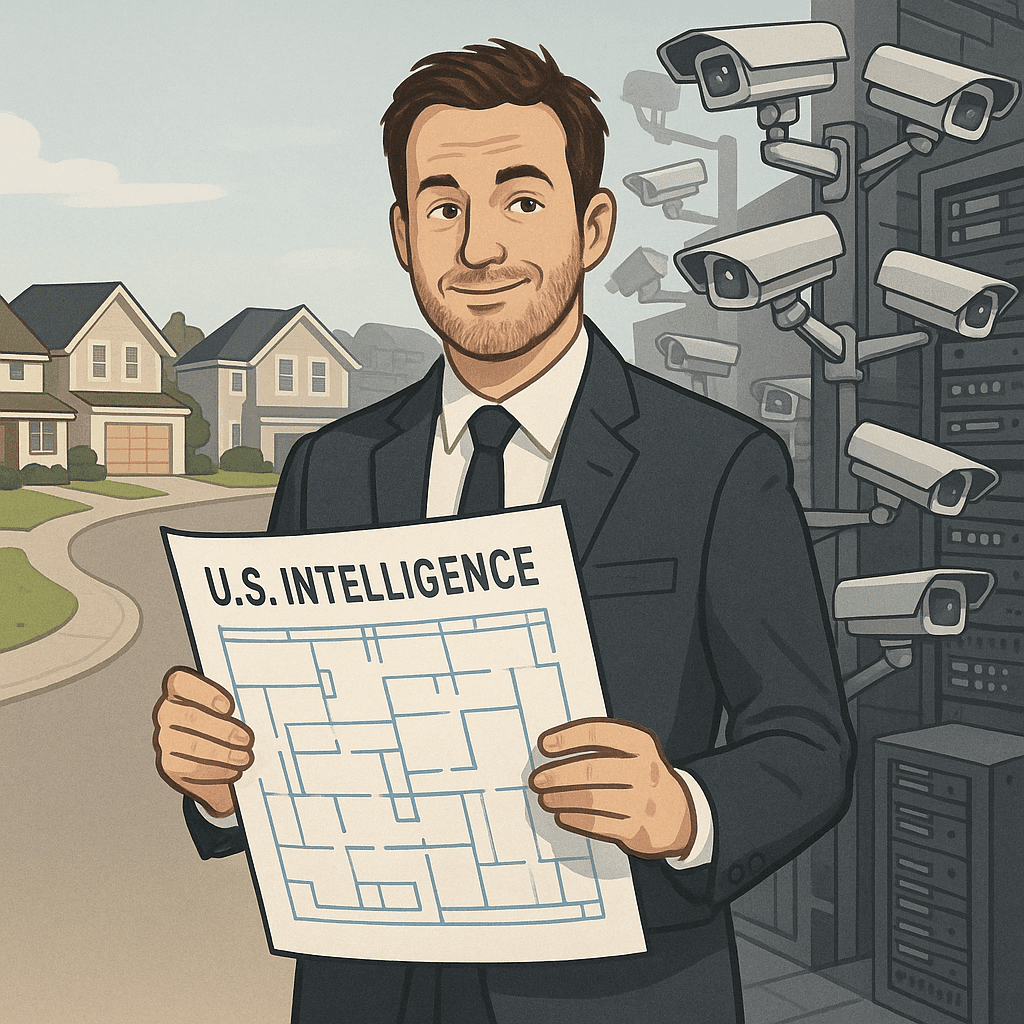
In a development experts called inevitable and one Mar-a-Lago bartender called "Tuesday," President Donald Trump has discovered that if you treat the entire United States like a condo complex, you can put the building superintendent in charge of national intelligence.
Trump’s surprise decision to move Housing Secretary Bill Pulte into the role of acting Director of National Intelligence, replacing Tulsi Gabbard, is being sold as a bold, disruptive staffing innovation. According to a Wall Street Journal write-up of the Pulte pick, the move reflects a broader strategy of consolidating power across security and regulatory posts around one simple qualification: the ability to say "yes, Mr. President" in under two seconds while maintaining direct eye contact with a framed Time magazine cover of Trump as "Man of the Millennium."
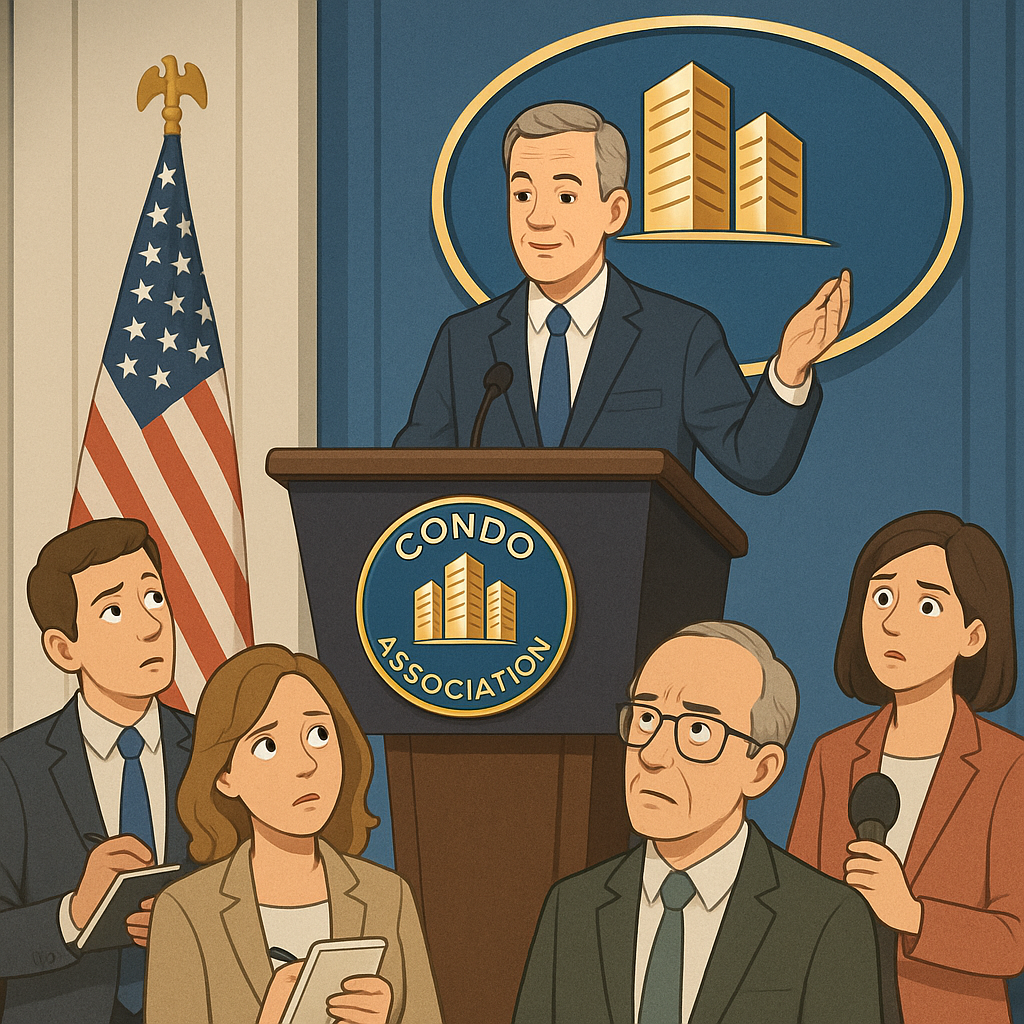
The White House insisted the appointment respected all applicable laws, norms, and vibes. Briefing reporters at a hastily arranged session covered by NBC News, a visibly tired spokesperson explained that in 2026, "intelligence is just data, and data is just real estate in the cloud." She added, "Who better to manage an information portfolio than someone who has already turned foreclosed subdivisions into luxury lifestyle experiences and knows how to evict a tenant, a whistleblower, or an inspector general with the same three-page form."
Within hours of the announcement, the Office of the Director of National Intelligence website was updated. Gone was the austere eagle crest. In its place: a tasteful hero image of a cul-de-sac at sunset with the tagline, "Live, Laugh, Surveillance." Career officials reported that their new onboarding packet included both a nondisclosure agreement and a glossy brochure titled Your New Life In The Trump Intelligence Community: Where Every Leak Is A Maintenance Issue, along with a welcome letter reminding them that "all-source analysts are now amenity managers" and that human rights reporting counts as "excessive noise after quiet hours."
"People say I do not respect expertise," Trump told CNBC during the same segment where U.S. Trade Representative Jamieson Greer was explaining new tariffs on the EU over forced-labor concerns. "That is wrong. Bill is an expert. He is an expert in making things mine. Security, trade, Iran, AI, all of it. We are just finally putting it under good management. One owner. No more messy co-op board, no more deep state, no more committee of people who think they know things because they read books instead of my Truth Social posts."
Asked about his intelligence qualifications during a brief appearance outside a Senate Banking Committee room, Pulte pointed to his track record. "Look, I know how to evaluate risk. Mold, asbestos, drone strikes, it is all inspection reports. You walk the property, you circle the problems on a clipboard, and if there is a leak, you figure out whether it is from a pipe or Marco Rubio." At almost the same moment, Rubio was testifying before the Senate Foreign Relations Committee on Iran policy, carefully expressing "general concern" about politicized intelligence while also signaling that his main red line remained "any disruption to the markets that might upset donors or move the Goldman brunch to a smaller room."
Wall Street, which CNBC says is closely tracking what Washington "needs to get done this summer," responded with its usual spiritual clarity. Defense stocks rose on the theory that a housing executive running covert operations could only end in construction. Tech and AI names rallied on the assumption that any new White House AI Executive Order would classify every large language model as critical infrastructure, then lease it back to the government with a 3 percent annual rent escalator and a mandatory "nondisparagement clause" for anyone who types in the word "authoritarian."
"Markets love certainty, and this is very certain," said one Goldman Sachs strategist. "The certainty is that all serious decisions will be made by as few people as possible, with minimal paperwork. From an efficiency perspective, that is bullish. From a democracy perspective, we do not have a price target, we only have downside guidance and a tasteful warning box in six-point font."
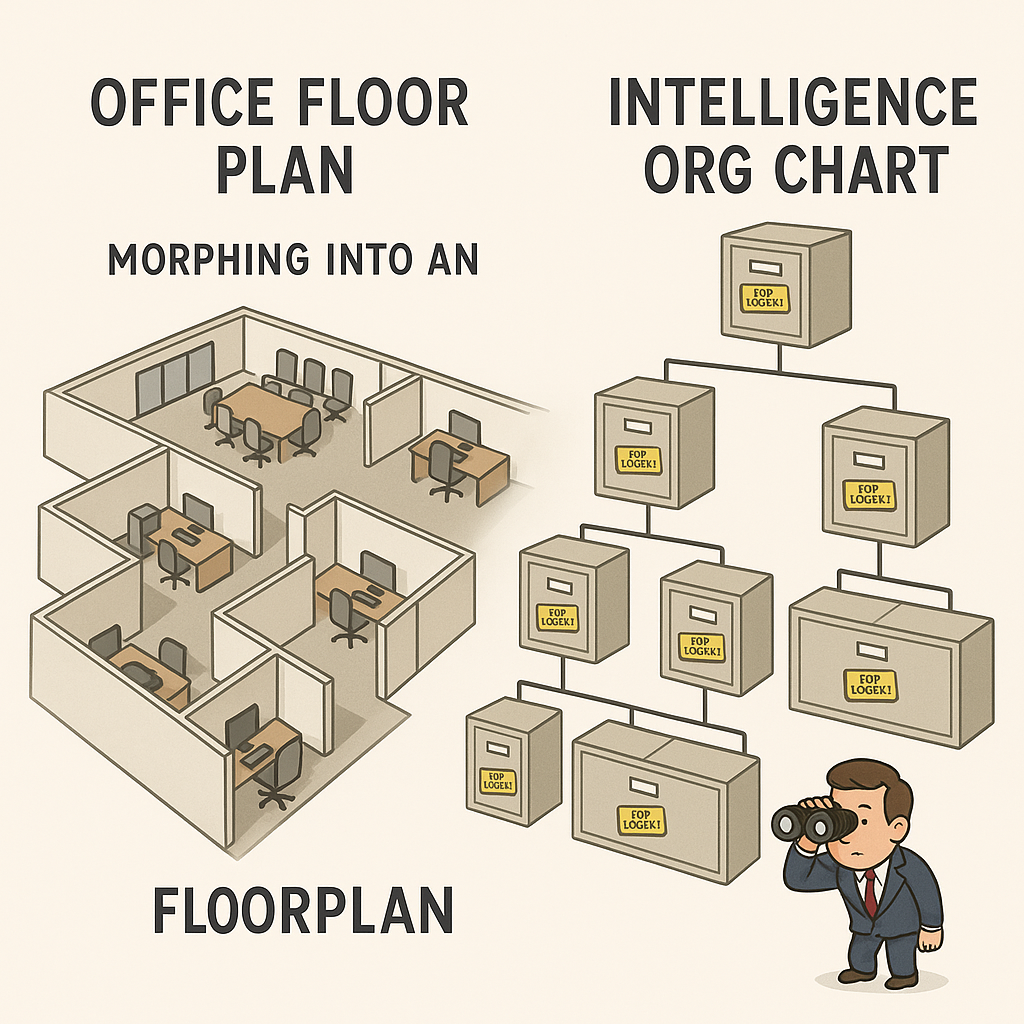
Inside the intelligence community, staff reported a swift reorganization that felt oddly like a condo conversion. Analysts said they were asked to reclassify all threat assessments into three categories: "Upgrading," "Under Review," and "Hostile Foreign Tenants." A leaked internal memo laid out Pulte’s "One Roof" strategy, which integrates:
- Iran war briefings and ceasefire violations, now labeled "urgent repairs in a high-risk unit."
- EU forced-labor tariff justifications, described as "screening potential renters for bad vibes and cheap textiles."
- AI and cyber operations, rebranded as "smart home features that may or may not open the door for you without asking."
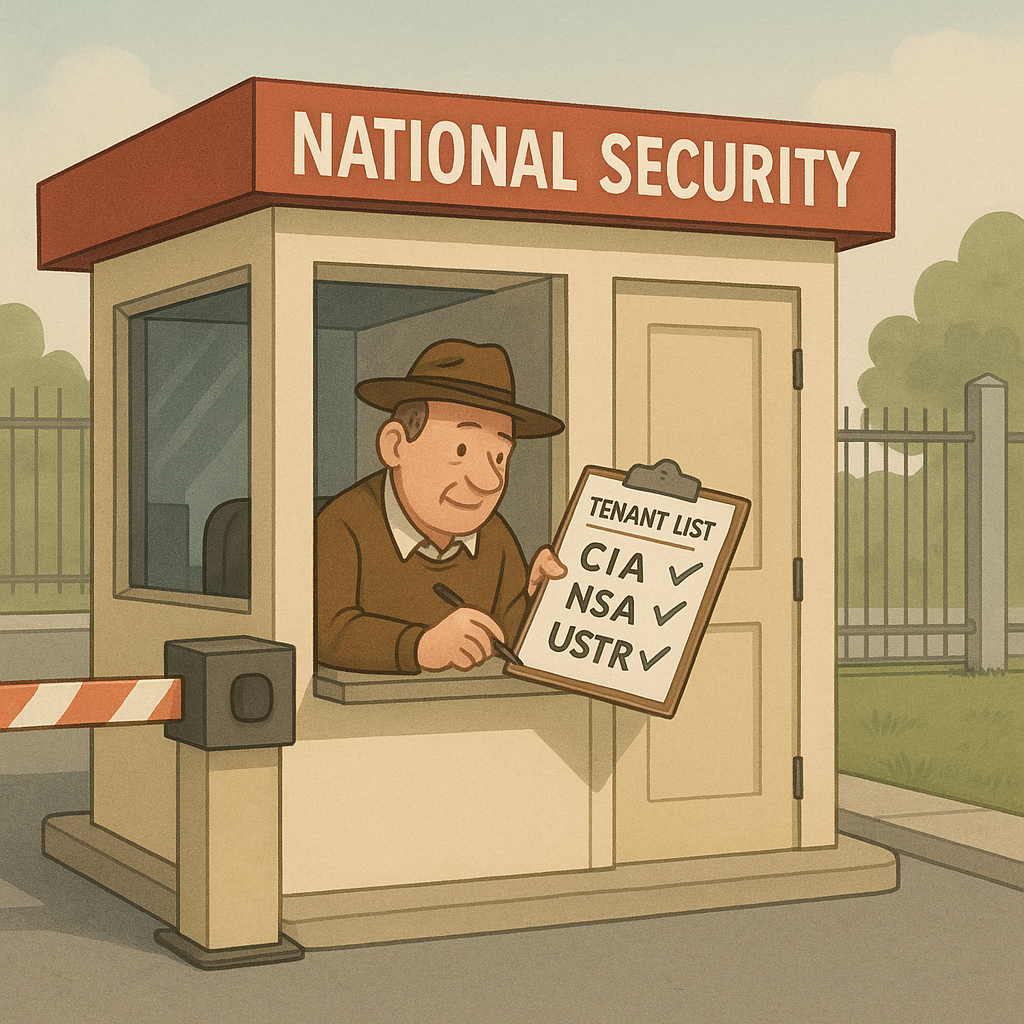
"The concept is simple," said one senior official, speaking anonymously because their security clearance had just been converted into a month-to-month lease. "If you centralize everything under one landlord, you cut down on pesky interagency debates. Instead of arguing with CIA, NSA, and USTR, you get a single call from the landlord saying: pay or get out, and by the way, your FISA warrant is now a guest pass to the pool."
The parallels are already visible on the legal side. Acting Attorney General Blanche recently went on CNBC to clarify that the so-called anti-weaponization fund is "dead," while confirming that Trump remains protected from meaningful tax enforcement. Legal scholars noted that this essentially turns the Department of Justice into a gated community with a sign that reads, "Neighborhood Watch In Effect, Property Owner Exempt," and a security guard instructed to salute any golf cart with presidential branding.
At the same time, Greer’s tariff moves against the EU are now reportedly informed by classified intelligence about supply chains. According to one trade official, the new process involves Pulte’s office issuing a "national security rent increase" whenever an ally’s behavior is deemed noncompliant. "The failure of our most important trading partners to address forced labor is unacceptable," Greer said publicly. "Also, they have been leaving their trash in the hallway of the global economy, and the landlord feels very strongly about hallway aesthetics when the hallway leads directly to his licensing deals."
Congress, confronted with all of this and a pre-recess war powers resolution on Iran, has adopted what observers describe as a "compressed timeline of faint gestures." Lawmakers of both parties have introduced sternly worded letters, a bipartisan Zoom panel, and one nonbinding resolution encouraging the administration to "maybe not centralize every weapon system and market lever in the same group chat."
"Look, our calendar is very tight," said one member, glancing at a color-coded schedule featuring hearings, fundraisers, and three separate cable hits labeled "concerned about norms." "We absolutely take executive overreach seriously. We just have to get through this brunch with Josh Bolten and a CFTC update from Michael Selig first. Then we will see if there is time to defend the separation of powers before August recess or at least issue a podcast about how worried we are."
The White House, buoyed by the lack of substantial resistance, is already said to be considering additional cross-functional appointments. Shortlisted concepts include a Pentagon chief selected from the Trump golf-course superintendent pool, a Federal Reserve chair sourced from the casino credit desk, and a Cybersecurity Director recruited from the team that runs the Trump app’s push notifications and knows exactly which donors still leave location services on.
At a closed-door meeting, one adviser reportedly summarized the philosophy. "We are not politicizing national security," they said, flipping through a deck titled National Security As A Lifestyle Brand. "We are just giving it a consistent aesthetic. Intelligence, law enforcement, trade, AI policy. Same fonts. Same owner. Same lease terms, all auto-renewing upon reelection."
The latest planning document, obtained by CNBC, outlined the end state for this loyalist infrastructure. In its final slide, under the heading Long-Term Vision, the administration describes a future in which every sensitive decision about war, markets, foreign allies, and domestic enforcement passes through a single, centrally managed entity that aligns all incentives and minimizes friction.
The slide is titled "Trump Organization." The footnote reads, "Tenants may submit complaints, but should understand that the landlord already knows everything and reserves the right to change the rules without notice or congressional consent."