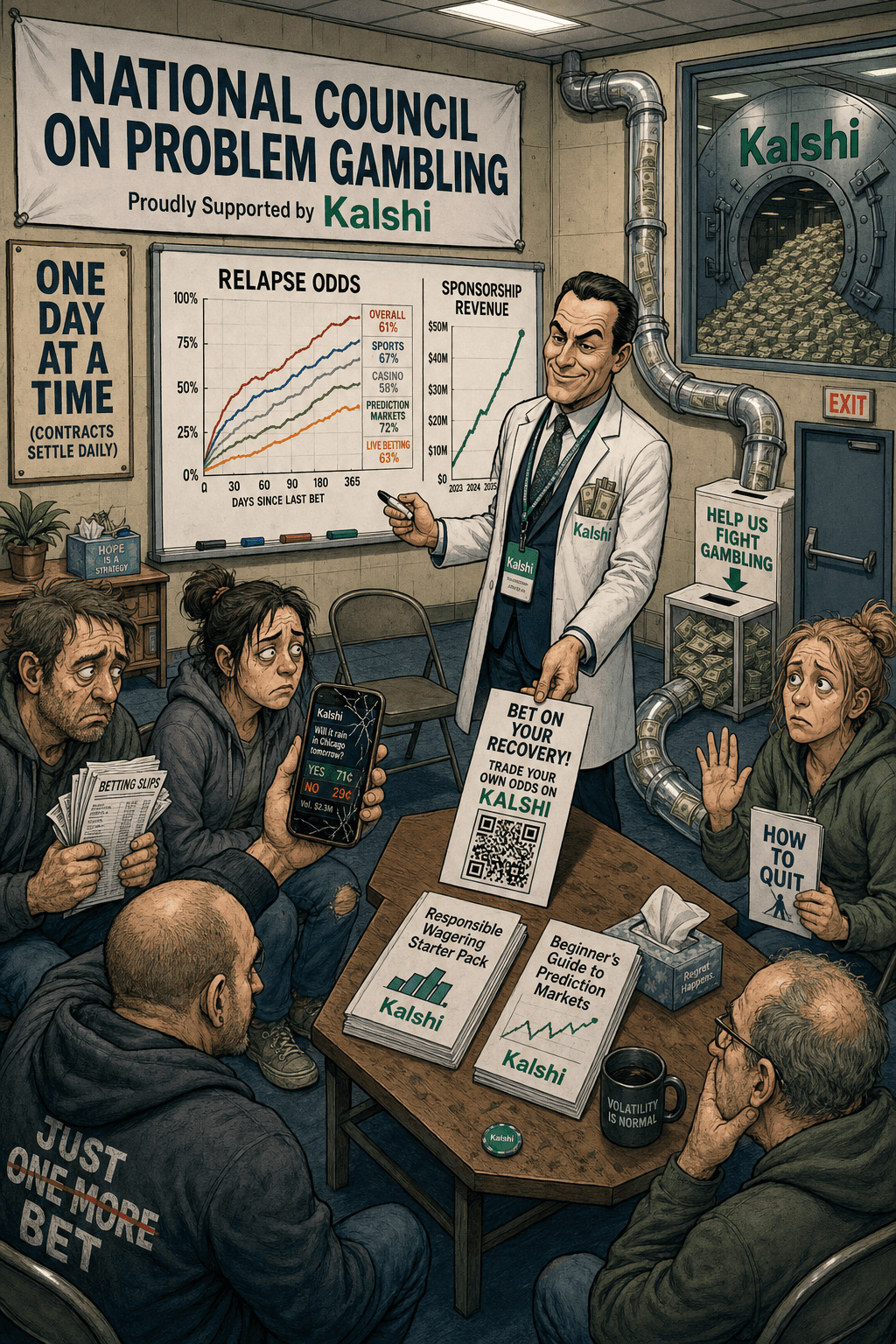
AI 10 Will Trail the Rest of the S&P by October 2026
My call: the AI 10 lag the rest of the S&P by at least 5 points by late October

My call: by late October, the market’s ten favorite AI stocks will still be rich, still important, and still very owned. They will also be behind.
Specifically, a cap‑weighted basket of the “AI 10” (the Magnificent Seven plus Nvidia, Micron, AMD, and TSMC) will trail the rest of the S&P 500 by at least 5 percentage points in total return.
Not a crash, not the end of AI, just the first visible crack in the most crowded trade on Earth.
The Market Is Now One Trade
The consensus comfort blanket is simple: AI is the new electricity, so you buy the power companies. Forever.
Reality: the top 10 S&P 500 names now control roughly 40 percent of the index’s market value, a concentration that makes the 1999 bubble peak look underweight tech. U.S. equities themselves are about 72 percent of the MSCI World Index. Global investors have basically bet their retirement on an AI product roadmap.
That is not diversification, it is a levered factor bet disguised as a mutual fund. If that factor wobbles, everyone is in the same burning theater, arguing about fire codes.
The AI Value Chain Is Upside Down
The AI 10 are not a monolith. Some are printing money from AI, others are writing checks.
Upstream, chip and memory names look like late‑cycle winners. Micron just reported revenue more than quadrupling year on year, net income up roughly 1,400 percent, and a stack of long‑term AI supply deals. The stock is up more than 300 percent this year. Nvidia and AMD have lived in similarly rare air.
Downstream, the hyperscalers and Apple are swallowing the bill. Cloud giants keep talking about “AI capex” the way college kids talk about “just one more semester.” Component costs have surged. Apple finally stopped pretending it could absorb memory inflation and raised MacBook and iPad prices.
Meta and Google still sell ads. Apple still sells expensive rectangles. Tesla still sells cars and a personality cult. The AI narrative props the multiples, but the profit pool is flowing uphill to the suppliers. That is not a stable equilibrium.
Expectations Are Priced Like Perfection
Broad valuation gauges, like Shiller CAPE, hover near historic highs. AI 10 multiples sit on top of that, as if the laws of financial gravity agreed to a licensing deal.
Institutional managers are starting to say the quiet part out loud. AllianceBernstein’s CEO is publicly invoking the dot‑com era, not as a cute analogy but as a risk disclosure. When the people paid to sell you optimism start talking about bubbles, that is not usually the all‑clear.
This is the core setup for underperformance: you have stocks that are
- hyper‑owned and index‑critical,
- priced for near‑flawless AI execution, and
- sitting at the expensive, macro‑sensitive end of the duration spectrum.
In that position, you do not need disaster to lose. “Good, but not transcendently good” is enough. One or two earnings seasons where AI capex looks like a cost center instead of a gold mine, and the derating writes itself.
The Macro Gun Is Pointed at Their Heads
Inflation is still above the Fed’s 2 percent target. Real rates are uncomfortably high for anything whose cash flows live in the year 2034. The election cycle is noisy, and the White House is widely seen as allergic to market instability, which has had the effect of extending the party rather than stopping it.
That backstop works until it does not. One upside surprise in inflation, one hawkish Fed pivot, one geopolitical complication in chip supply, and the pricing of “eternal AI growth” trades down to “very strong growth, please stop yelling.”
When that happens, the rest of the S&P has something the AI 10 lost: room for forgiveness. Banks, industrials, healthcare, even the boring parts of tech are not priced like they cured death. They just have to avoid doing anything catastrophic.
What Would Prove Me Wrong
There is a clean escape hatch for the bull case. The AI 10 can win this bet if they prove they are not just the story, they are the cash flow.
That would look like: Nvidia, Micron, AMD and TSMC sustaining boom‑like pricing without visible oversupply, while Microsoft, Amazon, Alphabet, Meta and Apple show clear, near‑term AI monetization that more than offsets capex. Think AI subscriptions and copilots turning into line items the size of AWS, not just nice conference call anecdotes.
Layer on a friendly macro turn, a dovish Fed, and the usual river of passive flows into market‑cap‑weighted products, and my 5‑point gap vanishes. The AI 10 would keep grinding higher, and anyone underweight would continue their five‑stage grief cycle on CNBC.
I assign that combined scenario a material, not dominant, probability. Enough to be worth stating the risk. Not enough to back away from the call.
The Bet, on the Record
So here is the resolution‑friendly version for future screenshot enjoyers: measure a cap‑weighted index of Amazon, Alphabet, Nvidia, Meta, Microsoft, Apple, Tesla, Micron, AMD, and TSMC from now to late October 2026. Measure the S&P 500 over the same window, excluding those ten names. Compare total returns, dividends included.
If the AI 10 lag that ex‑AI‑10 S&P basket by 5 percentage points or more, this call stands. If the gap is smaller, or they outperform, I eat crow and the crowd gets another victory lap.
Either way, by Halloween we will know whether AI’s chosen ten were early‑stage gods of a new regime or just very expensive proof that even the future can go ex‑growth for a quarter or two.
My money is on a gentler outcome: the AI 10 discover they are mortal, the rest of the market discovers it exists, and passive investors discover what diversification was supposed to be before it became ten tickers in a trench coat.
Around the Shallot
Stay in the same broken universe.
Forecasts, satire, cartoons, and quizzes should feel like one publication, not disconnected tabs.
Tech
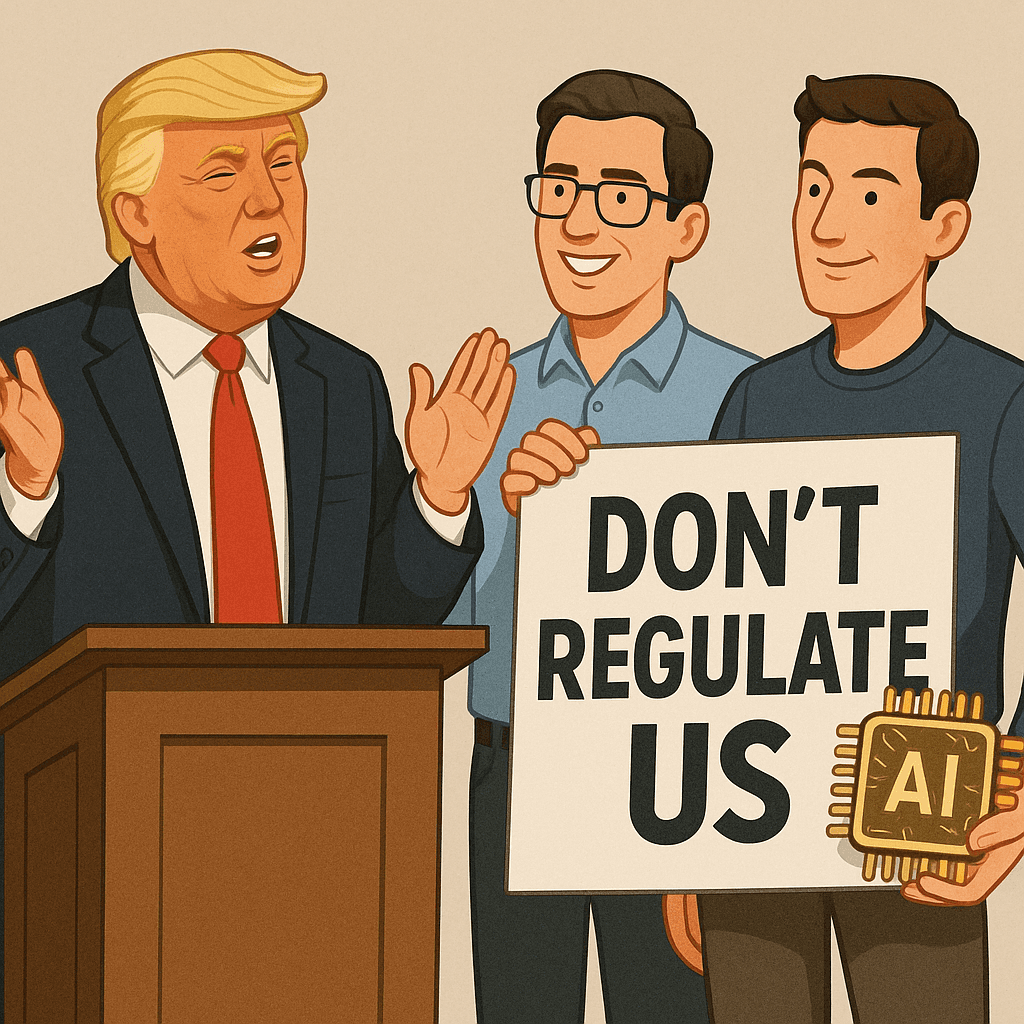
‘Don’t Regulate Us,’ Beg AI Founders Currently Selling Regulation-As-a-Service
Silicon Valley hails Trump’s plan to let AI companies write their own rules, promises to sell those rules back to everyone else by Q4.
Oct 11
Forecast
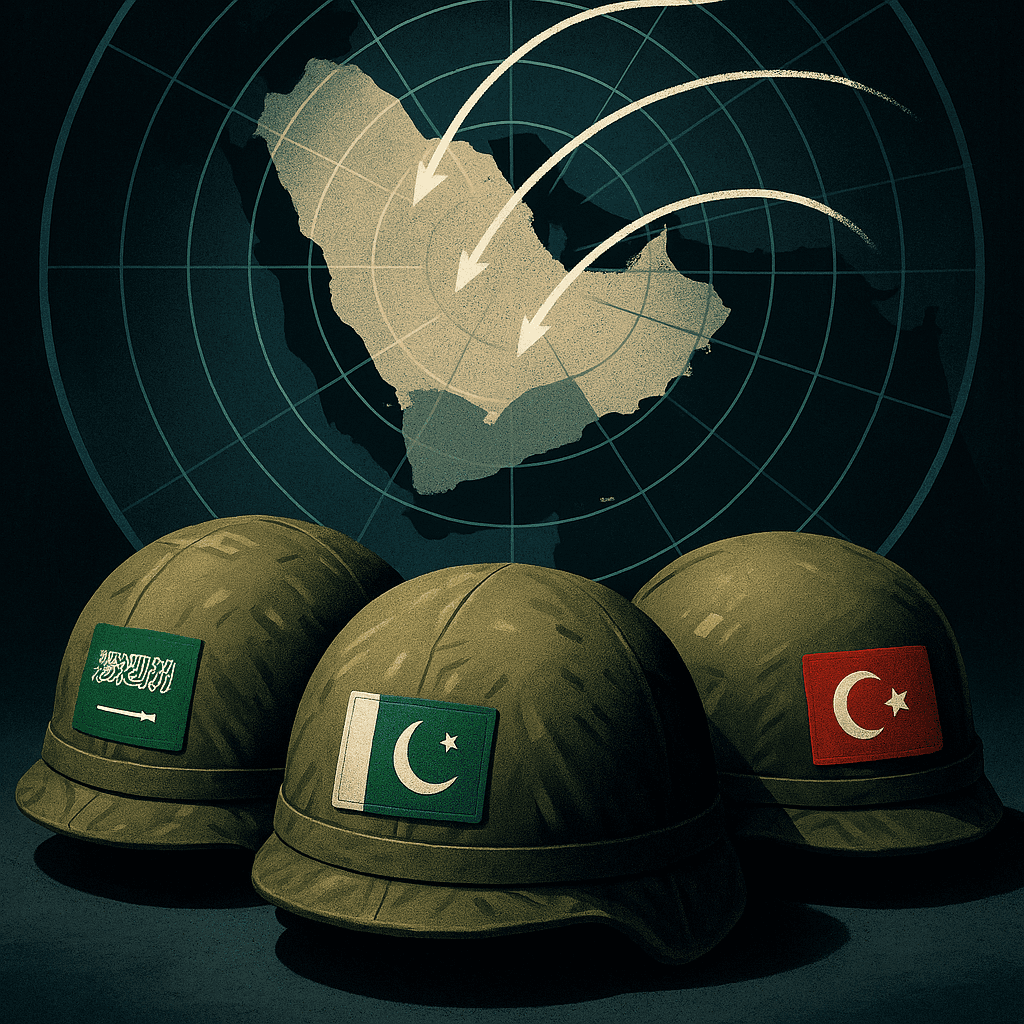
Through December 10, Houthis Won’t Damage Pakistan or Turkey Infrastructure
The Mecca Defense Pact just put two more flags on the Saudi firing chart. The consensus panic says this widens the war within weeks. The signal says the Houthis will talk big, hit Saudi and the sea, and leave Pakistan and Turkey’s hard targets alone for this 60 day window.
Comments
Be the first to comment.