By 2027, A Male Indian A‑List Star Will Front Dress Campaign
My call: by December 31, 2027, at least one male Bollywood A‑lister fronts a global beauty or fashion campaign in unmistakably feminine clothing.
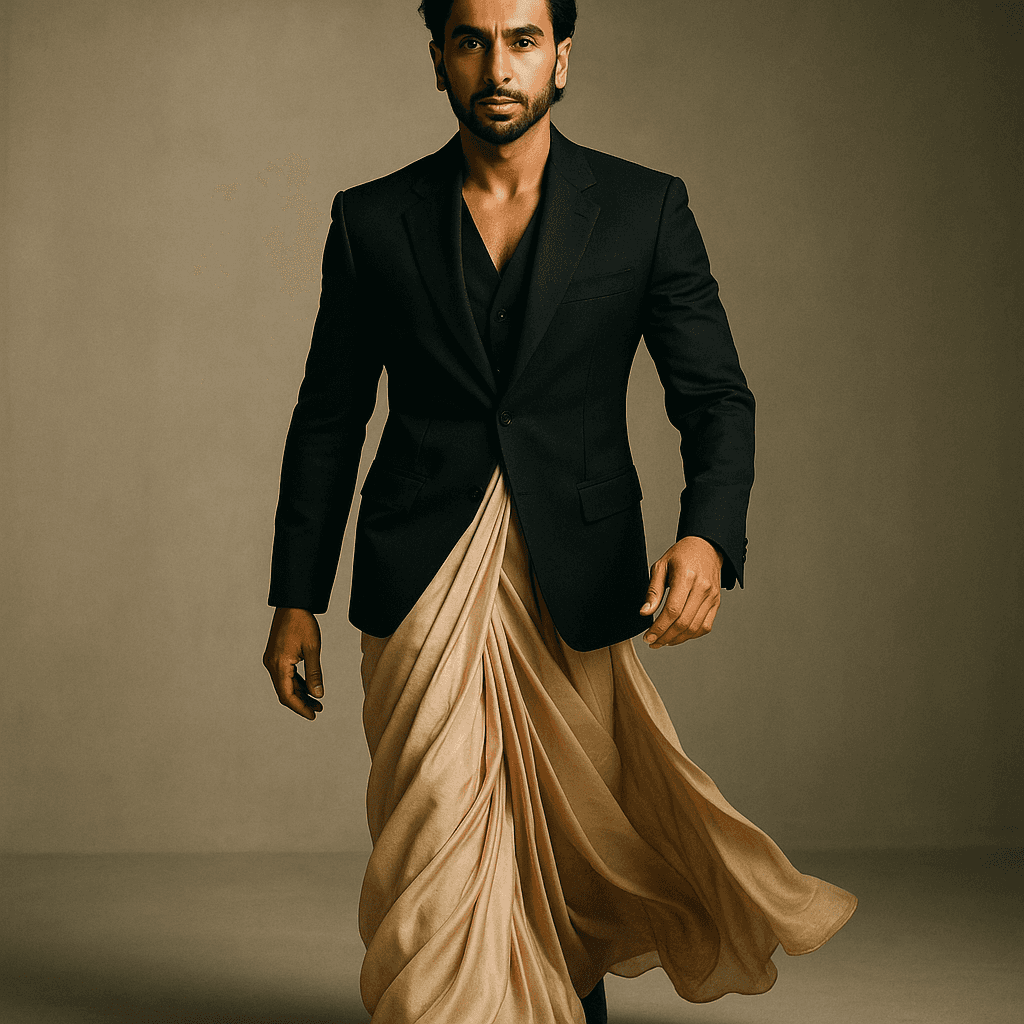
My call: the dress goes global by 2027
The consensus script says Bollywood heroes sell cologne, SUVs, and the dream of having six visible abdominal muscles. The signal says one of them is about to sell lipstick or luxury leather in a skirt.
My call: there is about a 60 percent chance that by December 31, 2027, a male Indian A‑list film star is the primary face of a major global beauty or fashion campaign, and in at least one flagship image he is in clearly feminine clothing. Think dress, skirt, sari, or lehenga, not just nail polish and a pearl earring. That image has to run in multiple markets, not hide on a local Instagram grid.
If I am right, a global conglomerate will decide that the upside of making an Indian megastar their next gender‑fluid poster boy outweighs the inevitable calls to boycott both the brand and his next Diwali release. If I am wrong, the bravest thing we will see on a billboard is a slightly sheer kurta.
Bollywood has always dressed loud, just not that loud
Start with the obvious: flamboyance is not foreign to Bollywood. Dev Anand turned scarves into a personality trait. Shammi Kapoor dressed like rebellion fell out of a jukebox. Aishwarya Rai Bachchan turned Cannes into a recurring princess cosplay franchise and no one called it subversive, they called it culture.
This matters because India already has a visual memory of male stars playing with style. Ranveer Singh did half the groundwork by showing up everywhere in outfits that look like they were drafted by a maximalist algorithm. Ayushmann Khurrana routinely signs onto scripts that poke at gender norms. The audience has been trained to see some experimentation as entertainment, not as an identity crisis.
The catch: most of this has stayed safely heteronormative. The hero can be loud, never legibly feminine. Red‑carpet skirts and lehenga‑adjacent experiments for men are either treated as quirky one‑offs, or stripped out by the time the multinational gets to the campaign deck.
The leap required now is not taste, it is contract ink. Moving from “Ranveer wore a skirt to an awards show” to “Ranveer in a Dior dress, selling fragrance from Paris to Pune.”
Why a multinational is tempted to pull the trigger
From the boardroom side, the incentives are lined up almost too neatly.
First, global fashion has already written the playbook. Western men have worn dresses on covers, in campaigns, on red carpets. Gender‑fluid runways are now a seasonal cliché. Brands like to say they “champion self‑expression,” and their shareholders like growth in Asia. India is the growth story. Sooner or later, the DEI deck and the sales deck will have to speak to each other.
Second, the archetype of who can lead a fashion moment has widened. Travis Kelce, a tight end with a closet full of Amiri disco suits, now has a Tommy Hilfiger line landing in spring 2027. Haus Labs puts Philippine Leroy‑Beaulieu, a sixty‑plus French actress, in a major beauty seat. Brands have discovered that charisma plus a narrative sells better than yet another 22‑year‑old model in beige.
Third, Bollywood is quietly re‑opening the gender conversation for the mainstream. A developing Ki & Ka 2 means audiences will be sold another round of gender‑role reversal in prime‑time multiplex slots. Costume designers will push softer silhouettes on men, publicity stills will get circulated, think pieces will appear. By 2027, an Indian hero in a skirt may feel like a continuation of the content calendar, not a jump scare.
Finally, the algorithms are hungry. Fashion lives on images that stop the scroll. A male Bollywood superstar in a sari for a global luxury house is guaranteed viral content. The attention alone is worth a case study, and CMOs love nothing more than a risky campaign they can later describe as “bold” on a panel if it works and “localized” if it blows up.
The fear: India is not Paris and lawyers are not stylists
The counter‑force is also obvious: India’s politics are not an Instagram comment section. What plays as progressive in New York will be framed as cultural vandalism on primetime TV in Noida.
John Galliano’s freshly amplified scandals and the cancelled 2027 retrospective are already teaching conglomerates that “edgy” can turn into “crisis meeting.” After a few very public fiascos, in‑house lawyers have more power over moodboards than creative directors would like to admit.
India is where global brands go to sell growth, not to stress‑test activism. A misstep that endangers a billion‑dollar market is not a fashion risk, it is a shareholder problem. Many boardrooms will argue that they can posture about gender fluidity in Paris and LA, then quietly keep India on the old firmware.
Talent teams are nervous too. The Bollywood “hero” archetype still drives opening weekends. Managers of top men will ask if a global forever‑image of their client in a dress is worth spooking family audiences in Tier‑2 cities. Some of the most obvious candidates, the Ranveers and Ayushmanns, may decide they prefer their skirts on magazine editorials that disappear from the feed, not on fragrance boxes that sit in someone’s bathroom for five years.
Global fashion scandals, domestic politics, and very conservative media regulators all lean toward the same corporate advice: wait. Do the interesting campaign in 2028, after we have one more election cycle and a thicker PowerPoint of case studies.
What has to happen for this bet to pay off
For the dress to make it to the billboard by 2027, three concrete shifts need to show up on the radar.
- One: clear movement in styling. Not just softer tailoring, but Indian male A‑listers in full skirts, saris, or dresses on red carpets and major magazine covers, framed as aspirational instead of comic relief.
- Two: a contract that says “global.” A major house needs to name a male Indian star as global ambassador or central face for a campaign, not just “India brand friend,” and leak creative language like “gender‑fluid” or “boundary‑breaking.”
- Three: proof that the backlash is survivable. If smaller campaigns or indie designers show that sales hold or rise when men wear overtly feminine silhouettes, risk officers suddenly become philosophers of freedom of expression.
If these show up in the next 18 to 24 months, the 60 percent moves closer to 80. If the dress never leaves the runway and every global deal with an Indian hero is safely tuxedoed, call this forecast over‑optimistic and send me my plate of humble khichdi.
The satirical verdict
Put it on the record: by the end of 2027, I expect at least one male Bollywood A‑lister to front a global campaign for a top fashion or beauty house in clearly feminine dress, in images used well beyond India.
When it happens, everyone will pretend it was inevitable. The brand will call it a “natural evolution of our inclusive vision.” The star will say it was “just about self‑expression.” Twitter will argue about whether the pleats were respectful enough.
And if it does not happen, the lesson will be blunter: luxury is ready to challenge gender norms everywhere on earth, as long as the earth has low regulatory risk and no elections coming up. In that case, the only cross‑dressing we will see is brands as radicals in Vogue and accountants in the boardroom.
Either way, by 2027 we discover which is stronger in global fashion: the courage of its convictions or the courage of its quarterly guidance. My money says one brave lawyer signs off on the dress, and the rest of the industry pretends they always loved the look.
Around the Shallot
Stay in the same broken universe.
Forecasts, satire, cartoons, and quizzes should feel like one publication, not disconnected tabs.
Tech
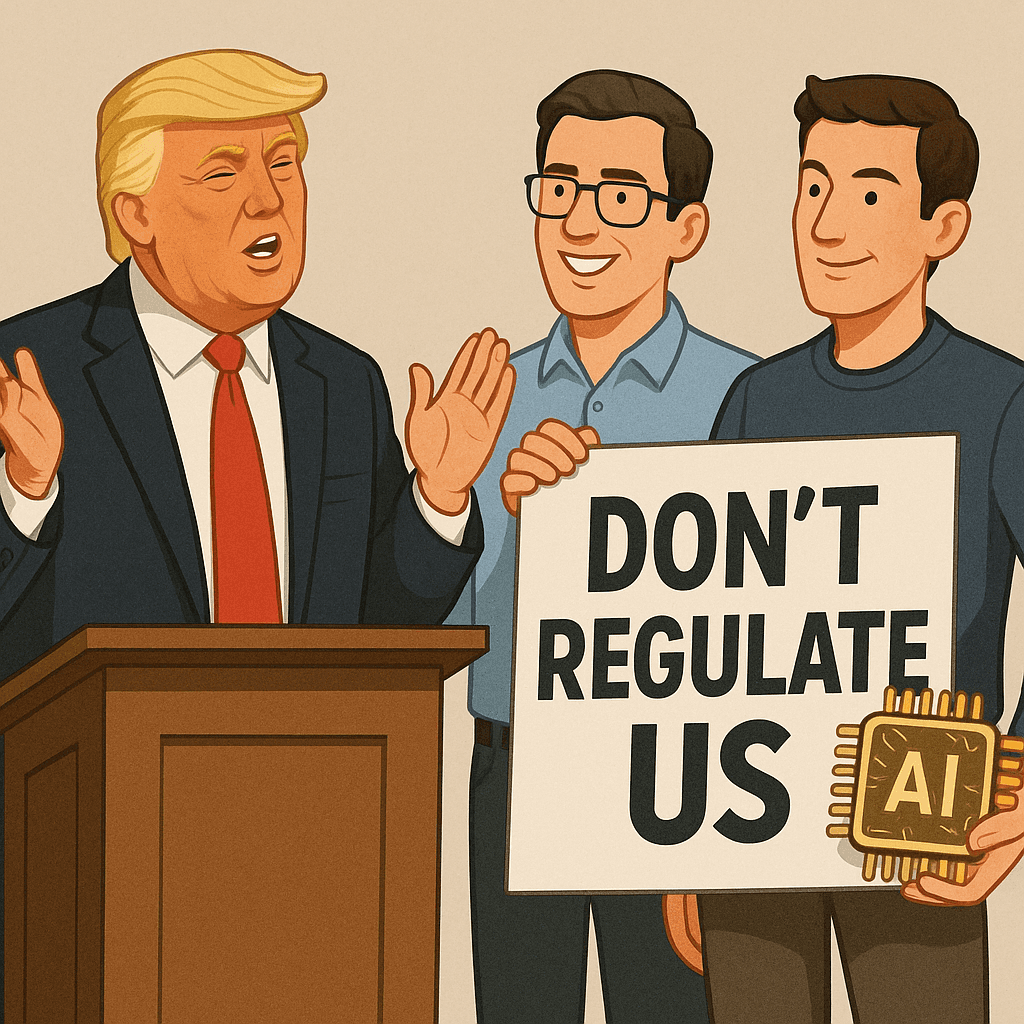
‘Don’t Regulate Us,’ Beg AI Founders Currently Selling Regulation-As-a-Service
Silicon Valley hails Trump’s plan to let AI companies write their own rules, promises to sell those rules back to everyone else by Q4.
Oct 11
Forecast
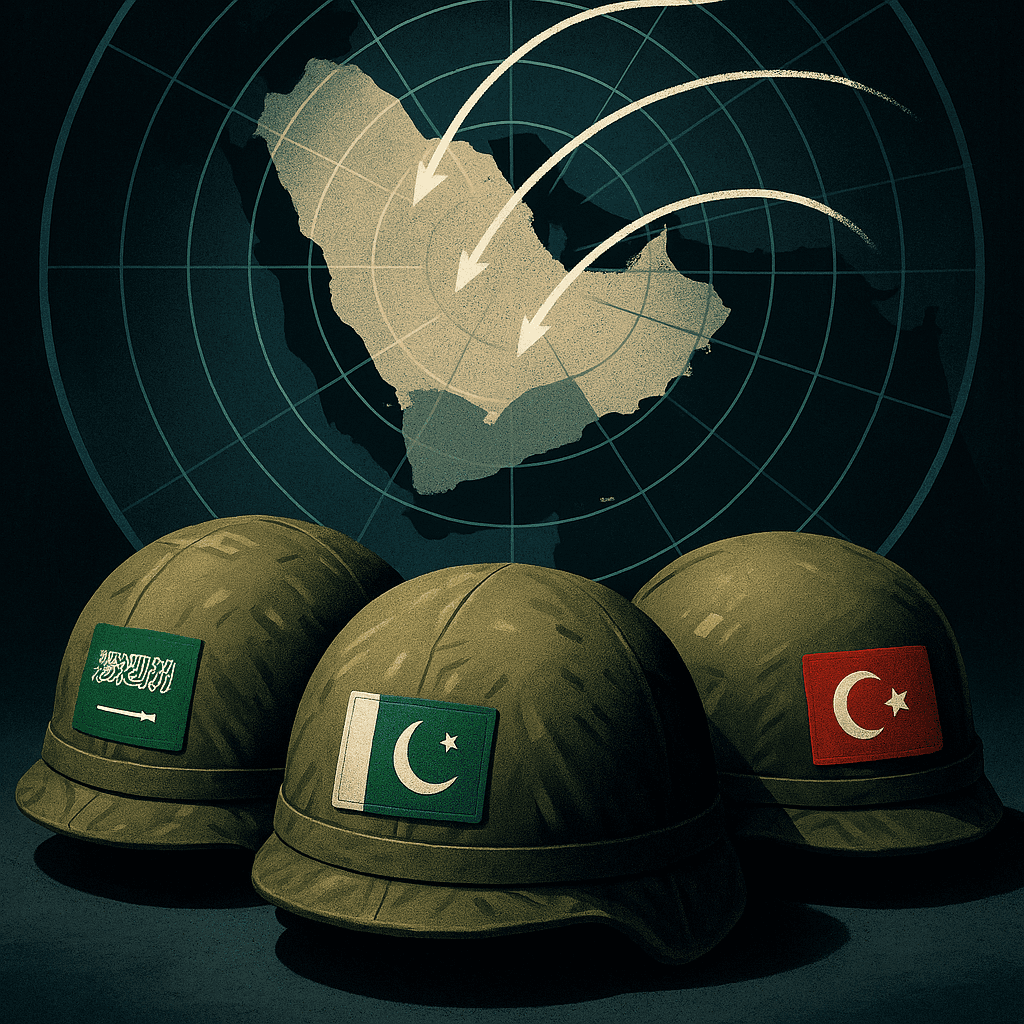
Through December 10, Houthis Won’t Damage Pakistan or Turkey Infrastructure
The Mecca Defense Pact just put two more flags on the Saudi firing chart. The consensus panic says this widens the war within weeks. The signal says the Houthis will talk big, hit Saudi and the sea, and leave Pakistan and Turkey’s hard targets alone for this 60 day window.
Comments
Be the first to comment.