By Jackson Hole 2027, Iran Oil Shock Won’t Trigger U.S. Recession
My call: The oil war scares markets and headlines, but it does not get the recession trophy by the next Jackson Hole.
Call: The Iran oil scare bruises growth, it does not kill the cycle
The consensus is shopping for a sequel to the 1970s. Oil war in the Gulf, bond yields at 20‑year highs, a rookie Fed chair sweating on stage in Wyoming. Perfect script for an Iran‑driven oil shock to finally knock the U.S. into recession by Jackson Hole 2027.
My call: it will not. By the next Jackson Hole, the U.S. may be in a late‑cycle shuffle, maybe even flirting with a growth recession, but you will not have an NBER‑certified downturn whose primary culprit is Iran and the price of crude.
To score this, you need two things by August 2027: no NBER peak date yet on the board, and no serious macro crowd agreeing that the Iran oil shock did it. The economy can stall, markets can sulk, Kevin Warsh can lose his voice on CNBC. The oil war does not get top billing on the recession obituary.
Driver 1: The U.S. no longer runs on leaded gasoline and disco
Start with the structural stuff. The 1970s ghost story runs on two myths: that every oil spike automatically equals a recession, and that the U.S. is still built like 1979 Detroit. It is not.
The U.S. economy uses less oil per unit of GDP than it did in the Volcker era, and a lot more of that supply comes from domestic shale. Energy is still painful for households and trucks, but it is no longer the single point of failure for everything from plastics to politics.
An Iran‑driven disruption of the Strait of Hormuz would tighten global supply. Tanker insurance gets silly, Brent jumps, shipping lanes reroute in slow motion. That matters for importers like India, which live on seaborne crude and weak currencies. It matters for marginal U.S. consumers who drive long distances to low‑wage jobs.
What it does not do, unless it is both deep and very long, is mechanically tip a 27 trillion dollar, energy‑lighter U.S. economy into the kind of broad contraction the NBER stamps as a recession. You need more than expensive gasoline. You need a collapse in real incomes, corporate margins, and hiring, all at once, for quarters on end.
Driver 2: Hormuz can hurt, it has to linger to actually break things
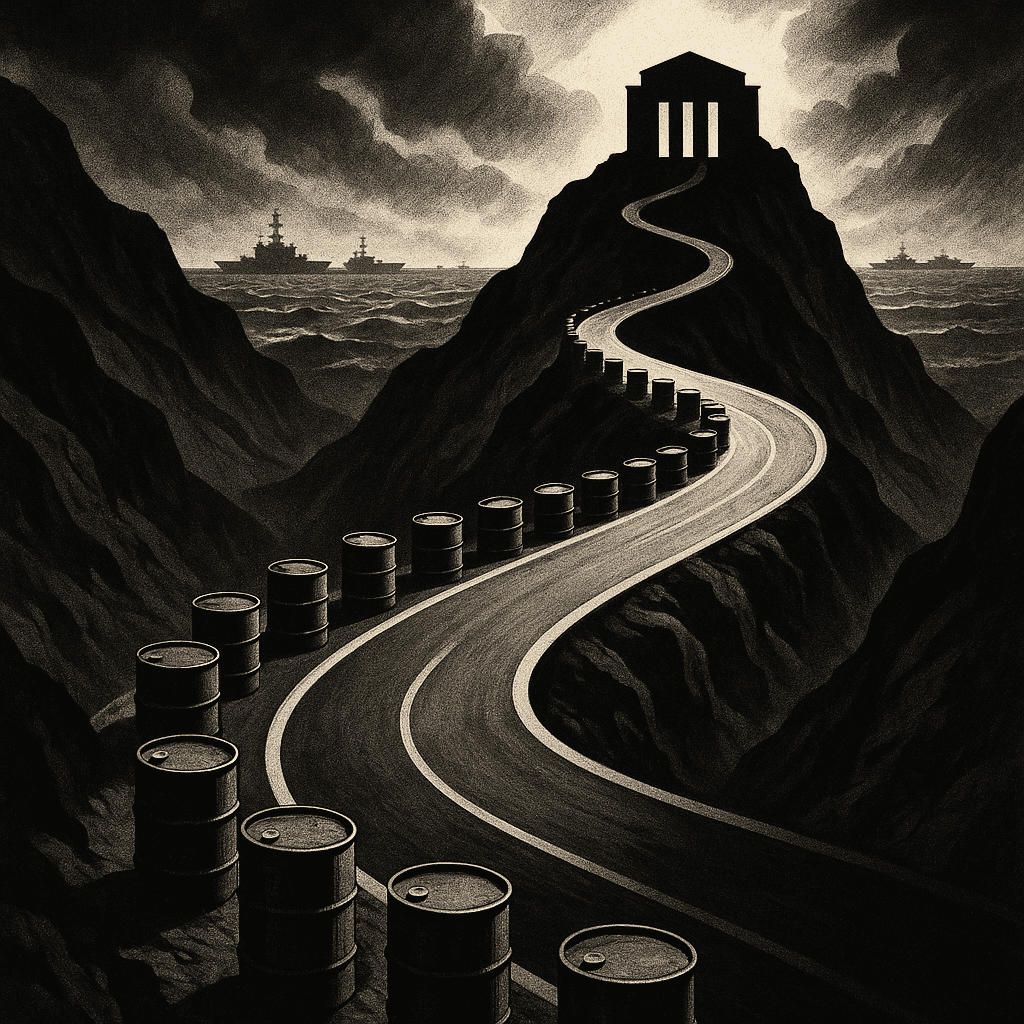
The scary path is simple: shipping in and around the Strait of Hormuz is not just harassed but genuinely constrained for months. Verified tanker seizures, persistent rerouting, double‑digit jumps in insurance premia. Brent camped above roughly 130 to 140 dollars for two or three quarters. U.S. gas prices at or near record highs without relief.
That is the recession setup. In that world, real disposable income for the bottom half of households shrinks, companies eat higher transport and input costs, and everyone cuts back at once. Layer in trade frictions and tariffs that already inflate costs, and you have the makings of a synchronized intake of breath.
It is a plausible tail outcome. It is not the base case. Even in a grinding U.S.–Iran conflict, there are strong incentives for everyone else in OPEC+ to keep effective supply from going truly critical. Saudi Arabia likes high prices, but not demand destruction and not a global financial accident. Strategic reserves, U.S. shale, and barrels rerouted from less dramatic conflicts are not magic, but they buy time.
Time is the difference between a nasty inflation flare and a formal recession. A two‑quarter spike can bruise. A multi‑year chokehold breaks bones. The former is more likely than the latter.
Driver 3: Warsh’s Fed is more likely to flinch than reenact 1979
The real recession risk is not the oil. It is the people watching the oil with shaky hands on the rate lever.
Kevin Warsh walks into Jackson Hole 2026 with core inflation cooling, headline inflation pushed around by oil, and long yields that already tightened financial conditions without a single extra hike. Markets are not questioning whether he cares about 2 percent. They are questioning whether he can explain it in complete sentences.
In that environment, the Fed’s main temptation is to prove it is still tough. The 1970s script would have Warsh staring at elevated headline inflation and choosing more hikes into a slowing real economy, because being seen as weak is worse than being wrong.
I think that script is mispriced. This Fed has just lived through an inflation shock where everyone spent three years yelling at them about overtightening and long‑yield spikes. With the 10‑year already near a two‑decade high and credit spreads starting to grumble, the central bank does not need to jack up policy rates to get tighter conditions. Markets already did that for them.
Translation: in an Iran‑oil flare, the most likely policy mistake is talking tough while doing mostly nothing. That is not ideal, but it is a lot less recessionary than stomping on the brake because of gasoline data.
Stakes: What to actually watch between now and 2027
This is a public bet, not a vibe. Here is what has to happen for me to be wrong and for the Iran oil shock to own the recession narrative by Jackson Hole 2027:
- Sustained physical stress in Hormuz, not just headlines. Think persistent tanker disruptions and elevated shipping‑insurance costs, confirmed by AIS traffic data, not just scary press conferences.
- Brent holding far above historical pain thresholds, roughly the 120 to 130 dollar range or more, for several quarters, with U.S. gas and diesel prices following and staying high.
- Headline inflation re‑accelerating while core and real spending slow, and a Fed that responds by keeping real rates restrictive or hiking again in the name of credibility.
- A clear roll‑over across the NBER’s favorite indicators: employment, real income, industrial production, and real sales, not just a few soft retail prints and complaining CEOs.
If we get that combination, then yes, the Iran oil story moves from background risk to primary villain. In that world, Jackson Hole 2027 feels like a post‑mortem.
The base case looks different: Hormuz incidents remain intermittent, not chronic. Brent dances between roughly 80 and 110, scary but not fatal. Headline inflation twitches, core keeps drifting down. Warsh sticks to a high‑for‑a‑bit‑longer script without doubling down. Growth slows, maybe to something that feels like standing in line, but the NBER never pulls the recession trigger before the next mountain‑resort photo op.
Verdict: Oil gets the drama, debt gets the lecture
By August 2027, I expect Jackson Hole to feature plenty of slides about oil markets, war risk premia, and the Strait of Hormuz, delivered by people who still hike in loafers. I also expect the big macro panels to be about something else: U.S. debt above 40 trillion, tariff‑war collateral damage, and why term premium now has its own fan club.
That is the tell. If the Iran oil shock had truly broken the expansion, Jackson Hole 2027 would be a memorial service. Instead it is likely to be another seminar on long‑run fiscal sustainability, featuring 40 charts and zero solutions.
The Iran war will have spooked traders, squeezed households, and made for great cable news chyrons. But the recession trophy case will still be empty. In this cycle, oil gets to play the villain in the trailer. The actual box‑office bomb is still in rewrites.
Around the Shallot
Stay in the same broken universe.
Forecasts, satire, cartoons, and quizzes should feel like one publication, not disconnected tabs.
Tech
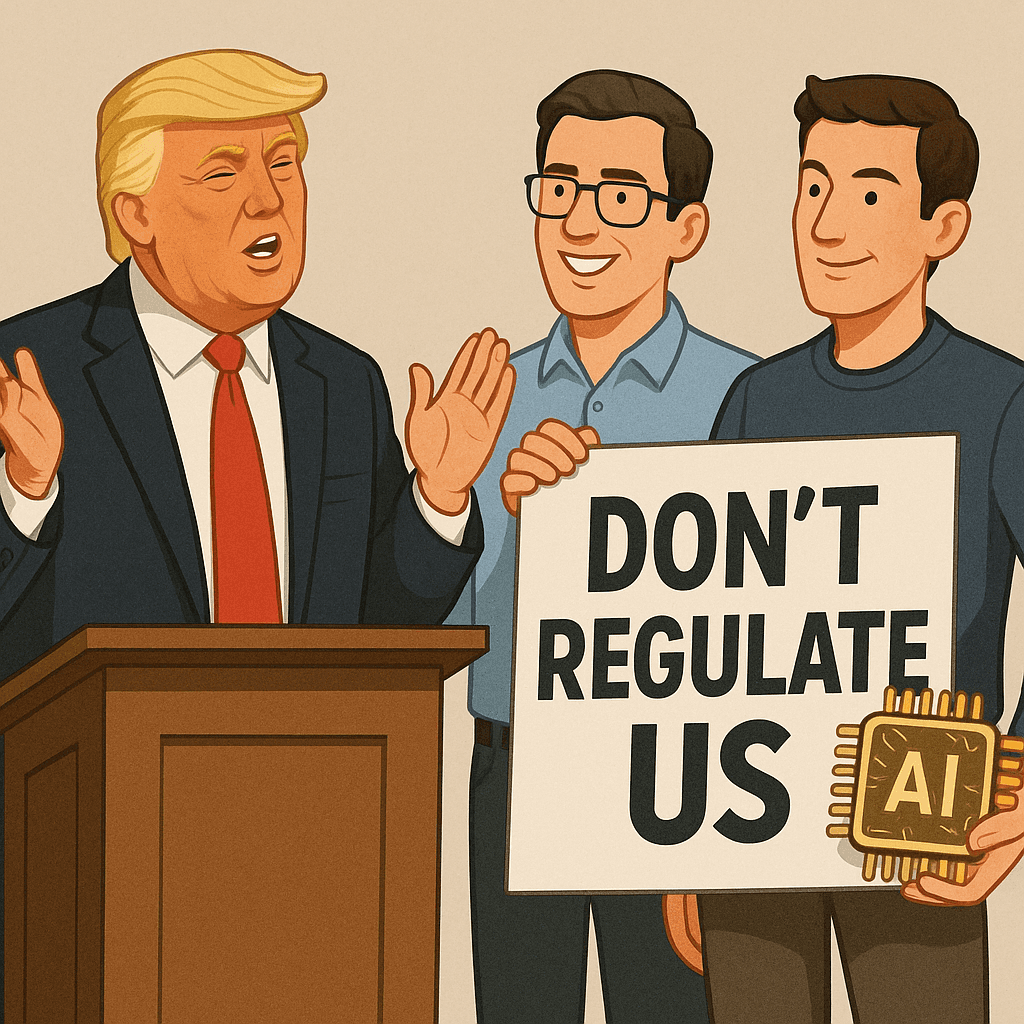
‘Don’t Regulate Us,’ Beg AI Founders Currently Selling Regulation-As-a-Service
Silicon Valley hails Trump’s plan to let AI companies write their own rules, promises to sell those rules back to everyone else by Q4.
Oct 11
Forecast
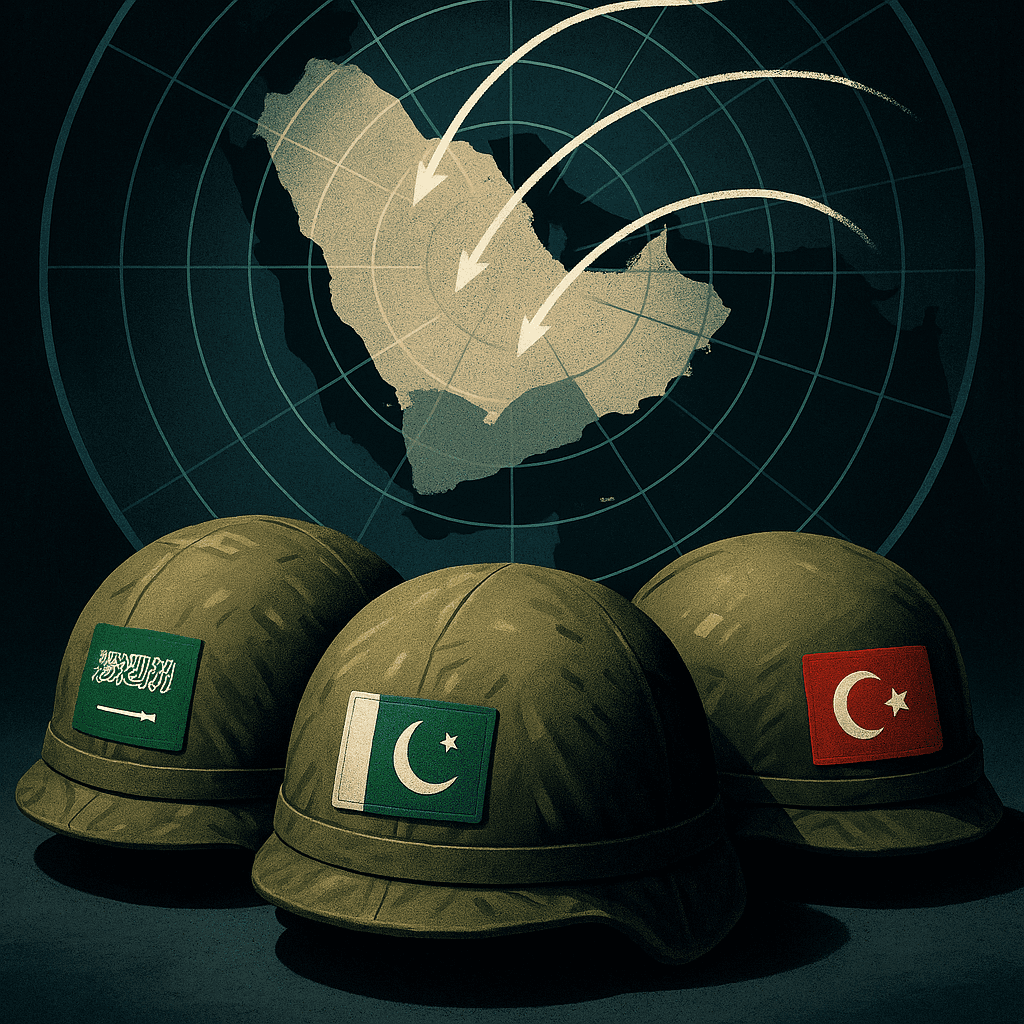
Through December 10, Houthis Won’t Damage Pakistan or Turkey Infrastructure
The Mecca Defense Pact just put two more flags on the Saudi firing chart. The consensus panic says this widens the war within weeks. The signal says the Houthis will talk big, hit Saudi and the sea, and leave Pakistan and Turkey’s hard targets alone for this 60 day window.
Comments
Be the first to comment.