By Sept. 4, U.S. And Canada Will Still Lack Tariff Deal
No new, signed trade framework by Sept. 4 that actually switches off Trump’s 50% tariffs on Canadian goods.
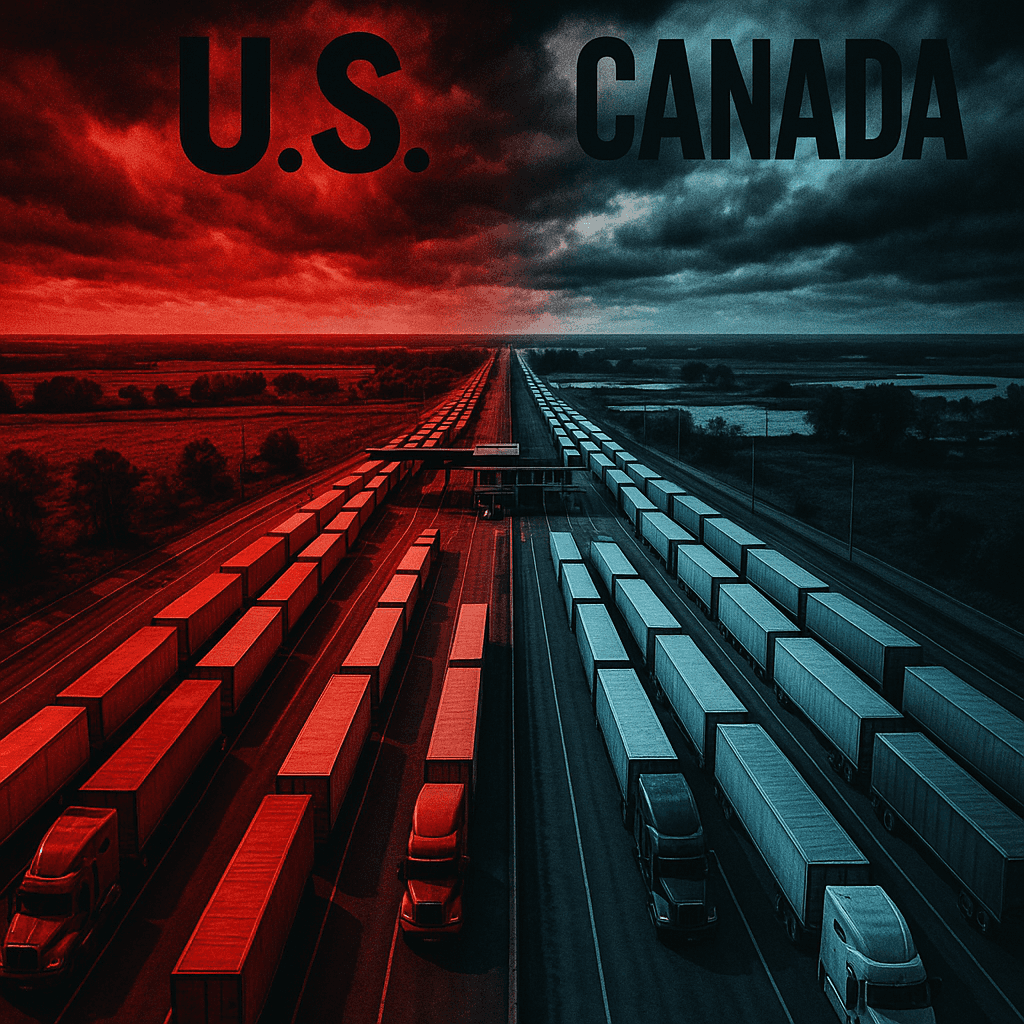
The tariffs already happened. The deal will not.
My call: through Sept. 4, there is no announced, initialed U.S.–Canada trade agreement that clearly lays out how Trump’s new 50% Section 338 tariffs get lifted. You might get rumors, task forces, maybe a lovingly choreographed photo of negotiators walking into a room. Not a real, scorable framework that turns the tariff machine off.
The consensus story is that both sides are staring into the abyss of a North American trade war and therefore a deal is inevitable and fast. The signal says something less cinematic. It says both capitals still think they are playing chicken in a parking lot, not steering a semi toward the cliff while the G7 finance ministers ride in the trailer with folding chairs and a bad PowerPoint.
The Standoff: Tariffs First, Talks Later
Start with the facts that already hurt. On Aug. 22, the U.S. slapped an extra 50% tariff on a chunk of Canadian imports under Section 338 of the Tariff Act of 1930. That is on top of existing duties. Canada hit pause on trade talks, drew up a retaliation list featuring seafood and consumer goods, then quietly backtracked on some of it once Ottawa realized "lobster diplomacy" mostly punishes its own coastal politics.
Canada’s ambassador in Washington has now set a public red line: no deal unless it explicitly preserves a "robust" Canadian auto assembly and parts industry. Trump, meanwhile, is selling the tariffs as a morality play where Canada must be "taught" a lesson. This is not the starting posture of two sides that are a week away from mutually agreed legal text.
The tariffs are brand new, the talks are suspended, and everyone is still getting their press releases in order. That is not a deal environment, it is a posture environment.
The Drivers: Why Seven Days Is Fantasy
To beat my forecast, Trump and Ottawa would have to compress months of politics and drafting into one news cycle. Here are the three big reasons that is unlikely.
1. The auto red line is real, not rhetorical.
The Canadian ambassador did not just talk about "protecting jobs." She said flatly that Canada cannot accept any trade deal that does not ensure the survival of a robust auto industry. That means binding language on rules of origin, investment, or side letters that firms and unions can point to when they decide where to build the next plant.
Serious auto text is not something you bang out between cable hits. It takes precise rules, legal vetting, and corporate sign off. You do not get from "talks are suspended" to "we have a signed framework that guarantees auto" in seven days unless the text is already finished and secretly sitting in someone’s inbox next to the unused climate chapter. The public reporting does not look like that world.
2. Washington’s ask list is still a buffet.
On the U.S. side, dairy groups are treating the 50% tariff as a crowbar to reopen old USMCA grudges. Others want tougher customs enforcement, maybe tweaks on digital, maybe leverage on Canadian industrial policy. When your demand set is still being crowdsourced by lobbyists, you are not at the "final bracketed text" stage.
The Trump team loves leverage and loves optionality. A huge, vague tariff program that can be dialed up or down, sector by sector, gives them both. A narrow, clearly written deal that switches tariffs off in exchange for a short list of concessions gives them less. It is hard to see them abandoning the bigger toy in under a week.
3. The pain is rising, not yet intolerable.
Retailers are blocking some cross border orders and scrambling pricing. Equipment distributors and farm groups are warning about higher costs. Automakers are starting to say the quiet part out loud: new investments are on hold while the trade war looks like more than a tantrum.
But this is still the "warning flare" phase, not the "plant shuts down on Friday" phase. Michigan politicians are nervous, not mutinous. Trump’s allies are not breaking ranks in public. Without imminent layoffs or empty shelves to blame on tariffs, the political imperative is to look tough, not to cut a compromise that angers your base and your sound bites.
What You Might See Instead
If you squint, the next week is tailor made for fake resolution. Lots of motion, very little outcome. Watch for these moves that feel like a deal and are not one.
- Scheduled talks. A joint note that formal negotiating rounds will resume after Labor Day. Great photo op, zero change to the 50% tariff schedule.
- Exemptions and carve outs. Commerce quietly approves exclusions for politically sensitive parts or consumer goods so some companies hurt less, while the legal structure of Section 338 stays untouched.
- Nice words about "progress." Parallel statements about constructive dialogue and a shared commitment to North American competitiveness that carefully avoid the sentence "the 50% tariffs will be lifted under this new agreement."
All of that fits neatly inside my call. It is not a signed, nameable bilateral trade agreement with clear, binding tariff off language. It is triage with better lighting and a commemorative lapel pin.
The Thin Path to Being Wrong
There is a world where I eat this column. In that world, two things happen very fast.
First, Michigan melts down. Polls swing, auto CEOs go on local TV with plant names and headcounts, and Senate candidates who embraced tariffs begin to panic on camera. Second, Trump decides that a quick "beautiful new deal with Canada" is better TV than a slow burn of headlines about lost jobs and higher prices.
If backchannel talks are further along than anyone admits, the two governments could slap their signatures on a thin framework that links specific Canadian concessions, probably in dairy and enforcement, to a stepwise suspension of the 50% tariffs. They would call it the dawn of a new, more balanced partnership. Lawyers would wince. Markets would cheer anyway.
That is the low probability branch I am betting against: a sudden collision of bad polling, coordinated industry lobbying, and Trump’s desire for a banner headline, all within days.
Stakes: When Short Term Leverage Becomes Long Term Geography
The reason this week matters is not that tariffs flick on or off like a light switch. It is that traders and executives are staring at the calendar and asking a simple question: Is this a tantrum, or is this policy?
Hold the 50% tariffs in place long enough and companies start rewiring supply chains. Auto parts that used to cross the Detroit River three times may start getting sourced domestically or from Asia. Canadian exporters who can find other markets will try. Small firms will not come back once they have paid the sunk cost to leave.
That is the quiet catastrophe of every modern trade war. You think you are creating leverage, you end up creating new geography.
In a sane world, both governments would want to shut that process down quickly. In this world, they would prefer to spend one more week proving they are not the ones who blinked.
So no, I do not expect a real deal by Sept. 4. I expect statements about friendship, continued tariffs, and two neighbors insisting they are closer than ever as they throw bricks through each other’s windows. North American integration had a good run. Next week, it gets another press release.
Around the Shallot
Stay in the same broken universe.
Forecasts, satire, cartoons, and quizzes should feel like one publication, not disconnected tabs.
Tech
‘Don’t Regulate Us,’ Beg AI Founders Currently Selling Regulation-As-a-Service
Silicon Valley hails Trump’s plan to let AI companies write their own rules, promises to sell those rules back to everyone else by Q4.
Oct 11
Forecast
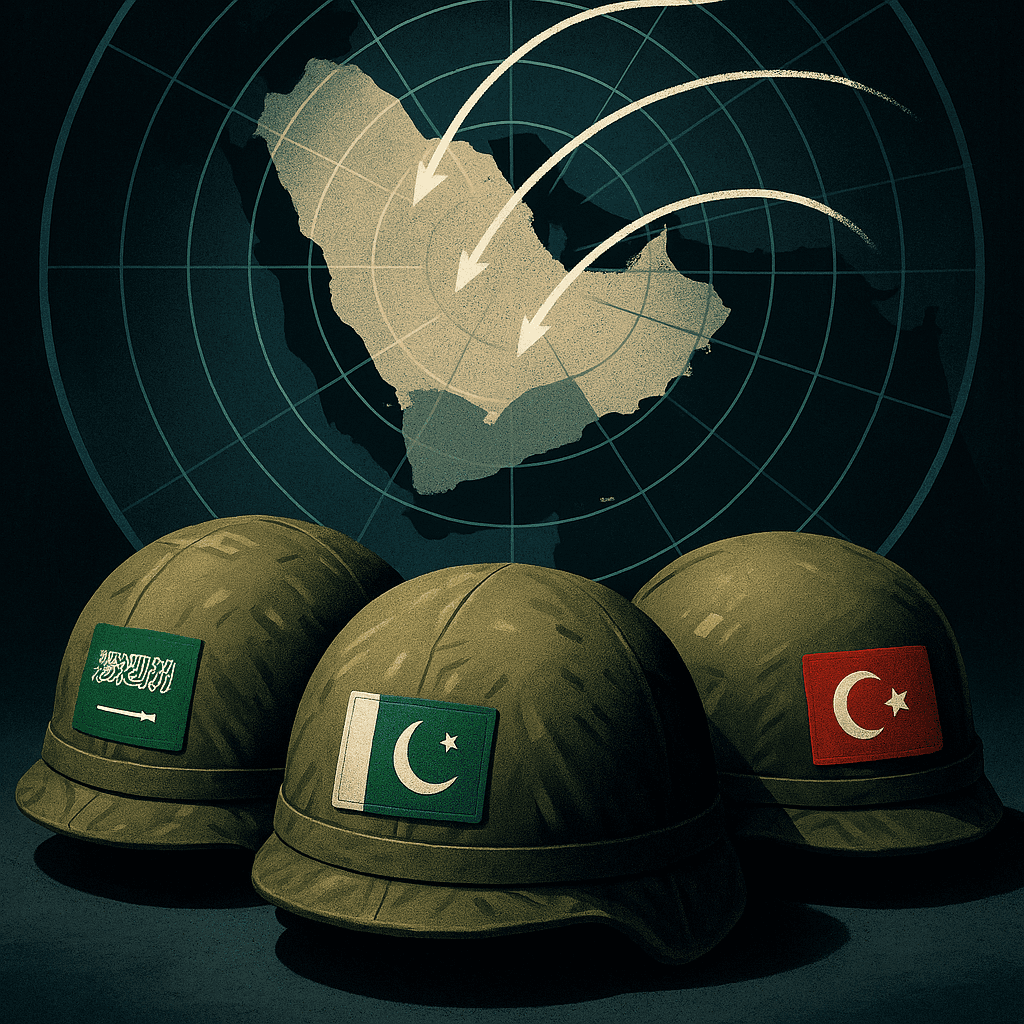
Through December 10, Houthis Won’t Damage Pakistan or Turkey Infrastructure
The Mecca Defense Pact just put two more flags on the Saudi firing chart. The consensus panic says this widens the war within weeks. The signal says the Houthis will talk big, hit Saudi and the sea, and leave Pakistan and Turkey’s hard targets alone for this 60 day window.
Comments
Be the first to comment.