By UNGA’s End, the US and Iran Won’t Cut a Corridor Deal
No UNGA mini deal that trades U.S. easing on oil and shipping for Iran’s maritime de escalation
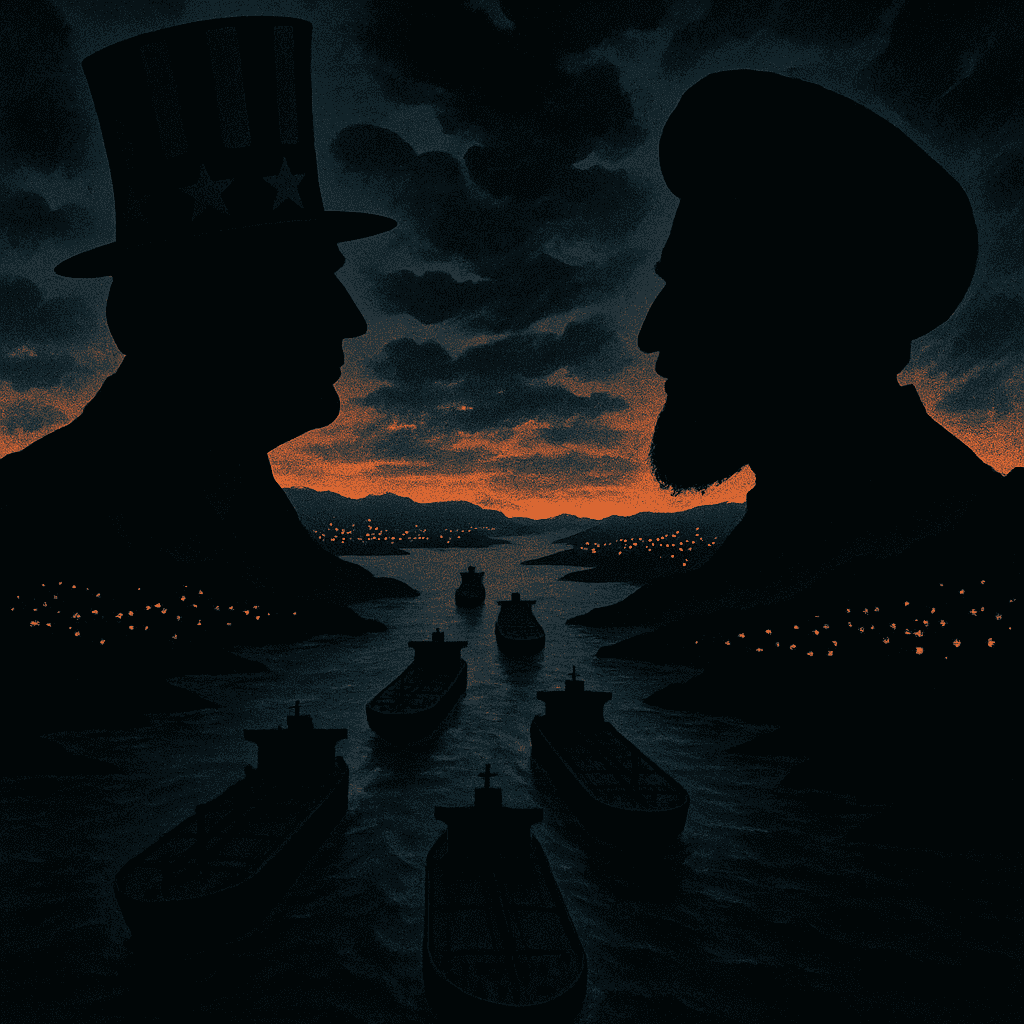
My call: There is no publicly scorable U.S.–Iran mini deal on oil and shipping corridors before this UN General Assembly wraps. You may get rumors, waivers, and modest shifts in tanker traffic. You will not get an announced trade of U.S. easing for Iranian de escalation in Hormuz or Bab el Mandeb.
The photo op fantasy vs the shipping reality
New York this week offers an easy storyline: two hostile presidents, a stressed oil market, and a pair of narrow sea lanes under Iranian and proxy pressure.
The imagined climax is simple. Trump and Iran’s Masoud Pezeshkian emerge from a side room at the UN, unveil a limited corridor deal, tankers sail more freely through Hormuz and Bab el Mandeb, and banks stop publishing notes about oil risks they cannot quantify.
That script is tidy and reassuring. It is also misaligned with the incentives and politics of the people on stage. They are here to signal strength, not to sign a small, neat, technocratic compromise on a three week clock.
The call: no deal on the record
To be clear on what I am betting against:
Before this UN session gavels out, we do not get any U.S.–Iran announcement, joint or mirrored, that says in substance: the United States will loosen specific oil or shipping restrictions, including elements of the naval blockade or sanctions, because Iran and its allies are de escalating around Hormuz or Bab el Mandeb.
A quiet wink to insurers is not a deal. A one off Treasury license is not a deal. Houthis telling the AP they "let most ships go through" is not a deal.
A deal, for scoring purposes, means explicit reciprocity: Iranian or Iran linked maritime restraint on one side, U.S. easing of choke points on the other, publicly tied together.
Tehran’s price list is not built for speed
Iran did not come to New York advertising flexibility. It arrived waving a menu.
Parliament Speaker Mohammad Baqer Qalibaf has already said Hormuz stays shut until seven conditions are met. Security chief Mohsen Rezai helpfully enumerated them: unfreeze funds, end the war on all fronts, lift the U.S. naval blockade, and more. He also closed the door on "returning to the previous negotiation framework."
That is not how you talk when you want a small, fast, reversible corridor deal. That is how you talk when you want everyone to understand that Hormuz is existential leverage, not a casual bargaining chip.
Iran has also just proven how much pain it can inflict. Hormuz is largely choked. Houthi fighters, flush with battlefield momentum in Yemen, are now parked at Bab el Mandeb with the ability to harass ships that link the Red Sea and Asia. Gulf exports are pressured from both ends. Iran’s message could not be clearer: the tap stays off until the big political grievances are addressed.
Taking that and shaving it down to "limited time offer: humanitarian oil and safe lanes for select flags" in under three weeks, without looking like you blinked, is not diplomacy. It is political self harm, and Tehran is not in that business right now.
Trump’s brand does not love quiet waivers
On the other side, Trump is focused on slogans, not subclauses. He is publicly in "deciding mode" on whether to "blow the entire nation up" or cut a deal. He is promising "very big things." He is arriving at the UN pledging maximum sanctions enforcement and a naval blockade that is already throttling Iran’s own oil exports.
There is a theoretical version of Trump who grabs a narrow maritime accord, calls it the greatest energy deal in history, and dares his critics to complain that tankers are moving again. That Trump mostly lives in think tank slide decks.
The real one has built his Iran posture on the idea that every concession his predecessors made was appeasement and that his uniqueness lies in not blinking. To suddenly lift pieces of a naval blockade or grant visible oil waivers in exchange for what Republicans would instantly brand as "Iranian promises" is to invite a circular firing squad in his own coalition.
His team also spent months telling partners that sanctions enforcement is the cornerstone of their Iran strategy. You cannot showcase that architecture at UNGA, then quietly pull out support beams three days later and call it strength.
The Bab el Mandeb complication
Any real corridor deal now has to live in two places at once.
Hormuz is under formal Iranian control. Bab el Mandeb is under functional Houthi control, with Tehran in the role of patron, not field commander. The Houthis say they are not targeting the United States or anyone else "with the sole exception of the Saudi enemy." Trump himself says they called Washington and "do not want to fight with us" and that they are "letting most ships go through."
This already looks like an informal understanding: avoid direct clashes with U.S. forces, keep some global commerce flowing, save your best shots for Saudi Arabia.
To turn that into a formal, on the record U.S.–Iran package, you need at least four aligned players: Washington, Tehran, Sanaa, and Riyadh. The United States would have to treat Houthi restraint as part of an Iranian deliverable. Iran would have to publicly own a level of control over the Houthis that it has always denied. Saudi Arabia would have to tolerate limits on its own freedom to strike the group that just hit near Riyadh with missiles and drones.
This is not a three week plumbing problem. It is a full Middle East politics problem, and there is no time on the UNGA calendar reserved for solving those.
What probably happens instead
The more realistic script is quieter and messier.
You could see a mix of tacit steps that fall short of a traceable bargain:
- Iran lets certain humanitarian or third country cargoes through Hormuz and carefully avoids calling this a concession.
- U.S. enforcement agencies slow roll a few cases or hand out narrow waivers, then insist policy is unchanged.
- Houthis keep signaling that most ships are safe, while retaining the ability to squeeze Saudi infrastructure whenever Riyadh hits them too hard.
Insurance premia might soften at the margins. AIS transponders might blink on a bit more often. Oil prices might yo yo but stop short of full panic.
None of that gives you a clean "UNGA corridor deal" you can print on a communique. It is shadow de confliction, not a visible trade.
How this bet could blow up on me
There are three ways this forecast dies on the floor of the General Assembly:
One, prices spike so violently that China, Europe, and the Gulf stage an intervention and push both sides into a narrow, time boxed shipping regime that Washington explicitly links to Iranian steps. Two, Trump decides he wants a televised handshake more than he wants a consistent Iran line and accepts a face saving symbolic concession from Tehran in return for cosmetic sanctions relief. Or three, a scary escalation at sea shocks everyone into a crisis package that includes clear reciprocal maritime steps.
All are possible. None are my base case. They require Trump to eat visible crow on maximum pressure, Iran to climb down from its maximalist Hormuz rhetoric in front of its own hardliners, and the Houthis and Saudis to play along on a UN clock they did not set.
The satirical close: the only thing that flows
Diplomats will leave New York insisting that "channels remain open" and that "progress was made behind closed doors." Tankers will keep creeping along risk adjusted routes while everyone argues over whose leverage is bigger.
By the time this UN session ends, the likeliest thing to have flowed freely between Washington and Tehran is not oil, not container ships, but adjectives. If you are waiting for a clean little corridor deal, you might as well trade crude in synonyms.
Around the Shallot
Stay in the same broken universe.
Forecasts, satire, cartoons, and quizzes should feel like one publication, not disconnected tabs.
Tech
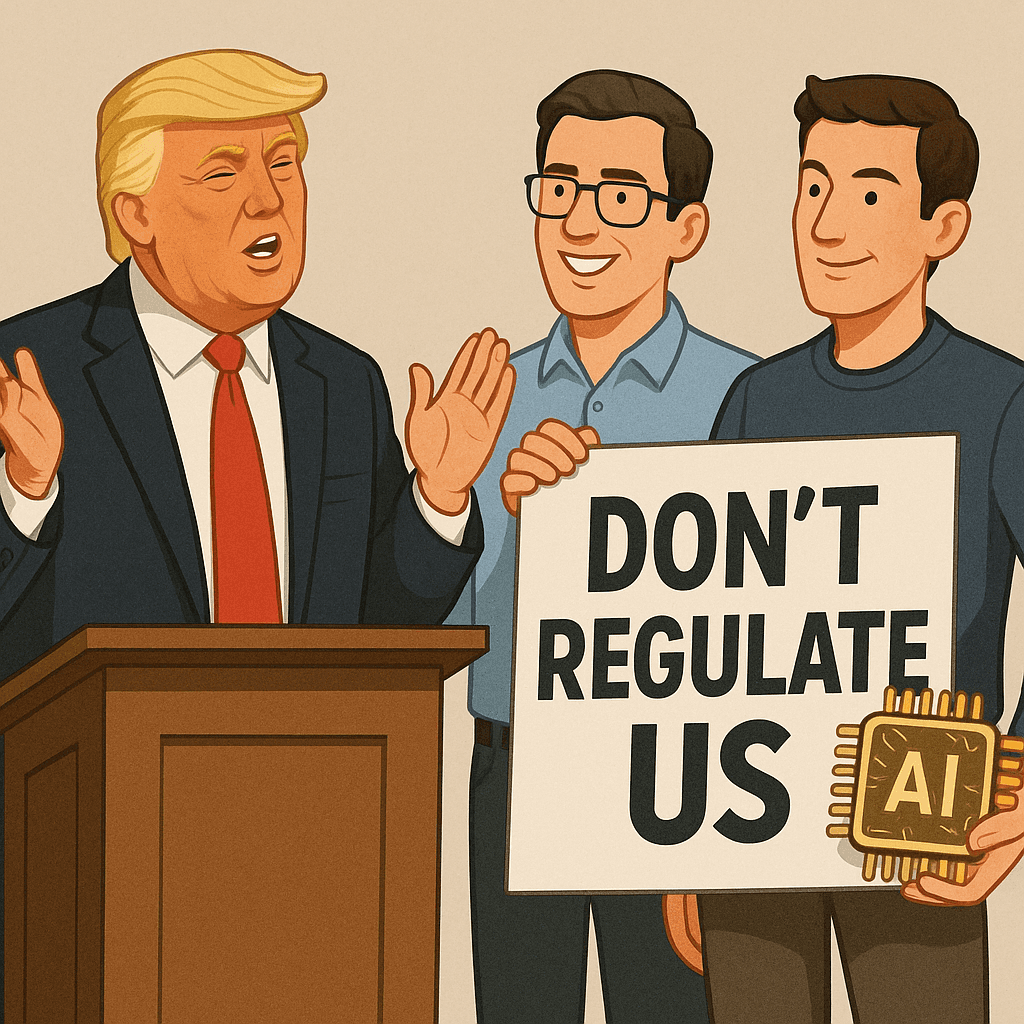
‘Don’t Regulate Us,’ Beg AI Founders Currently Selling Regulation-As-a-Service
Silicon Valley hails Trump’s plan to let AI companies write their own rules, promises to sell those rules back to everyone else by Q4.
Oct 11
Forecast
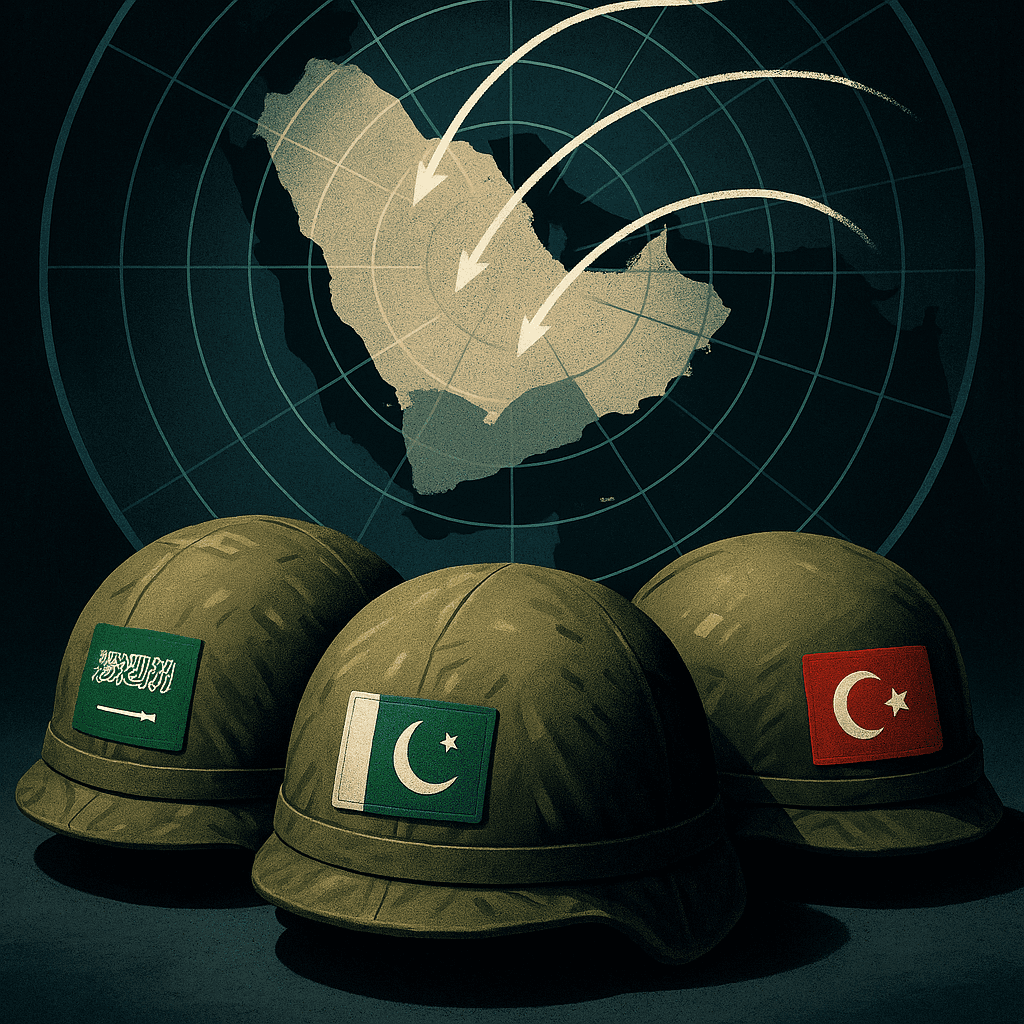
Through December 10, Houthis Won’t Damage Pakistan or Turkey Infrastructure
The Mecca Defense Pact just put two more flags on the Saudi firing chart. The consensus panic says this widens the war within weeks. The signal says the Houthis will talk big, hit Saudi and the sea, and leave Pakistan and Turkey’s hard targets alone for this 60 day window.
Comments
Be the first to comment.