One YouTube Tea Channel Will Land A Major Streamer Deal By 2027
My call: at least one tea-channel brand makes the leap to a major streamer or cable net before the ball drops on 2027.

The bet: one tea channel gets a real show
The consensus story says YouTube commentary creators will be strip‑mined for vibes while Hollywood builds its own sanitized versions. My read: at least one of the actual gossip brands, Spill Sesh or a close cousin, gets its name on a real show order by the end of 2027, and the club stays tiny.
To score it cleanly: by December 31, 2027, a major US or UK subscription streamer (Netflix, Max, Hulu or Disney+, Prime Video, Peacock, Paramount+) or a top‑25 cable network announces or airs a first‑run unscripted series or recurring branded segment where a YouTube‑born pop culture commentary channel is the core IP. The existing channel name or persona is on the tin, not buried in the credits. And we see this happen for at least one and no more than three such brands.
If streamers only copy the style or bury creators inside generic panels, this forecast loses. If gossip TV becomes Marvel Phase Five and everyone gets a show, it also loses. I am betting on a small, experimental pipeline, not a gold rush.
We have seen this movie before, on VHS
Video Music Box looked like a side quest when Ralph McDaniels started it in 1983. Low‑budget, hyper‑targeted, basically a local public access love letter to hip‑hop videos. Then cable executives noticed something uncomfortable. The kids were already living in that world. MTV eventually caught up, picked up the aesthetic, and turned "niche rap show" into the center of youth culture.
Today, tea channels are the Video Music Box of internet drama. If you follow celebrity culture, you do not watch the incident, you watch the commentary: the Tana/Shane/Morgan/Trisha sagas, the latest TikTok cheating scandal, the influencer who weaponized her Notes app. The gossip narrators are the product. The scandals are just raw material.
Legacy media is already reacting the way it always does when it realizes it has lost the conversation. First it ignores, then it quotes tweets on air, then it tries to build a studio version with a glossier set and all the charisma of a risk‑management memo. We are somewhere between stages two and three.
Why a streamer needs a tea brand on the menu
The business case is brutal and simple. Scripted budgets are bloated, growth is stalling, and Warner Bros. Discovery is happy to shove the Tour de France behind a Max paywall at more than 25 pounds a month just to see if cycling obsessives will follow. They will. They did. TNT Sports grew Tour viewership once the free‑to‑air rival vanished. The new playbook is niche but possessed audiences that sell themselves.
Tea channels are that, but for culture. They deliver:
- Young, globally scattered viewers who are already trained to watch 20 to 40 minute breakdowns.
- Repeat visitation whenever some influencer melts down on a Tuesday.
- Built‑in marketing machines. Every creator mentioned becomes an unpaid street team.
For platforms, this is the dream: cheap sets, a couple of charismatic hosts, some editors, and legal. No writers room with twelve people arguing over whether a dragon would really say that. A commentary show can be turned around quickly, clipped for TikTok, and used to juice conversation about the streamer’s own reality and docu‑series slate.
On the other side, creators are more exposed than they admit. YouTube ad rates whipsaw, policy changes land without warning, and a single guideline tweak can vaporize a third of a channel’s income. If you are building a career on monetized outrage, your landlord is the algorithm. A streamer check with real IP language suddenly looks less like selling out and more like buying health insurance.
The friction: gossip hates lawyers, lawyers hate gossip
Here is why this will not become a giant pipeline. Gossip content is structurally allergic to corporate risk tolerance.
Tea channels win on speed, speculation, and messy parasocial energy. Streamers win on not getting sued into jelly. Put those incentives in a room and you get a compromise: slower, more vetted, more general "pop culture" than scorched‑earth drama. That is still telegenic, but it dulls the knife that made these channels huge in the first place.
There is also the scale problem. A Spill Sesh type channel may feel omnipresent on your For You page, but from a scheduler’s point of view it is a medium‑sized niche. Enough fans to fill a Discord, not necessarily enough to anchor Thursday night worldwide. And many of those fans already get hours of the product free on YouTube. Convincing them to follow the host behind a paywall for a more diluted version is not a slam dunk.
Finally, executives can copy the format without cutting the creator in. Fast‑cut editing, TikTok receipts on screen, hosts reading Reddit threads in a neon set. Hire clean‑background presenters, own the IP, avoid sharing backend with some person whose old tweets might be a war crime. From a spreadsheet view, this is tidy. From a cultural view, it is how you end up with the E! News version of internet beef. Polite, well lit, immediately forgotten.
The narrow path to one breakthrough
So what actually tips one of these brands into TV or a major streamer slot by 2027?
First, a candidate emerges with more than a faceless avatar. Streamers want a persona they can put on a billboard, even if the format credit goes to the channel name. A Spill Sesh equivalent with a visible, controllable host who can do press, late night appearances, and live events has a cleaner path than a disembodied voice over stock B‑roll.
Second, representation gets organized. When WME or CAA starts quietly pitching "unscripted social drama recap with [Channel Name]" and trades report a development deal that explicitly name‑checks YouTube or TikTok drama, that is the starter pistol. Watch for anthology docu‑series around creator scandals that use commentary creators as on‑camera narrators. The first one that tests well gets spun into a recurring franchise.
Third, streamers will want a bridge between their own shows and the internet’s circus. Think: a weekly Max or Netflix panel built around unpacking that platform’s reality franchises, but smuggled in under the aesthetic of a tea channel. The creator drama storylines become the seasoning, not the entire stew. That is how legal sleeps at night, and how marketing justifies the spend.
In that world, at least one commentary brand gets to keep its name, its logo, and top billing. It will be framed as "the internet comes to TV," heavily clipped back to social, and treated as a test of whether Gen Z will open a streaming app for something that looks dangerously like the YouTube tab they already had open.
It will not open the floodgates. It will, however, give every other gossip creator a new kind of thumbnail: the one where they react to their rival’s shiny new show.
Scorecard for 2027 Cassandra
To resolve this cleanly, here is what counts as a hit: at least one YouTube‑born pop culture commentary brand in the Spill Sesh or "tea" lane has, by December 31, 2027, a first‑run unscripted series or recurring branded segment ordered by a major US/UK streamer or top‑25 cable net. The show title, marketing, or logline foregrounds the existing channel name or on‑screen persona as the core IP, not as a background panelist. Total count of such deals is between one and three.
If no such brand crosses that bar and we only get network‑designed knockoffs, this column is wrong. If Hollywood turns tea channels into the new Real Housewives and signs five or more of them, I am also wrong, and we all get to live inside a group chat with a content budget.
Until then, assume the future looks like this: one tea channel gets a streamer show, three lawyers get ulcers, and the rest of the internet gets a new thing to make reaction videos about.
Around the Shallot
Stay in the same broken universe.
Forecasts, satire, cartoons, and quizzes should feel like one publication, not disconnected tabs.
Tech
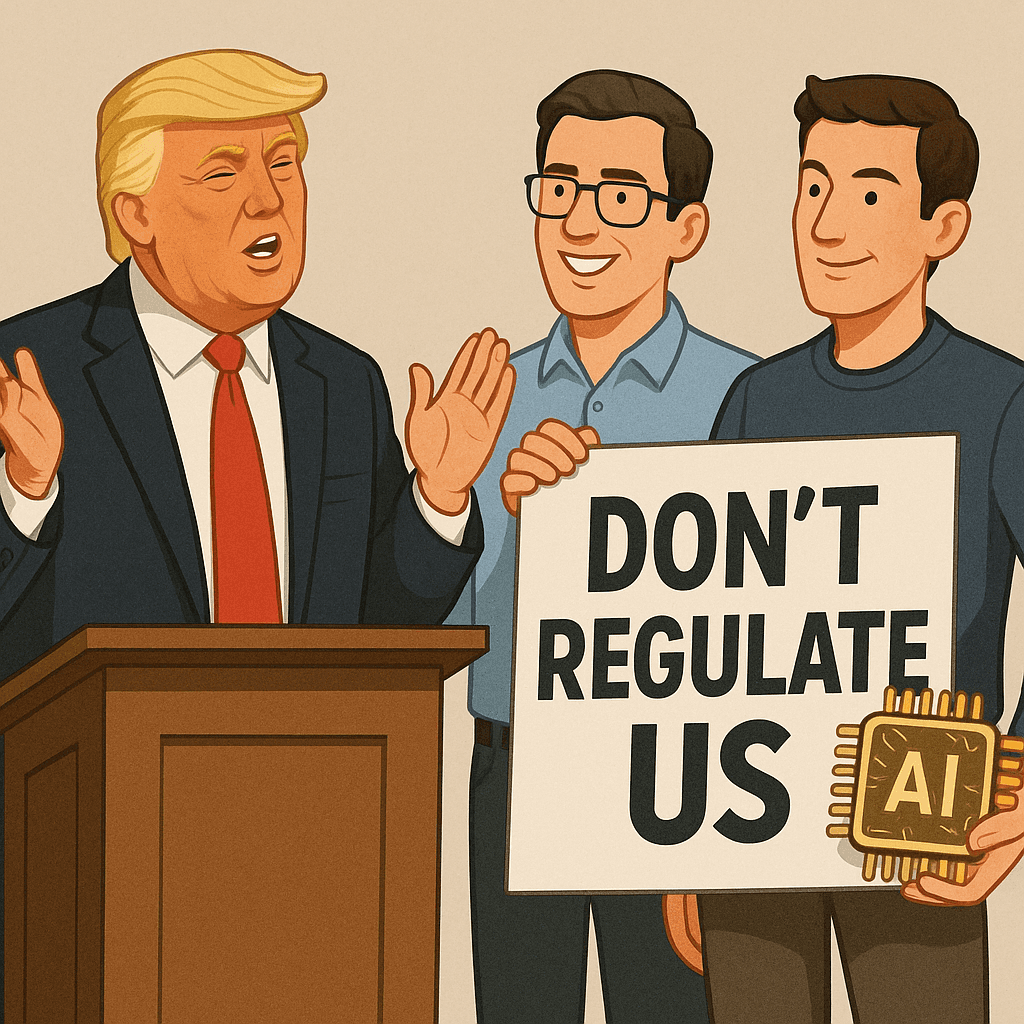
‘Don’t Regulate Us,’ Beg AI Founders Currently Selling Regulation-As-a-Service
Silicon Valley hails Trump’s plan to let AI companies write their own rules, promises to sell those rules back to everyone else by Q4.
Oct 11

Forecast
Through December 10, Houthis Won’t Damage Pakistan or Turkey Infrastructure
The Mecca Defense Pact just put two more flags on the Saudi firing chart. The consensus panic says this widens the war within weeks. The signal says the Houthis will talk big, hit Saudi and the sea, and leave Pakistan and Turkey’s hard targets alone for this 60 day window.
Comments
Be the first to comment.