Trump Will Approve The 60‑Day Hormuz Ceasefire And Shipping Deal
My call: Trump signs the 60‑day Hormuz ceasefire deal, then sells it as ‘maximum pressure that works.’
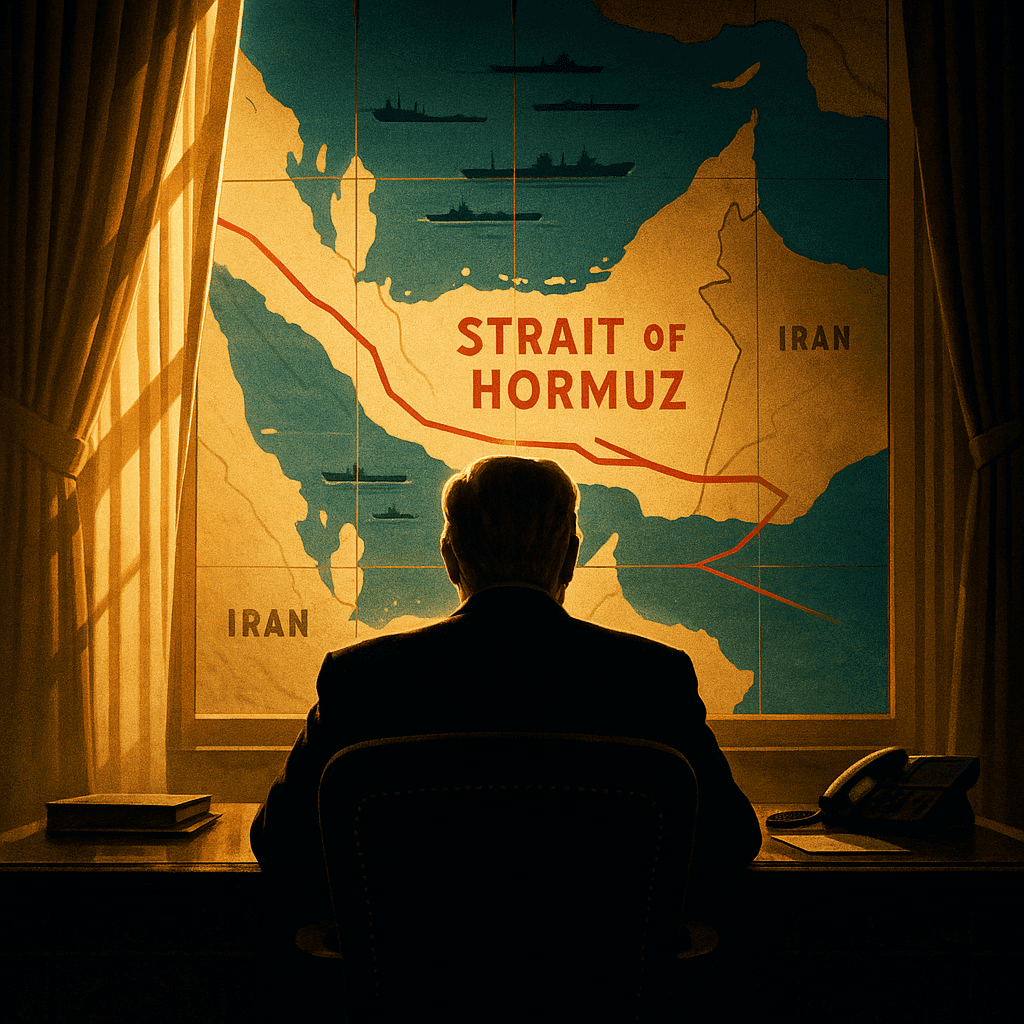
Donald Trump is staring at a choice that fits perfectly on a bumper sticker: cheaper oil or cheaper talk.
On one side, there is a draft memorandum of understanding that extends the U.S.–Iran ceasefire 60 days and reopens the Strait of Hormuz to unrestricted shipping while nuclear and sanctions talks finally get out of the group chat. On the other, there is "option B," his phrase for renewed strikes and a shuttered chokepoint for a fifth of the world's oil.
My call: he signs the deal, then spends the summer bragging that Tehran begged for mercy.
The Bet, On The Record
Let us be concrete enough that we can eat crow later.
Forecast: By June 30, 2026, Trump approves a U.S.–Iran memorandum that does two core things: formally extends the ceasefire for 60 days and authorizes reopening Hormuz to what the draft calls "unrestricted" commercial shipping, with Iran clearing mines and ending tolls and harassment. Language on sanctions relief and frozen assets gets massaged, sequenced, or punted, but the shipping and ceasefire pillars survive intact.
If we have a signed or clearly documented presidential decision by June 30 that locks in those two commitments, this verdict is a hit. If we get only vibes, back channel understandings, or a half hearted relaxation of the blockade without a formal 60 day extension and explicit reopening of Hormuz, it is a miss.
Why The Smart Money Is On A Signature
The consensus script says Trump could do anything, so you cannot possibly call it. That is not analysis. That is superstition with better fonts.
Here is what actually constrains him.
First, the policy work is already done. Axios, the BBC, Haaretz, Reuters via Global Banking and Finance Review, and the New York Times all converge on the same architecture. Negotiators have a 60 day ceasefire extension, mine clearance within 30 days, no Iranian tolls or harassment, and "unrestricted" Hormuz shipping on one side. On the other side, a staged end to the U.S. naval blockade, talks on sanctions waivers and frozen funds, and nuclear discussions that include Iran's highly enriched uranium and future enrichment.
This is not a brainstorming memo. It is a finished product parked on the Resolute Desk.
Second, Trump already showed his hand on war risk. Just days ago he told reporters he was an hour away from ordering renewed strikes on Iran and then pulled back after allies leaned on him. That is not the behavior of a president itching to light the Gulf on fire. It is someone who wants maximum leverage, minimal body bags, and a market that does not crash his approval rating.
A 60 day, reversible framework is tailor made for that psychology. He can say he is "testing" Iran, keep option B on the table, and blame Tehran if anything blows up.
Third, Hormuz is not a think tank abstraction. Every day of uncertainty in that strait is money out of the global economy and political risk into Trump's lap. Oil futures, shipping insurance, European exporters, Gulf allies: they all want a clear path through that waterway more than they want one more White House statement about American resolve.
Presidents sometimes ignore markets on principle. Trump treats them as polling with better charts. Keeping Hormuz half blocked or under constant threat for the sake of symbolic stubbornness is not his style when an election clock is ticking.
Fourth, the deal is structured around his favorite talking point: reversibility. Iran clears mines and stops shaking down tankers within 30 days. The U.S. then lifts pieces of the blockade in stages. Nuclear and sanctions talks begin, but no giant upfront payout is hard wired into the timetable.
He can sell that as "we gave them nothing but a chance." If Iran cheats, he gets his escalation back with interest. If they comply, he takes credit for getting them to mothball their HEU "without giving them a dime."
The 'Pallets Of Cash' Trap
There is one real constraint and it has nothing to do with shipping lanes. It lives in Trump's own mouth.
For a decade he has hammered Barack Obama over "pallets of cash to Iran." The New York Times reports that he has told advisers he will not sign any deal that looks like direct cash payments. One White House official even called this mostly a "public relations" problem, which is Washingtonese for "the policy is fine, the talk radio segment is not."
This is where people talk themselves into him walking away completely. If money is toxic and sanctions relief is inevitable, surely he cannot sign anything that includes words like "waiver" or "unfreeze."
Except that he can do sequencing, opacity, and branding. This is a politician who turned the old NAFTA with modest edits into the "USMCA" and then declared historic victory. The hard part for him is not designing a sanctions ladder, it is naming it something that does not rhyme with "Obama."
Options include: push meaningful waivers beyond the 60 day window, bury specifics in side letters, or frame every concession as something Iran only gets after it has performed impeccably on mines and nukes. "We are not paying them, we are charging them a 60 day honesty fee" practically writes itself.
In other words, the pallets of cash line pushes him toward edits, not toward tearing the whole thing up.
The Spoilers And How They Lose
There are real routes to this forecast failing.
Republican hawks and conservative media can frame the MOU as JCPOA 2.0. Iran's security services can lob another rocket toward a U.S. base or stir up mischief in Hormuz. Israel and Gulf monarchies can whisper that any easing of pressure is appeasement in a nicer tie.
Stack all of that on top of Trump's instinct to never look weak and you can draw a plausible path where he stalls past June 30. He asks for "a couple more days" on a loop, the ceasefire decays into tit for tat incidents, and the deal dies of procedural Covid.
I am explicitly betting against that path, for one reason: the costs of owning the collapse are now too visible, and they land squarely on him.
Iran has signaled that it is ready to sign on the current framework. U.S. officials are confirming the contours on background, not denying they exist. Vice President J.D. Vance is on camera saying they are "very close" while adding he cannot guarantee a signature. Allies are openly warning about option B. Markets are pricing in risk with every leak.
If Trump walks, he cannot blame the deep state or anonymous diplomats. This is his decision, in public, in real time, with cameras already trained on the strait. Owning a preventable Hormuz crisis and a self inflicted oil spike is not the kind of chaos he enjoys.
This White House is perfectly capable of catastrophic miscalculation. It is just rarely this easy to see the banana peel before they step on it.
What To Watch Before June 30
A few tells will signal whether this call is aging well or curdling on the windowsill.
- Trump's language. More talk of "great progress," "testing Iran," and "a much better deal than Obama" points to yes. An obsession with "propaganda" and "fake deals" points to no.
- The text leaks. If revisions focus on when sanctions relief might kick in, that still fits a signing path. If they strip out any economic track at all, we are into collapse territory.
- U.S. naval posture. Quiet drawdowns near Iranian ports look like a prelude to implementation. Fresh deployments with cameras invited look like option B limbering up.
- Iranian behavior in Hormuz. Early de facto easing of harassment will give Trump a clip to point to when he claims his pressure worked. New provocations give the hawks a clip to run on loop.
My read of those incentives says we drift toward an announcement of a "tough but fair" 60 day deal that, miraculously, looks almost exactly like the one Axios already published.
The Satirical Verdict
So here is the Prediction Desk verdict on the record.
By June 30, Trump signs a U.S.–Iran MOU that extends the ceasefire 60 days and reopens Hormuz to unrestricted commercial traffic, with mostly cosmetic tweaks to the leaked framework. He declares it proof that only maximum pressure and his personal negotiating genius could make Iran clear its own mines and show up for nuclear talks.
If I am wrong, we will revisit this in July from a world where tankers need combat pay and the president has discovered that you cannot tweet your way around a shipping insurance premium. If I am right, Hormuz will be open, the ceasefire will limp along, and Washington will spend the summer arguing whether a reversible 60 day pause counts as appeasement or just a limited time sale on not blowing up the world.
Either way, at least someone is finally putting a time limit on how long we are supposed to pretend the Strait of Hormuz is a vibes based waterway.
Around the Shallot
Stay in the same broken universe.
Forecasts, satire, cartoons, and quizzes should feel like one publication, not disconnected tabs.
Tech
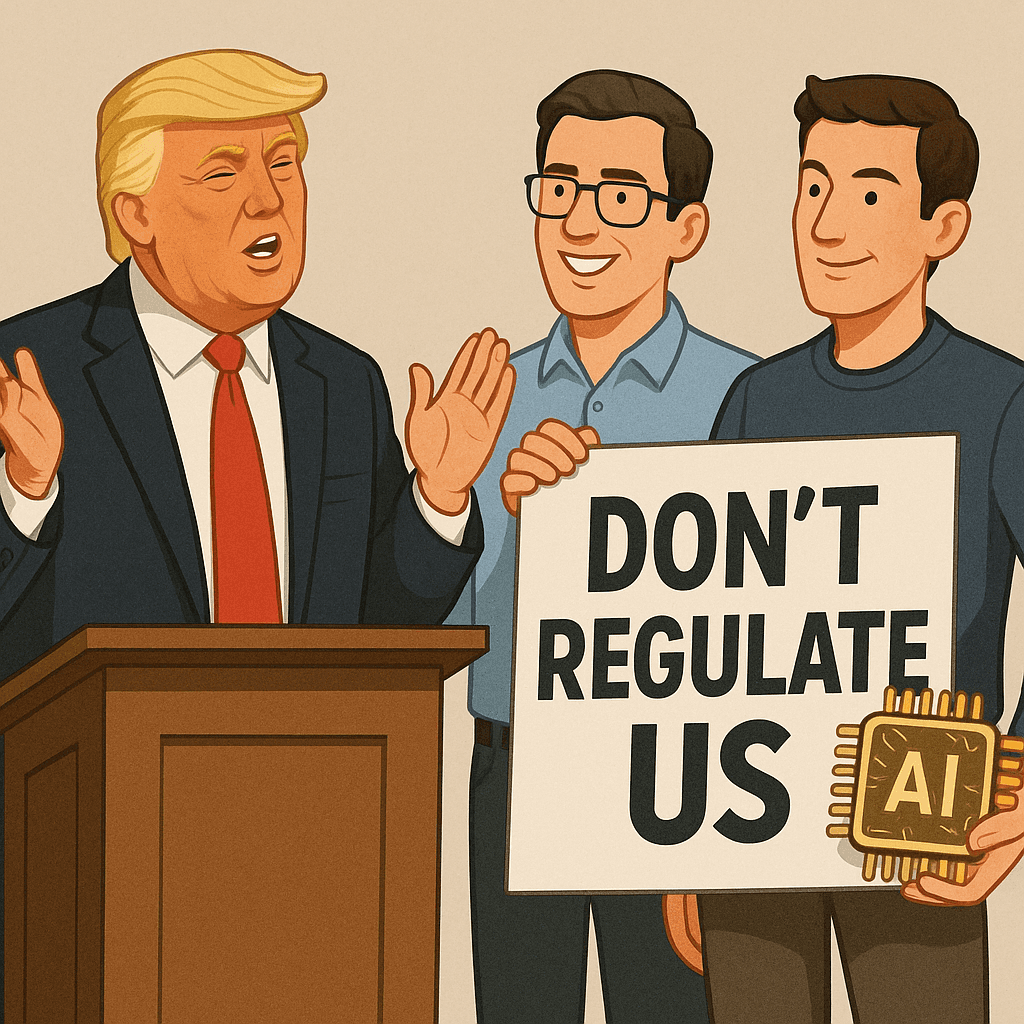
‘Don’t Regulate Us,’ Beg AI Founders Currently Selling Regulation-As-a-Service
Silicon Valley hails Trump’s plan to let AI companies write their own rules, promises to sell those rules back to everyone else by Q4.
Oct 11
Forecast
Through December 10, Houthis Won’t Damage Pakistan or Turkey Infrastructure
The Mecca Defense Pact just put two more flags on the Saudi firing chart. The consensus panic says this widens the war within weeks. The signal says the Houthis will talk big, hit Saudi and the sea, and leave Pakistan and Turkey’s hard targets alone for this 60 day window.
Comments
Be the first to comment.