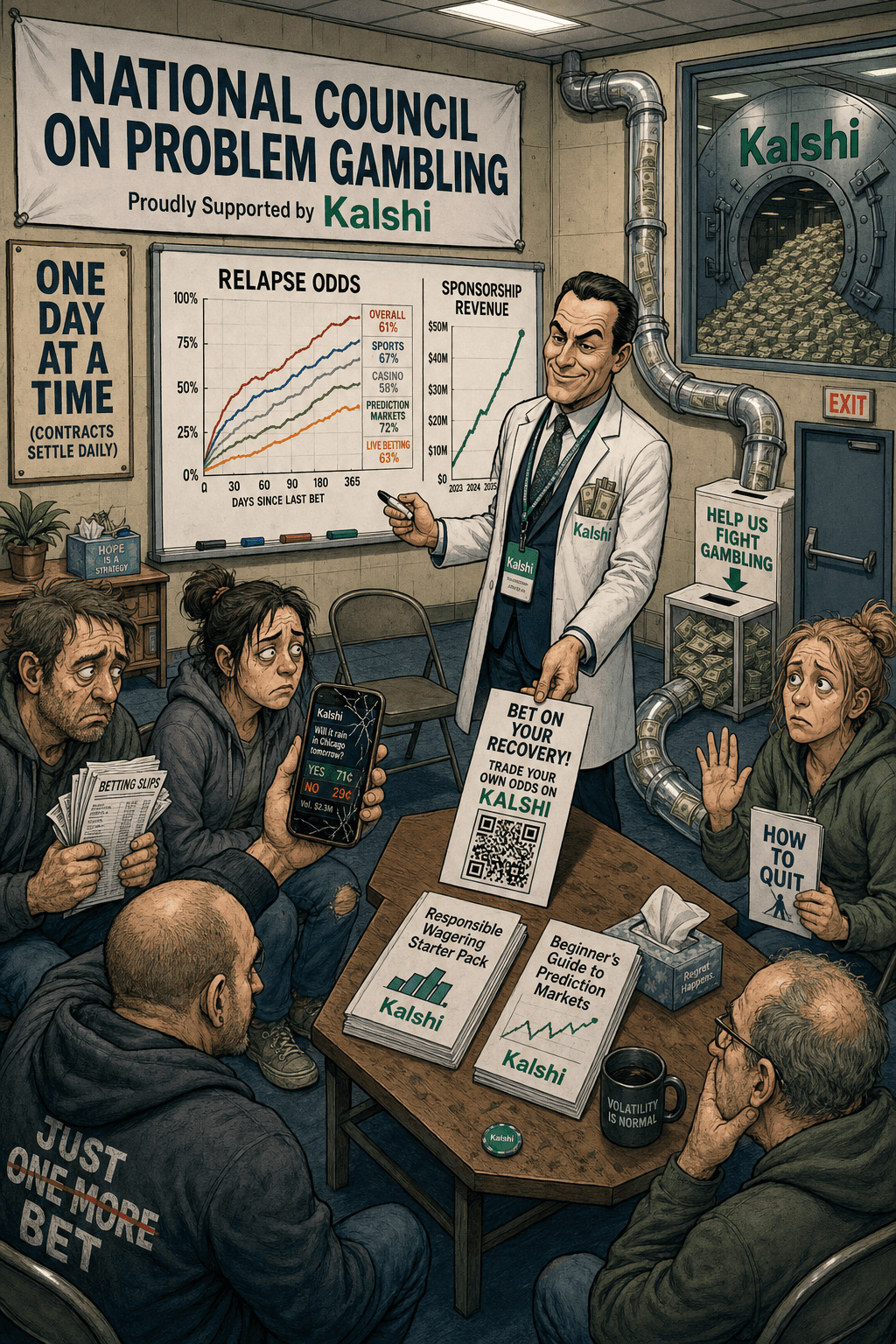
U.S. And Iran Won’t Reach A Formal Cease-Fire By 2026
My call: Washington and Tehran will still be fighting-while-talking on December 31, 2026, with no formal, all-fronts cease-fire on the books.
The cease-fire everyone talks about, and no one actually wants
My call: there will be no formal end-of-war cease-fire between Iran and the U.S. by December 31, 2026. Not the UN-registered kind, not the framed-photo-in-the-Rose-Garden kind, not the "history was made today" chyrons.
We will have what we already have, only better choreographed: a managed war that looks like peace in energy spreadsheets and like war everywhere else.
The optimistic story says the June 17 fourteen point memorandum was a dress rehearsal for a real cease-fire. Sixty days of toll free Hormuz traffic, a loosened blockade, everyone getting used to the feel of lower alert. In that script, the UN’s hard stop on UNIFIL in Lebanon at the end of 2026 is the final-act deadline. The adults in the room pull an all nighter over cold shawarma and stale conference coffee, trade sanctions for shipping lanes, write some creative ambiguity, and we roll credits before Blue Helmets drive south.
The actual story looks harsher: the war has already found its equilibrium, and that equilibrium does not need a treaty. It needs just enough violence to keep the leverage alive and just enough paperwork to keep the tankers moving.
The call: no real cease-fire by New Year’s Eve 2026
Let us plant a flag where you can later check it.
Scorable claim: On December 31, 2026, the U.S. and the Islamic Republic of Iran will not both be party to a mutually acknowledged, written, UN registered or equivalently formal permanent cease-fire that purports to end this war across its main interstate fronts, including the Gulf / Strait of Hormuz and the Lebanon / Israel theater.
Short truces do not count. Technical memoranda that avoid the words "end of war" do not count. A White House press conference bragging about "de-escalation" while Hezbollah and Israeli drones still test each other’s radar does not count.
The consensus bet is that the horror of this six month fight will eventually force something cleaner. My read is closer to the Lawfare and Debuglies view: the system has discovered repeatable, coercive gridlock, and almost everyone important prefers that to a binding peace that would require actual choices.
Driver 1: Washington is in the time buying business, not the peace business
The loudest American rhetoric opened with "unconditional surrender" and regime-change swagger. In practice, U.S. strategy has drifted to something much smaller and more familiar: contain Iran, hurt its economy, avoid sending home body bags.
Look at the behavior, not the adjectives. Naval blockades toggled on and off. Precision strikes on coastal facilities and harbors. Threats from Trump to hit power plants and bridges for every ship attack, but careful avoidance of the kind of campaign that would make NATO lawyers sweat.
This is a punishment strategy, not a transition-to-peace strategy. It works only as long as Washington keeps credible tools in reserve. A permanent cease-fire text, especially one that touches sanctions, proxy activity, and force posture, would do the opposite: it would lock in constraints that future U.S. presidents would hate and that Congress would try to wriggle out of the minute oil is cheap again.
Why trade a flexible, discretionary conflict for a codified end-state that you will be blamed for every time Hezbollah fires a rocket? Much easier to sign narrow, time boxed understandings, declare "major combat operations" reduced, and let the lawyers argue about whether this still counts as a war.
Driver 2: Tehran is playing for survival, and survival does not need a treaty
On the other side, Iran describes this as a war of survival. When you tell your public that the regime’s life is on the line, you do not then cut a neat little deal with the guy who kept violating the last one.
The April cease-fire, the Islamabad memorandum, the June 17 framework: each was hailed in some capital as a breakthrough, then shredded by reality. U.S. strikes during supposed lulls became proof, in Tehran’s narrative, that American commitments are a trap. Iranian harassment of shipping and Hezbollah violations became proof, in Washington and Jerusalem’s narrative, that Tehran only uses talks to reload.
Out of that loop you do not get trust. You get something darker: a shared belief that the other side treats written commitments as another terrain of war. In that world, a grand permanent cease-fire is not a safety net, it is a vulnerability.
Iran also has a story it can already tell at home. The regime is still standing after a showdown with "maximum pressure," it has forced open some oil exports under fire, and it can point to U.S. concessions on language, deployments, and sanctions architecture. Why risk that narrative by signing a document that any future U.S. administration can violate while blaming you?
Driver 3: Hormuz and Lebanon reward managed brinkmanship, not closure
The two structural deadlines that supposedly drive everyone to the table are, perversely, reasons to keep things fuzzy.
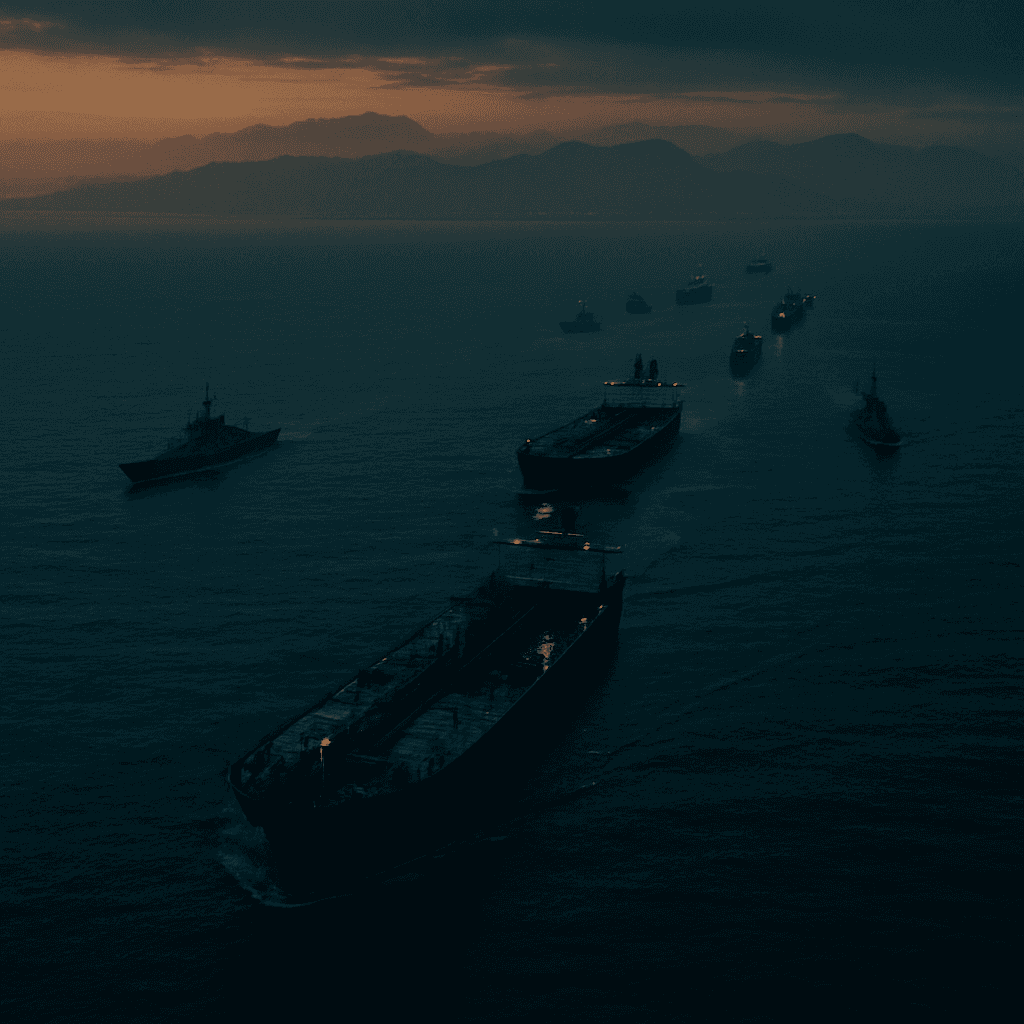
First, Hormuz. Every sane actor needs the oil to flow. Every power in this drama also likes having a finger near the tap. Iran can close, toll, or harass, which terrifies insurers and delights hardliners. The U.S. and allies can surge naval assets and escort convoys, which reassures markets and reminds everyone who still writes the rules of maritime life.
A permanent, heavily monitored, toll free Hormuz regime would cut into that leverage on both sides. Much cleaner for everyone to improvise 30 or 60 day windows like the June memorandum, declare temporary success, and renew them as needed. It looks responsible, it calms spot prices, and it avoids explaining to domestic audiences why you just signed away your favorite pressure tool.
Then Lebanon. UNIFIL’s mandate, under Resolution 2790, expires at the end of 2026. In theory, that date is the perfect Schelling point for a package deal: clamp down on Hezbollah, reassure Israel, transform the mission into something sleeker and less ceremonial.
In practice, the Lebanese front works as a pressure valve. Tehran can signal displeasure through Hezbollah rockets and drones. Israel can remind everyone it has escalation dominance north of the border. The mission’s scheduled exit does not simplify this picture, it removes one of the few buffers.
Threading all of that into a single U.S.–Iran cease-fire text would require Israel, Hezbollah, Tehran, Washington, Paris, and Moscow to converge on a plan that manages to look tough, generous, and enforceable in six different mediascapes. You do not need a PhD in multilateralism to see why everyone is drifting instead toward a looser understanding: keep the fire below a certain temperature, shrug theatrically when UNIFIL packs up, and pretend the rules are still there because the press releases say so.
What would have to change for a real cease-fire?
There are paths that break my forecast.
A massive shipping disaster in Hormuz that spikes oil to 150 dollars and panics Beijing, Brussels, and Delhi. A Hezbollah–Israel clash that kills hundreds in a day and convinces Khamenei and Trump that the current half war is more dangerous than a piece of paper. A domestic crisis in Tehran that makes sanctions relief worth swallowing pride. A U.S. administration desperate for a historic deal headline before voters head to the polls.
Watch for three types of signal if you want to call an audible:
- Leaders publicly say "permanent cease-fire" or "end of war," not just "de-escalation" and "framework."
- Talks expand beyond Hormuz logistics into sanctions structure, proxy forces, and a new monitoring mission.
- UN Security Council drafts explicitly tie UNIFIL’s end-date to a broader regional package, instead of treating them as separate problems.
Right now, we are not there. We are in the fighting while talking phase that everyone from Lawfare to Al Jazeera describes, refined by six months of live-fire learning. Both sides are getting better at calibrated pain. No one is getting better at trust.
The satirical close: how the phony peace wins
So here is the 120 day forward view.
By the time UNIFIL’s clock hits midnight on December 31, 2026, Iran and the U.S. are likely to be locked into a numbing routine: a low rumble of cyber ops and proxy fire, periodic Hormuz scares, Gulf states issuing travel advisories like weather alerts, and diplomats in Islamabad or Muscat announcing the latest framework everyone insists is not quite a cease-fire.
War will feel managed. Peace will feel like a branding exercise. And the only thing that stops on schedule will be the Blue Helmets’ hotel contracts in Naqoura, solemnly honored even as the checkout desk becomes the last functioning institution of international order on that stretch of coast.
Around the Shallot
Stay in the same broken universe.
Forecasts, satire, cartoons, and quizzes should feel like one publication, not disconnected tabs.
Tech
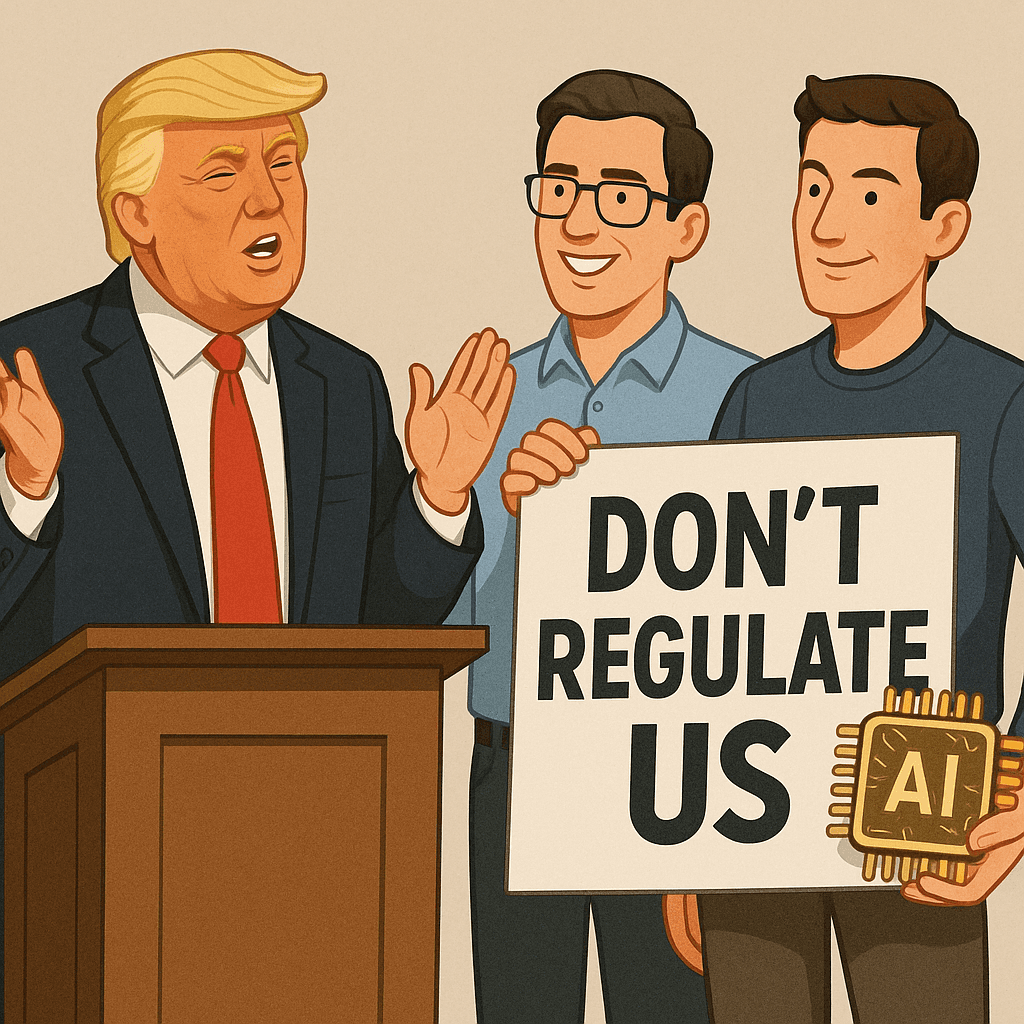
‘Don’t Regulate Us,’ Beg AI Founders Currently Selling Regulation-As-a-Service
Silicon Valley hails Trump’s plan to let AI companies write their own rules, promises to sell those rules back to everyone else by Q4.
Oct 11
Forecast
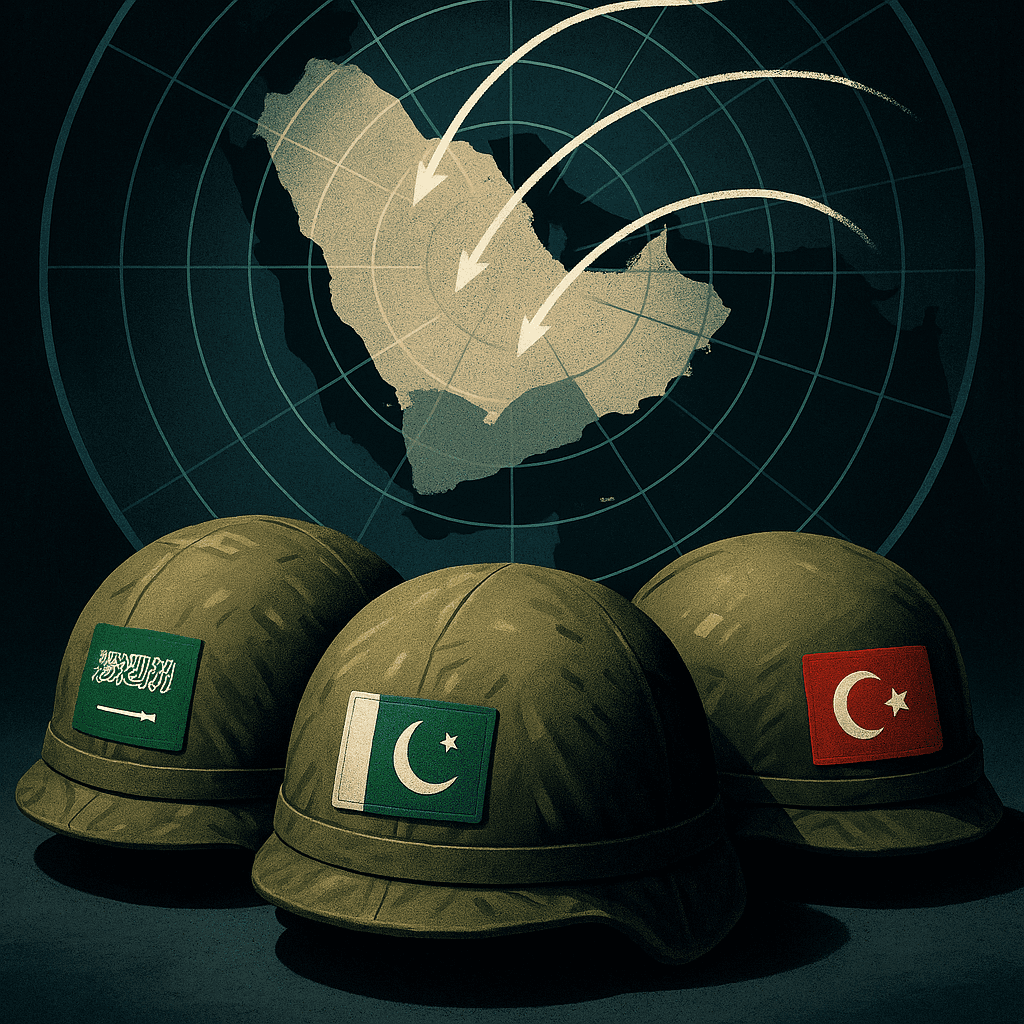
Through December 10, Houthis Won’t Damage Pakistan or Turkey Infrastructure
The Mecca Defense Pact just put two more flags on the Saudi firing chart. The consensus panic says this widens the war within weeks. The signal says the Houthis will talk big, hit Saudi and the sea, and leave Pakistan and Turkey’s hard targets alone for this 60 day window.
Comments
Be the first to comment.