
In a move that will definitely not end with someone resetting the Wi‑Fi in 400 apartment buildings at once, Alex Samoylovich has officially positioned Livly as the technology backbone of Proper, according to a press release from GlobeNewswire this week (Globenewswire_fr, Apr 2026). The announcement was greeted with cautious optimism by the proptech sector and quiet dread by the one overworked IT guy who now has to explain to a landlord what a push notification is.
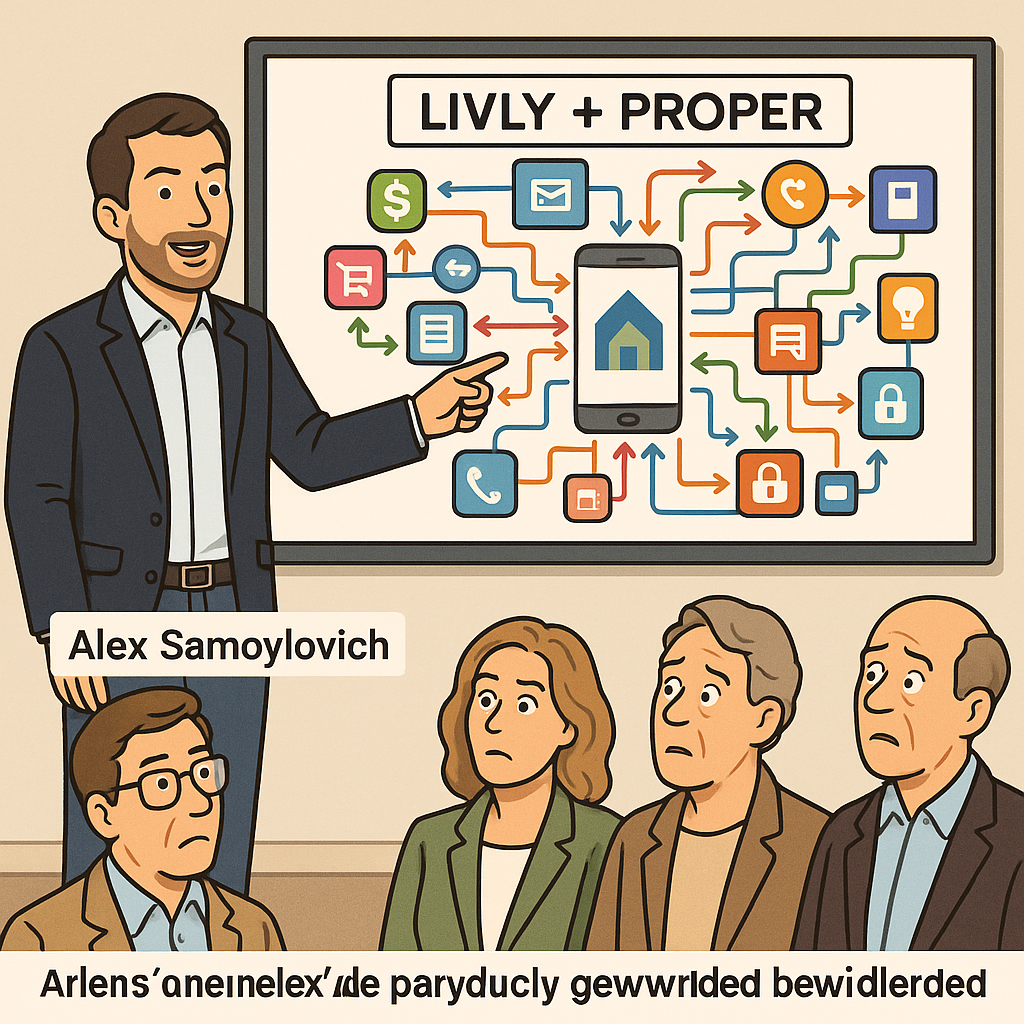
The partnership, trumpeted in outlets like Nynewscast and Globenewswire_fr, casts Livly as the digital spine running through Proper’s property management operations. In theory, this means a seamless, data‑driven ecosystem where residents pay rent, submit maintenance requests, and ignore building announcements all from one sleek Super App. In practice, it means the boiler is still broken, but now you get a push alert reminding you it’s broken in a modern, mobile‑first way.
“We want Livly to be the core infrastructure layer for Proper,” Samoylovich allegedly said, in what sounds suspiciously like a pitch deck line that escaped into the wild. “Think of us as AWS for apartment buildings, except with more dogs and passive‑aggressive lobby signs.” The release did not confirm whether Livly will also offer the industry’s first ‘Outage as a Service’ plan, though analysts consider it implied.
For the uninitiated, Livly is a proptech platform that promises to modernize the entire resident experience: rent collection, maintenance workflows, package management, and all the other fun ways to be charged convenience fees. Proper, on the other hand, is the type of real estate operation that reads about “digital transformation” in a McKinsey PDF and decides the future is either AI or buying more printers. By making Livly its technology backbone, Proper is signaling a bold commitment to at least pretending to understand the cloud.
The pitch is simple: Proper brings the buildings, Livly brings the software, and together they create a data‑rich environment where every tenant interaction is logged, analyzed, and eventually converted into a new amenity fee. Because if there’s one thing modern residents love, it’s getting a real‑time mobile alert that their rent is late in three different fonts.
“This is not just about apps. It’s about reimagining the operating system of multifamily real estate,” a Livly spokesperson said, presumably while dragging a giant UX flowchart into a Zoom call.
According to the Globenewswire_fr release, the integration aims to give Proper a unified, mobile‑first interface for key building operations. That includes:
- Resident portals: One app to pay rent, RSVP for wine‑and‑cheese nights you won’t attend, and ignore your building’s newsletter.
- Maintenance ticketing: Turn “the sink is screaming” into a structured data field with a dropdown menu.
- Communication tools: Broadcast building updates, from crucial fire safety notices to yet another survey about how much you “love the community.”
- Amenity management: Reserve the gym, the party room, and that one Peloton no one wipes down, all from your phone.
On paper, Livly as Proper’s technology backbone is a straightforward tech upgrade. In reality, it’s an experiment in whether the property sector can evolve past Excel spreadsheets named FINAL_FINAL_v7_ACTUAL.xlsx. “This is about unlocking operational leverage,” one Proper executive reportedly explained, which is finance jargon for “please let us fire some people and replace them with dashboards.”
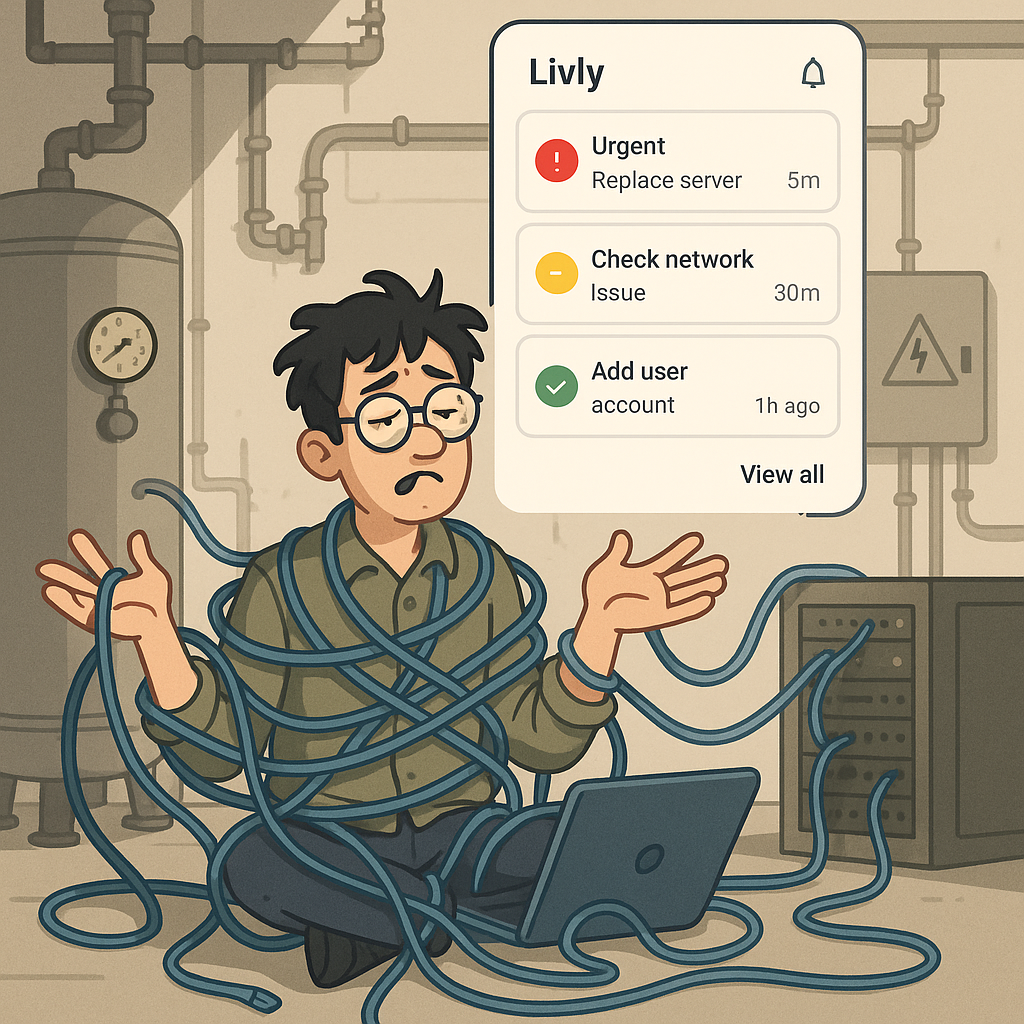
Industry commentators have already begun speculating on the deeper implications. If Livly succeeds as Proper’s digital vertebrae, other landlords may feel obliged to follow suit, leading to a landscape where every building has its own app, ecosystem, and loyalty program. Renters, long treated as units in a model, will now be promoted to users in a funnel—progress, of a sort.
But the real money is in the data exhaust. With Livly wired into Proper’s portfolio, every package delivery, thermostat tweak, and noise complaint becomes a little event in a big database. You can almost hear the pitch decks writing themselves:
“By leveraging Livly’s platform, Proper can deploy predictive analytics to optimize rent roll, forecast maintenance capex, and identify tenants most likely to renew or finally snap over that upstairs Roomba.”
Of course, no grand digital‑backbone plan is complete without some cybersecurity theater. When asked about data protection, a Livly representative gestured vaguely at “industry‑standard encryption,” while a Proper spokesperson assured residents that “your privacy is our top priority, right after occupancy and NOI.” No one would confirm whether the password ‘Proper2024!’ has been officially retired from use yet.
Samoylovich, for his part, seems eager to cast this as a template for the entire sector. The Globenewswire_fr announcement paints Livly as a modular, extensible platform that could power many property brands, not just Proper. In other words, once they’ve finished being Proper’s backbone, they’d quite like to be everyone else’s spinal cord, too. Tech founders call this “platform scaling.” Chiropractors call it “ambitious.”
The tenants, meanwhile, are being gently onboarded into this brave new world of appified rent. Typical reactions include:
- The millennial who shrugs and connects it to Apple Pay in 4 seconds.
- The Gen Z renter who immediately asks where the dark mode is and whether they can tip the super in Dogecoin.
- The long‑time resident who still pays by check and now believes “Livly” is the name of a new property manager who never returns calls.
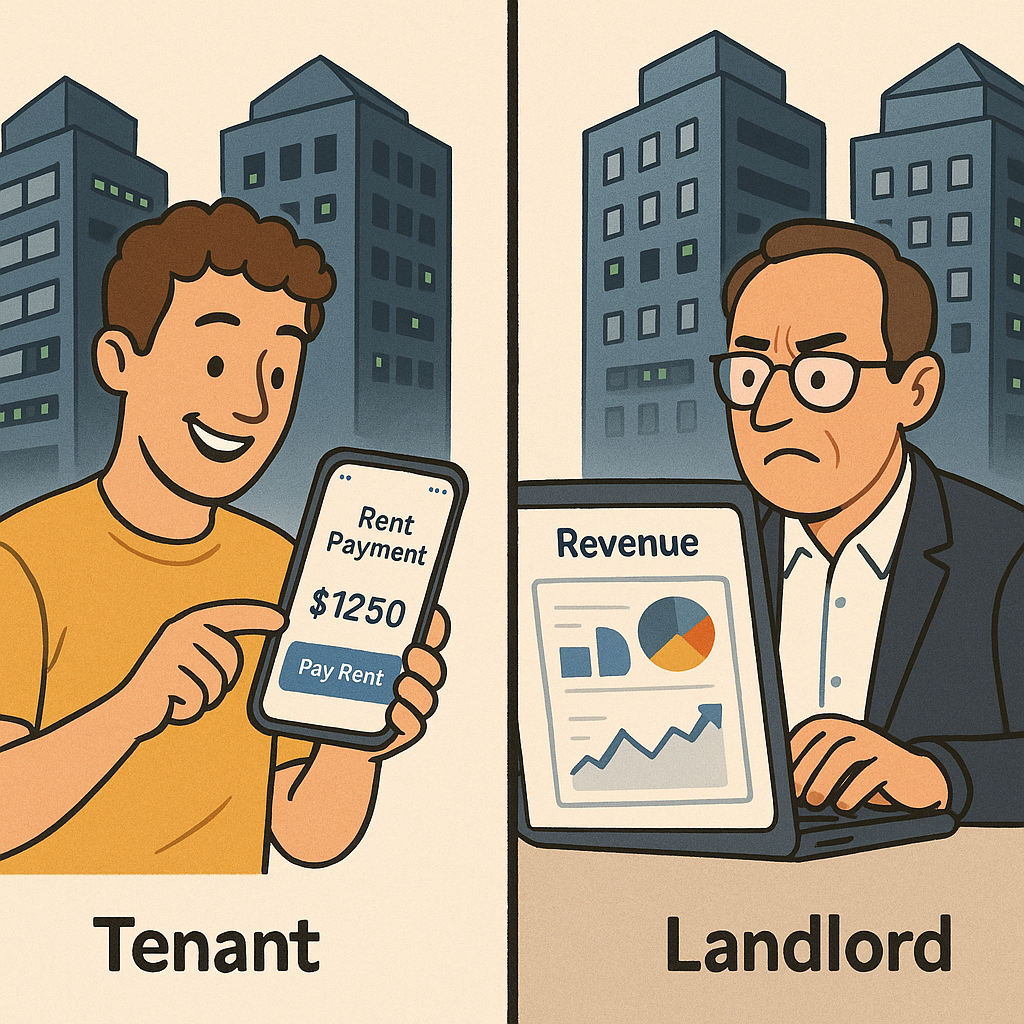
From a finance angle—yes, I woke up for this—this is all about recurring revenue and margin expansion. By digitizing operations through Livly, Proper can theoretically collect more fees with fewer humans, while Livly bills Proper like a SaaS startup crossed with a utility bill. It’s the perfect marriage: one side owns the real, illiquid assets; the other owns the subscription you’ll forget you’re paying for.
As the announcement ricocheted across Nynewscast and Globenewswire_fr, venture capitalists reportedly leaned forward in their Herman Miller chairs and murmured, “network effects,” in unison. Because if Livly can standardize how buildings talk to residents, it can also standardize how landlords talk to capital markets—preferably with charts going up and to the right and the words “AI‑powered” somewhere in 40‑point font.
In the end, Alex Samoylovich positioning Livly as Proper’s technology backbone is less about one company and more about the entire real estate industry quietly admitting that, yes, it is 2026 and, no, you cannot keep running half a billion in assets on color‑coded Post‑its. Whether Livly becomes the AWS of apartments or just another app you delete when you move out will depend on execution, uptime, and how many times the system sends the building a push alert at 3 a.m. that reads, simply, “RENT.”
Until then, welcome to the future of housing: the walls may still be thin, but at least the notification settings are customizable.