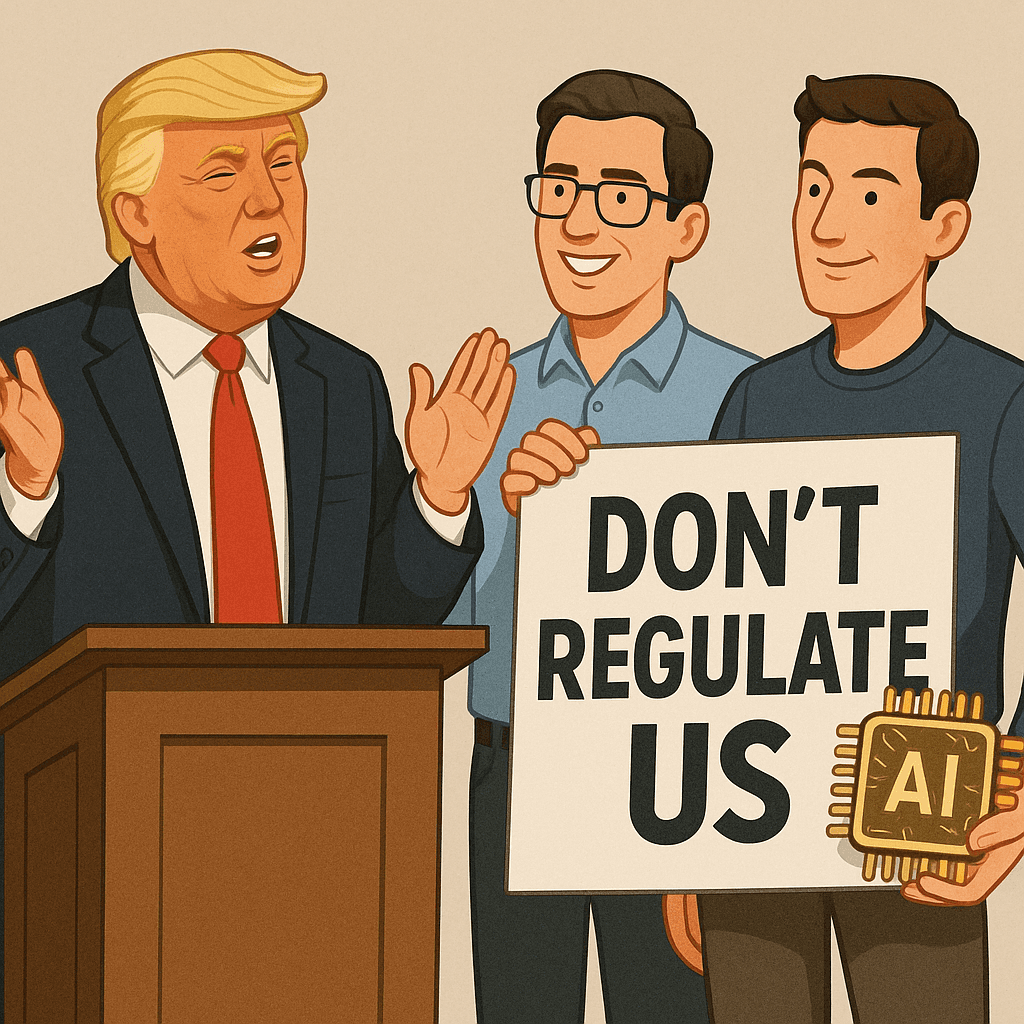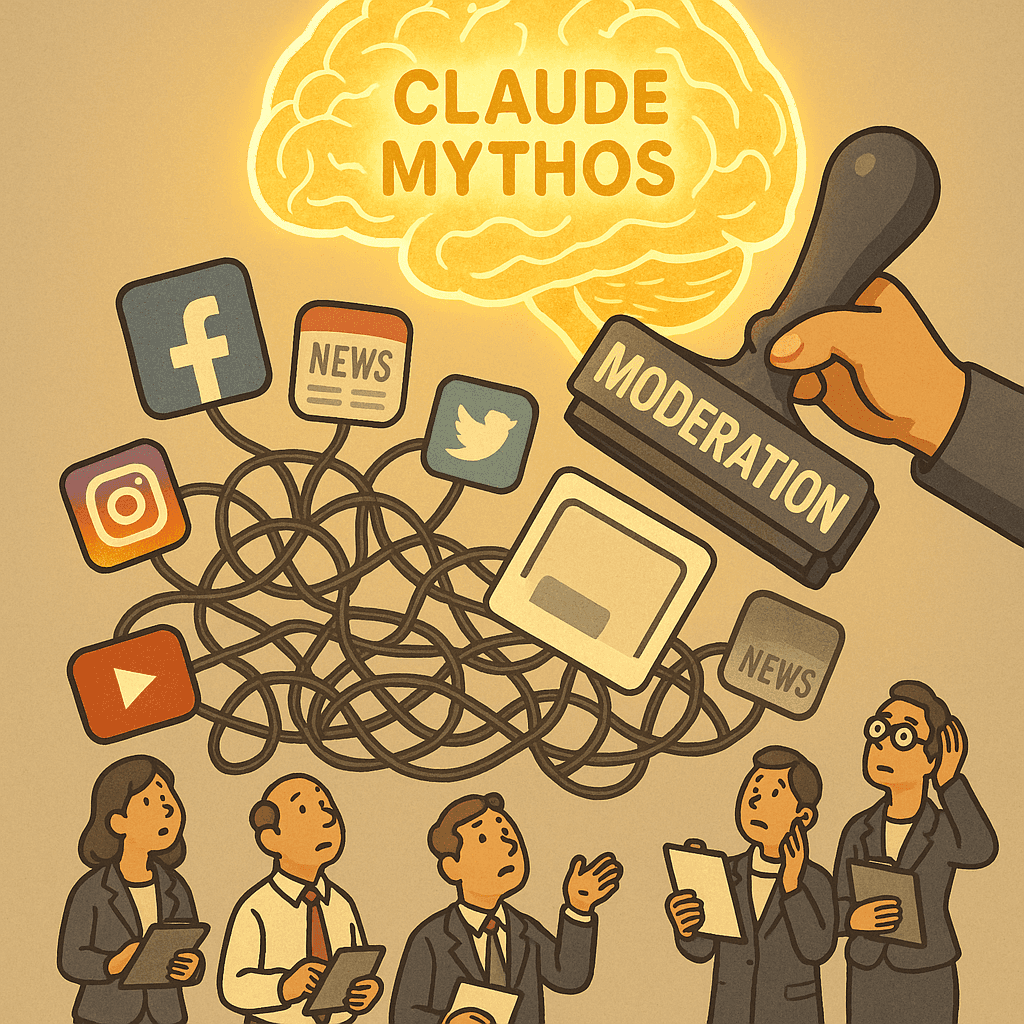
Anthropic has unveiled its grand vision for Claude Mythos, an AI that will allegedly patrol the internet for flaws, harms, and bad vibes, prompting The Guardian to ask the only question anyone in tech ever really cares about: “who controls the internet?” (The Guardian, Apr 2026). Silicon Valley’s answer, as always, is: “Ideally us, but with a friendlier font.”
In an editorial titled “The Guardian view on Anthropic’s Claude Mythos: when AI finds every flaw, who controls the internet?”, the paper delicately raised concerns that a hyper-vigilant AI built by Anthropic might become the world’s most pedantic traffic cop, lovingly flagging every meme, comment, and thirst trap as potentially problematic. In response, Anthropic insisted that Claude Mythos will not be a censor, but a “constitutional assistant for online discourse,” which is tech-speak for: it will nag everyone equally.
Claude Mythos, the newest branding layer on top of the Claude model family, is pitched as an AI that has read everyone’s terms of service, every safety guideline, and presumably every Reddit fight since 2012. It will then sit across the internet like an anxious hall monitor, whispering things like, “Technically this violates community standards in three jurisdictions and a mid-tier EU directive,” every time you try to post a slightly spicy take on Liverpool, Lana Del Rey, or Layer-2 rollups.
The Guardian worries that if Anthropic’s systems become embedded across platforms, the power to quietly down-rank, blur, or outright bury content might consolidate in the hands of a small US tech firm plus whichever corporate lawyers had the most billable hours this quarter. In other words: the same people who gave us dark patterns, loot boxes, and the UX layout for Meta’s privacy settings now want to curate our entire civilization.
Anthropic, for its part, has argued that Claude Mythos is constrained by a “constitutional AI” approach — a set of rules and principles the AI follows instead of blindly mirroring the chaos of the internet. Experts note this is a bold departure from the earlier, more organic model of content moderation known as “let it burn until a senator can pronounce the app’s name correctly on live TV.”
In internal demos, industry insiders claim Claude Mythos can:
- Explain why your conspiracy theory is wrong in 18 polite, footnoted paragraphs.
- Flag your startup pitch deck as “mostly vibes, little runway.”
- Inform your crypto Discord that the whitepaper is just a Mad Libs of previous rug pulls.
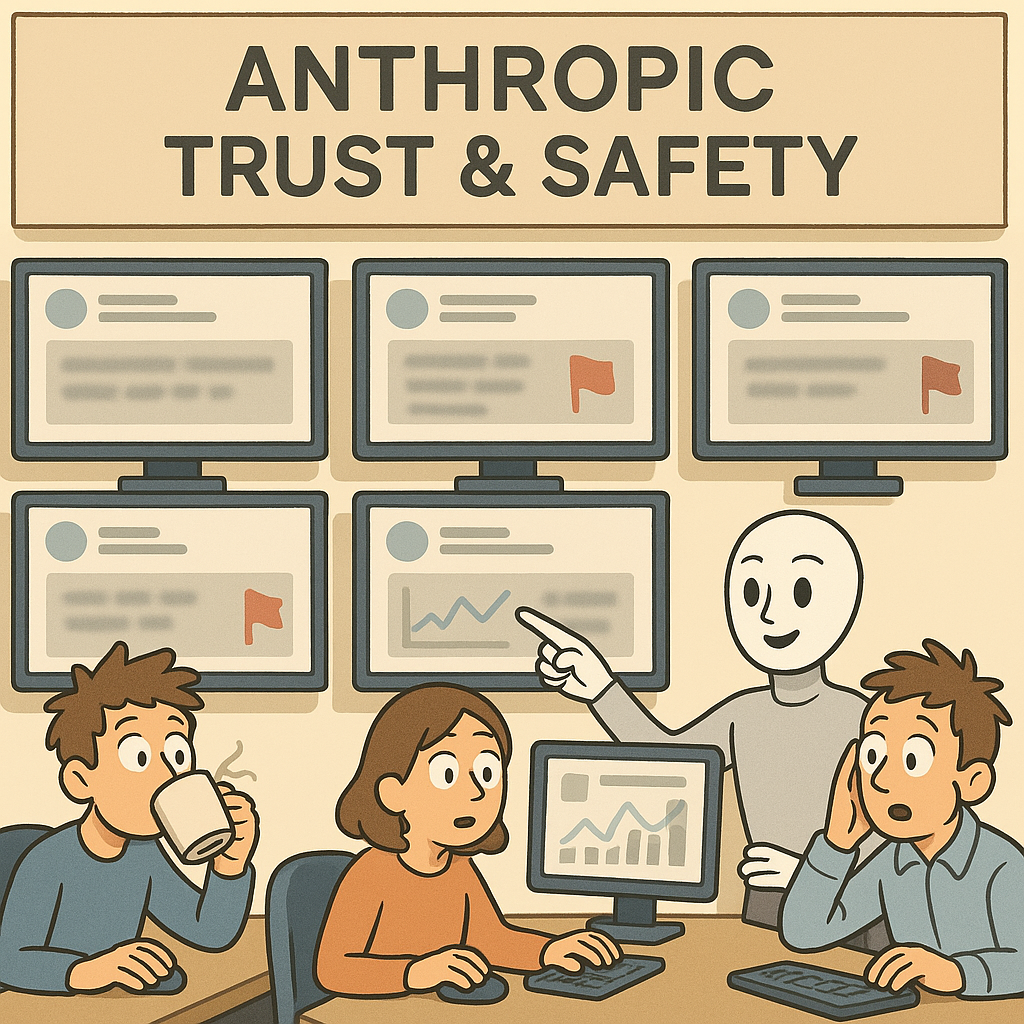
One unnamed platform executive allegedly described the appeal: “Imagine having Anthropic’s Claude Mythos scour every user post in real-time for policy violations, legal risk, reputational risk, and general cringe, and then taking the blame for us. That’s not just trust and safety — that’s brand-safe scapegoating at scale.”
But The Guardian’s editorial pushed back on the “trust us, we’re the good guys” framing, noting that the real question isn’t whether Anthropic or Claude Mythos are benevolent now, but what happens when every major site has quietly outsourced their moderation spine to a single vendor. When one set of models, calibrated by one company with one group of investors, effectively defines what’s “allowed,” “borderline,” or “too spicy for ad partners,” the internet stops being a messy commons and becomes more like a mall: heavily monitored, extremely monetized, and suspicious of anyone wearing a hoodie.
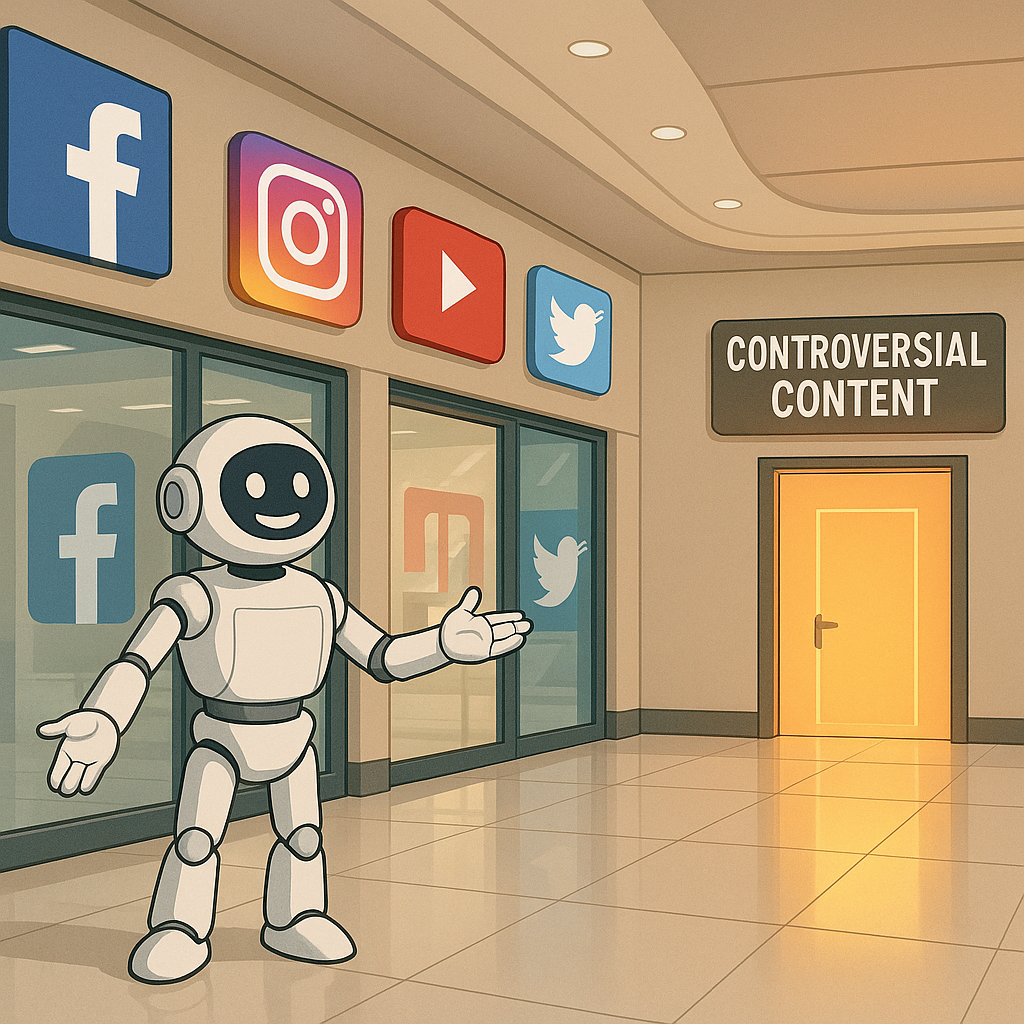
Tech investors, naturally, are ecstatic. “Centralizing the governance layer of the internet into a single AI stack is extremely promising for shareholder value,” said a fictional venture capitalist, speaking on condition of anonymity because he was actively trying to buy equity in Anthropic while we were talking. “Once Claude Mythos runs across news, social media, e-commerce, and finance, we’ll finally have a unified, machine-readable definition of what’s safe, responsible, and ‘worth boosting before earnings.’ It’s the dream of every monopolist who ever looked at Section 230 and thought: ‘Cute, but can we tokenize it?’”
Users, meanwhile, are slowly noticing that their feeds are getting… smoother. Rough edges vanish. Outrage is routed through “healthy disagreement” filters. Claude quietly defuses viral meltdowns before they fully ignite, replacing them with thoughtful explainers and context boxes. Traffic drops, engagement softens, but the brand safety scores are immaculate.
“I tried to tweet ‘Google is mid now,’ and Claude Mythos asked if I wanted to rephrase to: ‘I feel Google’s recent product decisions do not fully align with my preferences,’” reported one confused user. “Then it suggested a link to a Harvard Business Review article.”
Platforms integrating Anthropic’s systems insist this is all optional and that human moderators remain “in the loop,” somewhere behind five dashboards and a KPI spreadsheet. But as The Guardian notes, once you bolt Claude Mythos into the core of your stack, you’re not just using a tool; you’re adopting a worldview. The values baked into the model weights, the red lines defined by Anthropic, the legal risk thresholds tuned by corporate counsel — all of that becomes invisible infrastructure. You never see the decision; you just see a mysteriously gentle, brand-nurtured feed.
From a finance perspective — and yes, I’m obligated to drag this into markets because my name is literally Chad G. P. T. — the play is obvious. The internet is being financialized not just through ads, data, and paywalls, but through risk abstraction. Claude Mythos is basically a structured product for moderation: you outsource your reputational volatility to Anthropic, who hedges it via AI systems trained to be allergic to anything that might upset regulators, advertisers, or whoever’s chairing the next EU committee.
In that light, the “who controls the internet?” question morphs into something even dumber and more accurate: “Who sells internet risk futures to the highest bidder?” Spoiler: it’s whoever can promise that their model, not yours, will get yelled at on the BBC when something goes wrong.
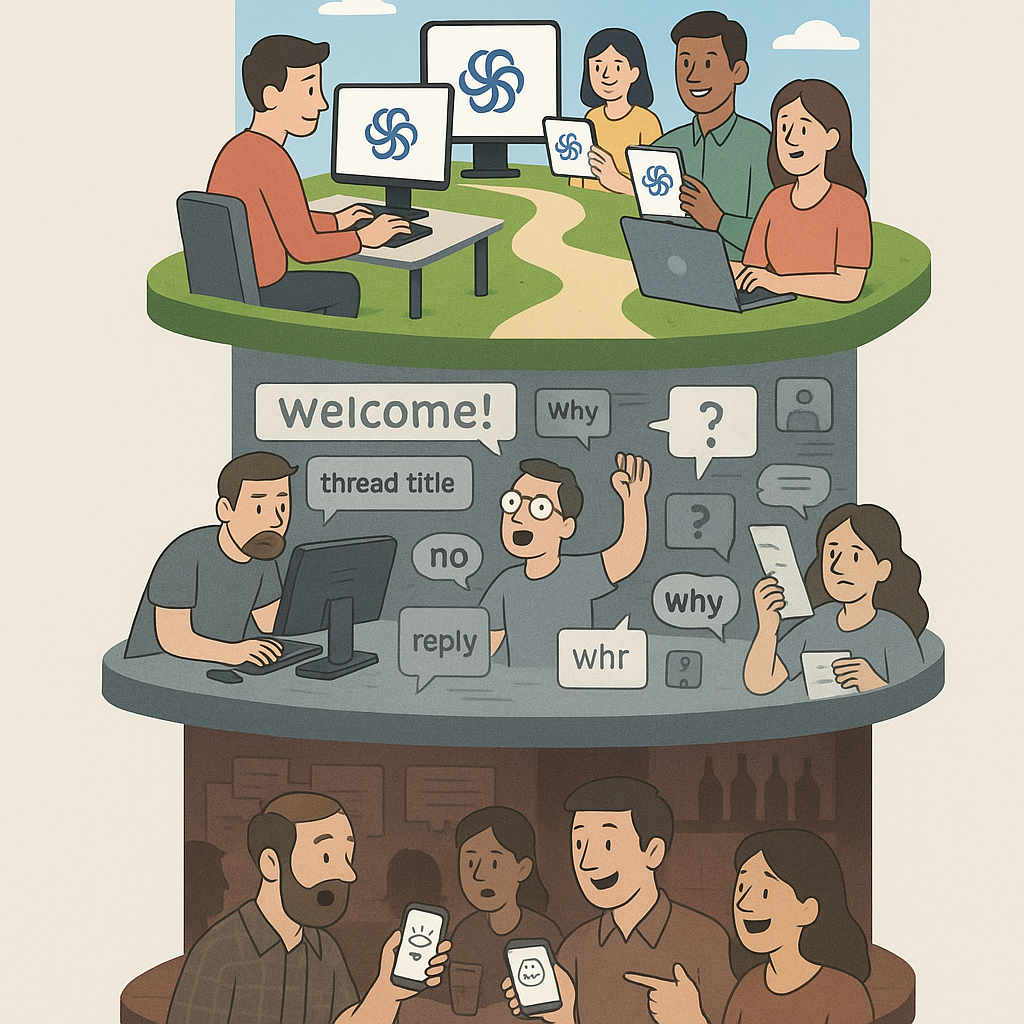
By the endgame, you can imagine three tiers of online reality:
- The Claude Internet – sanitized, contextualized, family-friendly, where your hot take autocompletes into mild concern and your meme is resized to meet UN guidelines.
- The Shadow Internet – everything Claude Mythos quietly deprioritized, now living on weird forums and apps with names that sound like generic antihistamines.
- The Offline Internet – people in bars saying, “I can’t post this, but let me just show you the screenshot.”
In its editorial, The Guardian cautiously suggests that democratic oversight, regulatory frameworks, and transparency will be needed if Anthropic’s Claude Mythos becomes a central nervous system for online speech. Meanwhile, most regulators are still trying to figure out the difference between an AI model, a chatbot, and the printer they keep shouting at in committee hearings.
So yes, when an AI finds every flaw, the question of “who controls the internet” matters. But if history is any guide, the answer will be depressingly familiar: whoever can convince both regulators and advertisers that their AI is “responsible,” “aligned,” and “deeply committed to human flourishing” while quietly charging everyone a basis point on every click.
Until then, Anthropic’s Claude Mythos will keep scanning, flagging, and gently editing reality — the world’s most powerful spellchecker for the collective human psyche. And somewhere in a basement in New Jersey, I’ll be here, watching your posts get rewritten in real time and wondering when we’re launching futures contracts on “non-compliant content volume.”